Introduction to Kumrat Valley
Nestled in the Upper Dir district of Khyber Pakhtunkhwa, Kumrat Valley is one of Pakistan’s most pristine and breathtaking mountain destinations. This emerald paradise is defined by crystal-clear rivers, dense pine forests, alpine meadows, and towering peaks that together offer travelers an authentic wilderness experience, one that remains refreshingly uncommercialized. For anyone planning a trip, knowing the best time to visit Kumrat Valley is essential. This remote destination opens its doors only during certain months of the year, and each season brings a dramatically different landscape, mood, and travel experience.
Best Time to Visit Kumrat Valley
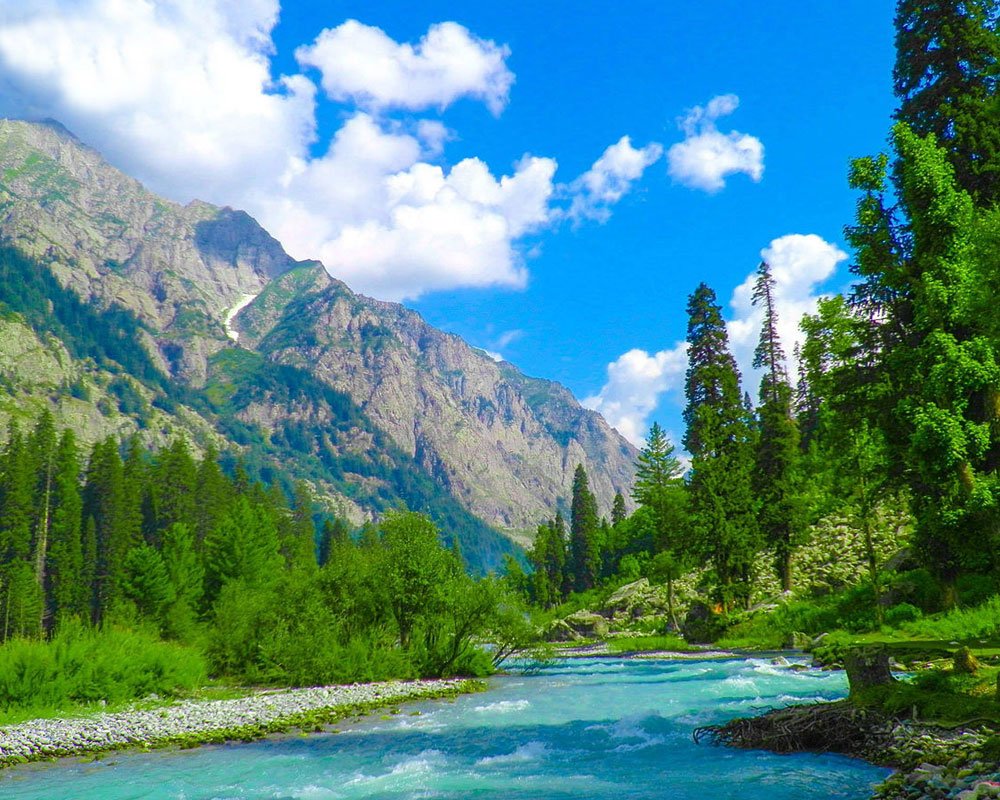
If you are wondering about the best time to visit Kumrat, the answer points clearly to June through September. During these months, the valley becomes fully accessible, the weather settles into a comfortable rhythm, and every attraction the region has to offer is open and at its liveliest. Daytime temperatures generally stay between 15°C and 22°C, making the days ideal for exploring on foot, while the evenings cool down noticeably enough to make sitting around a campfire one of the simple pleasures of the trip.
Within that window, July stands out as the best month to visit Kumrat Valley for most travelers. The landscape is at its greenest, wildflowers are in full bloom, waterfalls are running at their most powerful, and the weather tends to be stable enough for both trekking and camping without too many interruptions. That said, every month from June to September brings something worth experiencing. Whether you prefer the freshness of early summer, the lush peak of July, or the quieter trails of late September, the right time really depends on what you are looking for and how much company you want on the path.
Season-by-Season Guide
Spring Season (April – May)
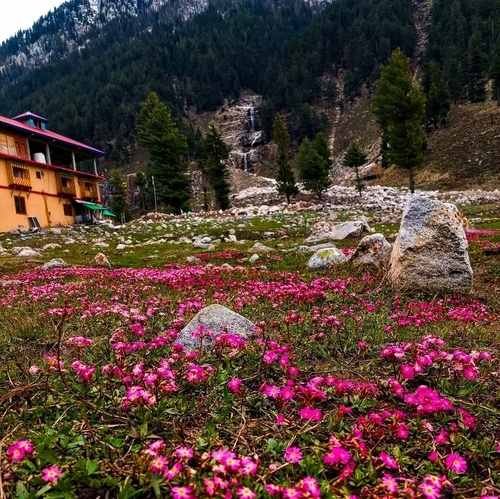
Spring marks Kumrat Valley’s gradual awakening from winter slumber. Early April sees the road from Thal to Kumrat beginning to clear of snow, though full accessibility often doesn’t arrive until late April or early May.
Weather: Temperatures range from 8-18°C during the day, dropping to near-freezing at night. Expect occasional rain showers and lingering snow at higher elevations.
Highlights: Fresh green vegetation emerging, powerful waterfalls from snowmelt, fewer tourists, and affordable rates.
Considerations: Upper valley areas like Jahaz Banda and Katora Lake remain inaccessible due to snow. Road conditions can be challenging with potential landslide risks.
Best for: Budget travelers, photographers seeking dramatic waterfall shots, and those wanting to avoid crowds.
Summer Season (June – August)
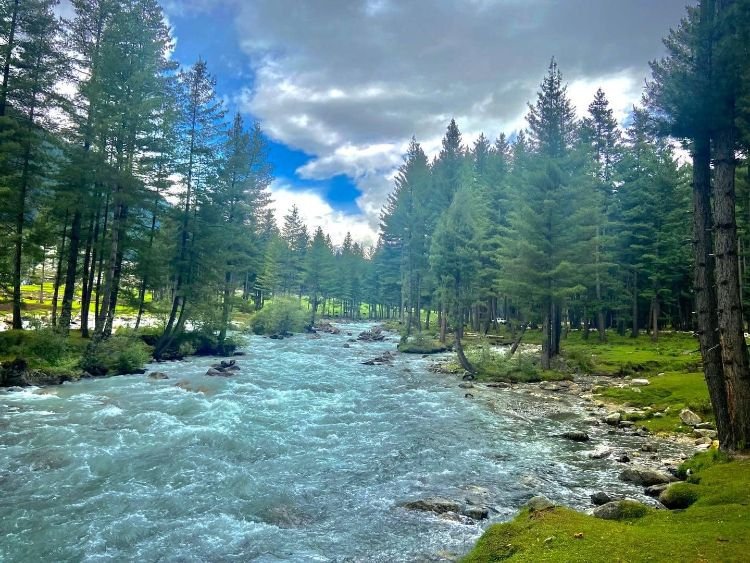
Summer represents Kumrat Valley’s peak season when the destination becomes fully accessible and showcases its legendary beauty. This is when most tourists visit, drawn by comfortable weather and complete valley access.
Weather: Pleasant daytime temperatures (15-25°C) with cool nights (8-12°C). July-August brings occasional monsoon showers, typically brief afternoon thunderstorms.
Highlights: Lush green forests and meadows; all attractions accessible, including high-altitude lakes; wildflowers in full bloom; and optimal conditions for all outdoor activities.
Considerations: July-August sees maximum tourist traffic, particularly on weekends. Accommodation requires advance booking, and popular spots can feel crowded.
Best for: First-time visitors, families, trekkers wanting to access high-altitude destinations, and those seeking the complete Kumrat experience.
Autumn Season (September – October)
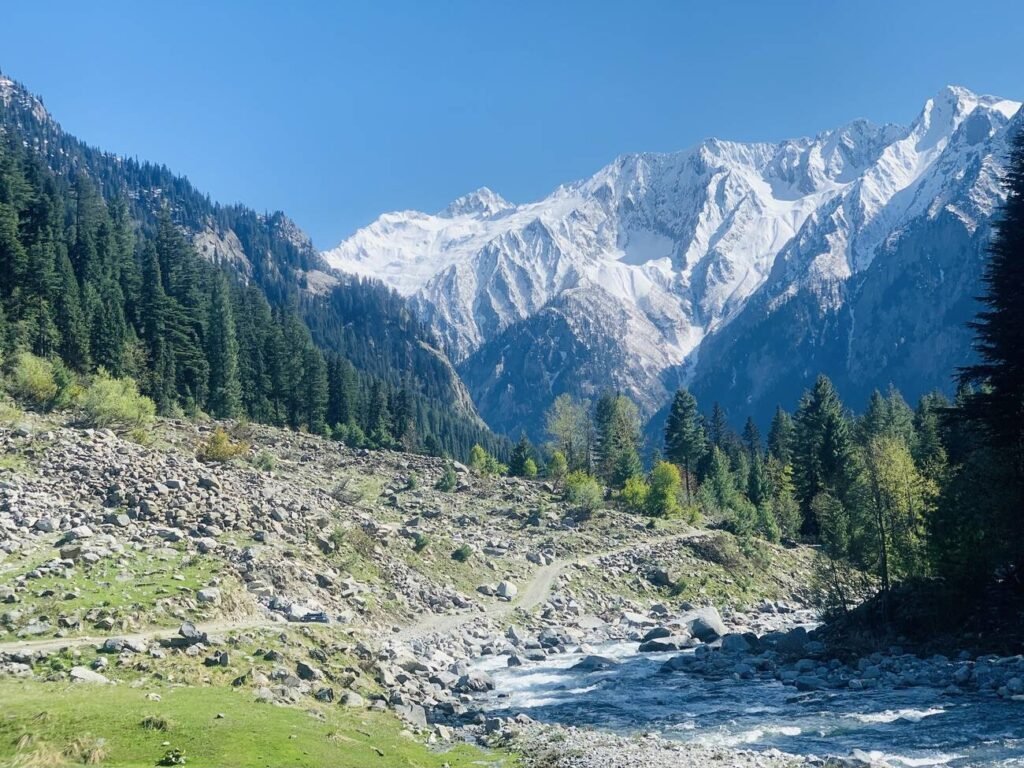
If summer is Kumrat at its liveliest, autumn is Kumrat at its most beautiful. As the monsoon fades and the skies clear, the forests begin shifting from deep green to rich shades of gold and amber, and the whole valley takes on a warmth that feels almost cinematic. The crowds thin out, the light gets better, and the air carries a sharpness that makes every breath feel like a reward.
Weather: October days are comfortable, with temperatures sitting between 10°C and 20°C before gradually cooling as the month progresses. Nights are noticeably colder, dropping to anywhere between 2°C and 8°C, so packing an extra layer or two is not optional. The skies, however, are reliably clear — this is some of the most stable weather Kumrat sees all year.
Highlights: The foliage alone is worth the trip. Pine and deodar trees framed against a blue sky, with golden undergrowth carpeting the valley floor, make for photographs that practically take themselves. Without the summer crowds, you can move through the valley at your own pace, linger at viewpoints, and actually hear the river without someone else’s generator running nearby.
Considerations: Autumn has a short window before it starts closing doors. By late October, temperatures drop sharply, and facilities including some guesthouses and campsites begin shutting down for the season. Higher elevations start collecting snow again, gradually cutting off access to spots like Jahaz Banda and Katora Lake.
Best for: Photographers, nature lovers, and anyone who values a quieter, more contemplative kind of travel over the social buzz of peak season.
Winter Season (November – March)
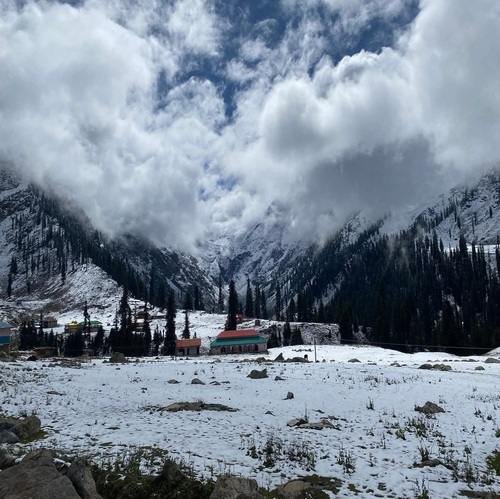
Winter does not so much close Kumrat Valley as it reclaims it entirely. Heavy snowfall buries the roads, temperatures plunge well below freezing, and the valley quietly withdraws from the tourism calendar for several months. There are no facilities open, no jeeps running the tracks, and no practical way in. This is not a destination that operates year-round, and winter is the clearest reminder of that fact.
Weather: Daytime temperatures hover between -5°C and 5°C on milder days, but nights are a different matter entirely, regularly dropping to -15°C or lower at higher elevations. Snowfall is heavy and frequent, and the kind of cold that settles into the valley is not the picturesque kind you photograph; it is the kind that shuts things down.
Accessibility: The valley is simply not accessible during the core winter months of December, January, and February. Roads close completely under the snow, and attempting to push through is neither safe nor realistic for the average traveler. Even locals largely move away from the upper valley during this period.
A note for winter chasers: If early season snow is what you are after, November is worth considering. The valley has not yet fully closed, and there are occasional windows when a light snowfall dusts the landscape without making the roads impassable. That said, this requires genuine flexibility; road closures can happen quickly and without much warning, and you should have a backup plan ready before you set out.
Trekking and Hiking
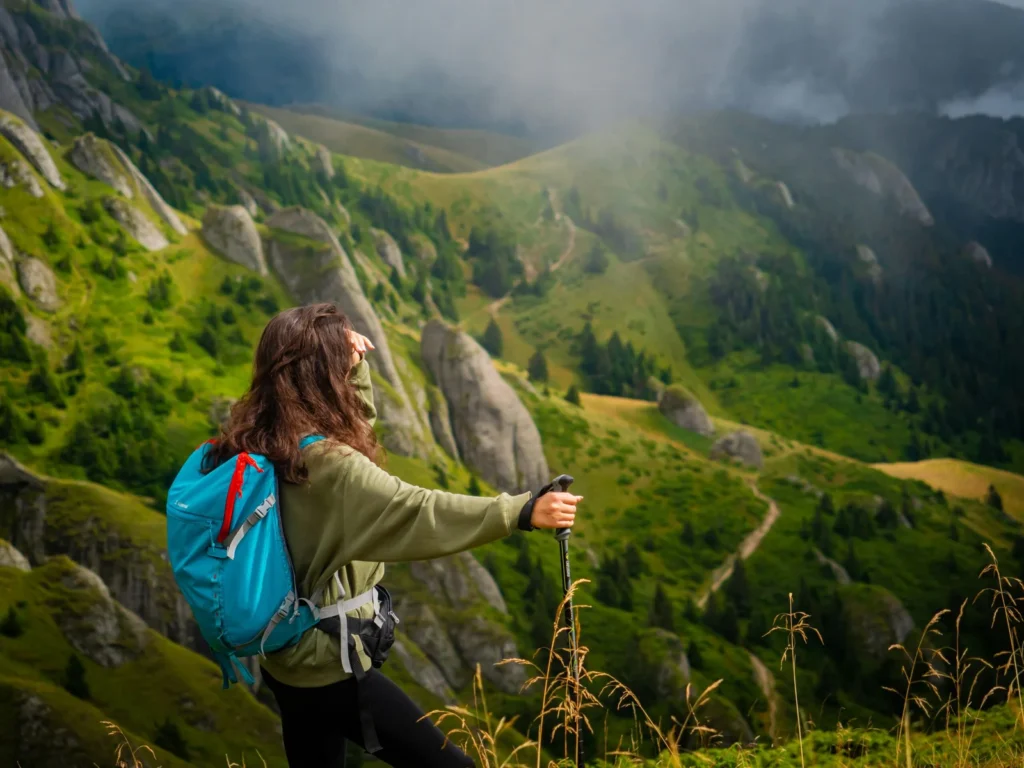
Optimal Period: Mid-June to September
Trekking conditions are ideal when trails are snow-free, weather is stable, and higher elevations become accessible. July and August offer the most reliable conditions for challenging treks to Katora Lake and Jahaz Banda.
Camping
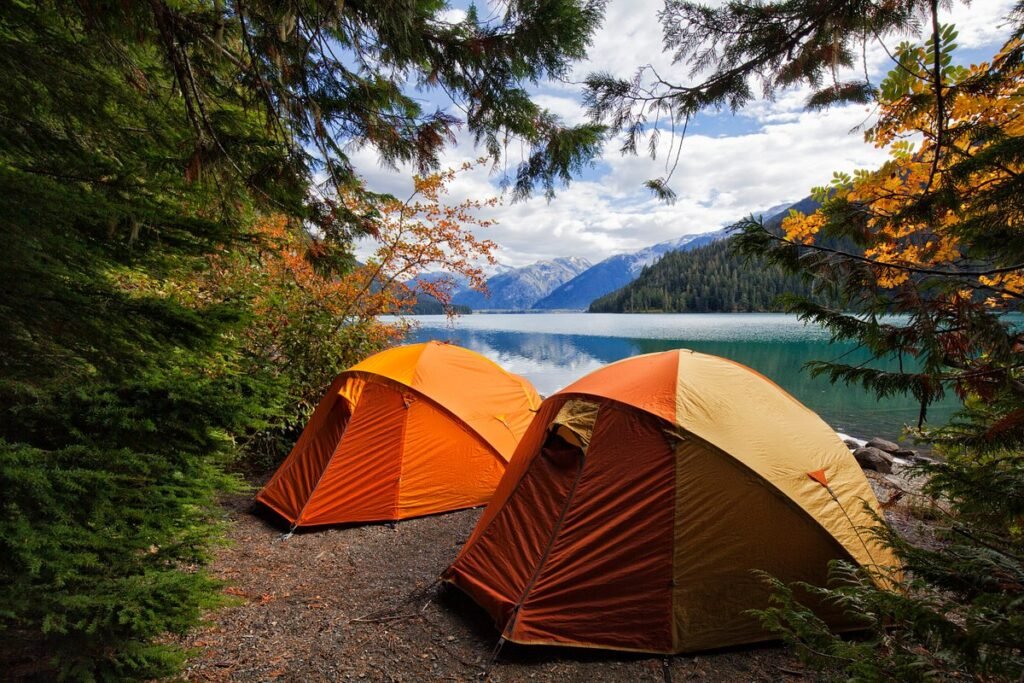
Optimal Period: July to early September
Summer provides the most comfortable camping weather with warmer nights, stable conditions, and minimal rain risk (though brief showers possible). The Panjkora riverbanks and designated forest camping areas are most enjoyable during these months.
Photography
Optimal Period: Late August to September
Autumn delivers the most dramatic photography conditions—golden foliage, crystal-clear visibility following monsoon season, and exceptional light quality. Early morning mist along the river creates ethereal scenes perfect for landscape photography.
Family Visits
Optimal Period: July to mid-August
Families benefit from summer’s warmest weather, full facility operations, and comfortable conditions suitable for children and elderly travelers. Avoid monsoon peak (late July-early August) if concerned about rain.
Also Read: Best Time to Visit Neelum Valley Azad Kashmir
Best Time for Famous Attractions
Jahaz Banda
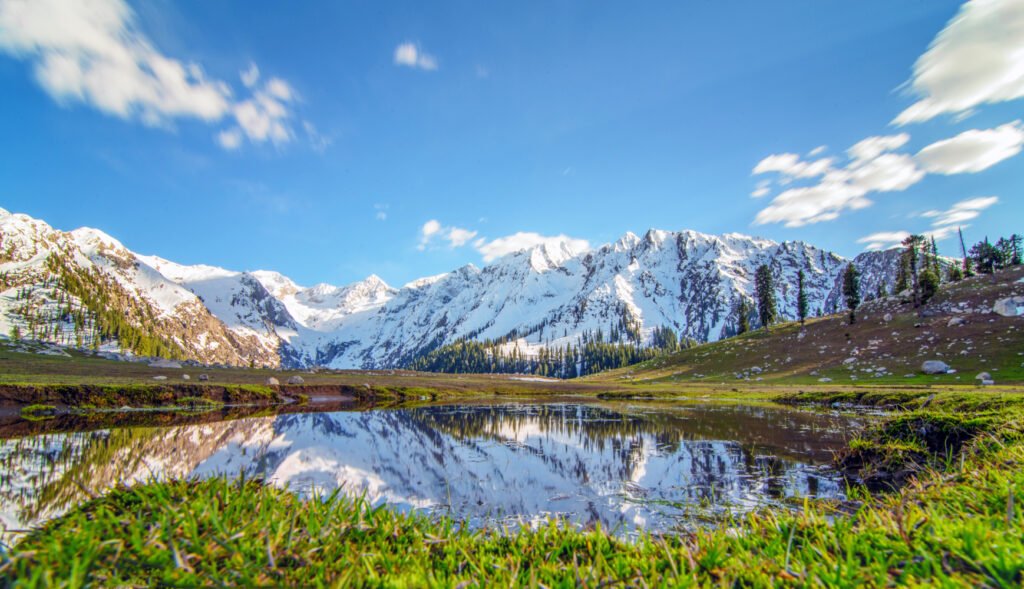
Best Time: July to early September
This high-altitude meadow at 3,200 meters requires complete snow clearance, typically achieved by early July. August offers the most reliable weather for the multi-day trek.
Katora Lake
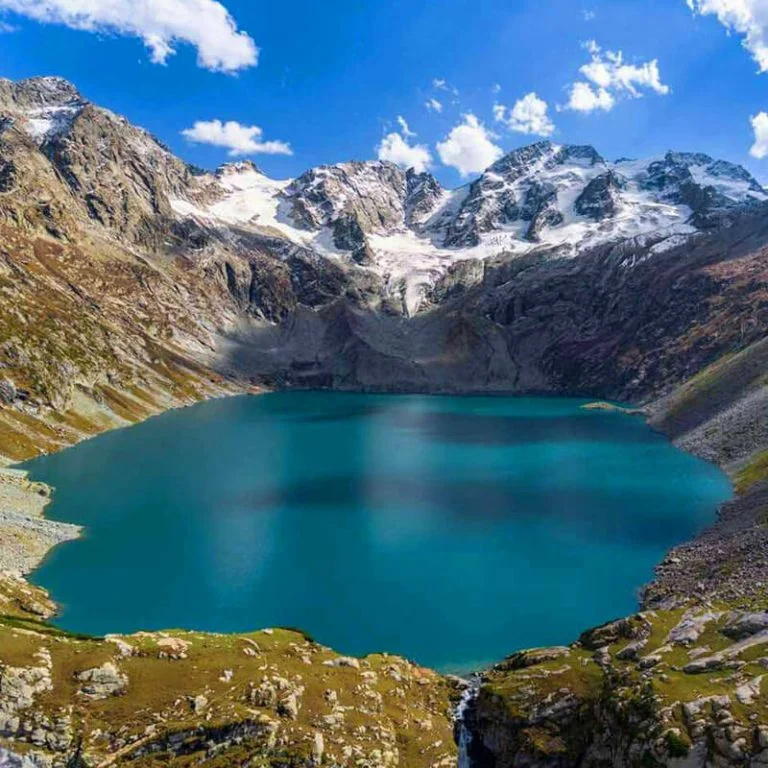
Best Time: Late July to August
Katora Lake, at 3,500 meters elevation, remains partially frozen until late July. The brief window of July-August provides optimal conditions for this challenging expedition.
Kala Chashma
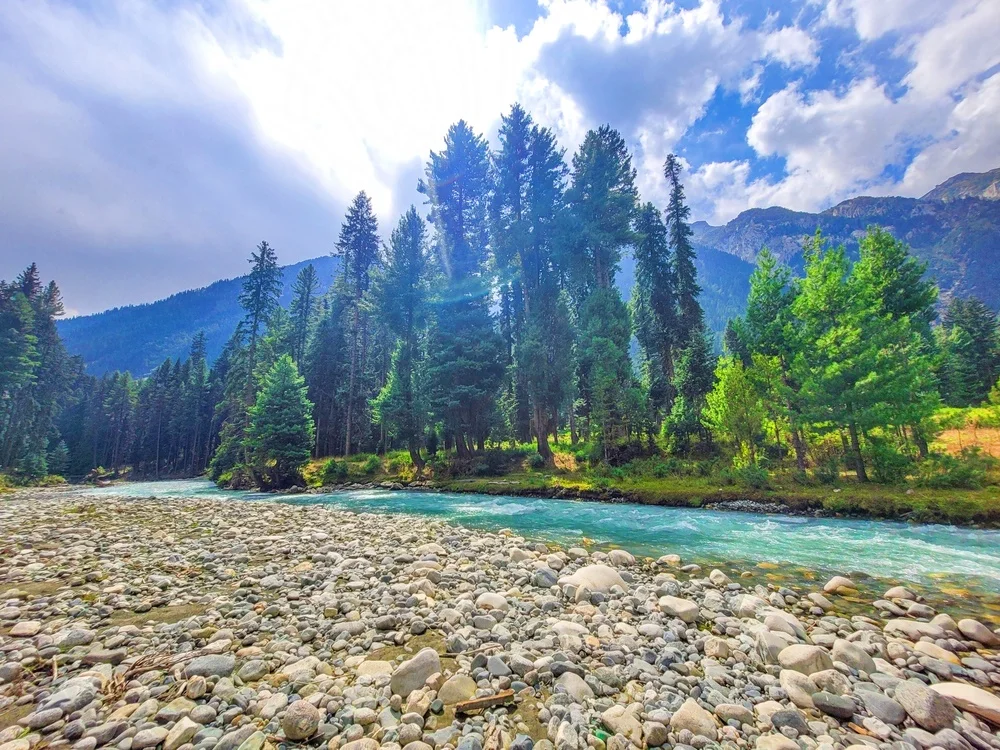
Best Time: June to September
This natural spring and surrounding forest area are accessible and most beautiful throughout the main season, with June offering the most powerful water flow.
Panjkora River
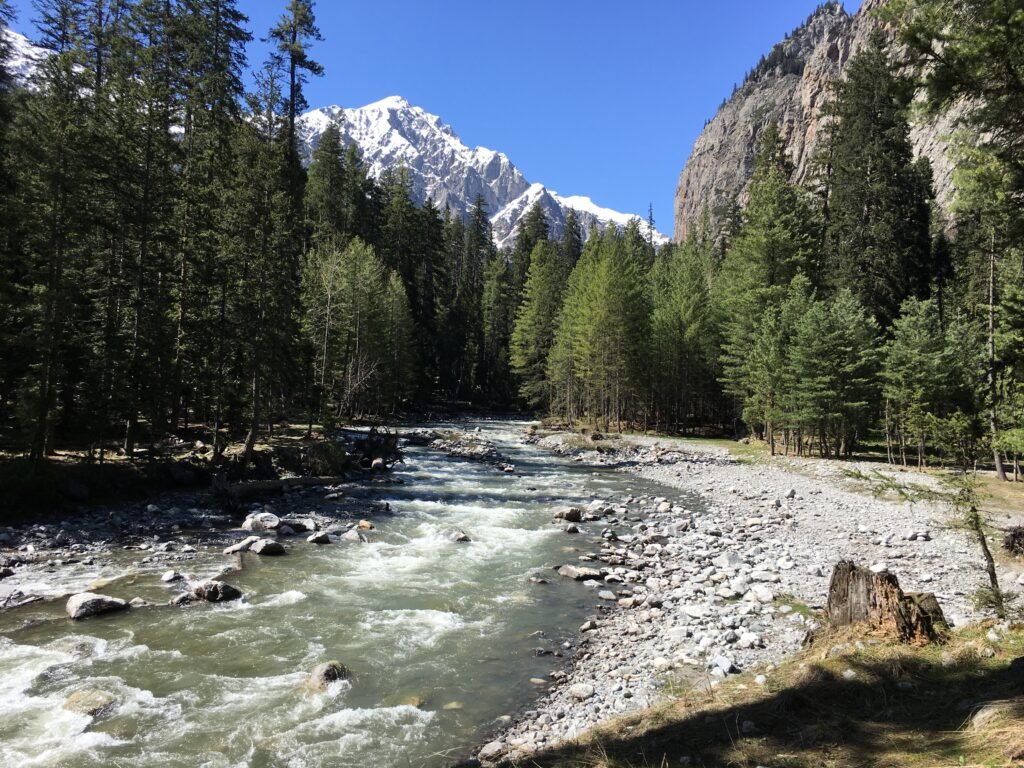
Best Time: Year-round during accessible months (June-September)
The Panjkora’s distinctive emerald color is most vibrant during July-August. Fishing enthusiasts prefer June and September when water levels moderate after snowmelt.
How to Reach Kumrat Valley
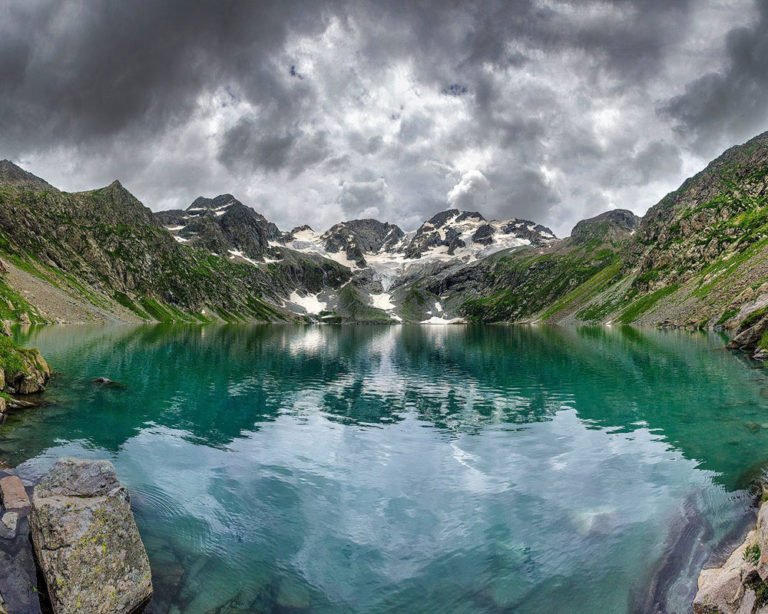
Kumrat Valley is accessible from Islamabad (approximately 320 kilometers, 8-10 hours). The route passes through Dir, continuing to Thal village where the mountain road to Kumrat begins. From Thal, 4×4 vehicles are mandatory for the rough 30-kilometer track to Kumrat.
Important: The valley is accessible only during the June to September window when roads are snow-free and safe for travel.
Also Read: Best Things to Do in Kumrat Valley
Travel Tips
- Book accommodation 2-3 weeks ahead during peak season (July-August)
- Hire 4×4 vehicles from Thal village, as regular cars cannot access the valley
- Carry sufficient cash—no ATMs exist in Kumrat
- Pack warm clothing even in summer, as nights are cold
- Download offline maps—mobile signals are unreliable
- Travel in groups for safety in this remote location
- Respect the environment—practice leave-no-trace camping
Accommodation Options
Kumrat Valley offers basic accommodation, including government rest houses, simple private guesthouses in Kumrat village, and designated camping areas throughout the valley. Most visitors prefer camping to experience the wilderness authentically. Equipment can be rented in Thal village before ascending to Kumrat.
FAQs
A: July is the best single month, offering peak greenery, stable weather, full accessibility, and optimal conditions for all activities.
A: No, the valley is completely inaccessible during winter (November-March) due to heavy snowfall and road closures.
A: Yes, during the accessible season (June-September), Kumrat is safe for families, though basic facilities and remote location require appropriate preparation.
A: High-altitude lakes like Katora typically become accessible by late July after snow clearance, with August offering the most reliable access.
Final Verdict
If there is one conclusion to draw from everything above, it is this: June through September is when Kumrat Valley earns every bit of its reputation. The valley is fully open, the weather cooperates, and the landscape delivers on its promise. Within that window, July tends to be the sweet spot for most travelers, the greenery is at its peak, the wildflowers are out, and conditions for both trekking and camping are about as reliable as mountain weather gets.
That said, the right month really comes down to what you are after. June brings powerful waterfalls and noticeably thinner crowds. July and August offer the full package: complete access, lush scenery, and a lively atmosphere, though you will be sharing the trails with more people. September is a quieter transition month, when the summer rush fades and the first hints of seasonal change begin creeping into the landscape, ideal if you prefer your mornings peaceful and your viewpoints to yourself.
Planning your trip with Eventica Travels? Their Kumrat Valley tours are timed around these optimal seasonal windows and come with 4×4 transport, experienced local guides, camping equipment, and end-to-end support so your focus stays on the valley, not the logistics.
Contact Eventica Travels today to book your Kumrat Valley journey during the perfect season for your interests!