
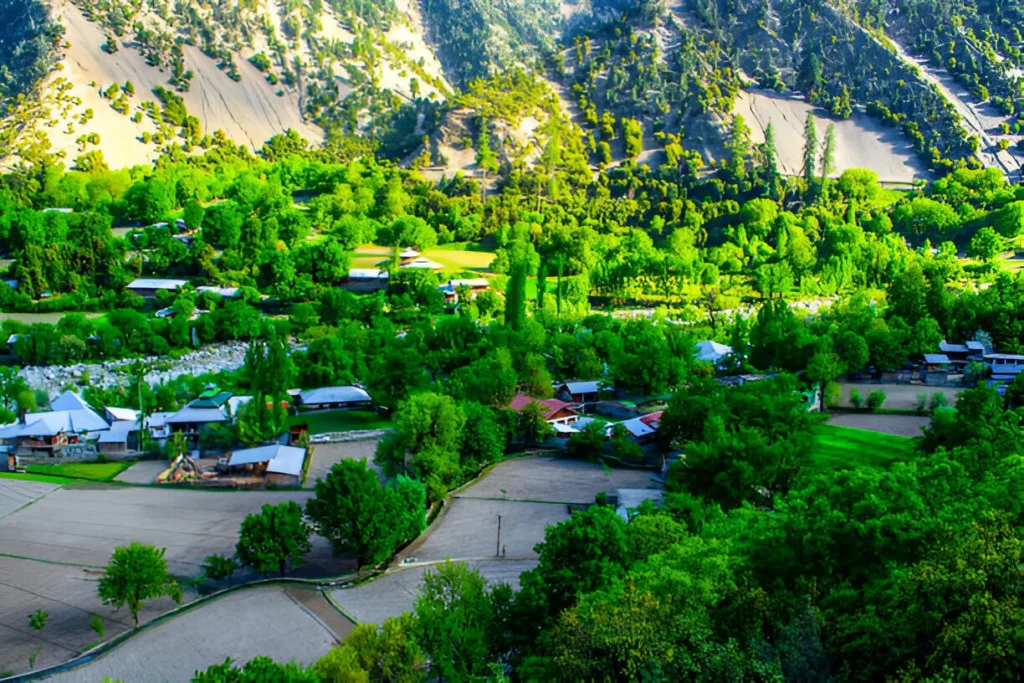
Kumrat Valley sits in the Upper Dir district of Khyber Pakhtunkhwa, and most people still haven’t heard of it, which is exactly why it’s worth talking about. Emerald rivers run through thick forests, wide meadows open up toward snow-covered peaks, and the noise of everyday life feels very far away. It doesn’t show up in most travel guides and that’s honestly part of what makes it special. Swat and Kaghan get all the attention but Kumrat holds its own against both — and unlike those places, the crowds haven’t made it there yet.
Where Is Kumrat Valley?
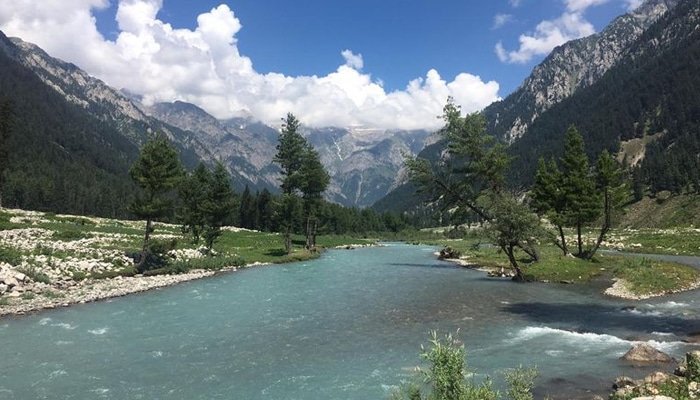
Kumrat Valley is about 30 kilometers from Thal village in Upper Dir. The land rises from 1,800 meters all the way up to 3,500 meters so the scenery changes completely as you go higher.Getting there takes some work. The road only opens up in summer and the last stretch needs a proper 4×4. That difficulty is actually what has kept the place so unspoiled — not any law or policy, just the road itself doing the job.
What to Expect
This guide walks you through the best spots and things to do in Kumrat Valley — old forests, glacial lakes, high meadows that feel like they belong to a different era. Whether you’re planning to camp for a few nights or go on a longer trek, everything here will help you get the most out of one of northern Pakistan’s finest and least touched destinations.
Best Places to Visit in Kumrat Valley
1. Kumrat Forest – The Valley’s Green Heart
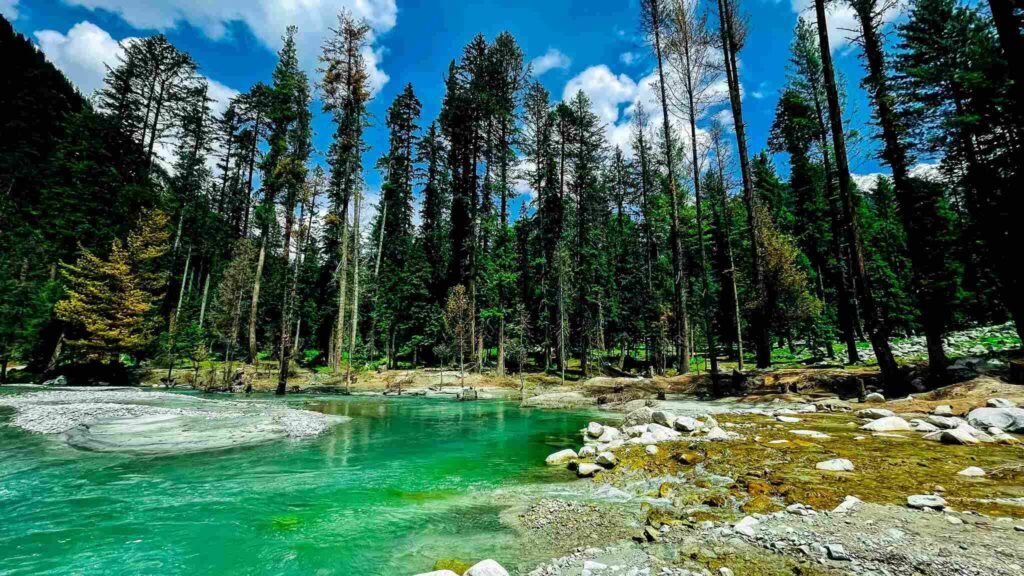
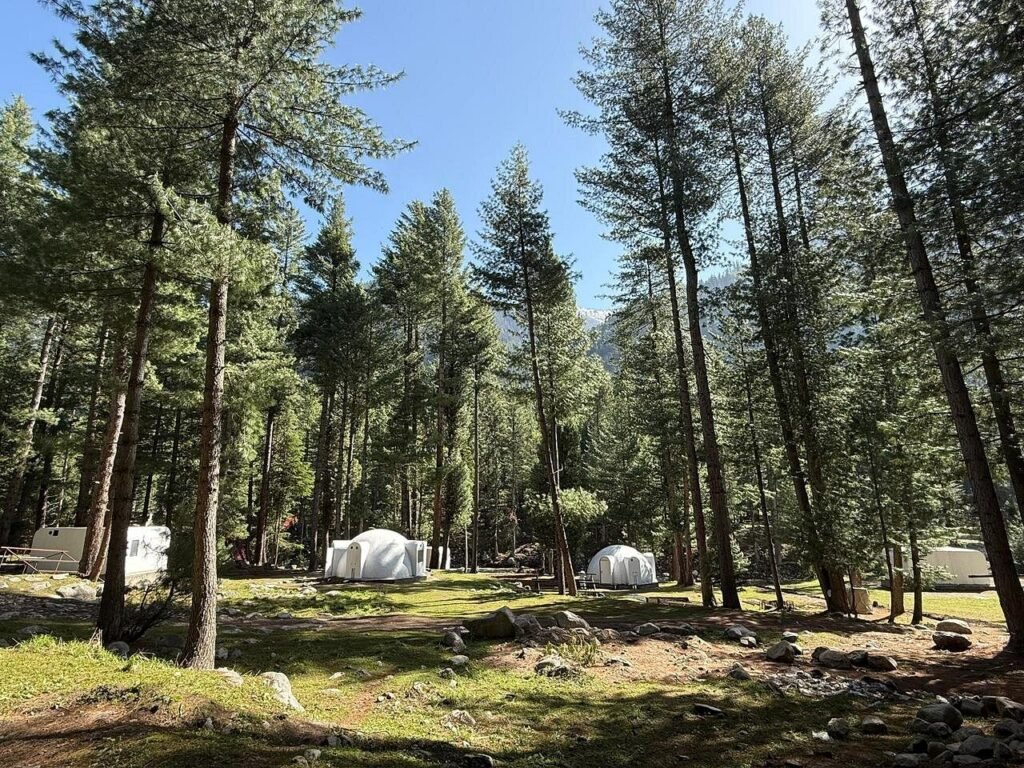
Kumrat Forest represents the valley’s defining feature, a vast expanse of towering pine, deodar, fir, and oak trees creating one of Pakistan’s most pristine forest ecosystems. This dense woodland stretches across the valley floor and climbs mountain slopes, creating a cathedral-like atmosphere where sunlight filters through ancient canopy creating patterns of light and shadow on the forest floor.
What makes it special:
The forest’s biodiversity is extraordinary, hosting numerous bird species, Himalayan wildlife including black bears and leopards, and an understory of ferns, wildflowers, and medicinal plants that have sustained local communities for centuries. Walking through Kumrat Forest feels like stepping into a primeval wilderness largely unchanged by human development.
Activities:
Forest walks and nature trails, bird watching (especially early morning), wildlife photography, camping under the canopy, collecting medicinal herbs with local guides, and simply breathing the pure mountain air saturated with pine fragrance.
Best time:
June through September when the forest is fully green and accessible. October offers spectacular autumn colors as leaves turn golden and red.
Photography tip:
Morning light (7-10 AM) creates the most dramatic forest scenes with sun rays penetrating the canopy creating ethereal atmospheric conditions perfect for photography.
2. Kund Banda Meadows – Alpine Paradise
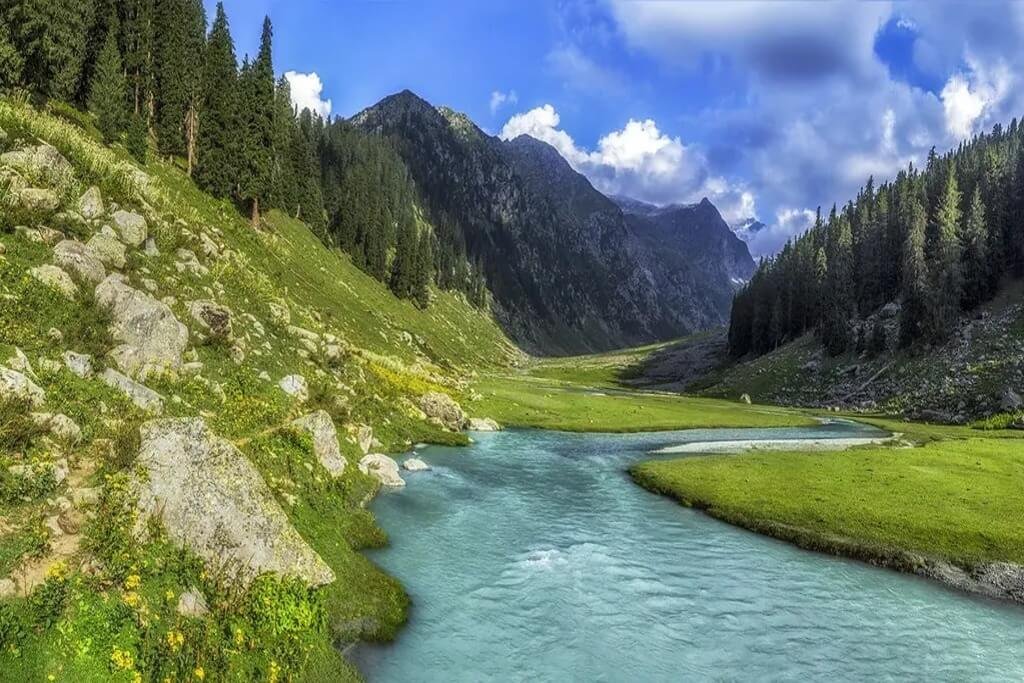
Kund Banda Meadows, situated at approximately 3,100 meters elevation, rank among the most spectacular alpine pastures in northern Pakistan. This high-altitude meadow represents quintessential Himalayan landscape, rolling green pastures dotted with wildflowers, traditional shepherd huts, grazing livestock, and panoramic mountain views that stretch in every direction.
What makes it special:
The meadow’s elevation creates an otherworldly atmosphere where clouds often roll through at ground level, creating surreal conditions where you’re literally walking through clouds with mountain peaks emerging from the mist. The sense of peace and isolation here is profound, far from any modern development or tourist infrastructure.
Activities:
Trekking to the meadows (2-3 hours from road head), horse riding across the pastures, camping overnight under starry skies, photography of meadow landscapes, cultural interaction with seasonal shepherds, and peak viewing from elevated vantage points.
Getting there:
Accessible via jeep track from Kumrat village (partially) then trekking the final section. Local guides available in Kumrat can arrange horses and camping equipment.
Don’t just stop in Thal for fuel and leave. Walk through the bazaar, look at the old wooden buildings, talk to the locals if you can. The hospitality here is real and the way of life hasn’t changed much in centuries. That alone makes it worth your time.
3. Thal Village Kumrat – Gateway to Paradise
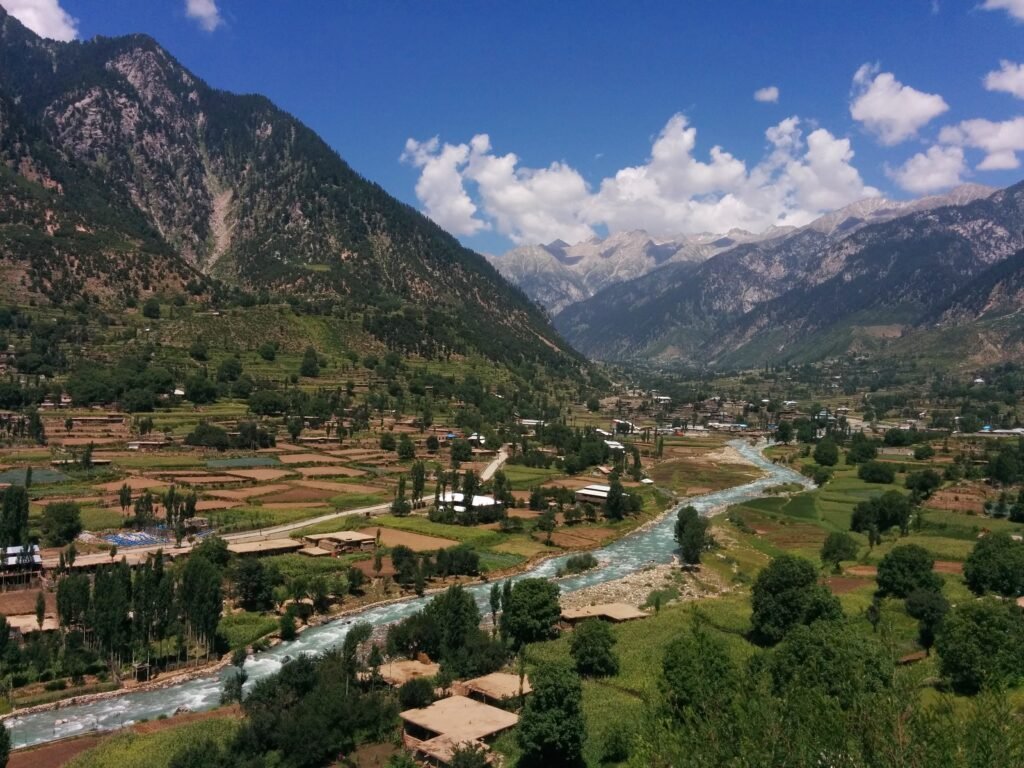
Thal Village serves as the primary access point and administrative center for Kumrat Valley tourism. This traditional Pashtun mountain village, located before the valley entrance, offers travelers their last opportunity for supplies, fuel, and modern amenities before entering Kumrat’s wilderness.
What makes it special:
Thal provides authentic cultural experiences, traditional wooden architecture, local bazaars selling mountain produce, warm hospitality from residents, and insight into centuries-old customs preserved in these remote mountains. The village itself sits in beautiful surroundings with the Panjkora River flowing nearby.
Activities:
Exploring the traditional bazaar, interacting with local communities, arranging guides and jeeps for Kumrat Valley, sampling local cuisine (particularly fresh trout and mountain bread), and visiting the historic mosque that has stood for centuries.
Practical importance:
Thal is where you’ll hire mandatory 4×4 jeeps for Kumrat Valley (regular cars cannot proceed beyond here), purchase entry permits, arrange camping equipment rentals, and confirm guide services. It’s essential to handle all logistics here before entering the valley.
4. Ancient Mosque Thal – Historical Heritage
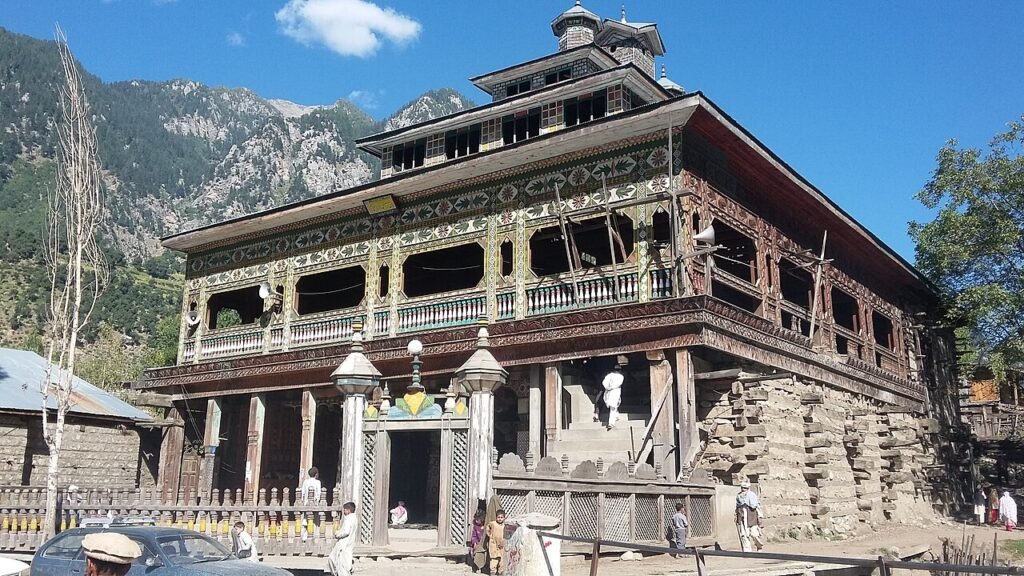
The Ancient Mosque in Thal stands as a testament to the region’s Islamic heritage, dating back several centuries.
The mosque is built entirely from wood and has been standing for generations. The carved pillars and detailed woodwork are done in the traditional Pashtun style and the whole structure has held up through decades of harsh mountain weather without losing any of its character.
What makes it special:
The mosque represents the spiritual and architectural heritage of Upper Dir’s mountain communities. Its construction using traditional methods without modern tools demonstrates the craftsmanship and engineering knowledge of earlier generations. The peaceful courtyard and surrounding cemetery tell stories of communities that have lived in these mountains for centuries.
Cultural significance:
Visiting the mosque (respectfully and outside prayer times) offers insight into the deep Islamic roots and cultural traditions that define this region. Local caretakers often share historical stories about the mosque’s construction and significance.
Visitor etiquette:
Dress modestly, remove shoes before entering, avoid visiting during prayer times, ask permission before photographing, and consider leaving a small donation for mosque maintenance.
5. Do Janga (Two Battles) – Historic Confluence
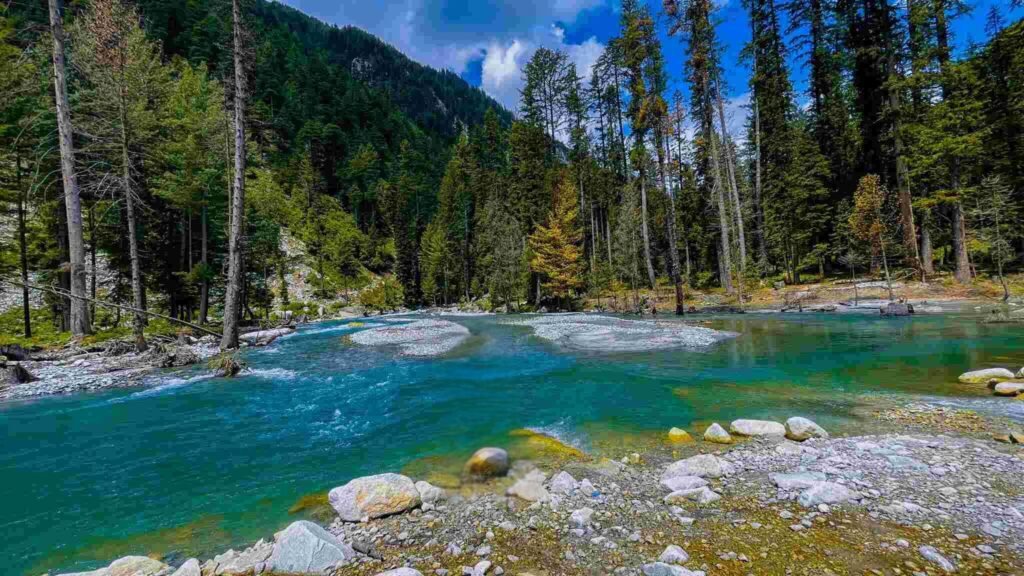
Do Janga means “Two Battles” in the local language and once you see it you understand why. It’s the point where two mountain streams crash into each other with real force. The water is loud, fast, and genuinely impressive to stand next to. The name refers to legends of historic tribal battles fought at this strategically important location.
What makes it special:
Do Janga really earns its name during snowmelt season. Between May and June the water volume shoots up and the confluence turns into something genuinely powerful. Steep cliffs drop down on both sides, thick forest closes in around you, and the sound of the water is constant. It’s the kind of place that makes you stop and just watch for a while.
Things to do here:
- Photograph the confluence from the banks — every angle works here
- Sit and picnic on the rocks during the quieter low water months
- Try fishing for trout in the calmer pools nearby
- Get your guide to tell you the local legends about this place — there are a few good ones
Stay safe:
The currents here can be genuinely dangerous particularly during snowmelt when the water is highest. Don’t get too close to the edge of the banks and never let kids wander near the water unsupervised. It looks beautiful but it moves fast.
Also Read: Best Time to Visit Swat Kalam Malam Jabba
6. Kumrat Waterfall – Nature’s Shower
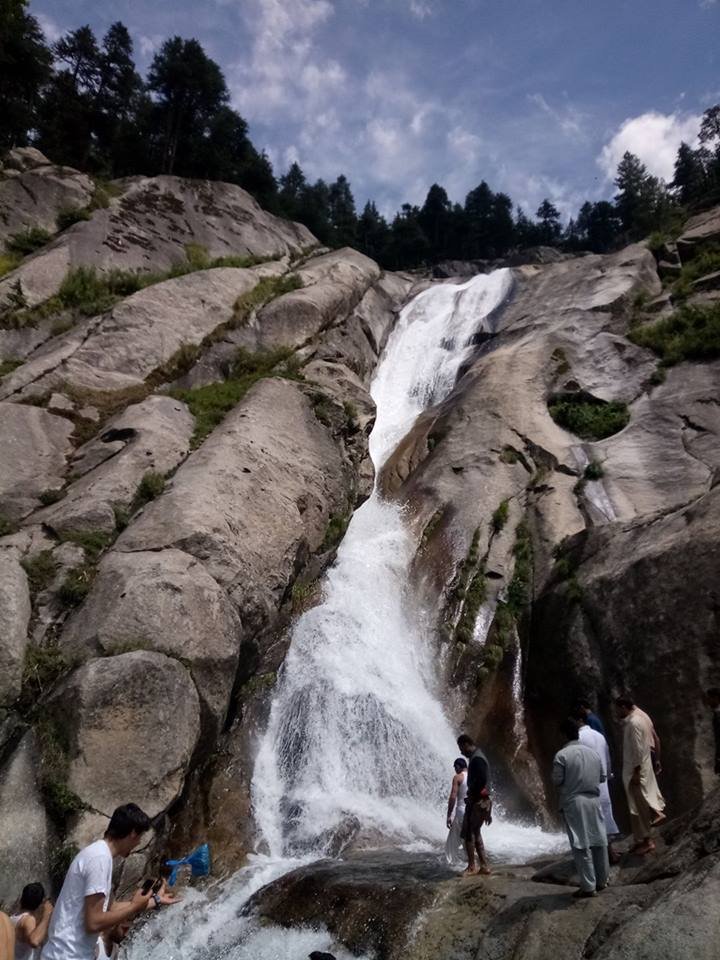
Kumrat Waterfall cascades down rocky cliffs into crystal-clear pools, creating one of the valley’s most photographed and visited attractions. Glacial melt and mountain springs keep the waterfall running all summer long. How much water comes down depends on how warm it’s been and how recently it rained.
What makes it special:
The waterfall’s accessibility combined with its beauty makes it a must-visit for all Kumrat travelers. The pool below the falls is popular for wading (though quite cold even in summer), and the surrounding rock formations create natural amphitheater-like settings perfect for relaxing and enjoying the continuous sound of falling water.
Activities:
Photography from multiple angles, wading in the pools (bring water shoes), picnicking on surrounding rocks, camping nearby (designated areas), and experiencing the refreshing spray on hot summer days.
Best time to visit:
Morning hours (8-11 AM) offer best lighting conditions for photography with sunlight illuminating the falling water creating rainbow effects in the spray.
7. Jahaz Banda Meadows – The Ship Meadow
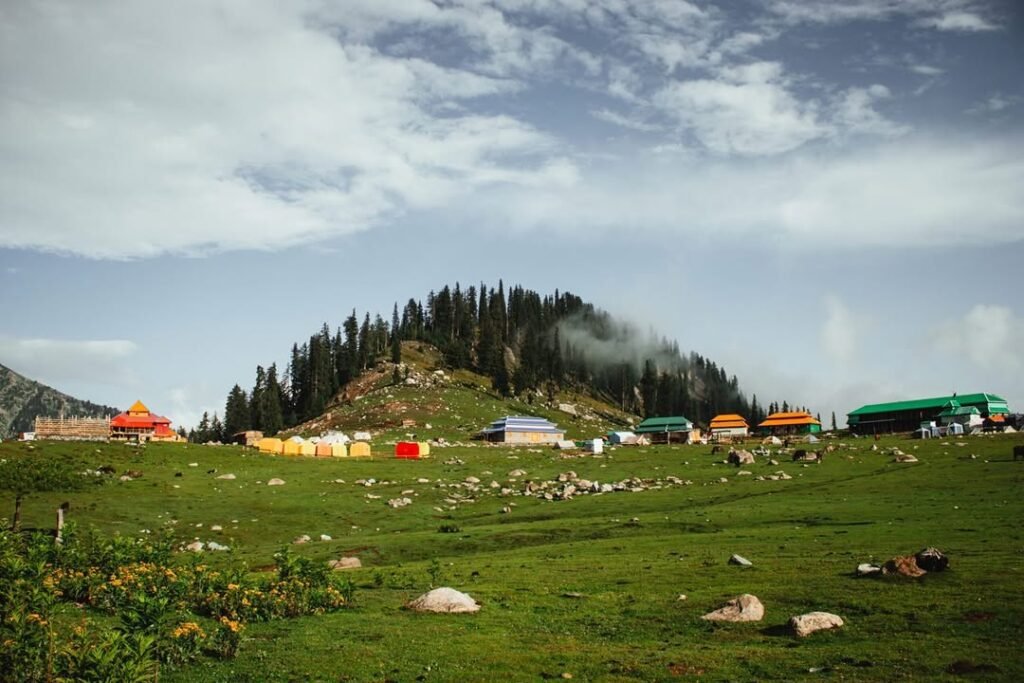
Jahaz Banda (literally “Ship Meadow”) earns its name from a distinctive rock formation resembling a ship’s hull that dominates this high-altitude pasture. Located at approximately 3,200 meters, this meadow offers one of Kumrat Valley’s most spectacular viewpoints with panoramic vistas across multiple mountain ranges.
What makes it special:
The combination of unique rock formations, expansive meadows, and exceptional mountain views creates a location of extraordinary beauty. The meadow serves as a traditional summer pasture for local shepherds, adding cultural dimension to the natural scenery with seasonal camps and grazing livestock.
Activities:
Multi-day trekking expedition to reach the meadow (typically 2 days from Kumrat village), camping overnight at the meadow, summit attempts on nearby peaks (with experienced guides), stargazing from high altitude with minimal light pollution, and cultural interaction with shepherds.
Trek difficulty:
Moderate to challenging, requires good fitness, proper trekking gear, and ideally previous hiking experience at altitude. Best attempted with local guides who know the route and can arrange camping logistics.
Planning a multi-day trek to Jahaz Banda?
Need help planning your trek to Jahaz Banda? Eventica Travels can help you sort out guides, porters, camping gear, and meals so your trip runs smoothly from start to finish.
8. Katora Lake – The Mountain Bowl
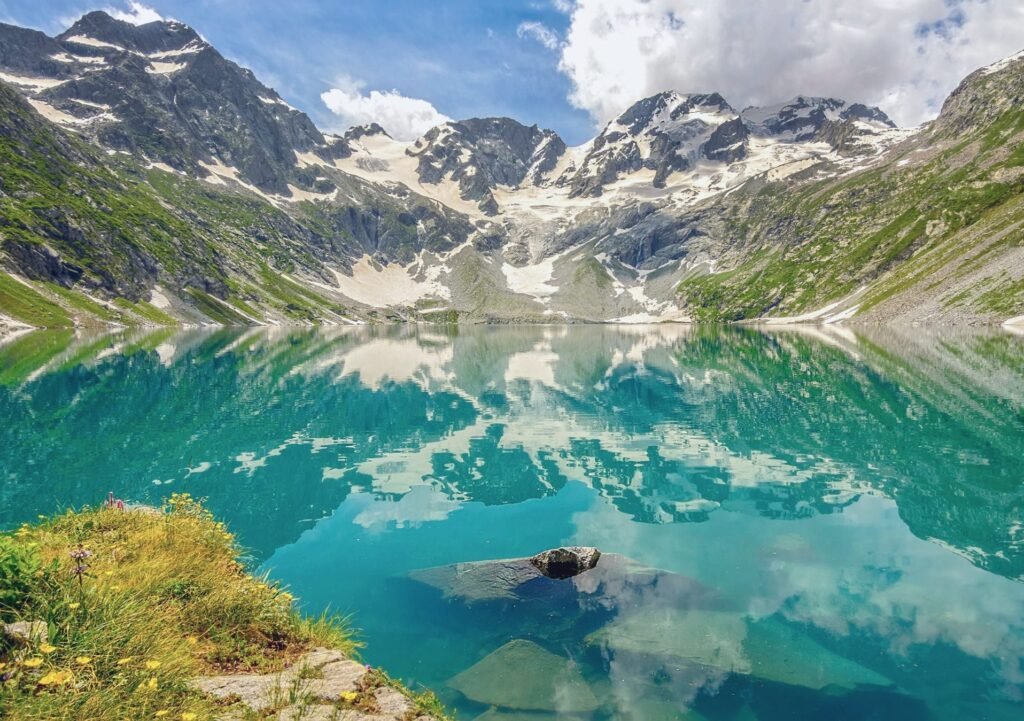
Katora Lake (katora meaning “bowl” in Urdu) sits cradled in a natural amphitheater of mountains at approximately 3,500 meters elevation. This pristine alpine lake, fed by glacial melt and mountain streams, displays the characteristic turquoise-green color of glacial lakes, surrounded by rocky terrain and seasonal snow patches even in summer.
What makes it special:
Katora Lake represents one of Kumrat Valley’s most challenging yet rewarding destinations. The trek to reach it passes through diverse terrain, forests, meadows, rocky scrambles, and the sense of achievement upon reaching this remote lake is immense. The pristine environment, crystal-clear water, and dramatic mountain backdrop create unforgettable scenes.
Activities:
Extended trekking expedition (typically 3-4 days round trip from Kumrat village), high-altitude camping near the lake, summit photography, fishing for native trout species, and experiencing complete wilderness isolation far from any human development.
Trek requirements:
This is a challenging high-altitude trek requiring excellent fitness, proper gear including warm clothing and sleeping equipment, experienced guides, porter support for equipment, and several days’ food supplies. Only for serious trekkers and adventure enthusiasts.
9. Kala Chashma – The Black Spring
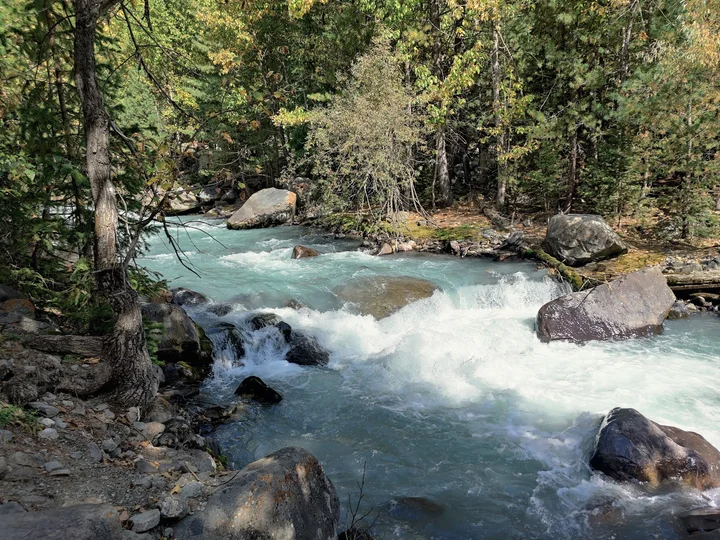
Kala Chashma (Black Spring) refers to a natural spring emerging from dark rocks, creating a distinctive water source that locals believe possesses medicinal properties. The spring’s mineral-rich water flows year-round, creating lush vegetation around it even during dry periods.
What makes it special:
Beyond the spring itself, Kala Chashma occupies a beautiful location surrounded by dense forest with traditional shepherd paths leading to higher pastures. The site holds cultural significance for local communities who have relied on the spring for generations, attributing healing properties to its mineral water.
Activities:
Short hiking to reach the spring, filling water bottles with the fresh mountain water, picnicking in the surrounding forest glade, photography of the spring and surrounding vegetation, and learning about local beliefs and traditions associated with the spring from guides.
Cultural note:
Locals treat the spring with reverence, visitors should respect this by not polluting the water, not bathing in the spring itself, and maintaining the cleanliness of the surrounding area.
10. Panjkora River Kumrat Valley – Emerald Lifeline
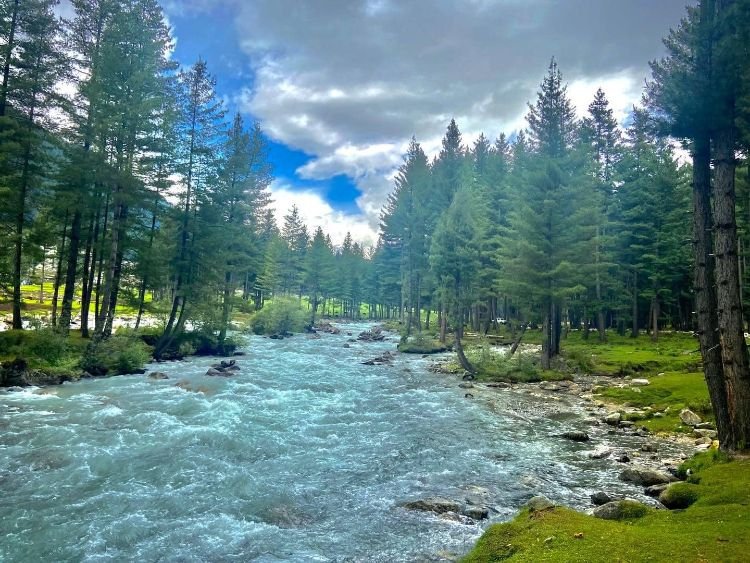
The Panjkora River flows through Kumrat Valley creating its defining feature, the crystal-clear emerald-green water that gives the valley much of its character and beauty. The river gets its water from melting glaciers, mountain springs, and small tributaries feeding into it. That mix is what keeps the color so vivid all through summer and against the dark forest and rocky mountains around it the contrast is striking.
What makes it special:
The Panjkora’s unusual green color, caused by glacial flour (fine sediment) suspended in the water, creates a visual spectacle unlike rivers elsewhere in Pakistan. The riverbanks provide numerous spots for camping, fishing, and simply enjoying the continuous sound of flowing water. The river ecosystem supports trout populations and diverse bird species.
Activities:
Riverside camping at designated areas, trout fishing (season permitting with proper permits), photography of the distinctive green water, wading and swimming in calmer pools (water is cold even in summer), riverside picnicking, and following riverside trails deeper into the valley.
Photography tip:
Overcast days or indirect lighting conditions showcase the river’s green color most dramatically. Direct harsh sunlight can wash out the distinctive hue.
11. Badgoi Pass – Gateway to Adventure
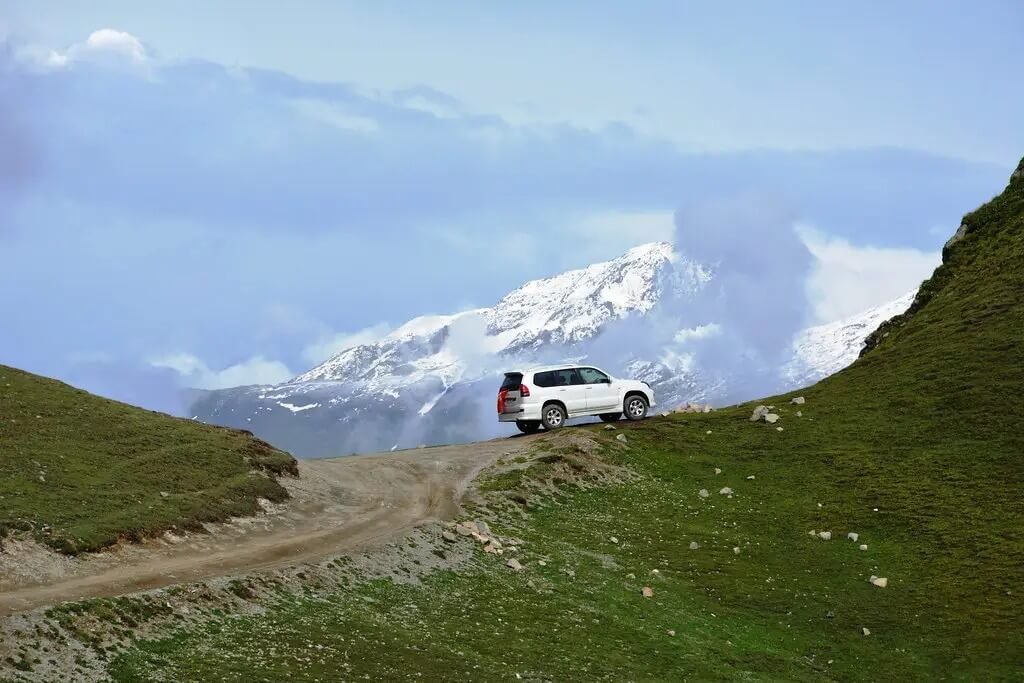
Badgoi Pass (approximately 4,200 meters) represents one of Kumrat Valley’s highest accessible trekking objectives, connecting Kumrat to neighboring valleys and offering experienced trekkers one of northern Pakistan’s most challenging yet rewarding high-altitude experiences.
What makes it special:
The pass provides panoramic views across multiple mountain ranges, glaciers, and valleys from its high-altitude vantage point. Crossing Badgoi is not something you attempt casually. It needs real technical skill, the right equipment, and a good weather window. Getting across successfully is a genuine accomplishment and most experienced trekkers will tell you it earns its reputation.
Activities:
Multi-day expedition trekking (typically 4-5 days minimum), high-altitude camping, and glacier crossing experience, summit photography from the pass, and experiencing extreme mountain environments where few travelers venture.
Requirements:
This is for experienced trekkers only, requires excellent fitness, altitude acclimatization, proper mountaineering equipment including ice axes and crampons during early season, experienced guides familiar with the route, porter support, and comprehensive trip planning including emergency protocols.
Best season:
July-August when snowpack is most consolidated and weather is most stable, though conditions can still be challenging even during optimal months.
Also Read: Ultimate Guide to Naltar Valley: Attractions, Weather, Hotels & Travel Tips
Kumrat Valley Tourist Attractions: Practical Information
Best Time to Visit Kumrat Valley
Peak season:
July-August offers warmest weather, full accessibility, and most stable conditions for trekking and camping.
Shoulder season:
June and September provide excellent conditions with fewer tourists, though early June may still have snow at higher elevations and late September brings cooler temperatures.
Closed season:
October-May, the valley becomes inaccessible due to heavy snowfall and road closures.
How to Reach Kumrat Valley
From Islamabad:
- Distance: Approximately 320 kilometers
- Time: 8-10 hours
- Route: Islamabad → M-1 Motorway → Dir → Thal → Kumrat Valley
Transportation requirements:
- 4×4 vehicles mandatory from Thal to Kumrat Valley
- Private vehicle or hire jeep in Thal (PKR 15,000-20,000 for full day)
- Road is rough and requires experienced drivers
Travel made easy: Eventica Travels provides complete transportation from Islamabad to Kumrat Valley in comfortable 4×4 vehicles with experienced mountain drivers who know every turn and challenge of this remote route!
Entry Permits and Fees
Entry permits required from Forest Department at Thal checkpoint. Fees vary by vehicle type and nationality (Pakistani vs. foreign visitors). Current rates and regulations available at checkpoint.
Accommodation Options
Camping: Most popular option, designated camping areas throughout the valley. Bring complete equipment or rent in Thal.
Basic guesthouses: Limited very basic accommodation available in Thal and occasionally in Kumrat village during peak season.
Forest rest houses: Government rest houses exist but require advance booking through Forest Department.
Safety and Travel Tips
✅ Travel in groups for safety in remote areas
✅ Hire local guides for trekking beyond main valley
✅ Carry sufficient cash, no ATMs or card facilities
✅ Download offline maps, mobile signals unreliable
✅ Pack warm clothing even in summer, nights are cold
✅ Bring first-aid supplies and basic medications
✅ Respect local culture, dress modestly
✅ Practice leave-no-trace camping, carry all trash back
✅ Inform family/friends of your itinerary before entering valley
Experience Kumrat Valley with Eventica Travels
Planning a trip to Pakistan’s remote wilderness valleys requires local expertise, proper logistics, and reliable support, exactly what Eventica Travels specializes in providing. Our comprehensive Kumrat Valley packages ensure you experience the best things to do in Kumrat Valley while enjoying complete safety, comfort, and expert guidance.
Why Choose Eventica Travels for Your Kumrat Adventure?
✅ Expert Local Guides: Our Kumrat-experienced guides know every trail, viewpoint, and hidden gem
✅ Complete Logistics: We handle permits, 4×4 vehicles, camping equipment, and all arrangements
✅ Safety First: Trained guides, emergency protocols, and comprehensive support throughout
✅ Quality Camping Gear: Professional-grade tents, sleeping bags, and cooking equipment
✅ Flexible Itineraries: Customizable packages matching your fitness level and interests
✅ Small Groups: Maximum 10 travelers for personalized attention and authentic experiences
✅ Cultural Connection: Our guides facilitate meaningful interactions with local communities
✅ Photography Support: We know the best spots and optimal timing for stunning images
Featured Kumrat Valley Tour Packages
07 Days & 06 Nights Private Tour Chitral & Kumrat
Family-friendly package with comfortable pacing and age-appropriate activities.
Highlights:
- Day 01: Drive from Islamabad to Kumrat with stopovers in Chakdara, Timargarah & Thal.
- Day 02: Explore Kumrat Waterfall, Kala Chashma, Forest & Panjkora River.
- Day 03: Travel to Chitral via Upper Dir, Lowari Tunnel, Nagar & Ayun.
- Day 04: Visit Garam Chashma, Chitral Fort, Shahi Mosque and local sights.
- Day 05: Day trip to the scenic Qaqlasht Meadows and Chitral Bazar.
- Day 06: Jeep ride to Kalash; explore Bumburet Valley and Kalasha culture.
- Day 07: Return to Islamabad via Lowari Tunnel with scenic stopovers.
Includes:
- AC Luxury Transport with fuel, tolls & parking included.
- Professional Driver with meals & stay covered.
- Accommodation.
- Daily Breakfast Included.
- 4×4 Willy Jeep for Kumrat.
- 4×4 Willy Jeep for Kalash.
- 24/7 Travel Support throughout the trip.
📞Book Your Kumrat Valley Adventure Today
Also Read: Pakistan Travel Safety for Tourists: The Complete & Honest Guide 2026
Kumrat Valley Awaits Your Discovery
Kumrat Valley represents everything authentic adventure travel should be, stunning natural beauty unmarred by commercialization, genuine wilderness experiences, traditional mountain culture, and the satisfaction of reaching somewhere genuinely remote and special. The best places to visit in Kumrat Valley offer diversity that keeps every day interesting, from riverside relaxation to challenging high-altitude trekking, from ancient forests to alpine meadows that seem to touch the sky.
As one of Pakistan’s last great wilderness valleys still accessible to determined travelers, Kumrat deserves protection and respectful visitation. Every traveler who visits carries responsibility to preserve this pristine environment for future generations, through responsible camping, cultural sensitivity, environmental protection, and spreading awareness of this extraordinary valley’s fragile beauty.
Ready to explore Pakistan’s emerald paradise? Whether you’re planning a weekend camping trip or an extended trekking expedition, partnering with Eventica Travels ensures your Kumrat Valley adventure combines thrilling experiences with complete safety and expert guidance. Our local knowledge, proven logistics, and commitment to sustainable tourism make us Pakistan’s trusted partner for wilderness adventures.
Pack your bags, gather your adventurous friends, and prepare for an unforgettable journey into one of Pakistan’s most spectacular mountain valleys. Kumrat Valley is calling, and Eventica Travels is ready to answer that call with you!
Note: All information current as of 2026. Always verify current road conditions, permit requirements, and safety advisories before travel. Kumrat Valley is accessible only June-September, plan accordingly!