
Some places are famous for their size. Others are famous for their beauty. But a few places become special because of how they mix history, nature, and atmosphere together. Kharpocho Fort is one of these special places. It sits on a rocky hill 200 meters above Skardu city. This fort was built in the 16th century. It does not just teach you about history. It also gives you one of the best views in all of Gilgit-Baltistan. From here, you can look across the Indus River valley toward the mountains near K2.
Kharpocho Fort Skardu has stood guard over this valley for five hundred years. It has watched the rule of Baltistan’s kings, the passing of traders on old Silk Road routes, and now, adventure tourists who come to discover that Pakistan’s northern areas offer something truly different from anywhere else in the world. The fort has faced time and weather, but its basic structure still stands strong. This makes it one of the region’s most rewarding places to visit.
This Kharpocho Fort Travel Guide covers everything you need to know before your visit. You will learn about its Kharpocho Fort history, and also practical details like the hike, ticket prices, timings, and what to expect from one of Skardu’s most memorable attractions.
What Is Kharpocho Fort?
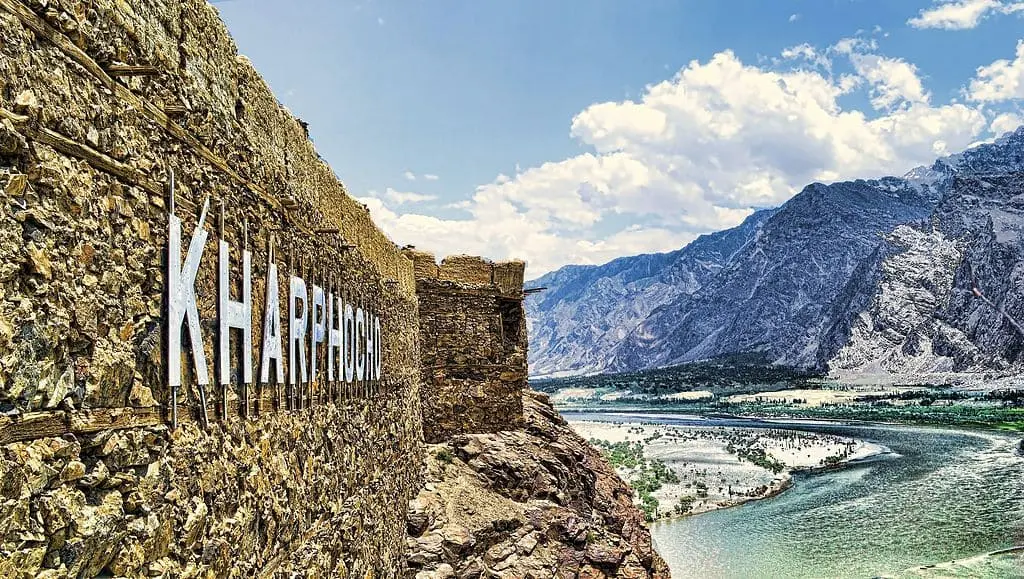
Kharpocho Fort is an old fort on a mountain above Skardu city in Gilgit-Baltistan, Pakistan. The name “Kharpocho” comes from the Balti language, “Khar” meaning fort and “Pocho” meaning “king of forts”, a title that shows the fort’s strong, high position and its importance as the main fort of Baltistan’s ruling families.
The fort sits on top of a rocky hill that rises sharply from the Skardu Valley floor, and this gave it a strong spot to defend, one that any old-time army leader would agree was a smart choice. The land around it drops steeply on many sides, making the top hard to attack and easy to defend. This is why this particular rock was chosen for a fort, and why that fort stayed important for centuries.
The fort itself, mainly built in the 16th century under the Maqpon dynasty with more parts added later, has many chambers, towers, walls, and viewpoints across the rocky hilltop. While time and weather have turned some parts into rubble, many parts are still standing, walls, towers, and chambers that are worth exploring and help visitors see how the fort was built and used.
Kharpocho Fort Pakistan is one of the best-kept old forts in Gilgit-Baltistan. This matters because this region’s harsh climate and remote location have left many other historical structures in worse condition. Being well-kept and having an amazing setting makes it one of the best history sites to visit in northern Pakistan.
Where Is Kharpocho Fort Located?
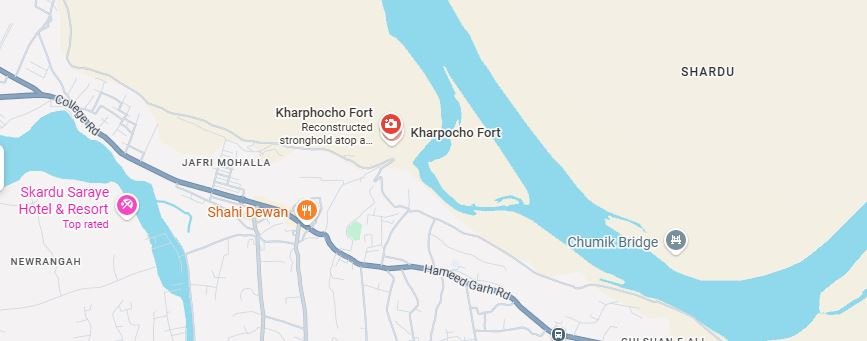
Kharpocho Fort location places it directly above Skardu city in Skardu District, Gilgit-Baltistan province. The fort sits on a rocky hill approximately 200 meters above the city, visible from multiple points throughout Skardu and its surrounding valley.
Geographic specifics:
- Coordinates: Approximately 35.2971° N, 75.6403° E
- Elevation: Approximately 2,500 meters (the fort itself above Skardu’s 2,228-meter elevation)
- Position: On the northern bank of the Indus River, overlooking the broad Skardu Valley
Distance from key locations:
- Skardu city center: 2-3 kilometers (15-20 minutes drive or 1-1.5 hours hike)
- Skardu Airport: Approximately 8 kilometers
- Islamabad: Approximately 700 kilometers (fly to Skardu via PIA)
- Gilgit: Approximately 180 kilometers (3-4 hours drive)
Kharpocho Fort location places it directly above Skardu city in Skardu District, Gilgit-Baltistan province. The fort sits on a rocky hill approximately 200 meters above the city, visible from multiple points throughout Skardu and its surrounding valley.
Geographic specifics:
- Coordinates: Approximately 35.2971° N, 75.6403° E
- Elevation: Approximately 2,500 meters (the fort itself above Skardu’s 2,228-meter elevation)
- Position: On the northern bank of the Indus River, overlooking the broad Skardu Valley
Distance from key locations:
- Skardu city center: 2-3 kilometers (15-20 minutes drive or 1-1.5 hours hike)
- Skardu Airport: Approximately 8 kilometers
- Islamabad: Approximately 700 kilometers (fly to Skardu via PIA)
- Gilgit: Approximately 180 kilometers (3-4 hours drive)
The fort sits high above the city, so it’s not something you visit once and forget. You’ll spot it again and again during your time in Skardu, from the bazaar, from the riverbanks, from the road toward Shigar, and from other points around the valley.
This constant view builds a kind of natural curiosity. You’ll find yourself looking up at the fort more than once, until eventually you decide it’s time to climb up and see it for yourself.
History of Kharpocho Fort
Origins and Foundation
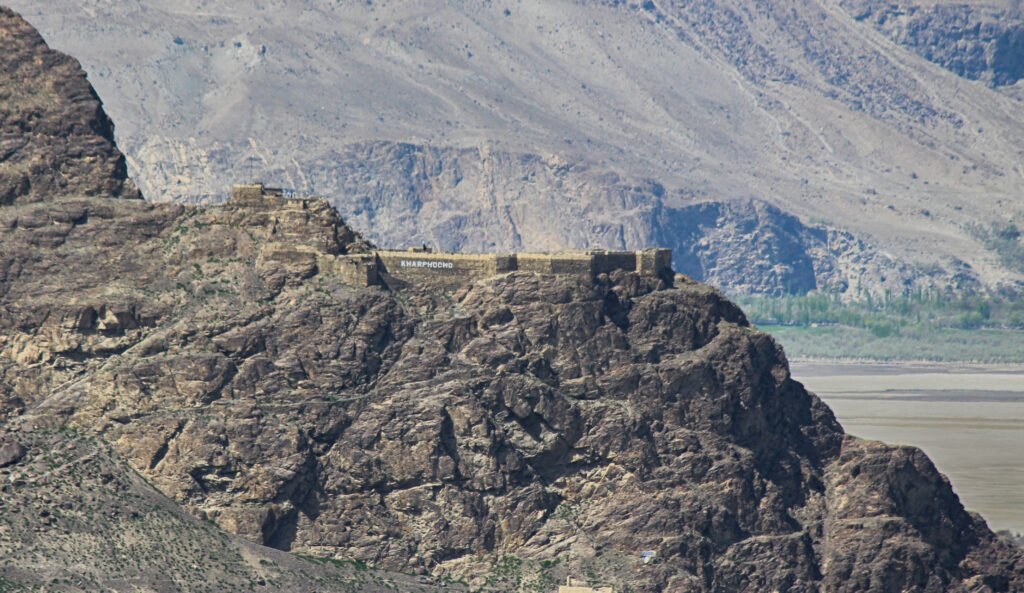
Kharpocho Fort’s history in Skardu traces back to the Maqpon dynasty, the family that held power over Baltistan from roughly the 14th century onward. No other ruling house in the region came close to matching their independent strength. The fort itself, at least the bulk of what stands today, was built by Ali Sher Khan Anchan, a name still spoken with real respect in Baltistan. He took the existing structure and expanded it significantly in the early 1500s, turning it into something far sturdier than what came before.
His time in power, roughly 1560 to 1624, is often looked back on as the peak of Baltistan’s political history. He kept the Mughals at bay without giving up ground, pushed Balti territory outward through conquest, and left behind buildings and cultural work that people in the region still point to today. Kharpocho Fort sat right at the center of his rule. It’s where the kingdom was actually governed from and where his military was based, right through the height of Baltistan’s power.
Kharpocho Fort’s story in Skardu goes back to the Maqpon dynasty, the family that ran Baltistan from roughly the 14th century onward and built the region’s strongest independent rule. Most of the fort as it stands now came from Ali Sher Khan Anchan, one of Baltistan’s most respected rulers, who expanded and strengthened it in the early 16th century.
Ali Sher Khan Anchan ruled from around 1560 to 1624, and that stretch marks one of the strongest periods in Baltistan’s political history. He held off Mughal pressure without losing his grip on the region, pushed Balti influence into new territories, and left behind cultural and architectural work that still shapes the area today. Kharpocho Fort worked as his base for both administration and defense, the spot from which Baltistan was actually governed during this high point in its history.
Strategic Importance
The fort’s location above the Skardu Valley’s confluence points wasn’t an accident. This spot controlled the junction of trade and military routes linking Central Asia, Ladakh, Kashmir, and Hunza. Whoever held Kharpocho Fort held control over one of the region’s most important geographic points.
Caravans moving along the Silk Road routes through this region would have looked up and seen the fort both as a landmark and as a reminder of who was in charge. From up there, the garrison could watch river traffic, spot approaching parties from far off, and move quickly to deal with threats coming from any direction.
Mughal Conflicts
The fort saw direct Mughal involvement when Emperor Akbar’s forces tried to bring Baltistan under Mughal control. Ali Sher Khan Anchan pushed back against that pressure, and the fort stood as physical proof of that resistance. It’s one of the region’s most cherished historical memories. Mughal power eventually gained nominal authority over Baltistan anyway, but Kharpocho’s part in keeping Balti resistance alive still lives on in local memory.
Later History
After the Maqpon dynasty fell, the fort changed hands several times as Baltistan’s political story continued through Sikh rule, then Dogra rule, and eventually came under Pakistani authority. Each period left something behind, including additions, changes, and in some cases deliberate damage to the structure.
The fort was slowly left behind as its military purpose faded with new technology and shifting politics. Years of rough Karakoram weather, with no regular upkeep, have worn down some parts while leaving others in surprisingly good shape, a sign of how well it was originally built.
Heritage Recognition
People today recognize Kharpocho Fort’s historical and cultural value, and it has drawn some conservation interest, though it hasn’t seen the full restoration that Baltit or Altit forts in Hunza received. The fort still looks its age, solid but clearly worn down, and many visitors actually prefer that. It keeps a sense of real history that over-restored buildings often lose.
How to Reach Kharpocho Fort
From Skardu City
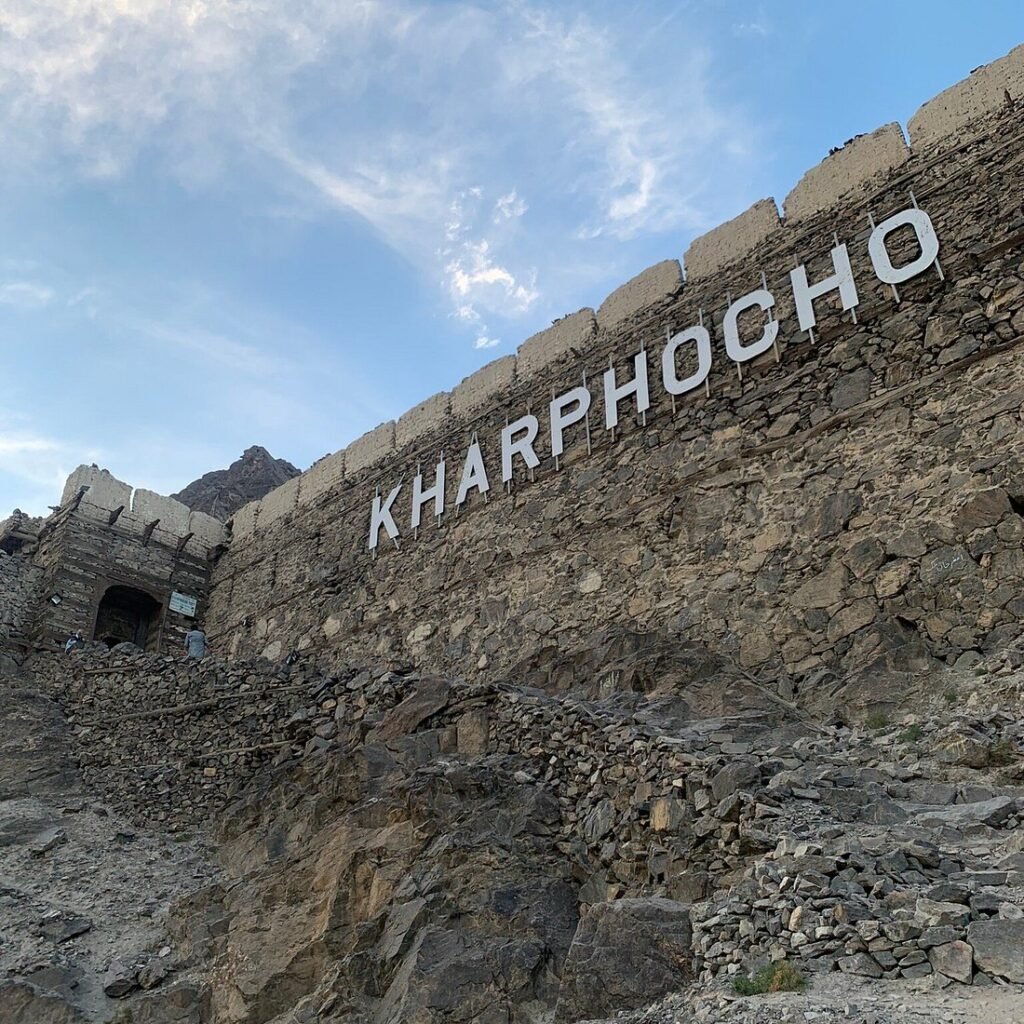
By road to the base: Vehicles can reach the fort’s lower approach from Skardu city in 15-20 minutes. The route follows the main Skardu road and then takes a turn toward the hill on which the fort sits. Local drivers know this route well; asking for “Kharpocho Fort” will direct any taxi or hired car appropriately.
Hiring transport in Skardu: Taxis and private cars are available throughout Skardu city for hire. Rates to Kharpocho Fort base should run approximately PKR 300-500 per trip. Many visitors combine a Kharpocho Fort visit with other Skardu-area destinations in a half-day or full-day hired vehicle arrangement.
Getting to Skardu
By Air: PIA operates flights between Islamabad and Skardu Airport (approximately 1 hour, highly weather-dependent). The spectacular flight, passing close to Nanga Parbat, Rakaposhi, and other major peaks on clear days, is itself an extraordinary experience. Book flexible tickets as weather cancellations are frequent.
By Road from Islamabad: Approximately 700 kilometers via Karakoram Highway through Gilgit (19-22 hours driving). Most visitors break this into two days, overnighting in Chilas or Gilgit. The road journey, while long, provides extraordinary scenery throughout.
By Road from Gilgit: Approximately 180 kilometers (3-4 hours) through increasingly dramatic Karakoram scenery.
Also Read: Basho Valley Skardu: Complete Travel Guide to a Himalayan Paradise
Kharpocho Fort Hike
The Trail
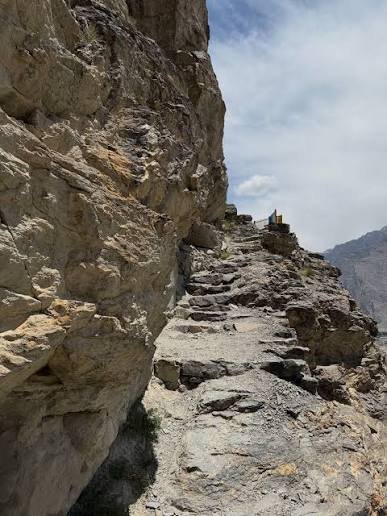
The Kharpocho Fort hike is how most visitors reach the top. The trail climbs about 200 meters from the road or parking area up to the fort’s main entrance, covering roughly 1.5 to 2 kilometers of switchbacks along the hill’s rocky surface.
Trail character: The path is easy to follow and well-worn. Hundreds of years of people walking it have carved out a clear route. Some parts have loose rocks, so you need to watch your step, while other parts have stone steps built in to make the steeper bits easier. The trail isn’t technical or risky, but you’ll need good shoes and a basic level of fitness to handle it.
Kharpocho Fort Hike Difficulty
Overall difficulty: Moderate
For visitors with basic fitness and appropriate footwear, the hike is entirely manageable. The altitude at Skardu (already 2,228 meters) means any additional elevation gain involves thinner air than lowlanders are accustomed to, pace yourself accordingly.
Factors affecting difficulty:
- Altitude: Starting at 2,228 meters means the hike occurs at altitude where some visitors feel breathlessness earlier than expected
- Surface: Rocky, uneven terrain in sections requires attention
- Heat: Summer afternoon temperatures can make the exposed climb uncomfortable, early morning or late afternoon visits are more pleasant
- No shade: The hill has minimal tree cover, meaning full sun exposure throughout the climb in clear weather
Duration: Most visitors complete the ascent in 45-75 minutes depending on fitness, pause frequency, and photography stops. Descent takes 30-50 minutes. Total hike time: 1.5-2.5 hours excluding time spent exploring the fort summit.
Kharpocho Fort Trek Access Notes
The Kharpocho Fort trek can be extended by combining the fort visit with walks along the ridge above and behind the fort, offering different perspectives on the valley and surrounding mountains. These extensions are unstructured, no formal trail, but the open terrain makes navigation straightforward for those comfortable with basic mountain walking.
Footwear recommendation: Hiking shoes or sturdy sneakers with ankle support. Sandals or dress shoes are inappropriate and create genuine risk on the rocky sections.
Best Time to Visit Kharpocho Fort
Spring (April-June) – Excellent

Spring offers ideal Kharpocho conditions, pleasant temperatures (15-25°C in Skardu), clear skies, and the bonus of cherry and apricot blossoms in the surrounding valley creating beautiful contrast with the fort’s ancient stones. Visibility is generally excellent, and the valley scenery visible from the fort is at its most colorful.
Summer (July-August)
Peak tourist season in Skardu means more visitors, but the fort rarely feels overcrowded even during summer maximum. Temperatures are warm (20-30°C in the valley) making the exposed hike more demanding, early morning visits (before 9:00 AM) are strongly recommended in summer to avoid midday heat on the open slope.
Autumn (September-October) – Best Overall
The best time to visit Kharpocho Fort for most visitors combines optimal conditions: post-monsoon atmospheric clarity delivers exceptional visibility, temperatures are comfortable (10-22°C), tourist numbers are reduced from summer peak, and the quality of autumn light on both the fort’s stonework and the surrounding landscape is extraordinary. September specifically provides excellent balance of accessibility and conditions.
Winter (November-March)
Winter Skardu is cold (temperatures drop well below freezing) but the fort remains technically accessible in good winter weather. Snow on the surrounding mountains creates dramatic photography conditions with the fort’s weathered stonework against white peaks. Footwear with appropriate grip is essential on potentially icy trail sections. Most Skardu visitor facilities remain open year-round, though at reduced capacity.
Kharpocho Fort Ticket Price
Kharpocho Fort Ticket Price 2026
Entry to Kharpocho Fort typically requires a nominal entrance fee collected at the access point. Current pricing (subject to annual revision):
| Category | Fee (PKR) |
| Pakistani Adults | 200 |
| Foreign Tourists | 500 |
| Children (under 12) | Free or nominal |
| Photography fee (if applicable) | 100-200 |
Important note: Fees at heritage sites in Gilgit-Baltistan are subject to revision by provincial tourism authorities. Verify current Kharpocho Fort ticket price at the site entrance or through current traveler reports before visiting.
Kharpocho Fort Timings
The fort is generally accessible during daylight hours, typically 8:00 AM to 6:00 PM during summer and 9:00 AM to 5:00 PM during winter months. There is no formal closing during mid-day as found at some heritage sites. However, visiting during extreme heat (summer midday) or after dark is inadvisable for safety reasons.
Optimal visiting times:
- Sunrise to 10:00 AM: Excellent light for photography, comfortable temperature for the hike, often completely uncrowded
- 4:00 PM to sunset: Golden hour light creates the fort’s most photogenic conditions, temperatures moderate after afternoon heat
Also Read: Passu Cones Travel Guide
Things to Do at Kharpocho Fort
Explore the Fort Structures
The summit contains multiple chambers, walls, towers, and passages worth systematic exploration. The main structure includes audience rooms, storage spaces, guardrooms, and observation posts that together reveal the fort’s functional layout. Examining construction details, the cut stonework, timber beams (some original, others replaced), carved elements, connects visitors to the craftsmanship of 16th-century Balti builders.
Summit Photography
The combination of ancient fort stonework, dramatic sky, and extraordinary valley views creates photography opportunities that professional landscape photographers specifically seek out. The fort’s irregular rooflines silhouetted against mountain backdrops, the Indus River catching light far below, the old city visible beneath, compositions present themselves constantly.
Historical Contemplation
Standing where Ali Sher Khan Anchan surveyed his kingdom, where centuries of rulers made decisions affecting thousands of lives, where Silk Road caravans were monitored and trade controlled, this historical connection is Kharpocho’s most profound offering. Allow time for quiet reflection rather than filling every moment with photography.
Watch the Sunset
The fort’s position and westward-facing aspects make it an exceptional sunset viewing point. As evening approaches and the valley fills with shadow while peaks remain brilliantly lit, the scene below becomes extraordinary. Plan to descend after sunset is complete, not during darkness when the trail requires visibility.
Spot Local Wildlife
The rocky terrain around the fort hosts various bird species and reptiles that appreciate the sun-warmed rocks. Eagles and hawks occasionally soar above the fort using thermal updrafts from the heated hillside. The natural environment around the fort rewards patient observation.
Best Views from Kharpocho Fort
The Skardu Valley Panorama
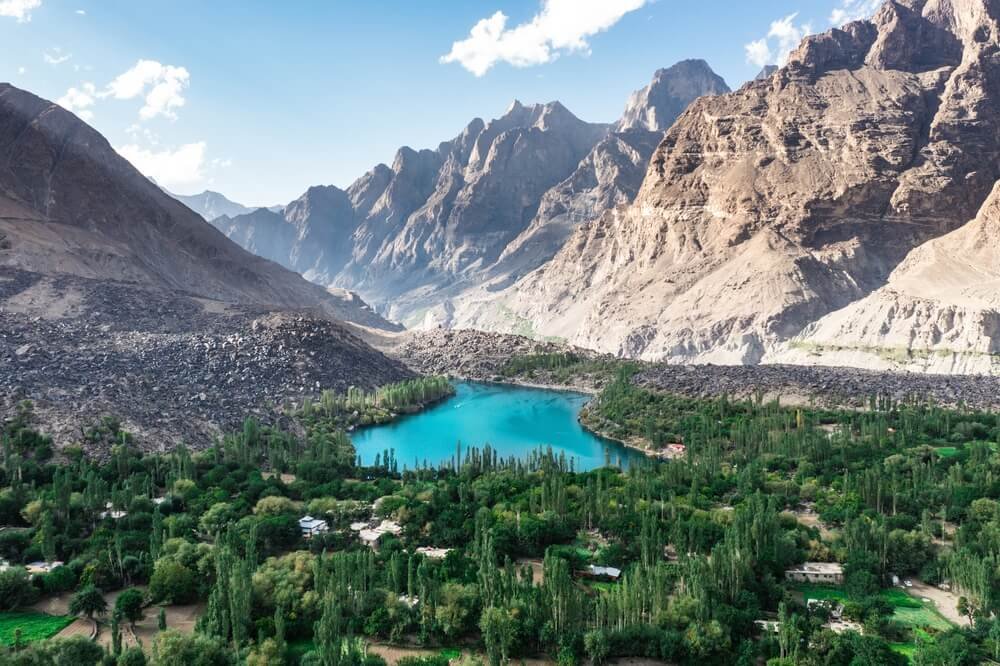
From the fort’s highest points, the Skardu Valley spreads in remarkable breadth, the wide Indus River plain, the city’s modern development contrasting with ancient landscape, agricultural areas patterned with irrigation channels, and the surrounding mountains framing everything.
Indus River Views
The Indus River below the fort, flowing from east to west through Skardu’s valley, appears as a silver thread from the fort’s height, its scale only apparent from the tiny trucks visible on riverside roads. The river’s course provides natural compositional lines for landscape photography.
Mountain Horizons
On clear days, the fort offers views toward the mountain ranges that include K2’s broader massif. The Karakoram’s characteristic skyline, serrated, dramatic, impossibly vertical, creates a backdrop to the valley panorama that photography struggles to contain in a single frame.
The City Below
Looking down at Skardu from the fort’s height reveals the city’s layout in ways impossible from ground level, the bazaar, residential neighborhoods, the river, airport, and surrounding development become comprehensible as a whole rather than experienced as disconnected streets.
Places to Visit Near Kharpocho Fort
Skardu Bazaar
The main bazaar below the fort serves as Skardu’s commercial and social heart. Traditional shops selling locally crafted items, expedition equipment, dried fruits (Skardu’s famous apricots), and everyday goods create an authentic market atmosphere worth exploring before or after the fort visit.
Satpara Lake
Located approximately 8 kilometers from Skardu city, Satpara Lake’s vivid blue water surrounded by rocky mountains represents one of Skardu’s finest natural attractions. The lake serves as Skardu’s water reservoir while also providing excellent fishing and boating. Combining Kharpocho Fort with Satpara Lake makes an excellent Skardu half-day combination.
Upper Kachura Lake (Fro Tso)
Upper Kachura Lake, also called Fro Tso, is a hidden lake above Shangrila Resort, smaller than Lower Kachura but equally beautiful and significantly less visited. The short hike to the lake rewards with turquoise water reflecting surrounding peaks.
Shangrila Resort (Lower Kachura Lake)
Pakistan’s famous “Heaven on Earth”, the Lower Kachura Lake at Shangrila Resort features the iconic aircraft-restaurant on the water. The turquoise lake in its mountain setting is one of Pakistan’s most photographed landscapes. 30 minutes from Skardu city.
Deosai National Park
For adventurous visitors with time, Deosai, the world’s second-highest plateau at 4,114 meters, is accessible from Skardu (approximately 2-3 hours). The plateau’s high-altitude wildflower displays in July-August, brown bear conservation program, and extraordinary otherworldly landscape represent one of Pakistan’s most unique nature experiences.
Shigar Valley and Shigar Fort
Approximately 28 kilometers from Skardu, Shigar Valley contains the magnificently restored Shigar Fort (now a heritage hotel under Serena management) and the unique cold desert landscape where sand dunes meet mountain scenery. A half-day or full-day excursion from Skardu provides dramatically different landscape character.
Katpana Cold Desert
Katpana Desert, Pakistan’s famous cold desert with sand dunes at high altitude, is located near Skardu and represents a genuinely surprising landscape where desert ecology and mountain scenery coexist improbably. Best experienced in early morning or late afternoon light.
Also Read: Top Places to Visit in Skardu
Kharpocho Fort Travel Tips
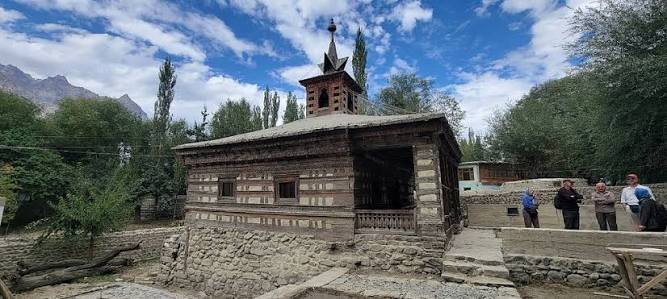
Morning visits are best: Cool weather for the hike, soft morning light for photos, and fewer crowds make the first two hours after opening the best time to go. Try to arrive at the base by 7:30 to 8:00 AM for the best experience.
Wear the right shoes: This is very important. Visitors wearing sandals or dress shoes have a hard time on the rocky trail. Bring hiking shoes or sturdy sneakers with good grip.
Bring water: There are no drinks or snacks sold at the top of the fort. Bring at least 1 liter of water per person, and more in summer when the heat makes you thirsty faster.
Respect the old fort: Don’t climb on the walls, take stones, or damage any part of the fort. It has lasted 500 years, and visitors who are careful help make sure it lasts for many more.
Take care of your camera battery: Cold air at high places drains camera batteries faster than usual. Bring extra batteries, and keep the one you’re using warm by tucking it inside your jacket when you’re not taking photos.
Plan your visit with other spots: Kharpocho Fort goes well with other places near Skardu. You can visit Satpara Lake, Shangrila or Kachura Lakes, or the local bazaar on the same day if you hire a car or driver.
Hire a local guide: You don’t need a guide to visit the fort, but a local guide can share history, point out things you might miss, and tell stories about the fort that make the visit more interesting. Guides usually charge between PKR 500 and 1,500 for a fort visit.
Acclimatize first: If you’ve just arrived in Skardu, particularly if flying directly from Islamabad or Lahore, allow at least half a day of acclimatization before attempting the fort hike. The altitude (starting at 2,228 meters) affects some visitors significantly.
Don’t rush the descent: Many hiking accidents occur during descent when tired legs and inattention on rocky terrain combine. Descend slowly and deliberately.
Frequently Asked Questions
The hike is moderate difficulty, accessible to visitors with basic fitness and appropriate footwear, but genuinely tiring due to the altitude and rocky terrain. The 200-meter elevation gain takes 45-75 minutes for most visitors. Those with significant physical limitations should assess honestly whether the hike suits their capability.
The fort is typically accessible from 8:00 AM to 6:00 PM in summer and 9:00 AM to 5:00 PM in winter. These timings may vary, confirm at your Skardu hotel or with local tourism information.
The ticket costs about PKR 100 to 200 for Pakistani visitors and PKR 300 to 500 for visitors from other countries. Prices can change, so check the current cost at the entrance.
Allow 3-4 hours for a complete visit: 45-75 minutes ascending, 1-1.5 hours exploring the summit, 30-50 minutes descending. Photography enthusiasts will want longer.
Elderly visitors with good fitness and mobility can complete the hike with appropriate pacing and rest stops. Those with limited mobility or serious health conditions should assess the rocky, steep terrain honestly. There is currently no alternative access (cable car, vehicle road to summit) for those unable to hike.
Minimal to none. The hill has sparse vegetation, and the trail is largely exposed. Early morning or late afternoon visits dramatically reduce sun exposure during the hike.
Yes, you can visit the fort in winter if the weather allows it. Snow and ice on the trail mean you’ll need shoes with good grip. Visiting in winter gives you amazing views of the snowy mountains and you’ll likely have the place to yourself, but you need to be ready for cold weather.
Plan Your Skardu & Kharpocho Tour with Eventica Travels
Kharpocho Fort is one of several extraordinary destinations that make Skardu one of Pakistan’s most rewarding travel regions. Eventica Travels creates comprehensive Skardu tours that combine the fort’s historical significance with Skardu’s natural wonders, Deosai Plateau, Shigar Valley, Satpara Lake, and K2 region access, in carefully planned itineraries that make the most of each visitor’s time.
Our local Skardu guides bring Kharpocho’s history alive in ways that self-guided visits miss, explaining the fort’s role in Baltistan’s complex political history, pointing out architectural details, and connecting what you see with the broader cultural context of one of Pakistan’s most distinctive regions.
Featured Skardu Packages
🏰 12 Days Group Tour Hunza & Skardu Valley
Starting from: Rs. 55,500/. (Per Person on Quad Sharing Room)
Skardu’s summer season (May-September) books quickly. Reserve your preferred dates now.
Conclusion: Five Centuries of Watching Over Skardu
Kharpocho Fort has occupied its rocky summit for five centuries, watching Skardu Valley change from a medieval Balti kingdom’s capital to a contemporary city serving the world’s most adventurous travelers. The fort hasn’t changed much in that time, it has weathered, settled, and aged, but it remains fundamentally what Ali Sher Khan Anchan built: a commanding position overlooking one of the Karakoram’s most strategically significant valleys.
Climbing to visit it connects you with this continuity. The stones beneath your feet are the same stones that medieval soldiers walked. The view you see, mountains, river, valley, sky, is essentially the view rulers saw when surveying their kingdom. The altitude and effort involved in the climb are the same challenges that made the fort impregnable in its active years.
Kharpocho Fort Skardu isn’t Pakistan’s largest fortress or its most restored. But it might be one of its most authentically atmospheric, a genuine historical site in a genuinely extraordinary setting that rewards the effort of reaching it with experiences that comfortable valley-level tourism simply cannot provide.
Lace up your hiking shoes. The king of forts is waiting.
Eventica Travels – Connecting Travelers to Pakistan’s Historical and Natural Wonders
“Every great journey includes a climb. Kharpocho Fort makes the climb worth every step.”