
Pakistan’s geography creates temperature extremes that genuinely surprise people unfamiliar with the country’s climatic diversity. The same nation where Deosai National Park hits -40°C in winter produces some of the world’s most intense summer heat across its southern plains and desert regions. Whether you’re researching the hottest place in Pakistan, planning travel around seasonal extremes, or simply understanding this climatically extraordinary country better, this guide covers the 20 most intense heat destinations comprehensively.
These aren’t places where summer is merely uncomfortable; they’re locations where extreme heat shapes architecture, culture, economics, agriculture, and the fundamental rhythms of daily life in ways that fascinate as much as they challenge.
Sindh: Pakistan’s Heat Capital
The Sindh province dominates any list of hottest cities in Pakistan, and for good reason. The province’s geography, flat Indus Plain with minimal elevation, distance from cooling mountain influences, and geographic depressions that trap heat, creates conditions that regularly challenge human survivability limits.
1. Jacobabad (Sindh)
Peak summer temperature: 52°C+
Average summer: 45-50°C
Best visiting months: November to February
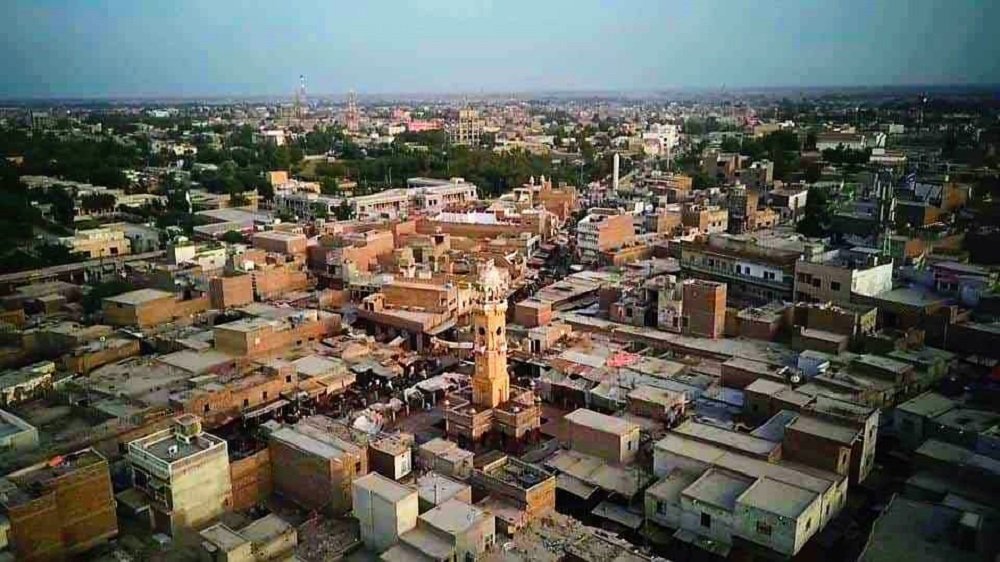
Jacobabad doesn’t merely rank as Pakistan’s hottest city; it regularly competes for the title of hottest inhabited place on earth. In June 2021, Jacobabad simultaneously reached wet-bulb temperature thresholds that international climate scientists identified as approaching human physiological survivability limits, attracting global media attention.
Named after British General John Jacob, who established the city in the 19th century, Jacobabad sits in a geographic depression in northern Sindh that traps heat with extraordinary efficiency. The surrounding plains absorb solar radiation, the city lacks meaningful elevation, and prevailing wind patterns deliver hot desert air rather than relief.
What’s genuinely fascinating isn’t just the temperature records but the human community that has survived here continuously across generations. Traditional architecture represents sophisticated centuries-old engineering responses to extreme heat, thick-walled mud houses that maintain interior temperatures significantly below outside readings, underground cool rooms called thadals where families shelter during peak afternoon heat, and wind-catching towers (malqafs) that channel air movement downward into living spaces. These aren’t primitive solutions; they’re elegant engineering adapted precisely to local conditions.
Modern residents supplement traditional strategies with air conditioning, though power outages during peak summer demand create genuine public health emergencies requiring emergency government intervention.
2. Dadu (Sindh)
Peak summer temperature: 48°C+
Average summer: 42-46°C
Best visiting months: October to March
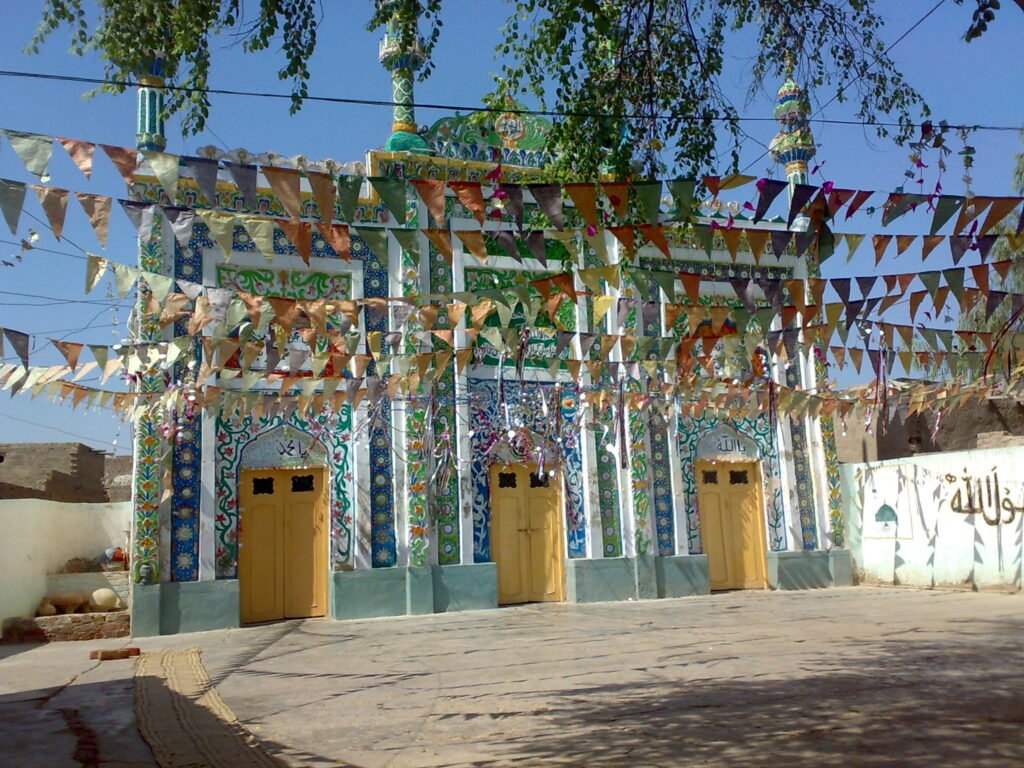
Dadu district in central Sindh experiences intense heat amplified by the Kirthar Range’s rain shadow effect and its position in the Indus Plain, where heat accumulates without significant moderating influences. Most travelers know Dadu as the gateway to Mohenjo-daro archaeological site and the Kirthar Range adventures, they pass through rather than stay, which makes complete sense given summer conditions.
The surrounding agricultural landscape and proximity to the Mohenjo-daror Lake wetland system create interesting seasonal contrasts; winter Dadu is actually pleasant, with the wetlands supporting extraordinary birdlife that makes the district a hidden wildlife destination.
Also Read: Gorakh Hill Station Travel Guide
3. Mohenjo-daro (Sindh)
Peak summer temperature: 48°C+
Average summer: 42-46°C
Best visiting months: October to March
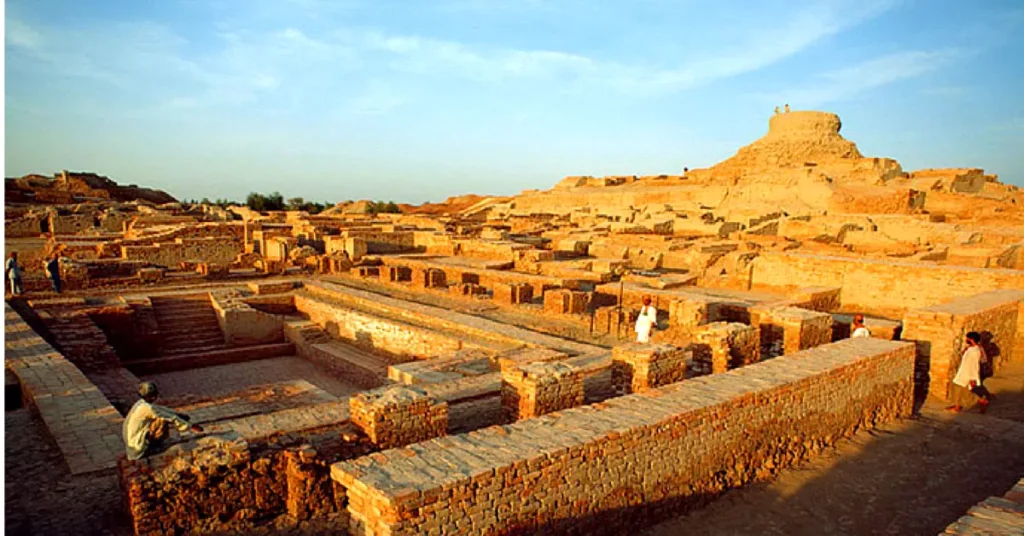
Mohenjo-daro is proof of an odd twist in history. This 4,500-year-old Indus Valley city is one of Pakistan’s most significant UNESCO World Heritage Sites, yet it now sits under some of the harshest summer heat in the world. The engineers who built its drainage and water systems all those centuries ago never had to plan for temperatures like this.
If you’re planning a trip, timing matters a lot. The ruins spread out over open ground with barely any shade, and in summer that means real heat stroke risk, especially since seeing the site properly takes hours. Go between October and March instead. The weather is mild enough that you can actually take in the history instead of rushing through it just to get out of the sun.
4. Larkana (Sindh)
Peak summer temperature: 47°C+
Average summer: 41-45°C
Best visiting months: November to February
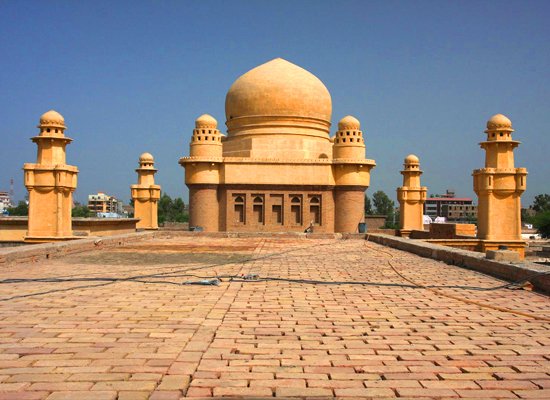
Larkana matters for two reasons. It’s the hometown of the Bhutto family, one of Pakistan’s most powerful political dynasties, and it’s also a center of Sindhi culture and tradition. But there’s a rough side to the city too. It ranks among the hottest places in Pakistan, and from May to September, the heat gets bad enough that stepping outside can genuinely put your health at risk.
Part of the problem comes from the farmland surrounding the city. Sugarcane, cotton, and rice paddies, especially once monsoon season hits, push extra moisture into the air. That moisture makes the heat feel worse than dry heat at the same temperature would. The reason comes down to how your body cools itself. Sweat cools you as it evaporates off your skin, but in humid air, it can’t evaporate as easily, so your body struggles to bring its temperature down.
5. Sukkur (Sindh)
Peak summer temperature: 47°C+
Average summer: 40-45°C
Best visiting months: October to March
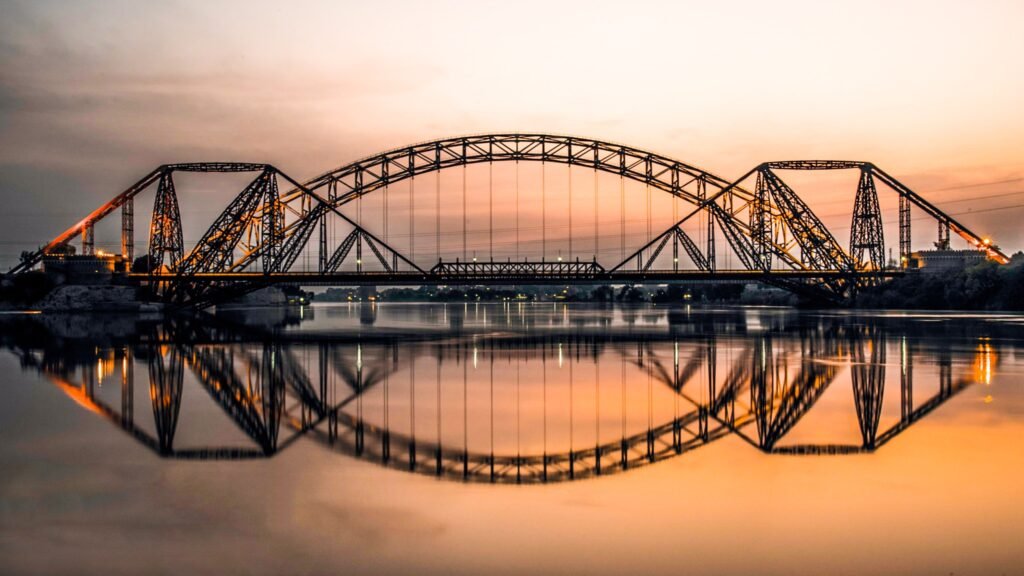
Sukkur occupies a historically crucial position on the Indus River where the famous Sukkur Barrage controls water distribution across millions of agricultural acres. The city’s river position provides psychological proximity to water without meaningful temperature moderation, the Indus here is too wide and the surrounding heat too intense for riverside cooling effects to reach the city.
Sukkur’s heritage includes the remarkable island shrine of Sadh Belo, Lansdowne Bridge (a colonial-era engineering achievement), and the old city’s architectural heritage. These deserve proper appreciation in winter temperatures rather than rushed visits motivated by heat avoidance.
6. Khairpur (Sindh)
Peak summer temperature: 46°C+
Average summer: 40-44°C
Best visiting months: November to February
Khairpur is Pakistan’s date capital; the district produces exceptional quantities of dates whose cultivation requires precisely the intense heat that makes human comfort difficult. This represents nature’s elegant solution: the conditions that challenge human physiology simultaneously create ideal growing conditions for one of Pakistan’s most valuable agricultural products.
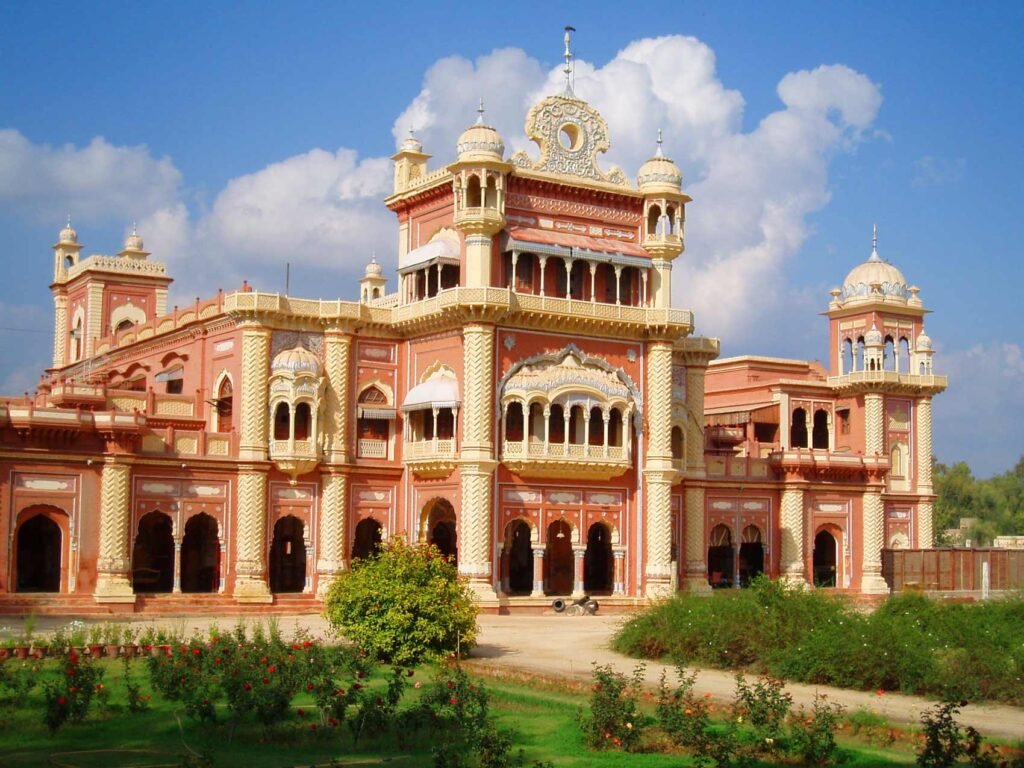
The former princely state’s architectural heritage includes Faiz Mahal palace, a remarkable structure that rewards winter exploration. The date harvest season itself, occurring in August-September, creates colourful agricultural activity visible throughout the district for visitors determined to travel during the heat season.
7. Hyderabad (Sindh)
Peak summer temperature: 45°C+
Average summer: 38-44°C
Best visiting months: October to March
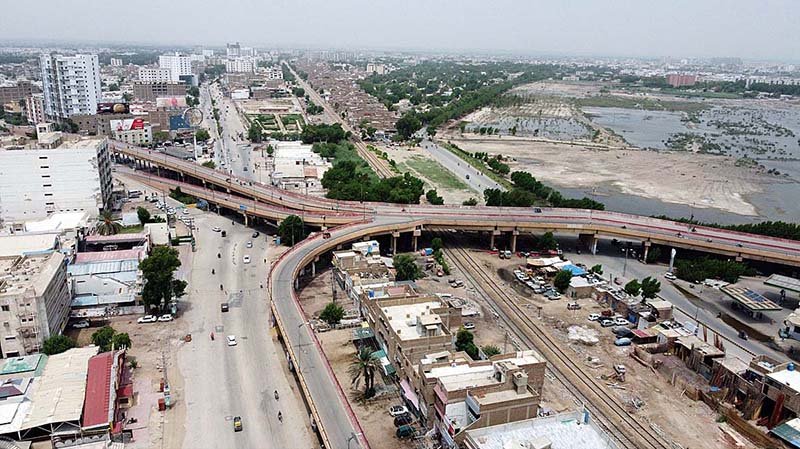
Sindh’s cultural capital and Pakistan’s eighth-largest city, Hyderabad experiences intense summer heat that’s marginally moderated compared to interior Sindh locations by its position somewhat closer to coastal influences emanating from Karachi. Hyderabad’s famous glass bangle makers, Sindhi ajrak textile printers, and other traditional crafts are best seen during the cooler winter months.
The old city, especially the historic Pakka Qila area, holds rich cultural heritage. It deserves a slow, unhurried visit in pleasant weather, not a rushed walk through summer heat.
8. Sehwan Sharif (Sindh)
Peak summer temperature: 47°C+
Average summer: 41-45°C
Best visiting months: November to February
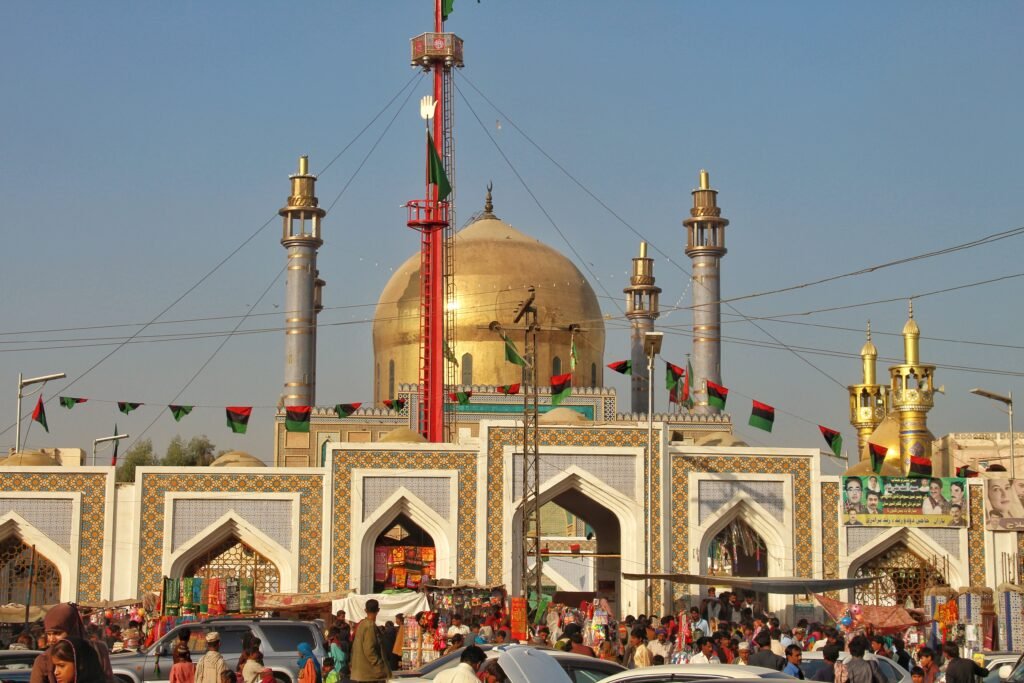
The ancient city famous for the shrine of Sufi saint Lal Shahbaz Qalandar attracts pilgrims year-round, genuine devotion operates outside seasonal temperature considerations. The famous Thursday night dhammal (devotional dance) continues regardless of season, with summer pilgrims demonstrating remarkable physical endurance in temperatures approaching 47°C.
For heritage travelers rather than pilgrims, the Sehwan area contains extraordinary history including the remains of ancient Shivan civilization and the dramatic Manchar Lake nearby. Winter exploration allows proper appreciation of this historically rich environment.
9. Nawabshah / Shaheed Benazirabad (Sindh)
Peak summer temperature: 53.7°C (record)
Average summer: 41-45°C
Best visiting months: November to February
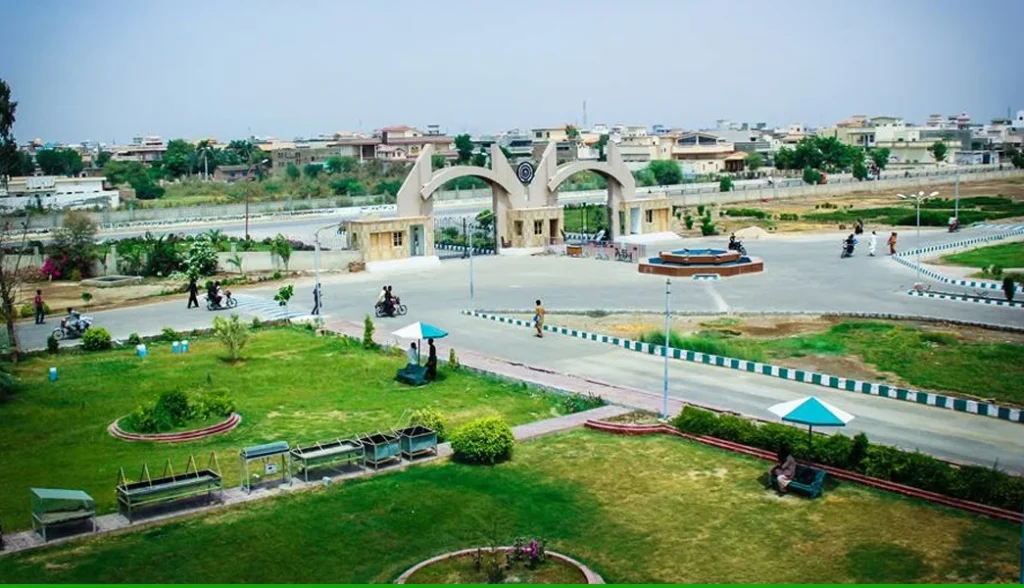
Nawabshah holds Pakistan’s verified temperature record, 53.7°C recorded in May 2018, setting a new Asian record at that time and ranking among the highest reliably measured temperatures globally. This extraordinary reading placed the city in international climate research discussions about intensifying extreme heat events and their implications for human habitability.
The record has drawn scientific attention to a city otherwise little-known internationally, making Nawabshah an unexpected data point in global climate change research. Local residents who experienced that record day describe conditions that ordinary language struggles to characterize adequately.
Balochistan: Desert Extremes
Balochistan’s hot areas combine with its vast desert geography to create some of Pakistan’s most extreme thermal environments. Unlike Sindh’s agricultural plain heat, Balochistan’s heat often occurs in genuinely remote desert contexts where distance from any cooling influence compounds temperature extremes.
10. Sibi (Balochistan)
Peak summer temperature: 50°C+
Average summer: 44-48°C
Best visiting months: February to March
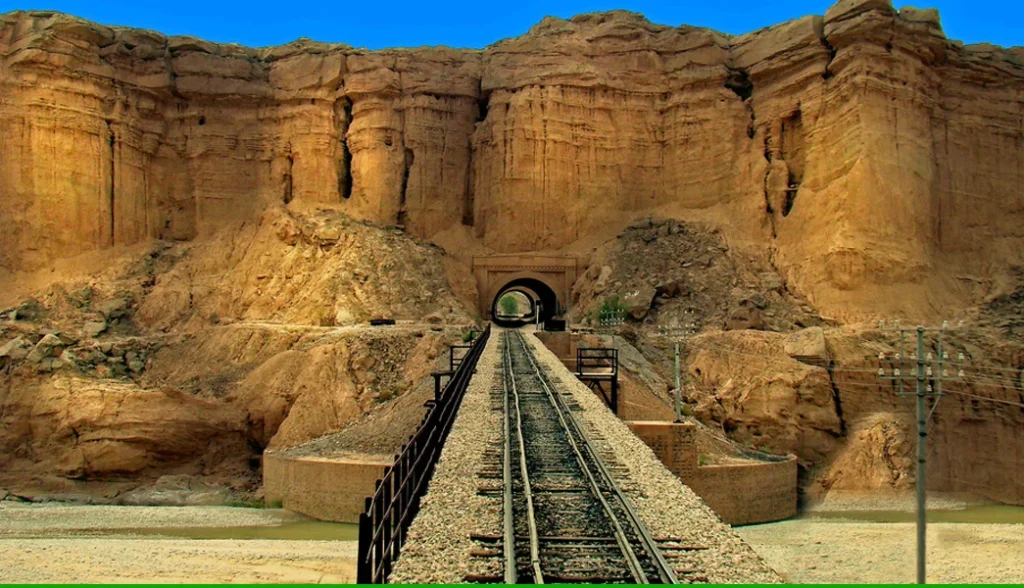
Sibi contests Jacobabad’s hottest city claim, with temperatures regularly exceeding 50°C and recorded extremes of 53°C. The city sits in a natural bowl surrounded by barren hills that reflect rather than absorb heat, creating an oven-like microclimate where thermal radiation comes from multiple directions simultaneously.
Sibi’s relationship with its extreme climate has shaped culture in fascinating ways. The annual Sibi Mela, one of Pakistan’s largest livestock festivals, is deliberately scheduled in February precisely because that’s the only time outdoor gatherings are climatically viable. This cultural adaptation demonstrates how extreme heat shapes not just architecture but social calendars and community traditions.
The Baloch nomadic communities historically associated with Sibi developed seasonal migration as their primary heat strategy, moving livestock and families to cooler highlands during summer and returning to plains in winter. This ancient adaptive strategy preceded air conditioning by millennia and continues influencing community patterns today.
11. Turbat (Balochistan).

Peak summer temperature: 53.5°C (recorded)
Average summer: 43-47°C
Best visiting months: November to February
Turbat, in the Makran region, rivals Sibi and Jacobabad for the title of Pakistan’s hottest city. On May 28, 2017, it recorded 53.5°C, one of the highest temperatures ever reliably measured in Asia. Sitting inland, hemmed in by desert and mountains that trap heat, the city faces extreme summer conditions as a result.
Turbat has long served as an administrative centre for the Makran region and offers road access to Gwadar along the coast. If you must travel there in summer, plan carefully for the heat. This is not a place where you can wing it.
12. Sibi District (Balochistan)
Peak summer temperature: 50°C+
Average summer: 44-48°C
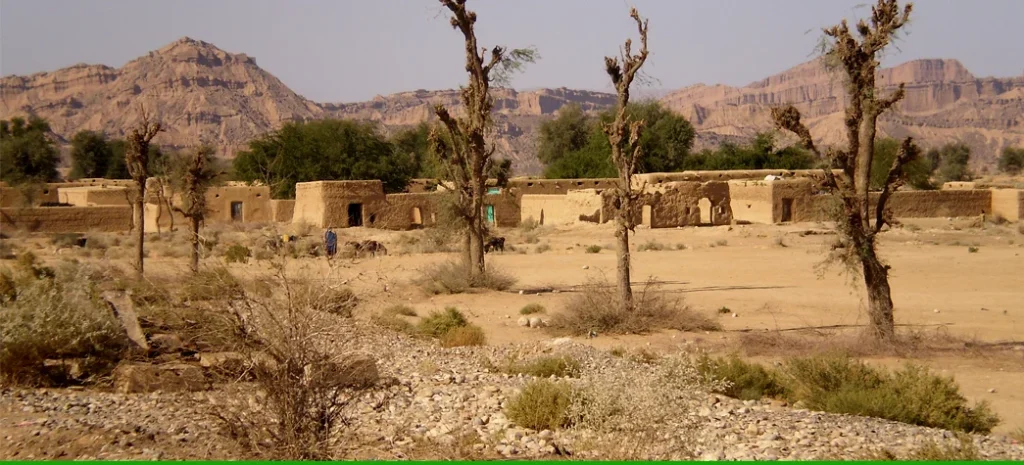
The broader Sibi District experiences uniform extreme heat beyond the city itself. District plains areas, agriculturally significant for livestock and limited cultivation, bake under conditions that have driven traditional nomadic communities to high-altitude seasonal migration for generations. The district’s landscape of scrub vegetation, rocky plains, and sparse tree cover provides virtually no natural shade across enormous areas.
13. Chagai Desert (Balochistan)
Peak summer temperature: 48°C+
Average summer: 42-46°C
Best visiting months: November to February
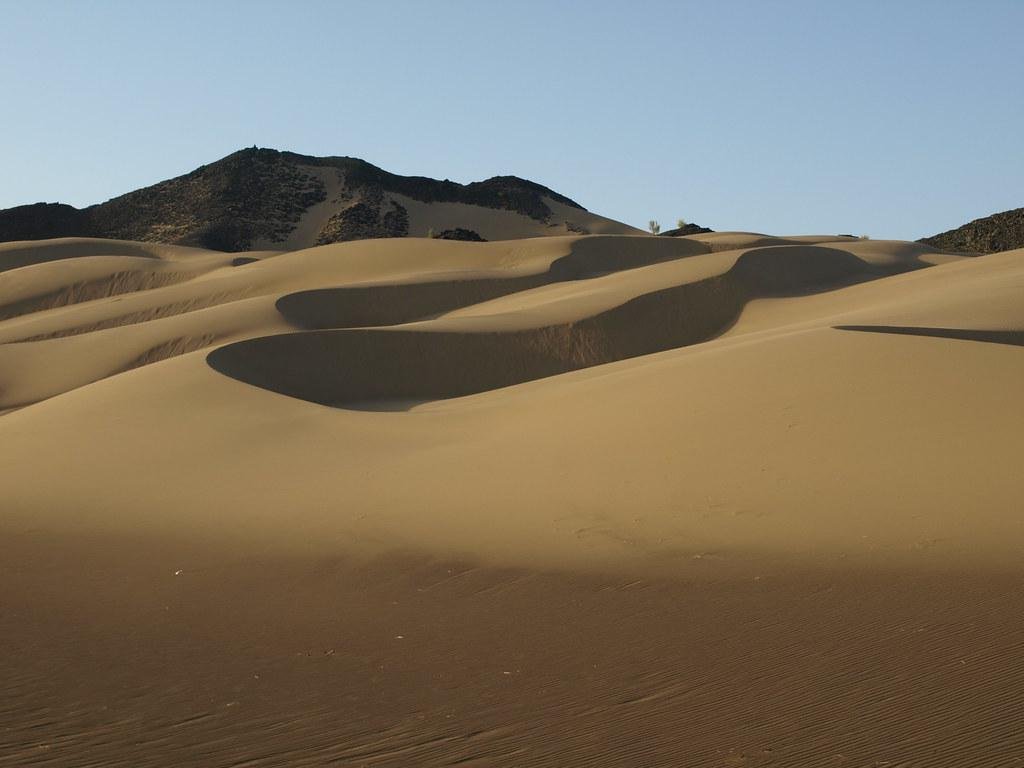
The Chagai district is internationally known as the site of Pakistan’s 1998 nuclear tests in the Ras Koh Hills, a geopolitical landmark that has overshadowed awareness of the surrounding desert’s extraordinary thermal characteristics. The Chagai Desert receives minimal rainfall, supports sparse vegetation providing negligible evaporative cooling, and sits at an insufficient elevation to benefit from altitude-related temperature reduction.
The result is one of Pakistan’s most relentlessly hot environments across an enormous geographic area, a hot area of Pakistan where summer conditions are consistently extreme rather than occasionally exceptional.
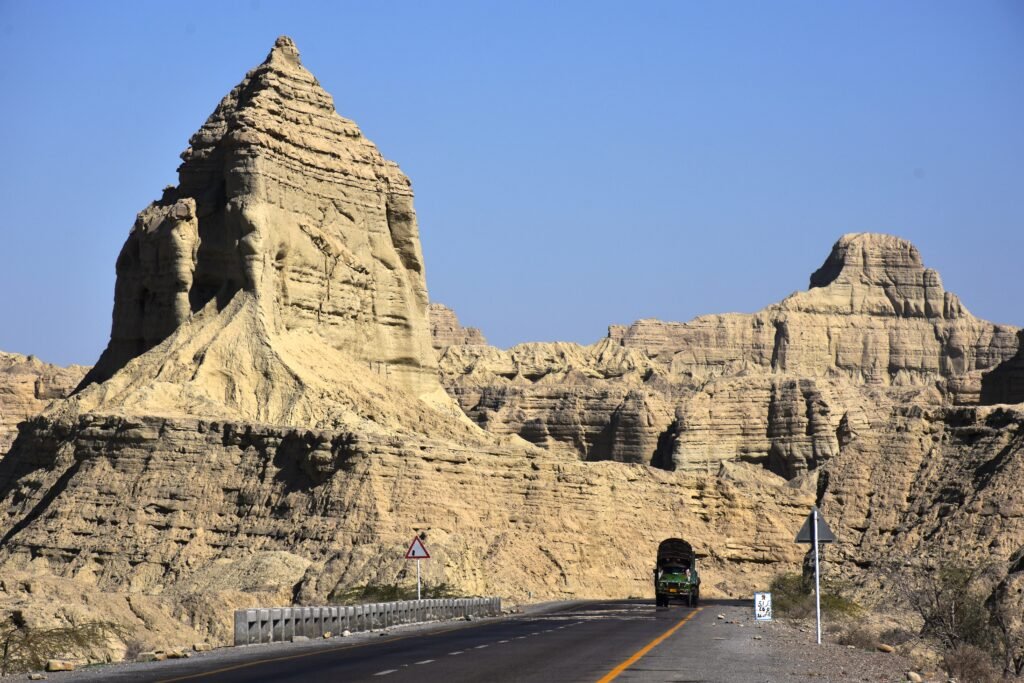
14. Hingol National Park (Balochistan)
Peak summer temperature: 45°C+
Average summer: 38-44°C
Best visiting months: October to March
Pakistan’s largest national park by area encompasses extraordinary geological features, the famous Princess of Hope rock formation; Kund Malir Beach (often cited as Pakistan’s most beautiful beach); the sphinx-like Balochistan Sphinx rock formation; and dramatic river gorges carved through the Makran Coastal Range.
The park’s inland areas experience intense summer heat, while coastal sections benefit from Arabian Sea breezes, providing relative moderation. This contrast within a single protected area creates dramatically different visitor experiences by location. Summer visiting is strongly discouraged across inland areas, the park’s most spectacular features are best experienced October through March when temperatures become genuinely pleasant.
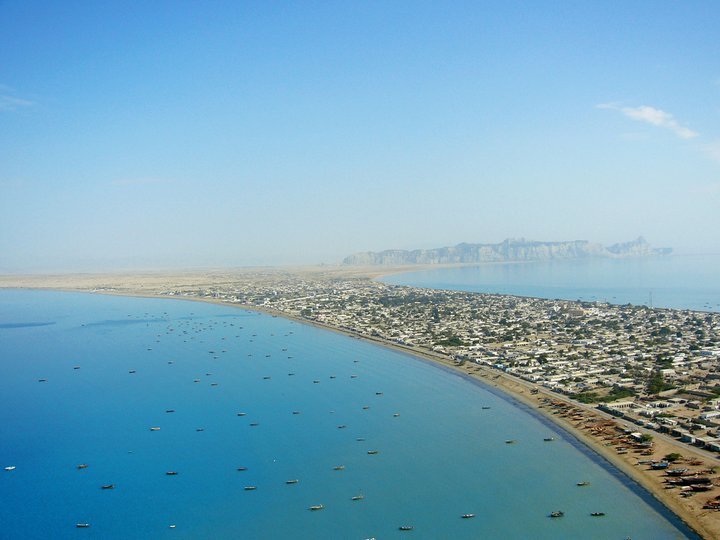
15. Gwadar (Balochistan)
Peak summer temperature: 40°C+
Average summer: 35-40°C
Best visiting months: October to March
Gwadar represents the exception on Balochistan’s hot locations list; its coastal position means temperatures, while significant, are moderated by Arabian Sea breezes preventing the extreme inland readings recorded elsewhere. Summer in Gwadar is hot and intensely humid, a physiologically different discomfort from dry desert heat at equivalent temperatures.
The China-Pakistan Economic Corridor’s flagship port city is developing rapidly, with infrastructure investment transforming the coastal landscape. Its climate profile, while challenging in summer, doesn’t reach survival-threatening temperatures characterizing interior Balochistan’s hottest districts.
Also Read: Best Places to Visit in Balochistan
Punjab: Northern Heat Belt
Punjab’s hot cities might surprise people who associate extreme Pakistani heat exclusively with Sindh and Balochistan. Southern Punjab experiences summer temperatures that rival Sindh’s intensity while adding the challenging loo winds, hot, dry winds blowing from the desert west that push apparent temperatures well above actual readings through their desiccating effect.
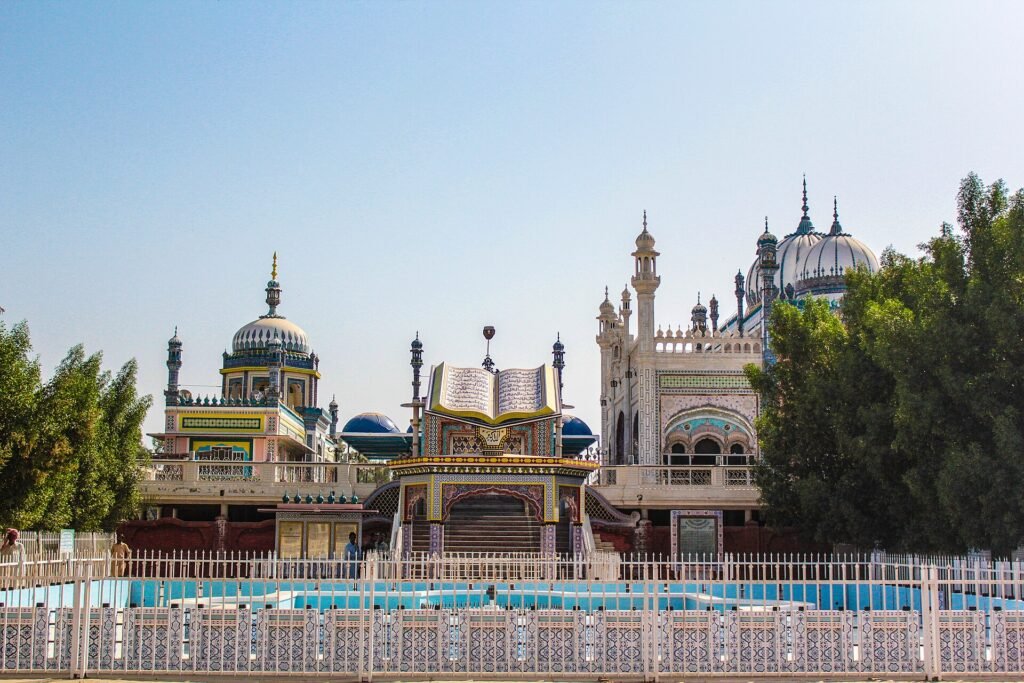
16. Rahim Yar Khan (Punjab)
Peak summer temperature: 47°C+
Average summer: 40-45°C
Best visiting months: November to February
Southern Punjab’s most consistently hot city, Rahim Yar Khan, sits at Pakistan’s climatic crossroads where Sindhi heat patterns extend northward and the Cholistan Desert’s influence amplifies summer intensity. The city serves as a regional commercial center whose agricultural hinterland, cotton, wheat, and sugarcane remain productive despite summer conditions that make outdoor work genuinely dangerous during peak heat hours.
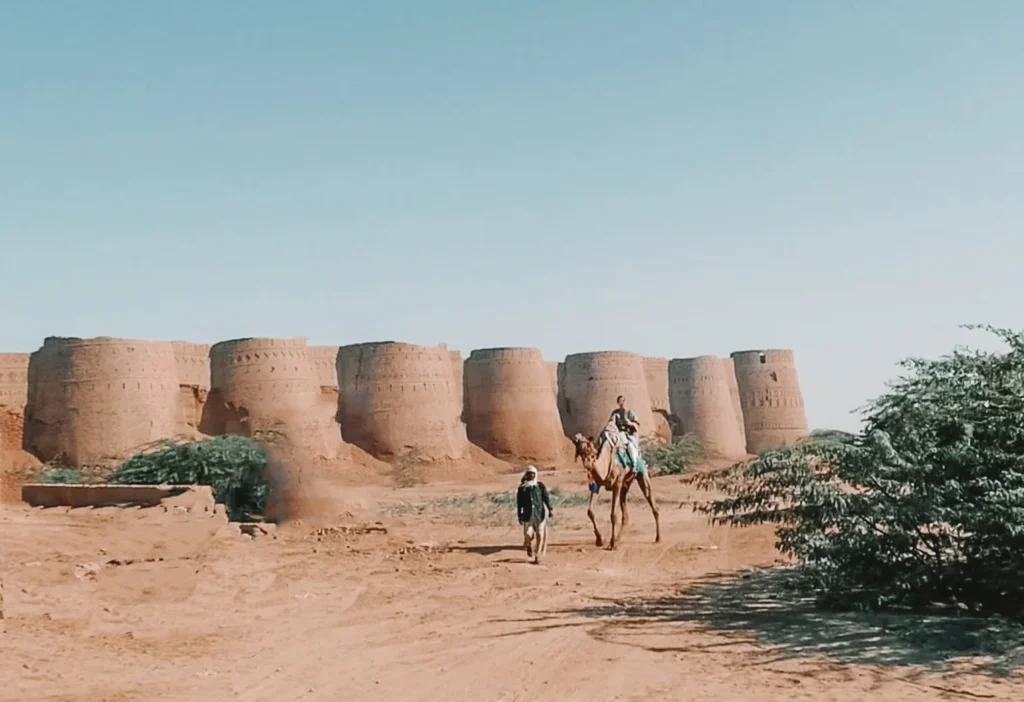
17. Bahawalpur (Punjab)
Peak summer temperature: 46°C+
Average summer: 39-44°C
Best visiting months: November to February
The former princely state’s capital combines extraordinary heritage with intense summer heat in a combination that rewards properly timed visits. The Noor Mahal palace, with its remarkable European-influenced architecture, and Derawar Fort in the Cholistan Desert, one of Pakistan’s most photogenic structures, deserve unhurried exploration in comfortable winter temperatures.
The Cholistan Desert Jeep Rally, one of Pakistan’s most exciting sporting events, is deliberately scheduled in February when temperatures allow competitive racing across desert terrain that summer would make immediately life-threatening.
18. Cholistan Desert (Punjab)
Peak summer temperature: 48°C+
Average summer: 42-46°C
Best visiting months: November to February
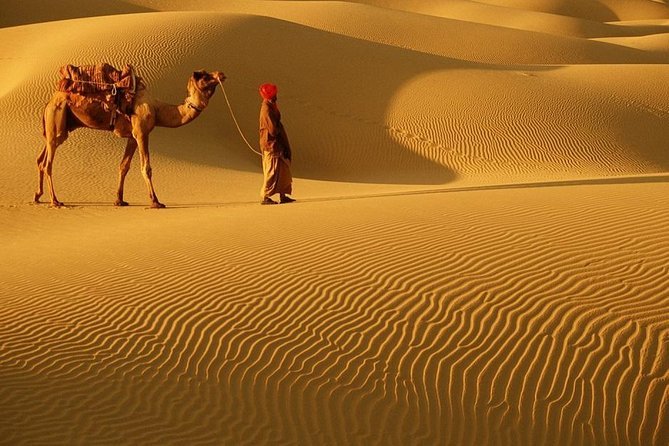
The vast Cholistan Desert stretching across southern Punjab represents one of Pakistan’s most extreme thermal environments across an enormous geographic area. Sand dunes absorb and radiate solar energy with exceptional efficiency; surface temperatures on sand significantly exceed air temperature, creating foot-level heat far exceeding what thermometers record at standard measurement height.
The historic forts scattered across Cholistan, Derawar, Maujgarh, Islamgarh, and dozens of smaller structures stand as monuments to Cholistan’s pre-desert agricultural past when the now-dry Hakra River supported substantial civilization. These forts, extraordinarily photogenic in winter light across the desert landscape, require winter visiting for comfortable exploration.
19. Multan (Punjab)
Peak summer temperature: 46°C+
Average summer: 38-44°C
Best visiting months: November to February
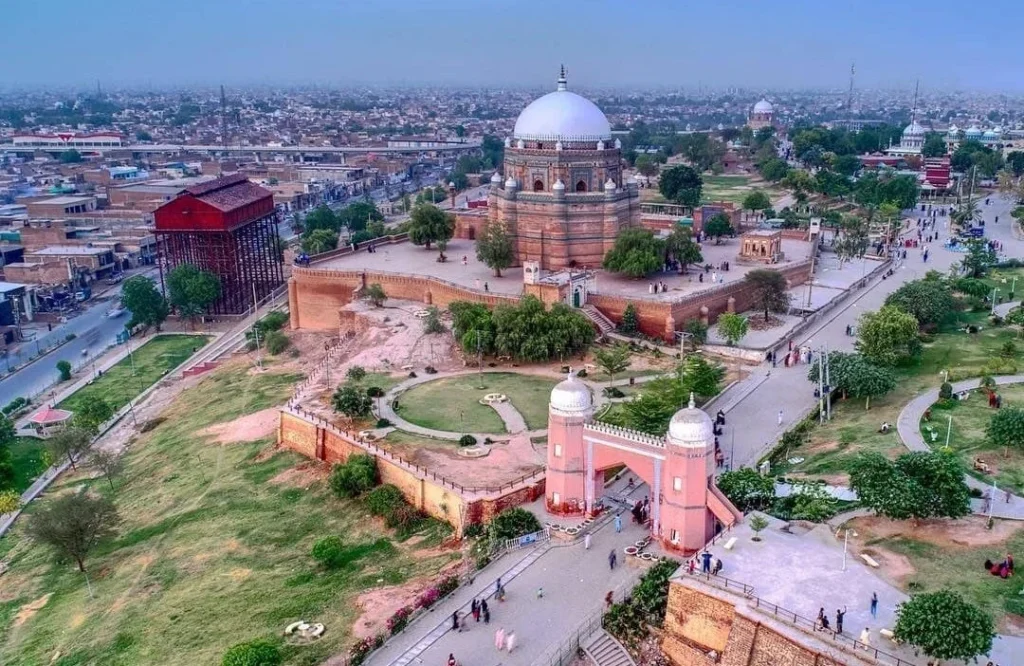
Multan, the City of Saints, is synonymous in Pakistani cultural consciousness with extreme heat; the famous local saying describes Multan through four characterizing features: dust, heat, beggars, and burial grounds. The city has historically embraced this identity while developing into a significant cultural, spiritual, and commercial center despite climatic challenges.
The shrines of Multan, Bahauddin Zakariya, Shah Rukn-e-Alam (whose blue-tiled dome is among Pakistan’s most beautiful architectural achievements), and numerous other Sufi saints, attract year-round pilgrims whose devotion operates outside seasonal comfort considerations. Heritage travelers seeking proper appreciation of these extraordinary Islamic monuments should visit December through February.
Multan mangoes deserve special mention; the famous Chaunsa and Sindhri varieties ripen precisely during the intense summer heat that makes the city uncomfortable. These mangoes represent one of summer Multan’s genuine compensations, among the finest mangoes produced anywhere in the world, they emerge from the very heat that challenges human comfort.
20. Dera Ghazi Khan (Punjab)
Peak summer temperature: 46°C+
Average summer: 39-44°C
Best visiting months: November to February
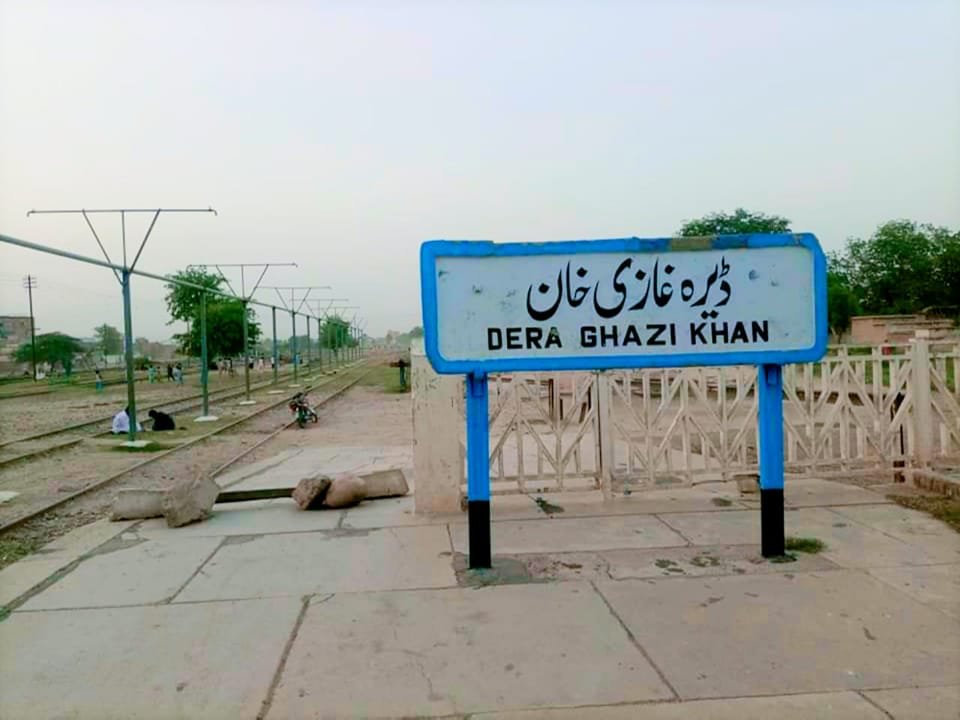
DG Khan sits at Punjab’s southern edge where the Indus Plain meets the Sulaiman Range’s rugged foothills, a transition zone that concentrates heat from both the desert plains and the sun-heated mountain slopes. The city experiences intense summer heat compounded by loo winds blowing from the desert west, delivering additional heat and desiccating everything they contact.
Fort Munro, located in the Sulaiman Range above DG Khan, offers a cooler retreat at higher elevation, local families historically escaped summer heat by ascending to this hill station, a tradition of vertical climate migration that mirrors similar patterns found throughout Pakistan’s populated mountain regions.
Understanding Pakistan’s Heat Geography
The pattern across these 20 locations reveals consistent geographic factors creating extreme heat:
Geographic depression positioning: Jacobabad, Sibi, and similar cities sit in natural bowls that trap hot air rather than allowing circulation and dissipation, essentially creating outdoor furnaces.
Desert proximity: Cholistan, Thar, and Chagai desert adjacency means surrounding terrain absorbs and radiates enormous solar energy rather than moderating it through vegetation evaporation.
Distance from all cooling influences: Pakistan’s hottest locations share remoteness from mountain cooling (elevation), timely monsoon moisture, and sea breezes, simultaneously losing all three moderating factors.
Pre-monsoon timing: Pakistan’s most extreme heat (May-June) precedes monsoon rains that eventually provide partial relief. This pre-monsoon period combines maximum solar intensity with minimum moisture, creating the most physiologically dangerous conditions of the year.
Loo winds: Across Punjab and parts of Sindh, hot westerly winds amplify discomfort beyond temperature readings by preventing perspiration’s evaporative cooling while delivering additional heat from desert surfaces.
Travel Planning: Visiting Pakistan’s Hot Regions Responsibly
Every location on this list contains genuine attractions, UNESCO World Heritage Sites, cultural heritage of extraordinary depth, unique desert landscapes, and communities whose adaptive strategies represent fascinating human responses to environmental challenges.
The fundamental seasonal rule: visit October through March. This window provides comfortable temperatures (20-30°C across most hot regions) while all attractions remain fully accessible and properly enjoyable.
When summer travel is unavoidable:
- Schedule all outdoor activity before 9:00 AM and after 5:00 PM
- Minimum 4-5 liters daily hydration (more during physical activity)
- Heat-reflective, loose, light-colored clothing covering skin
- Air-conditioned accommodation with confirmed reliable power backup
- Understanding heat exhaustion and heat stroke recognition and response
- Never dismissing early symptoms, heat illness escalates faster than most other medical emergencies
Heritage site priority timing: Mohenjo-daro, Derawar Fort, Multan’s shrines, and similar heritage attractions deserve comfortable appreciation rather than heat-afflicted endurance. Plan these visits for winter months when the attractions can be properly absorbed.
Also Read: Coldest Places in Pakistan
Experience Pakistan’s Diverse Destinations with Eventica Travels
Pakistan’s extraordinary climatic diversity, from -40°C in Deosai to +53°C in Nawabshah, creates travel opportunities across every season and preference combination. Pakistan’s hottest cities need winter visits for comfortable sightseeing. But timed right, these same places offer amazing experiences.
Eventica Travels plans full Pakistan tours built around the seasons. We visit the hot areas in winter, when the weather is easy to enjoy. Then we combine these trips with mountain adventures in the north and time by the coast, all in one memorable journey.
Featured Tours
🏛️ Sindh Heritage Discovery
02 Days Group Tour Gorakh Hills Station
🌊Balochistan Coastal Adventure
02 Days Group Tour Ormara Beach, Balochistan
Eventica Travels – Exploring Every Climate, Every Season, Every Corner of Pakistan
“Pakistan’s extremes define its character. From Deosai’s frozen silence to Jacobabad’s searing heat, we’ll show you all of it, in the right season, the right way.”