
Pakistan’s dramatic geography creates some of Asia’s most extreme cold weather destinations, from valleys touching -40°C to hill stations dusted with seasonal snow that draw millions of domestic visitors annually. Whether you’re chasing snowfall places in Pakistan, planning winter destinations in Pakistan, or simply curious about the country’s coldest corners, this guide covers the 20 most extraordinary cold places in Pakistan worth experiencing.
Gilgit-Baltistan: Pakistan’s Frozen North
1. Skardu (Gilgit-Baltistan)
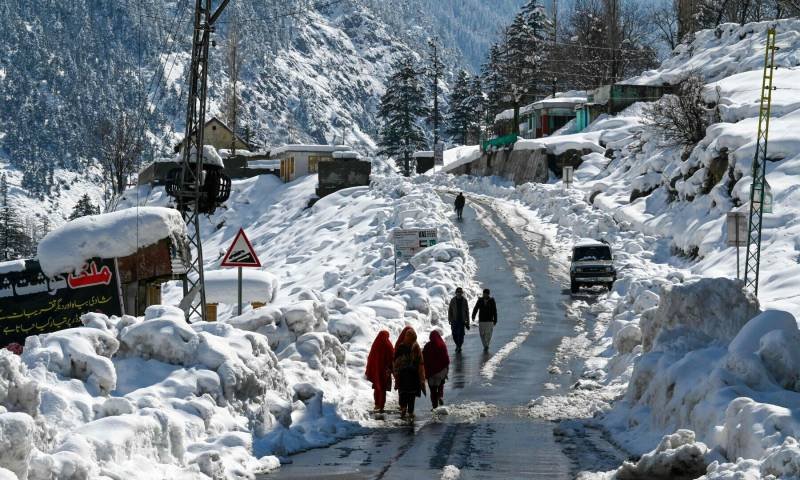
Winter temperature: -15°C to -25°C
Gateway to K2 and Pakistan’s highest peaks, Skardu transforms into a snow-covered wilderness from November through March. The Indus River partially freezes, surrounding mountains disappear beneath snow, and the city becomes one of Pakistan’s most dramatic coldest places with temperatures plunging dangerously low in January.
2. Hunza Valley (Gilgit-Baltistan)
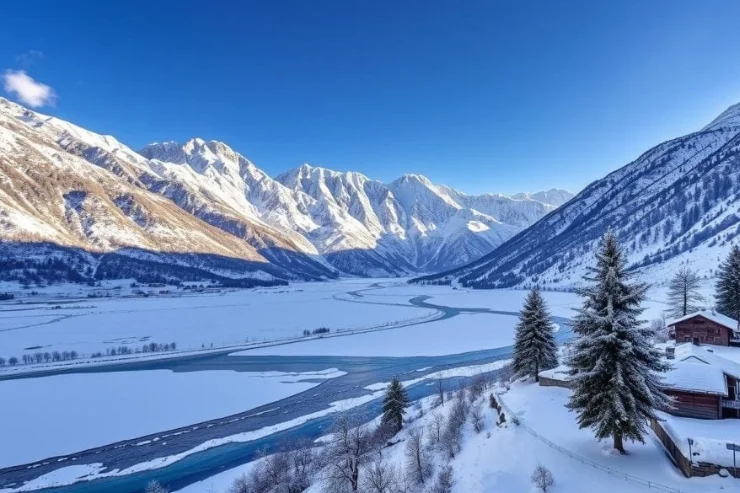
Winter temperature: -10°C to -20°C
Karimabad and surrounding Hunza villages experience harsh winters where temperatures drop significantly below freezing. The cherry blossom valley that draws spring visitors becomes an icy, snow-covered landscape between December and February, beautiful in a completely different, starker way.
3. Deosai National Park (Gilgit-Baltistan)
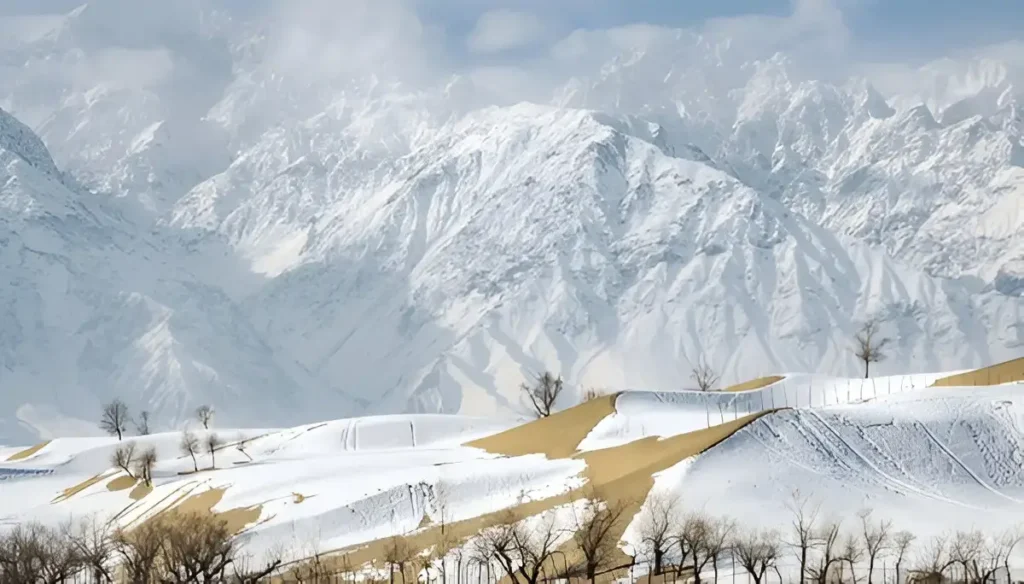
Winter temperature: -30°C to -40°C
Pakistan’s coldest place, Deosai’s high plateau sits at approximately 4,114 meters elevation and becomes completely inaccessible under meters of snow from October through May. Temperatures here rival Arctic conditions, making it one of Asia’s coldest inhabited-adjacent environments. No human presence survives winter here; even the brown bears that make Deosai famous hibernate beneath the snowpack.
4. Fairy Meadows (Gilgit-Baltistan)
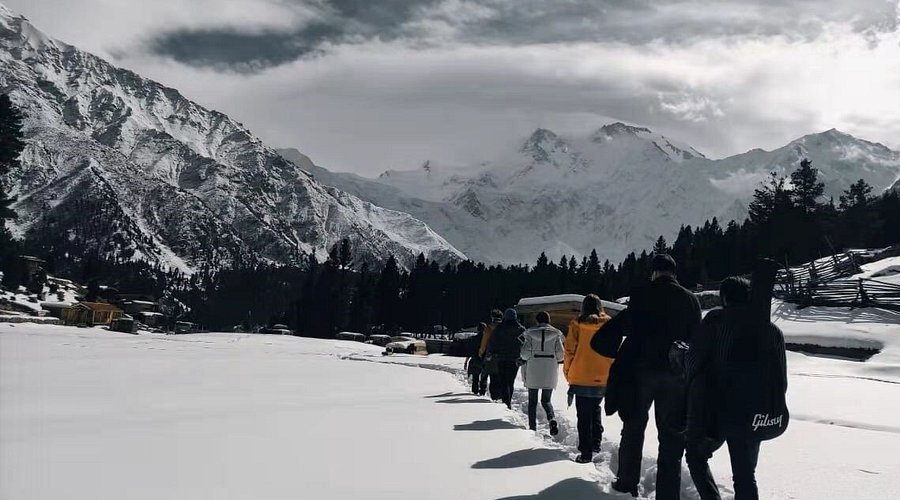
Winter temperature: -20°C to -30°C
The meadow at Nanga Parbat’s base becomes completely snow-buried from October onwards. Winter Fairy Meadows is accessible to very experienced mountaineers only, the combination of altitude (3,300 metres), isolation, and extreme cold creates genuinely dangerous conditions for unprepared visitors.
Also Read: Best Time to Visit Fairy Meadows
5. Naltar Valley (Gilgit-Baltistan)
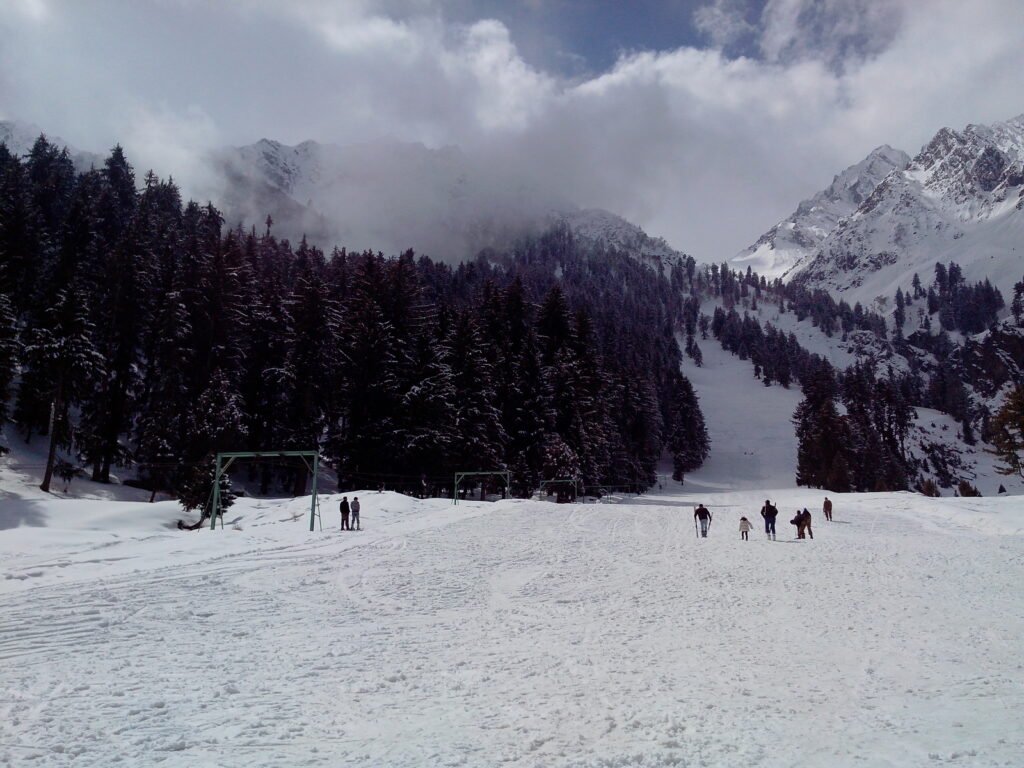
Winter temperature: -15°C to -25°C
Home to one of Pakistan’s two ski resorts, Naltar receives exceptional snowfall that typically arrives by November and persists into April. The combination of heavy snowfall and extreme cold makes Naltar excellent for skiing while also genuinely harsh for unprepared visitors.
6. Khunjerab Pass (Gilgit-Baltistan)
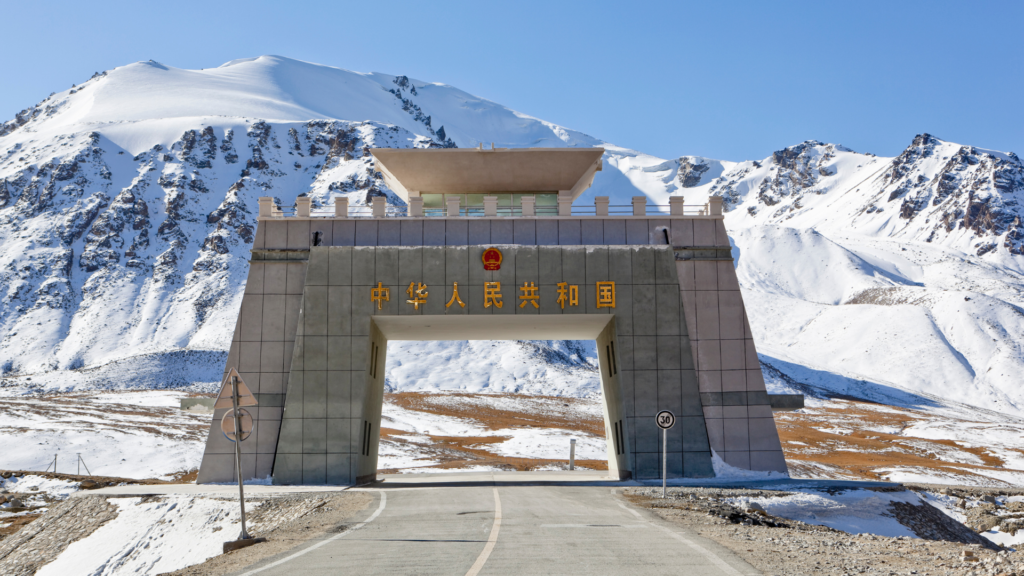
Winter temperature: -25°C to -35°C
At 4,693 meters on the China-Pakistan border, Khunjerab Pass is Pakistan’s highest and one of its coldest points. The pass closes completely October through April, not merely discouraged but physically impassable under several meters of snow and extreme cold that makes survival impossible without specialized equipment.
7. Passu (Gilgit-Baltistan)
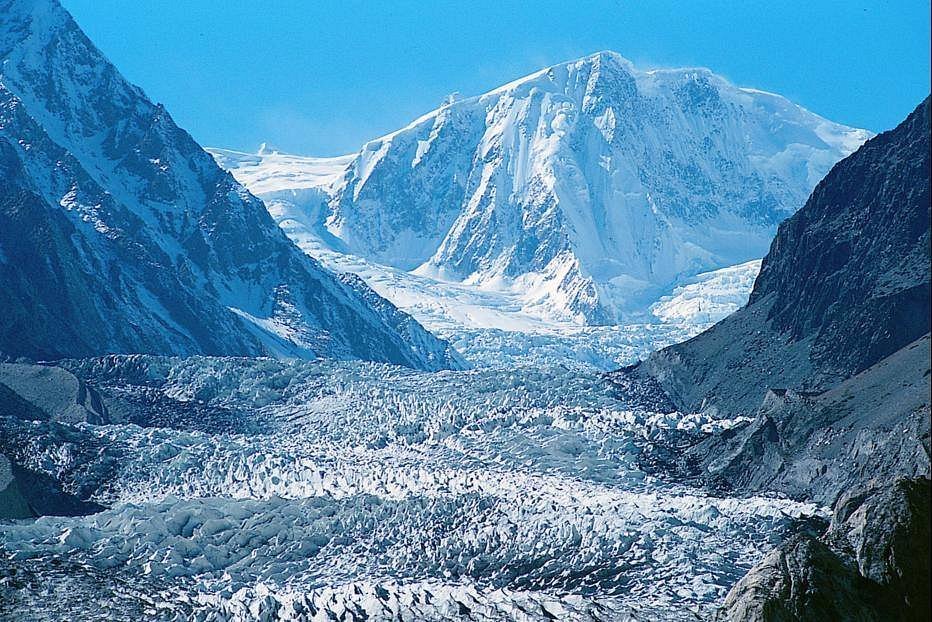
Winter temperature: -15°C to -22°C
Khunjerab Pass, at 4,693 meters, is the world’s highest paved border crossing between Pakistan and China. It’s open April to November and shuts down December to March under heavy snow. Talk of year-round access started in 2023, but it hasn’t happened yet.
8. Shigar Valley (Gilgit-Baltistan)
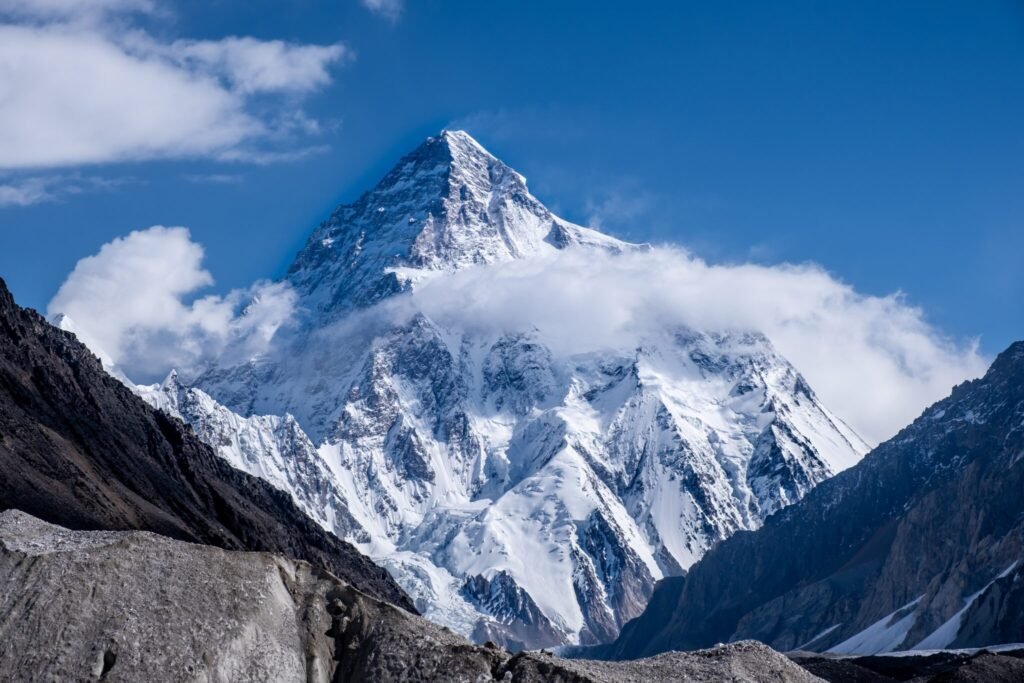
Winter temperature: -10°C to -20°C
Shigar’s desert-meets-mountain landscape takes on extraordinary character under winter snow. The Sarfaranga Cold Desert, covered in snow alongside frozen river systems, creates genuinely unique winter scenery among Pakistan’s most photogenic winter landscapes.
Also Read: Shigar Valley Travel Guide: Top Places to Visit, Hotels & Things to Do
9. Astore Valley (Gilgit-Baltistan)
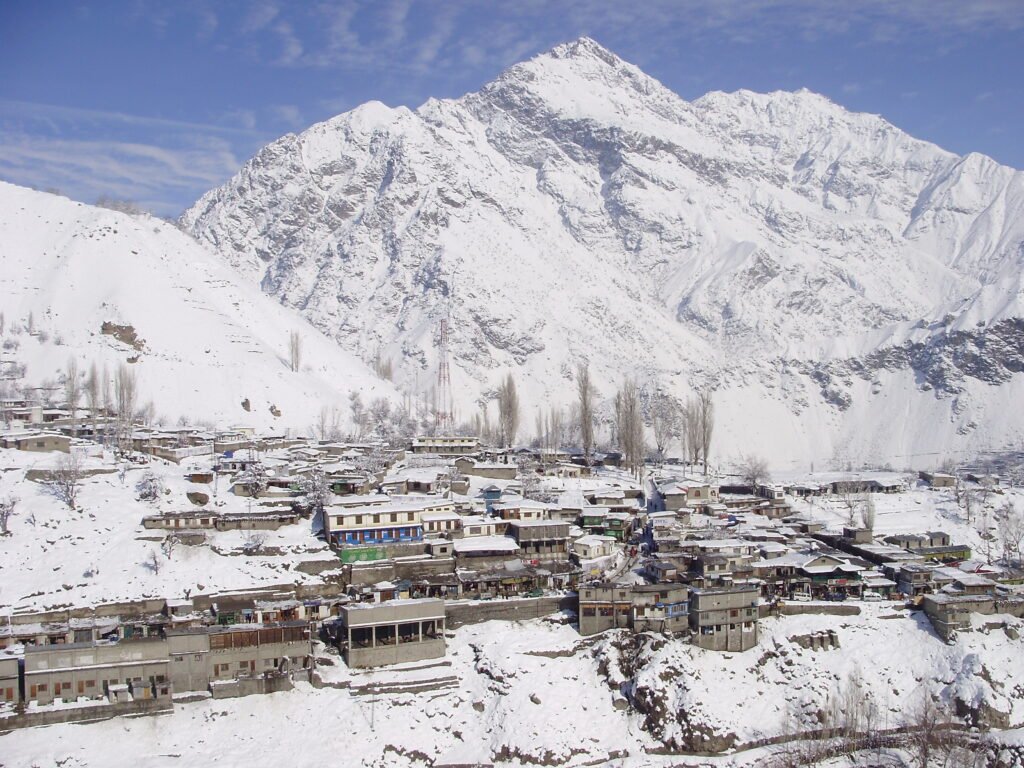
Winter temperature: -15°C to -28°C
Heavily snowfall-prone Astore Valley receives some of Gilgit-Baltistan’s highest precipitation, translated into enormous winter snowfall. The valley connecting Gilgit with Nanga Parbat’s approaches becomes largely inaccessible under deep snow.
10. Phander Valley (Gilgit-Baltistan)
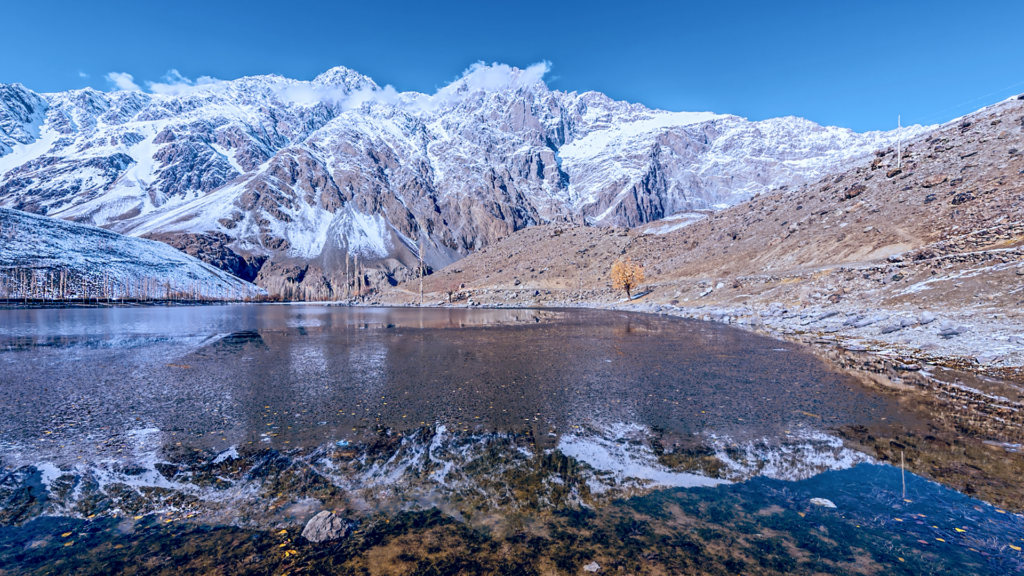
Winter temperature: -12°C to -22°C
Phander Lake freezes completely in winter, a stunning sight where the summer turquoise lake becomes a snow-covered plain surrounded by frozen mountains. Winter photography here is extraordinary for those prepared for the cold.
Khyber Pakhtunkhwa: Mountain Winters
11. Shandur Pass (Khyber Pakhtunkhwa)
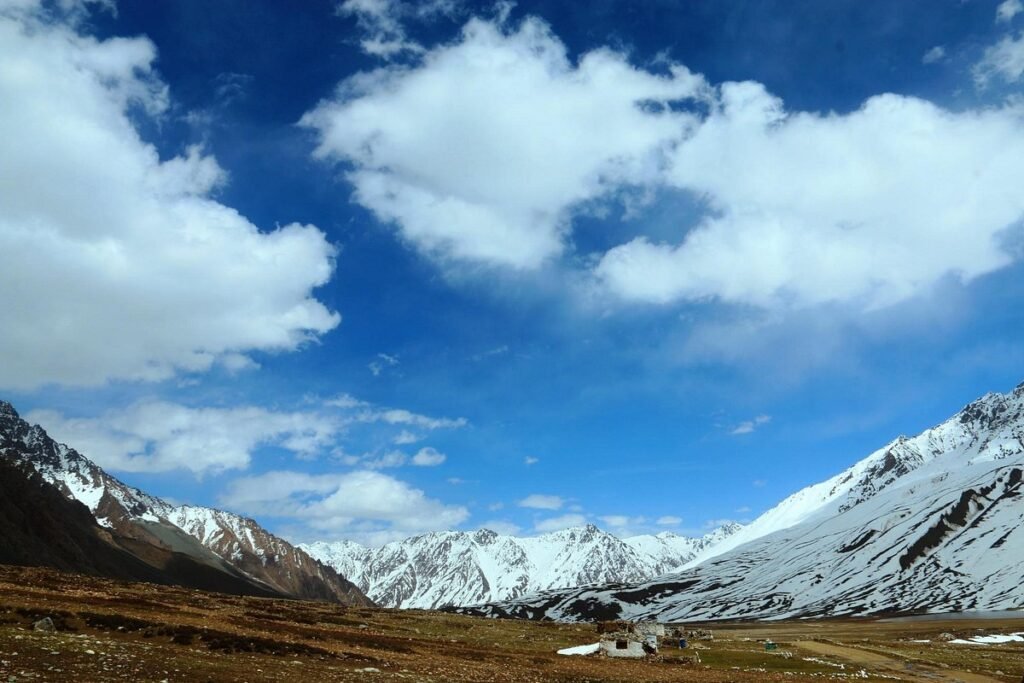
Winter temperature: -15°C to -25°C
Famous for the world’s highest polo ground, Shandur at 3,700 meters becomes completely inaccessible under heavy snow from October through May. The polo festival’s summer crowds are replaced by complete winter silence.
12. Broghil Valley (Khyber Pakhtunkhwa)
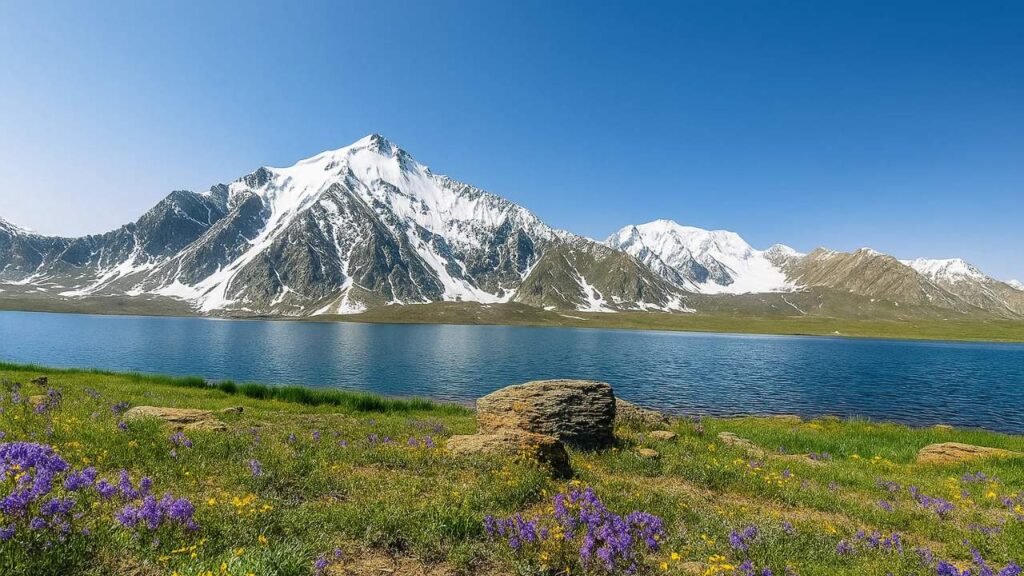
Winter temperature: -20°C to -30°C
Remote Broghil, gateway to Karambar Lake, experiences extreme isolation and cold during winter. Communities here survive through traditional techniques developed over generations, one of Pakistan’s most genuinely remote winter experiences.
13. Kalam Valley (Khyber Pakhtunkhwa)
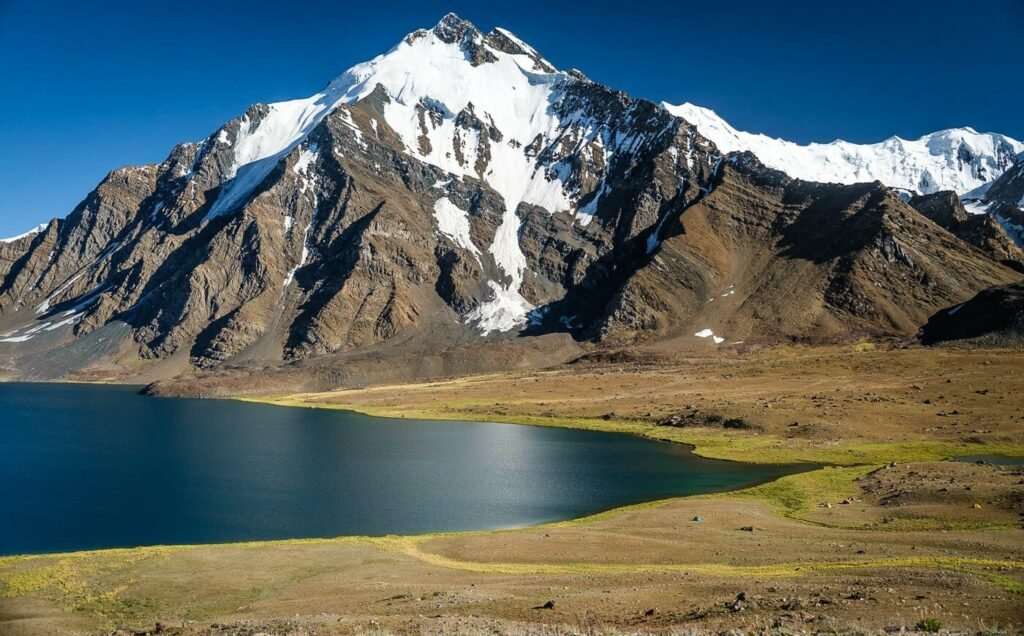
Winter temperature: -5°C to -15°C
Kalam gets heavy snow every winter. The snow blocks roads to the upper areas, like Mahodand Lake, which stays cut off from around late autumn until snow melts in late spring or early summer. The town of Kalam itself usually stays open, though the road can block for short spells after big snowstorms. Lower Kalam looks beautiful in winter, with its wooden houses covered in snow.
14. Kumrat Valley (Khyber Pakhtunkhwa)
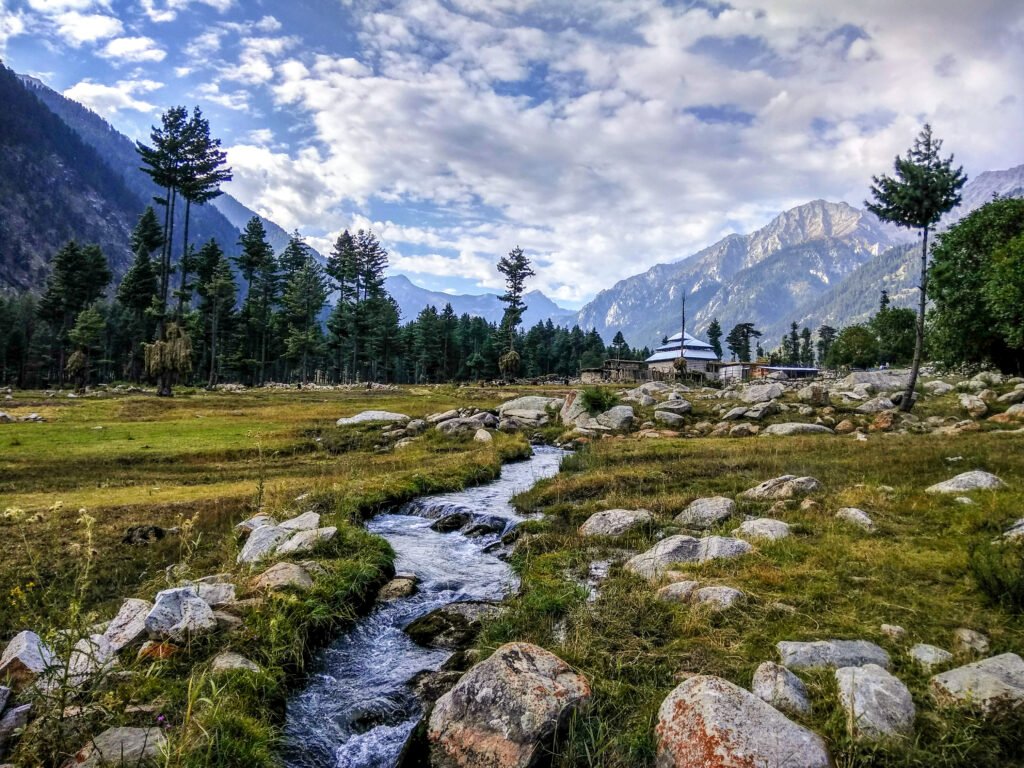
Winter temperature: -10°C to -18°C
Kumrat Valley closes completely for tourism during winter; the emerald rivers freeze, forests become snow-laden, and the valley returns to the local communities who shelter through the cold season in traditional ways.
Also Read: Best Time to Visit Kumrat Valley
15. Malam Jabba (Khyber Pakhtunkhwa)
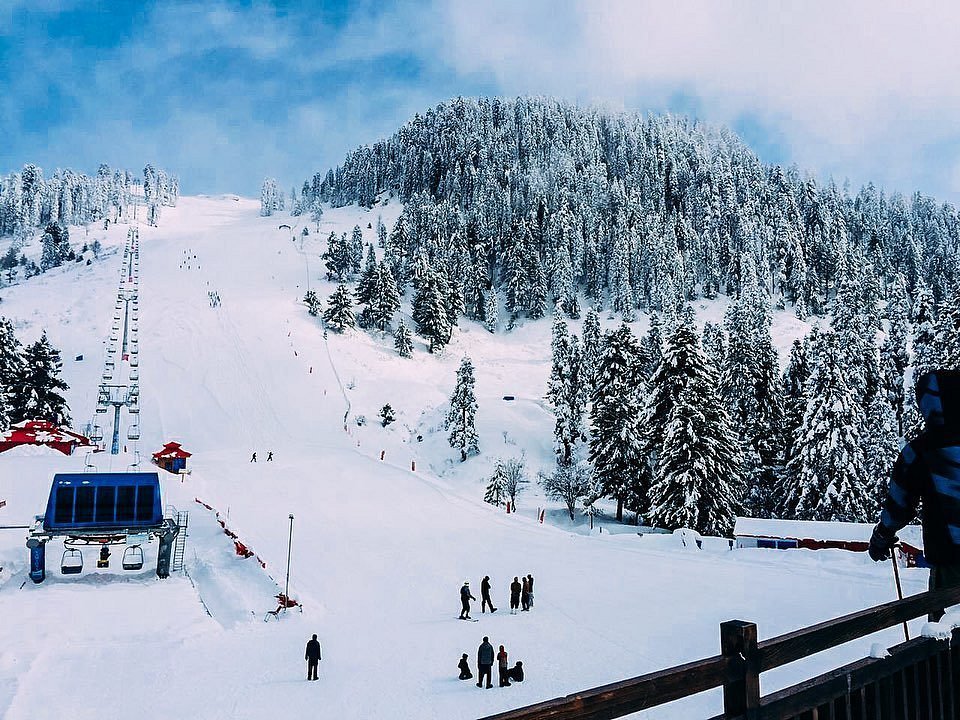
Winter temperature: -5°C to -12°C
Pakistan’s most accessible ski destination becomes active during winter snowfall. Unlike most coldest places in Pakistan, Malam Jabba’s cold is commercialized, skiing, snow tubing, and resort facilities make winter here simultaneously harsh and festive.
Also Read: Best Time to Visit Swat Kalam Malam Jabba
16. Naran Kaghan Valley (Khyber Pakhtunkhwa)
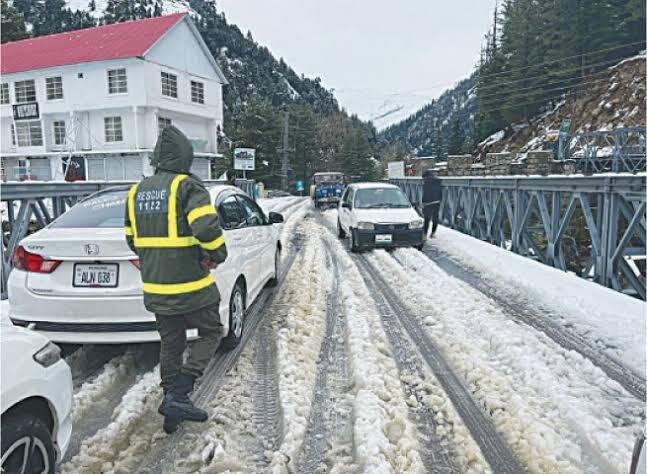
Winter temperature: -10°C to -18°C
The famous Kaghan Valley town that sees millions of summer visitors becomes almost completely deserted in winter under substantial snowfall. Lake Saif-ul-Malook freezes entirely, a dramatic transformation from the summer tourist crowds photographing the same lake.
Also Read: Best Time to Visit Naran Kaghan
Azad Jammu & Kashmir: Kashmir Cold
17. Neelum Valley (Azad Kashmir)
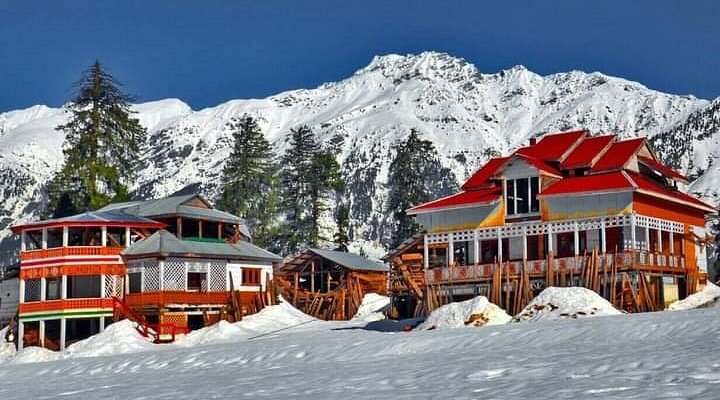
Winter temperature: -5°C to -15°C
Neelum Valley’s emerald river doesn’t freeze completely but slows dramatically as surrounding mountains receive heavy snowfall. Upper valley areas beyond Kel become inaccessible, while lower Neelum offers accessible winter scenery, making it one of AJK’s best winter destinations in Pakistan.
18. Arang Kel (Azad Kashmir)
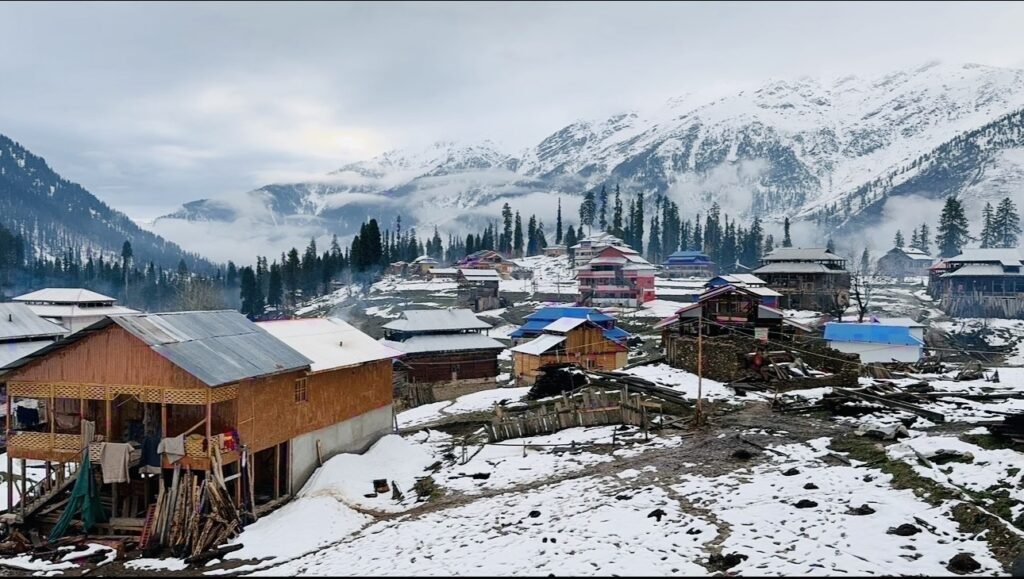
Winter temperature: -8°C to -18°C
The famous meadow above Kel, accessible by chairlift in summer, becomes a snow-covered highland completely cut off in winter. The snow depth here can exceed two meters during heavy snow years, preserving the meadow beneath until late spring.
Also Read: Best Time to Visit Neelum Valley Azad Kashmir
Punjab & Balochistan: Surprising Cold
19. Murree & Nathia Gali (Punjab)
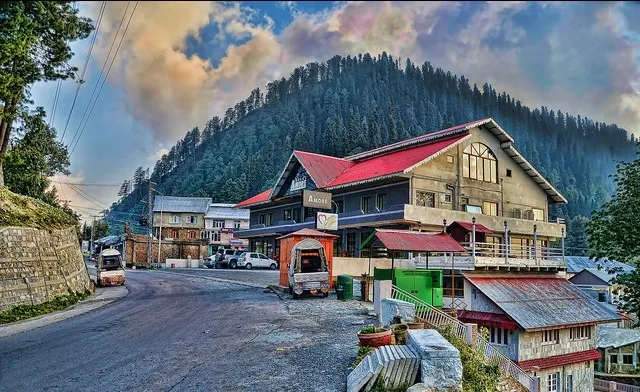
Winter temperature: -3°C to -10°C
Murree is Pakistan’s busiest snowfall spot. Crowds can turn dangerous, as in the 2022 storm that killed 23 tourists trapped in their cars. Nearby Nathia Gali offers a calmer, equally cold and snowy winter. The wider Galiyat region, spanning Punjab and Khyber Pakhtunkhwa, is one of the most reliable places near Islamabad for snow, drawing big crowds each year.
20. Ziarat (Balochistan)
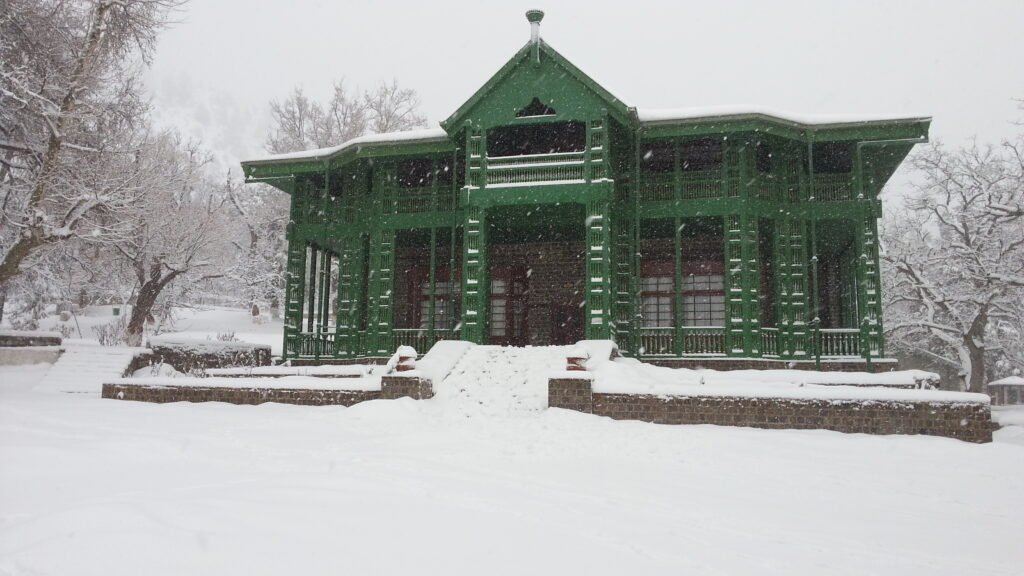
Winter temperature: -8°C to -15°C
The unexpected entry on this list: Balochistan’s cold surprise. Ziarat, known for the world’s second-largest juniper forest, sits at 2,449 meters elevation and receives significant winter snowfall from December through February. Most visitors associate Balochistan with heat; Ziarat’s winter temperatures genuinely shock first-time visitors accustomed to lowland Pakistan. The snow-covered juniper trees create one of Pakistan’s most distinctive winter photography opportunitAlso
Also Read: Best Places to Visit in Balochistan
Frequently Asked Questions
Deosai National Park, reaching -40°C in winter, is Pakistan’s coldest recorded location.
Murree, Nathia Gali, Malam Jabba, Ziarat, and lower Neelum Valley remain accessible during winter with appropriate preparation.
Murree provides the most accessible snowfall experience; Malam Jabba offers the most organised winter sports infrastructure; Kalam and Skardu provide the most dramatic snowfall landscapes for serious winter travellers.
Plan Your Winter Adventure with Eventica Travels
Experiencing Pakistan’s extraordinary winter destinations safely requires expert planning and local knowledge. Eventica Travels specializes in winter tours to all destinations on this list, from accessible Murree day trips to comprehensive Skardu winter expeditions.
ventica Travels – Exploring Pakistan’s Coldest, Most Beautiful Corners