
The question I hear most often from women considering Pakistan is some version of “But is it actually safe?” And I understand the hesitation. International media coverage rarely shows Pakistan as a place where women travel independently and have very positive experiences. Yet that’s exactly what thousands of solo female travelers in Pakistan report each year, from European travelers exploring Hunza’s mountain landscapes to local women discovering their own country’s amazing diversity.
Solo female travel in Pakistan is truly possible, more common now, and for many women, life-changing in ways they didn’t expect. This isn’t a destination where solo female travel is easy or requires no thought. It requires more cultural awareness and practical planning than traveling solo in Western Europe. But “requires preparation” is very different from “is impossible” or even “is very dangerous.”
This guide is honest. It covers real challenges alongside genuine rewards, practical details alongside cultural navigation, and specific safety points alongside the amazing experiences that make solo travel in Pakistan worth thinking about.
Is Pakistan Safe for Solo Female Travelers?
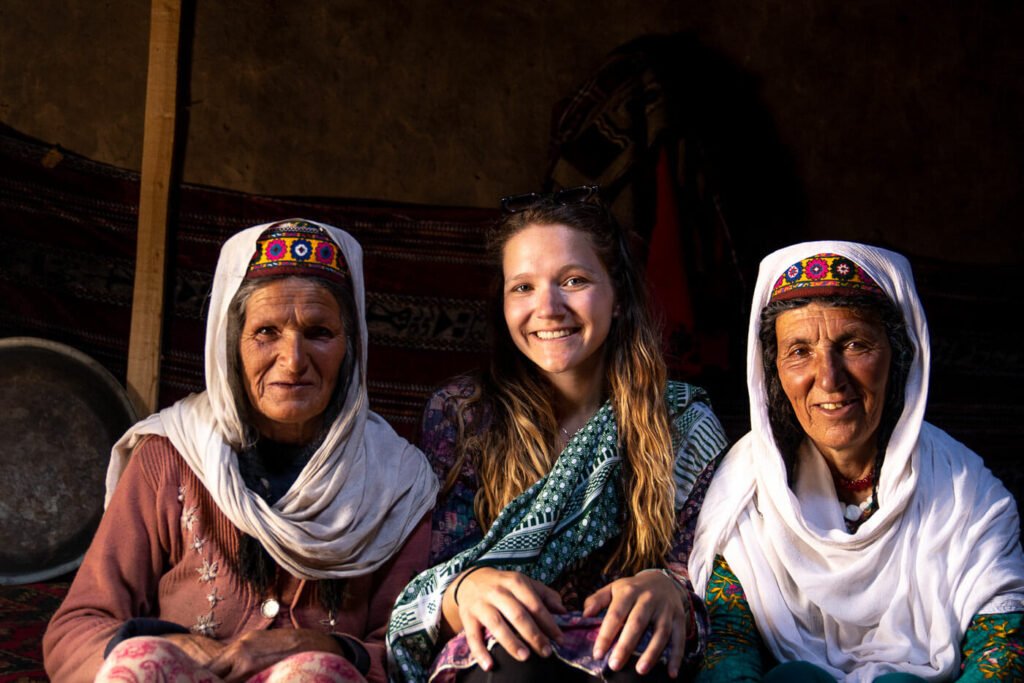
The honest, nuanced answer: yes, with appropriate awareness and preparation, and much more so than international media suggests.
Pakistan consistently surprises female travelers with the warmth of hospitality, the safety of popular tourist circuits, and the gap between perception and reality. International women traveling independently through Hunza, Islamabad, Lahore, and other major destinations regularly report feeling safer than they expected, often safer than in other international destinations they’ve visited.
What the safety picture actually looks like:
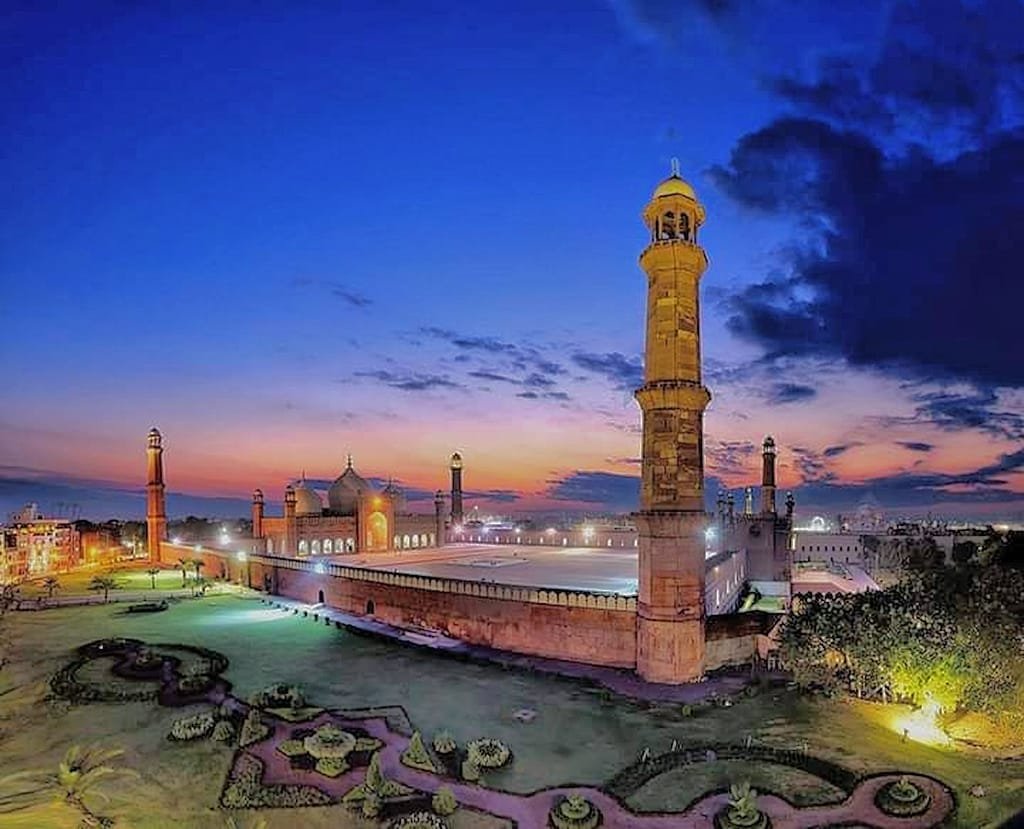
The women’s travel safety in Pakistan’s situation varies enormously by region. Islamabad is one of Asia’s most organized and relatively safe capital cities. Hunza Valley and much of Gilgit-Baltistan have strong safety records for female tourists. Lahore and other major cultural cities host substantial female tourist traffic without significant incident.
The security challenges that Pakistan faces are real, but they are geographically concentrated—mainly in the tribal border areas, parts of Balochistan, and some southern districts. These are not parts that generally get visited by tourists, men or women, and these are not parts that give Pakistan a bad name.
What Seasoned Female Travelers Advise:
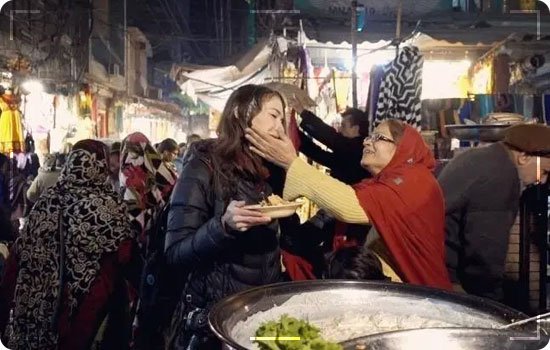
Women who have traveled solo in Pakistan consistently share stories of being treated with respect and curiosity, not hostility, of strangers offering unsolicited help and directions, and of hospitality that seems authentic, not transactional. They also describe needing to navigate attention, sometimes overwhelming attention from people curious about foreign women travelers, and cultural expectations around dress and behavior that require adjustment from Western habits.
The honest complexity: Pakistan’s patriarchal social structures mean female travelers experience a different environment to male travelers. It doesn’t mean danger necessarily. It translates into cultural navigation that requires awareness and adaptability.
Best Places in Pakistan for Solo Female Travelers
Some destinations in Pakistan are particularly well-suited for solo female traveler Pakistan experiences due to established tourism infrastructure, safety records, and traveler-friendly environments:
Hunza Valley
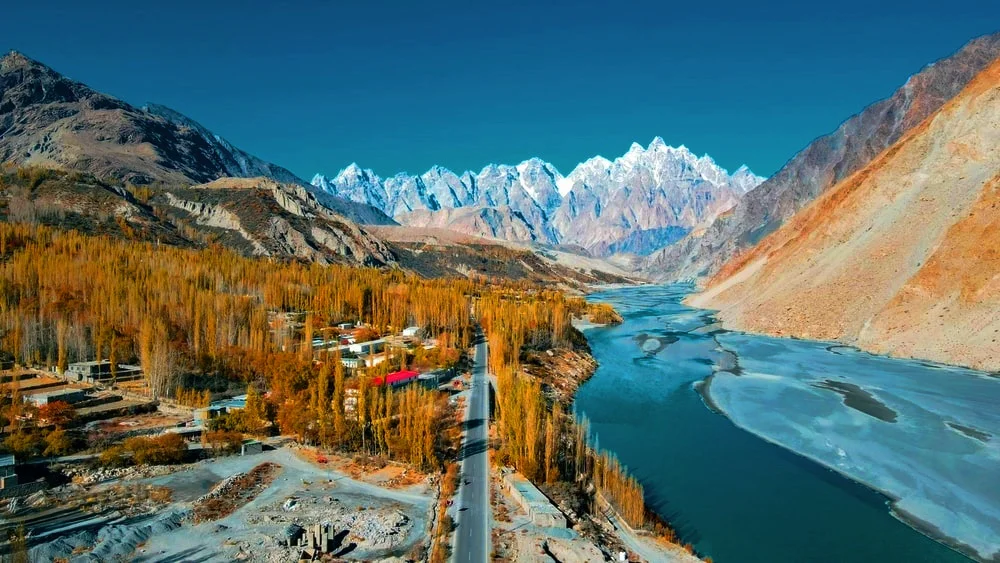
Hunza consistently ranks as the top recommendation for solo female travel Pakistan. The Ismaili Muslim community that predominates in Hunza has a cultural tradition of relatively progressive gender attitudes, women participate openly in community life, tourism work, and social spaces. International female tourists are genuinely common here, meaning local communities are accustomed to solo female visitors.
The concentration of guesthouses, tour operators, and fellow travelers in Karimabad creates a support network that makes solo travel comfortable. Female travelers regularly describe Hunza as the location where Pakistan defied their expectations most dramatically.
Islamabad
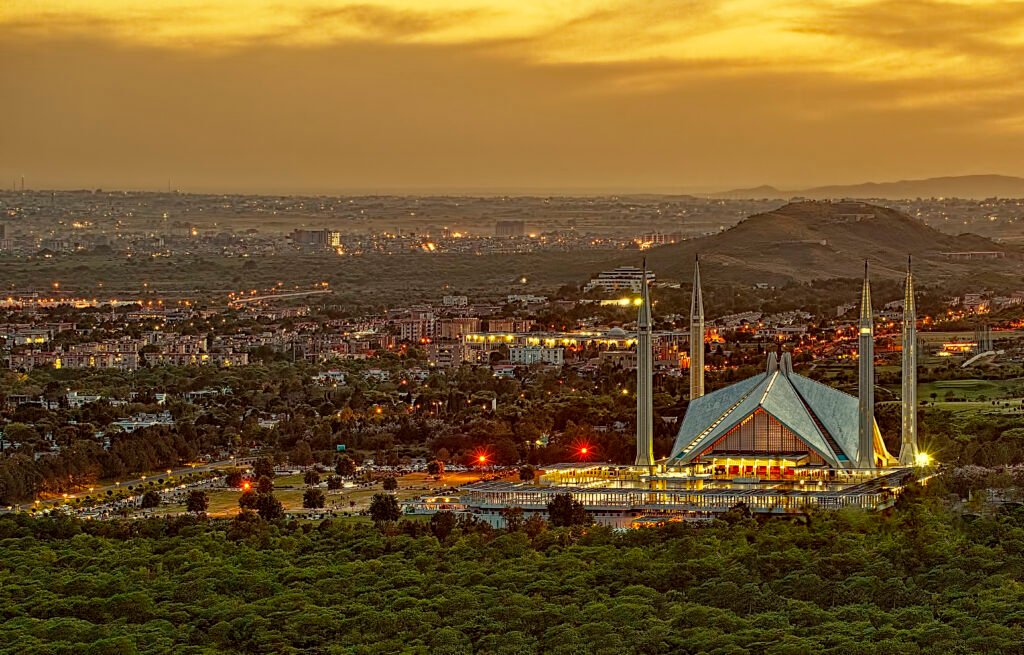
Pakistan’s planned capital offers the most comfortable infrastructure for solo female travelers. The city is organized, relatively clean, has excellent accommodation across all price ranges, and hosts significant international community and diplomatic presence that creates a cosmopolitan environment more accustomed to independent female travelers.
F-7, F-6, and Jinnah Super market areas are comfortable for solo female exploration. Margalla Hills hiking trails attract Pakistani families and are safe for solo female hikers during daylight hours.
Lahore
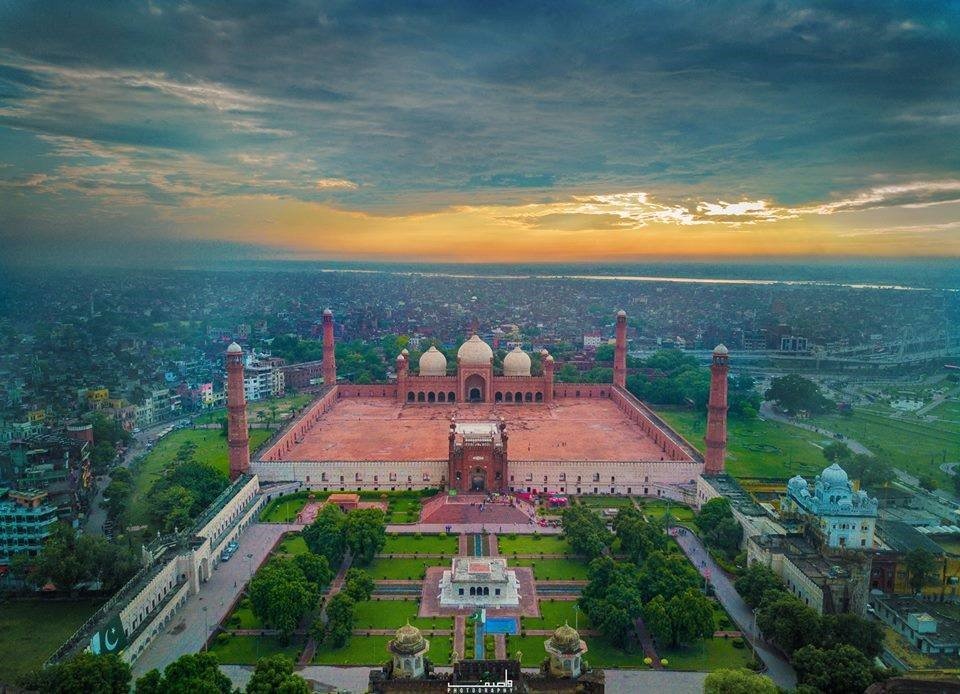
The cultural heart of Punjab, Lahore rewards exploration with world-class Mughal heritage, vibrant food culture, and a more cosmopolitan urban atmosphere than many Pakistani cities. The Walled City, Lahore Fort, Badshahi Mosque, and Liberty Market areas all see regular female tourists.
Lahore requires more cultural awareness than Hunza or Islamabad, the more traditional areas of the old city demand modest dress and awareness of behavior, but rewards engagement with extraordinary heritage experiences.
Swat Valley
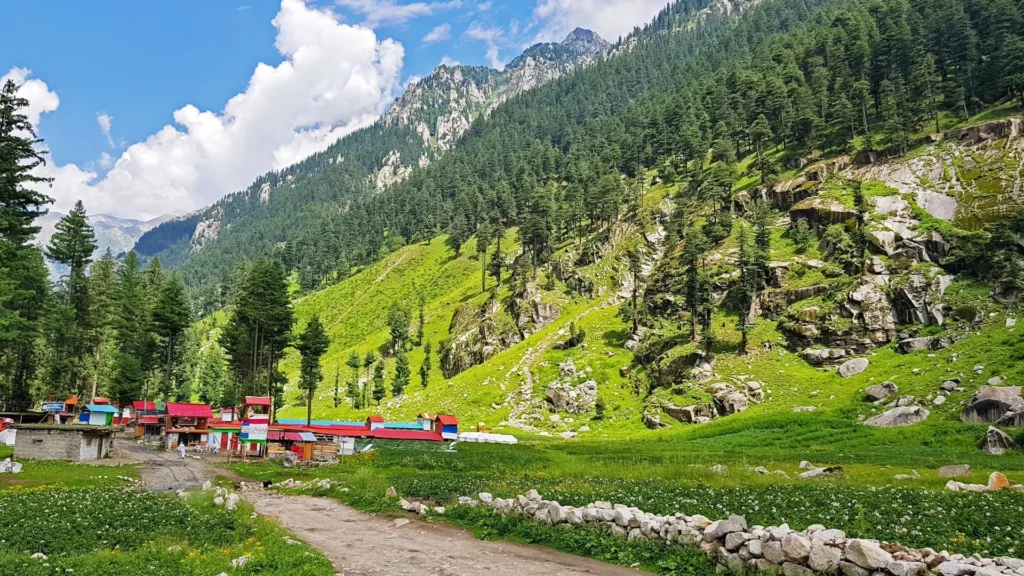
Post-2009 security improvement has made Swat Valley increasingly comfortable for female travelers, particularly in the main tourist circuit between Mingora and Kalam. The valley’s Buddhist heritage sites, beautiful mountain scenery and developing tourism infrastructure are supportive of a visit by solo females with the right cultural awareness.
Skardu and Gilgit-Baltistan
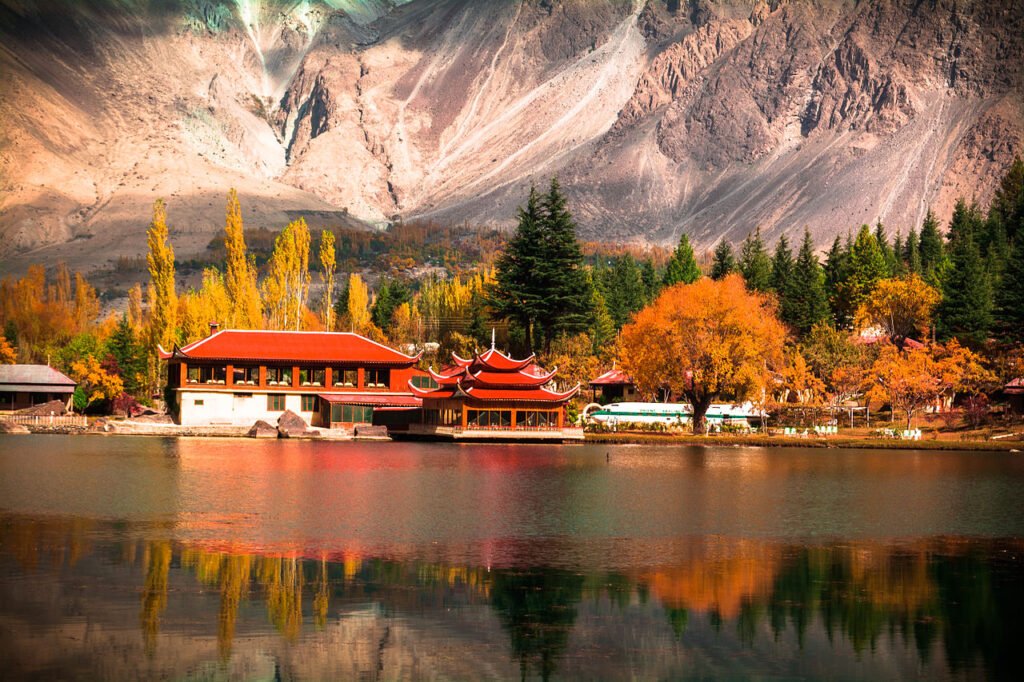
The broader Gilgit-Baltistan region offers extraordinary experiences for adventurous solo female travelers. Beyond Hunza, Skardu, Fairy Meadows, and the northern mountain circuit are increasingly visited by independent female travelers. The remoteness creates logistical challenges that make tour operators or at minimum local guides a sensible consideration for solo female visitors to more remote destinations.
Naran, Kaghan, and Northern KPK.
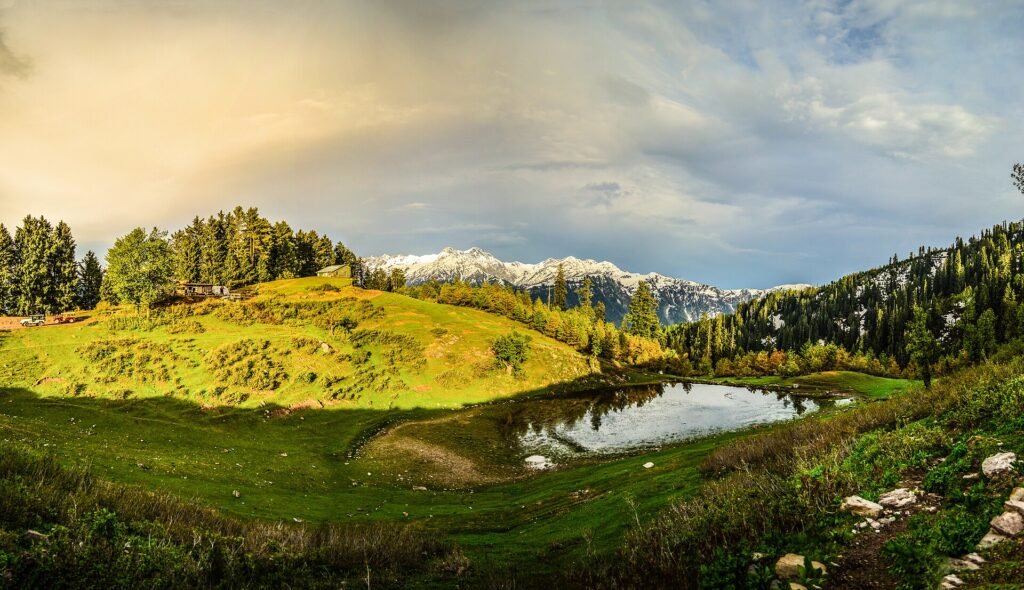
The Kaghan Valley and its surroundings attract enormous domestic tourism including Pakistani families, making it a relatively comfortable environment for solo female travelers who are culturally aware. The presence of many Pakistani families in tourist areas provides social context that makes solo female travel feel more integrated rather than conspicuously anomalous.
Also Read: Best Time to Visit Naran Kaghan & Shogran: A Seasonal Guide
What to Expect as a Female Traveler in Pakistan
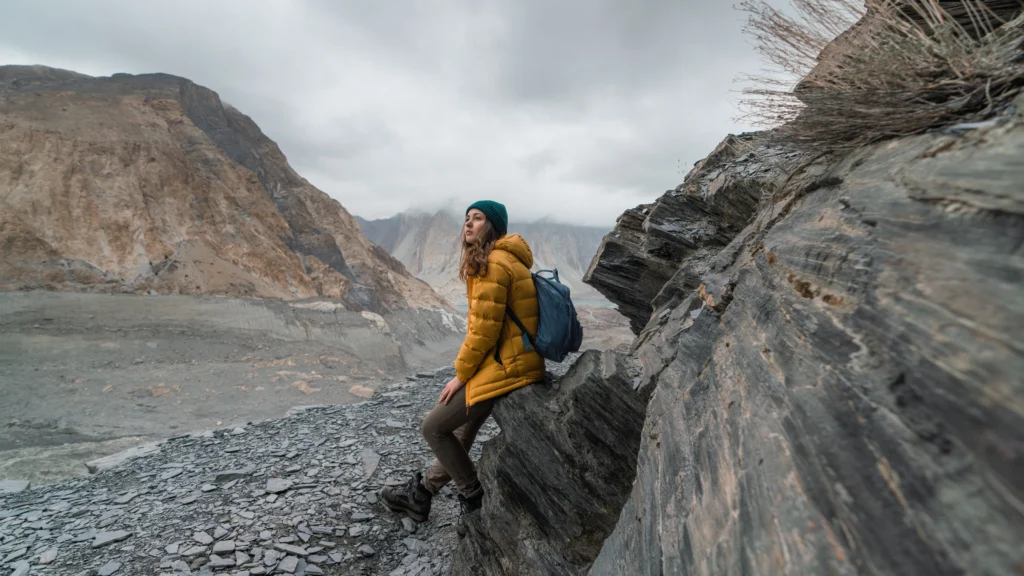
Attention: As a solo female traveler from a foreign country, you will get attention. Especially in places where international tourists don’t frequent as much. This attention is overwhelmingly curious it is not threatening. Be prepared to be asked about your nationality, marital status (Pakistani people will frequently ask if you are married), why you are traveling alone and what you think of Pakistan. Most of these questions come from genuine curiosity rather than inappropriate interest.
Hospitality: The famous Pakistani hospitality isn’t a cliché, it’s real. Strangers will offer you tea, families will invite you to eat with them and people will help you find your way with real enthusiasm. Learning to accept hospitality graciously while maintaining appropriate personal boundaries is part of the Pakistan travel for women skill set.
Gatekeeping: Local men sometimes act as informal guardians or guides for obvious solo female travelers. It’s more benign than menacing, usually. It is a kind of hospitality of culture, but it can be overwhelming. Having clear plans and communicating them confidently helps manage unsolicited guardianship.
Real safety: Most female travelers to Pakistan don’t encounter any serious safety issues. The only risks that exist are petty theft and occasional harassment , which exist in many world destinations and are handled with standard travel precautions .
Cultural dissonance: Some aspects of Pakistan’s social life may be constraining for women brought up in a Western social milieu. Travel in a conservative Muslim country is a real experience that requires psychological preparation for limited mixed-gender social spaces, dress expectations and occasional exclusion from male-dominated spaces.
How to Travel Safely in Pakistan
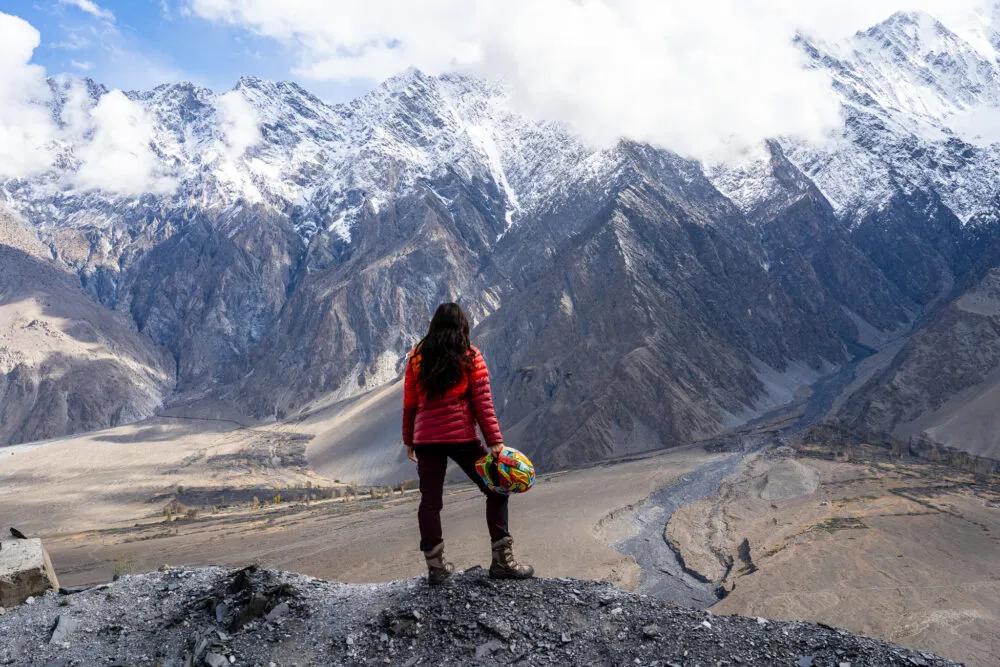
Research before departure: Find out which areas are safe for tourism right now and which ones have travel warnings. The situation changes often. Check the FCO, the US State Department, and recent traveler reports, along with women’s travel forums focused on Pakistan.
Use reputable accommodations: Stick to well-known hotels and guesthouses with real reviews, especially in your first few days. These places are used to hosting international travelers. They understand safety concerns and can point you toward good options for the rest of your trip.
Share your itinerary: Always let someone know your plans, whether it’s a travel companion, a family member back home, or your hotel. Tell them where you’re going and when to expect to hear from you. This matters even more in remote areas.
Trust your instincts: Safety signals in Pakistan may not always match what you’re used to at home. If something feels off, treat it as a warning sign, even if you can’t explain why.
Connect with the female traveler community: Facebook groups, travel forums, and Instagram accounts made for women traveling in Pakistan are full of recent, first-hand advice from people who’ve been where you’re going.
Have local contacts: A tour operator, a hotel owner, or someone recommended by other travelers can give you support and useful information in different cities.
Secure your valuables: Use a money belt, keep copies of your documents separate from the originals, and keep your phone secure. These basics matter here just as much as anywhere else.
What Should Women Wear in Pakistan?
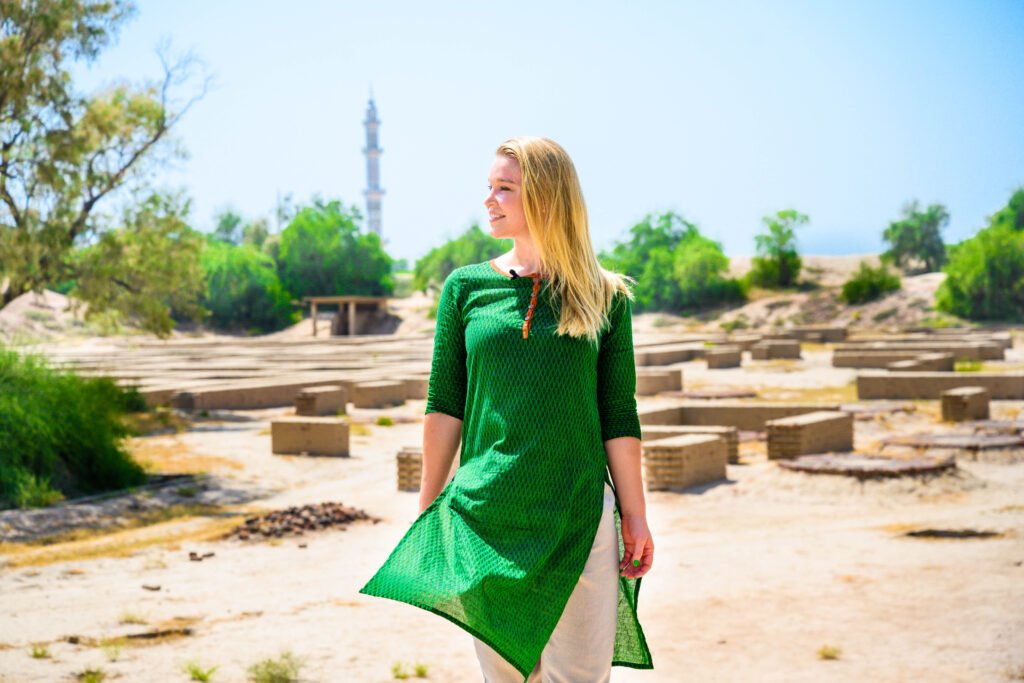
The fundamental principle: modest, loose clothing that covers arms and legs is the practical standard for comfortable travel throughout most of Pakistan.
Practical wardrobe:
Shalwar Kameez: The most practical and culturally comfortable choice, the national dress of Pakistan that women wear throughout the country. Wearing shalwar kameez accomplishes multiple things simultaneously: you’re dressed appropriately for conservative environments, you receive less attention as “obviously foreign,” you demonstrate cultural respect, and you’re actually comfortable in warm weather (loose-fitting and breathable). Many female travelers purchase shalwar kameez upon arrival in Lahore or Islamabad, inexpensive, locally appropriate, and available everywhere.
Dupatta (head covering): Carrying a large scarf or dupatta that can cover your head when entering religious spaces or very conservative areas is essential. You don’t need to wear it constantly, assess the environment, but having it accessible means you’re never without appropriate covering when needed.
For northern areas (Hunza, Skardu): Regulations around dress are somewhat more relaxed in the more progressive Ismaili-majority communities of Gilgit-Baltistan. Long trousers and loose shirts are acceptable in Hunza in most contexts, though modest coverage is still advisable. The altitude and temperature also demand warmer clothing that naturally tends toward more coverage.
Urban environments: Islamabad is Pakistan’s most relaxed dress environment, Pakistani women wear diverse clothing here including more fitted styles. Even here, solo female travelers benefit from dressing more conservatively than they might at home.
What to avoid: Very tight or revealing clothing, shorts, sleeveless tops, or anything that draws unnecessary attention. This isn’t about compliance with repression, it’s about practical travel that avoids creating friction in environments with different cultural norms.
Getting Around Pakistan as a Solo Woman
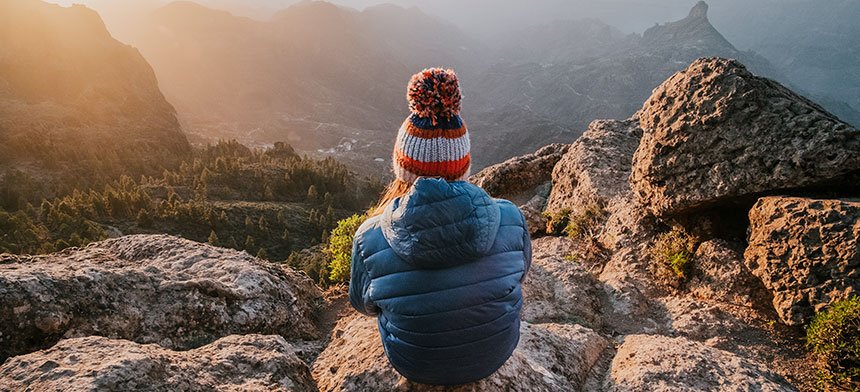
Ride-hailing apps are strongly recommended for solo female travelers. You can see the driver’s name and photo, track your trip on the map, and pay through the app instead of with cash. This is much safer than flagging down a random taxi on the street. Lots of Pakistani women use these apps every day. They’re common, safe, and comfortable to use.
Women-only compartments: Long-distance trains have a compartment set aside just for women, usually called the ladies compartment. It’s a good option for women traveling alone, and other passengers tend to leave it alone.
Women-only bus seats: Many bus companies reserve seats near the front, or sometimes a whole section, for women only. Tell the staff you’re traveling alone and they’ll usually sort out a seat for you there.
Domestic flights: PIA flights between major cities, like Islamabad to Gilgit, Islamabad to Skardu, or Islamabad to Lahore, are an easy way to cover long distances. Security at the airports is tight too, so you’re in good hands once you’re through the gate.
Avoiding night travel: Solo female travelers should minimize night travel on roads, particularly in unfamiliar areas or less-traveled routes. If you must travel at night, use reputable services with other passengers.
Jeep travel in northern areas: The remote mountain areas of Gilgit-Baltistan involve jeep travel with drivers. Arrange jeep transport through your hotel or a reputable local tour operator rather than with random drivers, the reference and accountability makes a meaningful difference.
Where Should Solo Female Travelers Stay?
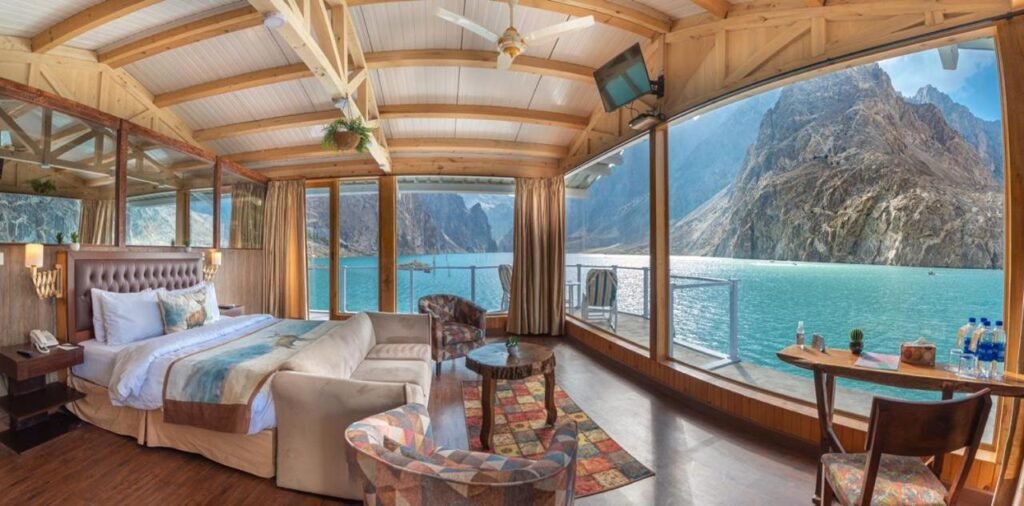
Established guesthouses and hotels: Places with strong reviews from international travelers are usually the safest bet. Guesthouse owners in tourist spots, especially in Karimabad in Hunza, know how to host solo female travelers and understand the local culture well enough to guide you through it.
Female-friendly properties: Some guesthouses have built a name for themselves among female travelers specifically. Check travel forums and social media groups before you book, women who’ve stayed there often share honest feedback.
Avoid unmarked or locally-oriented hotels: Basic hotels that mostly serve local male business travelers don’t suit solo female travel. The setup, the staff, and the general vibe are built for a different kind of guest.
Hostels: Pakistan’s hostel scene is growing in cities like Karimabad, Islamabad, and Lahore. These places are cheap and give you a chance to meet other travelers, so you’re not doing the whole trip alone.
Communicate your solo status when booking: Tell the property you’re traveling alone. A decent guesthouse or hotel will know what to do with that information, from room placement to basic safety steps.
Also Read: Best Hotels in Hunza for Female Travelers: Safe & Comfortable Stays
Cultural Etiquette for Female Travelers
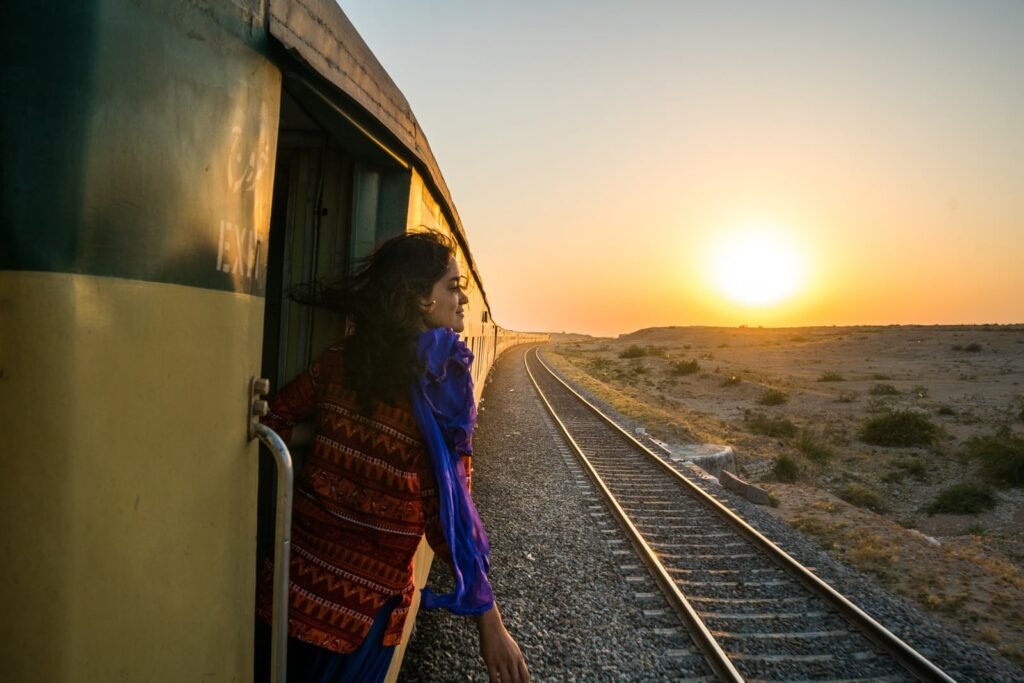
The male companion question: Here’s something worth knowing upfront. Travel with a man, whether he’s a guide, driver, or just a friend, and a lot of situations get simpler. That’s not a knock on Pakistan, it’s just how things work here. Plenty of solo female travelers get around this by booking a tour operator who supplies a guide, and that guide ends up smoothing over the interactions that would otherwise take more effort.
Avoiding physical contact: Don’t stick your hand out first when meeting a Pakistani man. Let him make that move if he wants to. A lot of conservative men simply won’t touch a woman outside their family, and once you know that, it stops feeling awkward.
Navigating family questions: People will ask about your marriage status, your family, why you’re traveling by yourself, and they’re not being rude. That’s just normal conversation here. Have an answer ready so it doesn’t catch you off guard. Something like “I’m meeting friends later” or “I’m visiting colleagues” tends to wrap up the small talk quickly.
Photography etiquette: Ask before you photograph a woman, especially outside the big cities. If she says no, that’s the end of it, no second attempt, no lingering camera.
Religious spaces: Shoes off before you walk into a mosque. Cover your hair and arms. Follow whatever seating setup is in place for men and women. And check first, some mosques simply don’t let non-Muslims in.
Common Challenges for Solo Female Travelers
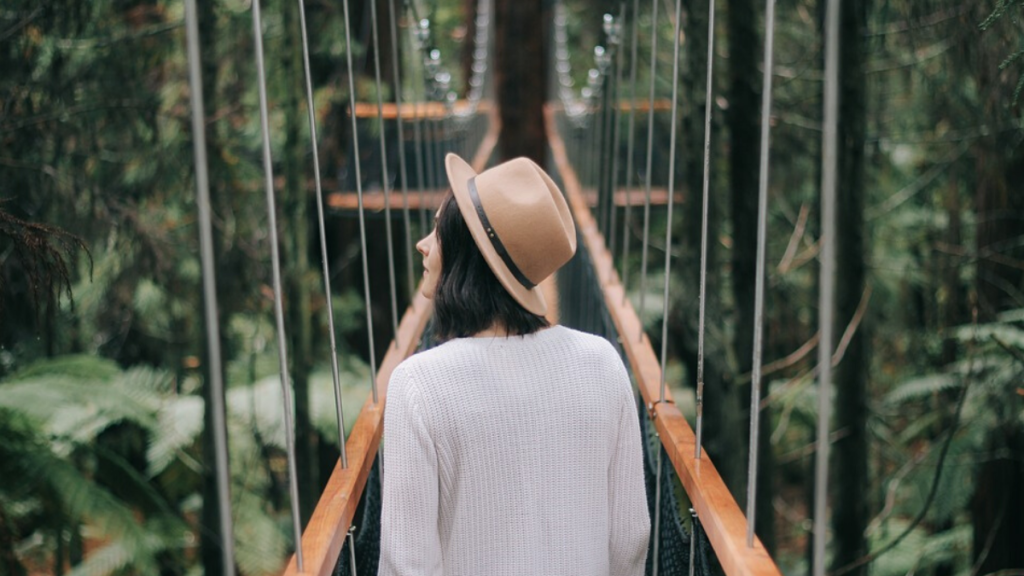
Navigating attention: Away from the usual tourist spots, a solo woman, especially a Western one, tends to draw a lot of stares and comments. It gets tiring fast. Put on headphones, even if nothing’s playing, walk with purpose, and if someone tries to strike up a conversation you don’t want, a polite but firm “no thanks” usually ends it without drama.
Male-dominated spaces: Certain restaurants, bus stations, and other public spots in Pakistan are mostly filled with men, and a woman on her own will stand out there. Know where you’re going before you walk in. The less time you spend looking around or hesitating, the less attention you draw.
Unsolicited advice: Well-meaning Pakistani men frequently offer unsolicited advice, directions, assistance, and warnings to obviously foreign solo female travelers. Receiving this graciously while politely declining what you don’t need requires patience.
Finding female company: One of solo travel’s joys is meeting fellow travelers, but the solo female community on Pakistan’s tourist circuit, while growing, is smaller than in established Southeast Asian or European backpacker destinations. Connecting with female-focused travel groups before arrival helps arrange potential connections.
Physical comfort: Long-distance transport, basic accommodation in remote areas, altitude considerations in the north, and physical demands of trekking or hiking all require physical preparation that male travelers also face but that can be compounded by the additional cognitive load of cultural navigation.
Solo Female Travel Tips for Northern Pakistan
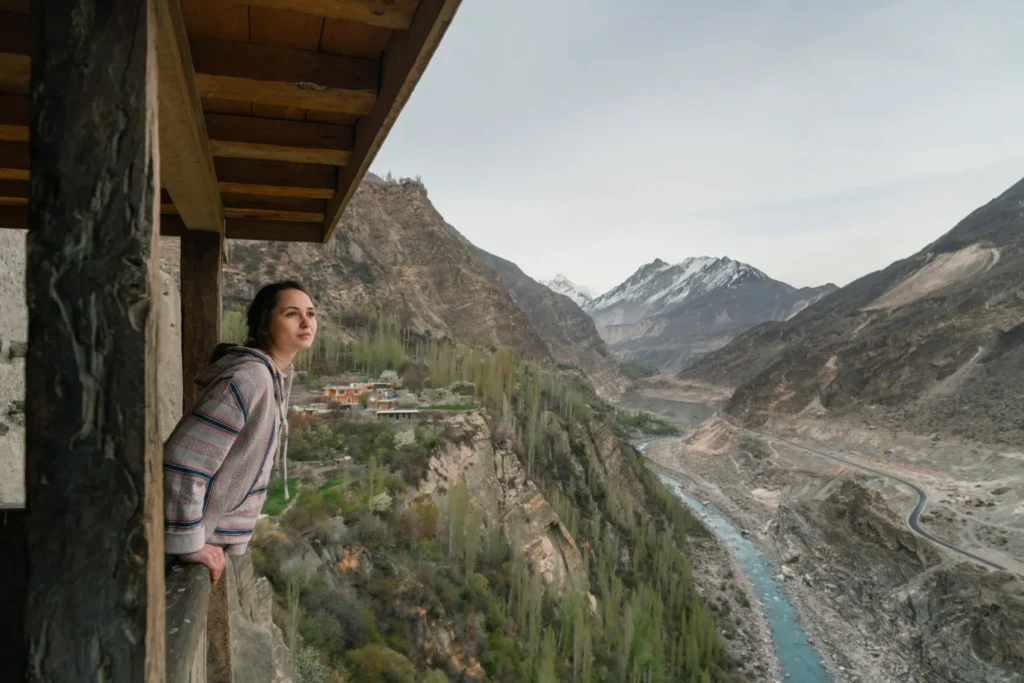
Northern Pakistan, particularly Hunza, Gilgit-Baltistan, and the Karakoram Highway corridor, represents the most accessible and rewarding Pakistan solo travel destination for women specifically:
Hunza is genuinely different: The social environment in Hunza, particularly among the Ismaili community, is meaningfully more progressive than much of Pakistan. Female travelers find they can explore, eat, and move through Karimabad with less complication than in most Pakistani cities.
Guesthouses are the hub: Hunza’s guesthouses pull in travelers from all over the world, and that mix creates a kind of built-in community. Solo female travelers often team up with people they meet there for hikes, day trips, or other outings.
Female Hunzai guides exist: A few local guide services in Hunza offer female guides. That’s a solid option if you want to experience the culture up close while feeling more at ease with a woman leading the way.
The higher you go, the fewer people: Remote trekking destinations beyond the main Hunza tourist circuit have fewer locals accustomed to international female travelers. This doesn’t make them unsafe, but it does make local guide accompaniment more important.
Cherry blossom season crowds help: The April-May blossom season brings maximum international tourist traffic to Hunza, for solo female travelers, this crowd concentration creates the most comfortable environment for independent exploration.
When to Consider a Local Guide or Private Tour
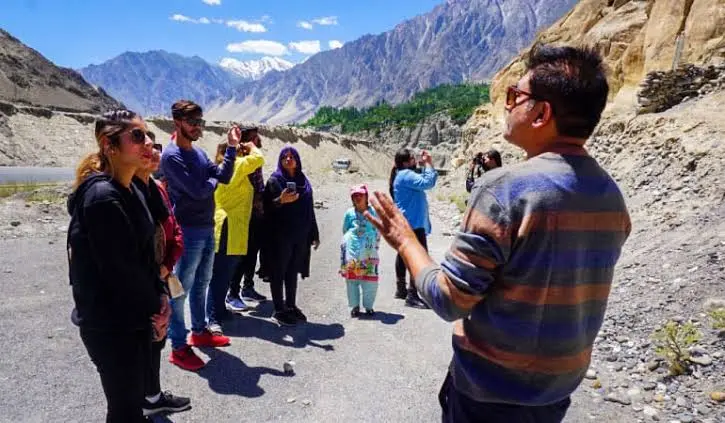
Pakistan travel tips for women almost always circle back to one thing: hire a local guide or private tour operator. It makes solo travel here easier, and honestly, often more fun.
When a guide is particularly valuable:
- Remote northern areas: Off the main tourist routes, a local guide helps you get around, bridges cultural gaps, and handles the practical stuff that would otherwise be a headache.
- First-time visitors to Pakistan: The learning curve is steep at first. A guide flattens it out.
- Non-tourist areas: If you’re heading to cities or regions most international visitors skip, a guide opens doors you wouldn’t find on your own.
- Specific cultural experiences: Things like village visits, home hospitality, or local events usually need someone to introduce you first.
- Confidence management: Some women simply feel more at ease with a knowledgeable local by their side. It cuts down on the mental effort of figuring out every situation yourself.
Eventica Travels offers female-friendly tour services for solo women traveling across Pakistan. Our guides know what matters for safety, handle the cultural side of things, and build itineraries that keep both comfort and experience in mind.
Frequently Asked Questions
Yes, with appropriate preparation, cultural awareness, and smart logistics. Pakistan’s popular tourist areas have strong safety records for international female travelers. The gap between international perception and the experiences reported by women who’ve actually traveled in Pakistan is substantial. This doesn’t mean risk is zero or that preparation is unnecessary, it means that prepared, culturally aware female travelers consistently have positive, rewarding experiences.
Yes. Thousands of women, Pakistani and international, travel alone in Pakistan annually. The experience requires more cultural awareness than solo travel in some other destinations, but it’s entirely feasible and increasingly common. Pakistani women traveling alone for work, study, and leisure is a normal reality in urban Pakistan, and the infrastructure for female travel has improved significantly.
Hunza Valley tops most recommendations, followed by Islamabad, Lahore, and the broader Gilgit-Baltistan region. Swat Valley and the Kaghan Valley offer excellent experiences with appropriate cultural awareness. The northern mountain circuit is generally considered the most comfortable region for independent female travel in Pakistan.
Yes, Hunza is specifically recommended as Pakistan’s most comfortable destination for solo female travelers. The Ismaili Muslim community’s progressive social values, the established international tourism infrastructure, and the concentration of international travelers in Karimabad all contribute to an environment where solo female travel is genuinely comfortable.
Loose, modest clothing covering arms and legs is the practical standard. Shalwar kameez is the most culturally comfortable and practically appropriate choice. Carry a large scarf for covering your head when entering religious spaces. Dress more conservatively in rural and traditional areas than in urban environments like Islamabad.
Generally yes with appropriate precautions. Ride-hailing apps (Uber, Careem) are strongly recommended in cities, they provide driver identification and journey tracking. Women-only compartments on trains and designated seats on bus services provide specifically appropriate options for long-distance travel. Avoid night travel on unfamiliar routes when possible.
It depends on your destination, experience level, and comfort with cultural navigation. For remote northern areas, first-time Pakistan visitors, and off-tourist-circuit destinations, a local guide significantly improves both safety and experience. For well-established tourist areas like Karimabad in Hunza, experienced solo travelers can manage independently with appropriate cultural preparation.
Understand the dress code requirements and practice modest dressing before arrival. Research your specific destinations’ safety and cultural context. Connect with the online community of female Pakistan travelers for current, specific advice. Have local contacts in each destination, whether a hotel, tour operator, or other traveler. Plan logistics around avoiding night travel. Have offline maps downloaded. And genuinely prepare to be surprised, most women find Pakistan far more hospitable and fascinating than they anticipated.
April-May and September-October are generally optimal, comfortable temperatures across most regions, manageable crowd levels, and excellent conditions for outdoor exploration. The April-May blossom season in Hunza is particularly recommended for first-time female travelers as the international tourist concentration creates the most comfortable environment for independent travel.
Yes. International female travelers from Europe, North America, Australia, East Asia, and elsewhere visit Pakistan independently every year. Pakistan’s e-visa system makes entry straightforward for most nationalities. The international tourist circuit in northern Pakistan specifically has infrastructure and community well-suited to foreign female independent travelers. Many embassies advise exercising caution rather than advising against travel, read advisories carefully for their specific regional recommendations rather than treating country-wide advisories as uniform prohibitions.
Plan Your Solo Pakistan Adventure with Eventica Travels

Solo female travel in Pakistan reaches its full potential with the support of a knowledgeable, female-friendly tour operator who understands both the extraordinary experiences available and the specific considerations that make women’s travel most comfortable and rewarding.
Eventica Travels has extensive experience supporting solo female travelers across Pakistan, from independent itinerary planning and accommodation recommendations to fully guided private tours that handle cultural navigation while maximizing authentic experiences.
How Eventica Travels Supports Solo Female Travelers
✅ Female-sensitive itinerary planning: Routes and destinations specifically suited to solo female travel comfort
✅ Verified accommodations: Properties with established track records for female traveler safety and comfort
✅ Cultural preparation: Pre-departure briefings on cultural etiquette, dress, and social navigation
✅ Local female guide options: Female guides available for specific destinations
✅ 24/7 support: Real support from our local team throughout your journey
✅ Flexible arrangements: From fully guided private tours to partial support for independent travelers
✅ Emergency protocols: Clear procedures and local contacts for any situation requiring support
Featured Solo Female Travel Packages
🏔️ Customized Private Tours for Northern Areas of Pakistan
🌟05 DAYS & 04 NIGHTS SKARDU, SHIGAR, DEOSAI AND BASHOO VALLEY BY AIR (VIA DIRECT FLIGHT FROM KARACHI)
ALL GIRLS GROUP TRIP
Starting from Rs. Rs. 145,000/. (Per Person on Quad Sharing) – Rs. 155,000/. (Per Person on Triple Sharing) – Rs. 165,000/. (Per Person Twin Sharing)
Conclusion: The Pakistan That Awaits You
Female travel in Pakistan is one of the most consistently surprising positive experiences women report from international travel. The gap between expectation and reality, created by media coverage that rarely engages with the complexity of a country this diverse, means that prepared female travelers arrive with caution and leave with stories of hospitality, beauty, and cultural richness that they struggle to adequately convey to people who haven’t been.
Pakistan isn’t a destination for passive tourism. It rewards engagement with the culture, the people, the landscape, and the history. For solo female travelers willing to bring cultural awareness, practical preparation, and genuine openness, the rewards are extraordinary.
The mountains of Hunza, the Mughal magnificence of Lahore, the ancient civilizations of Taxila, and the turquoise lakes of Skardu, these experiences are available to you. Not without thought or preparation. But available, genuinely and richly.
Eventica Travels – Supporting Women Who Travel Pakistan
“Pakistan surprises nearly every woman who visits. It will likely surprise you too, in ways you didn’t anticipate and couldn’t predict from a distance.”