

There are places that photographs prepare you for, and then there’s Deosai. No image quite captures what it feels like to stand on a plateau that stretches to every horizon at over 4,000 meters, where the air is thin, the wildflowers are impossibly vivid, and the nearest town is hours of rough road behind you. Deosai National Park is one of those rare destinations that delivers more than expected, and what’s expected is already extraordinary.
Known as the “Land of Giants,” Deosai is one of the world’s highest plateaus, sitting at an average elevation of 4,114 meters above sea level. For most of the year it’s buried under several meters of snow, inaccessible and silent. But from June through September, it transforms into something that’s difficult to describe without sounding like you’re exaggerating: vast rolling meadows covered in wildflowers, crystal lakes reflecting open sky, brown bears moving through the grassland, and a silence so complete it has its own texture.
This comprehensive guide covers everything you need to plan a Deosai trip, routes, timing, costs, itineraries, and the practical details that make the difference between a great experience and a frustrated one.
Where Is Deosai National Park?
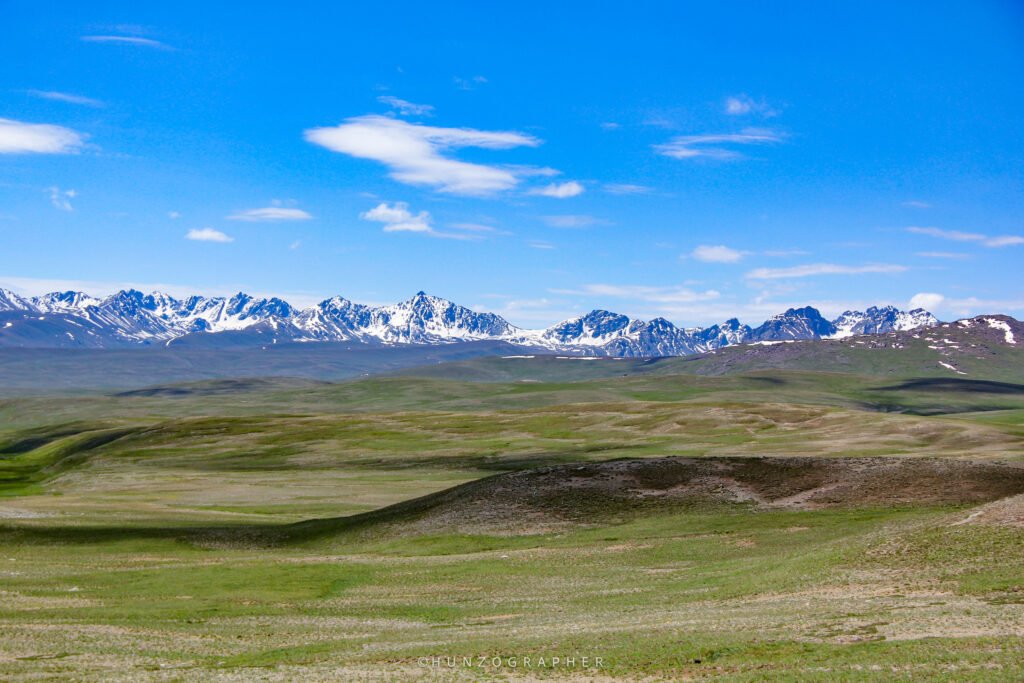
Deosai National Park is located in Gilgit-Baltistan, Pakistan, straddling the boundary between Skardu District and Astore District. The park covers approximately 3,000 square kilometers of high-altitude plateau, making it Pakistan’s largest national park by area, at an average elevation of 4,114 meters (13,497 feet) above sea level.
Geographically, Deosai sits between two approach corridors: the Skardu Valley to the north and the Astore Valley to the southwest. This positioning between two mountain systems creates the plateau’s characteristic openness, you’re effectively standing on a high shelf between ranges, which explains both the extraordinary views and the extreme weather.
Coordinates: Approximately 34.9° N, 75.4° E
Distance from major points:
- Skardu city: Approximately 30 kilometers to the plateau entrance (1.5–2 hours by jeep)
- Gilgit: Approximately 180 kilometers (via Astore, 5–6 hours)
- Islamabad: Approximately 700+ kilometers (fly to Skardu, then drive)
The park shares its eastern boundary with Ladakh (Indian-administered Jammu & Kashmir) and is part of the larger Karakoram–Pamir mountain ecosystem that also includes Central Karakoram National Park to the north.
Why Visit Deosai National Park?
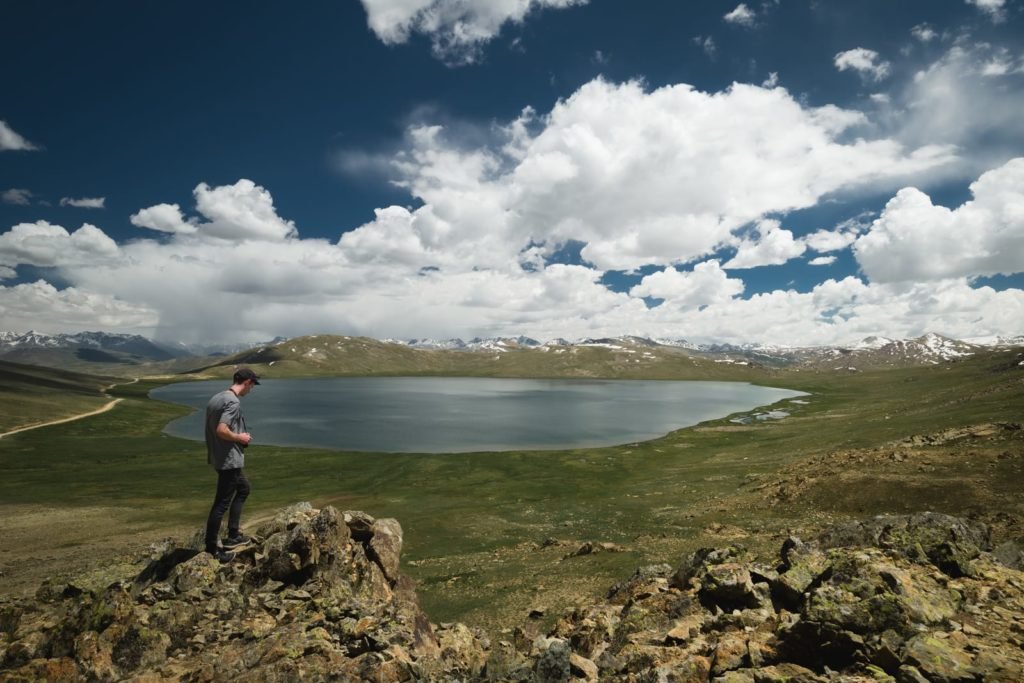
offtheatlas.comThe case for Deosai is genuinely unusual because it offers things that simply don’t exist in combination anywhere else:
The scale: 3,000 square kilometers of open plateau at altitude. You can drive for an hour and still see nothing but rolling grassland, sky, and distant peaks. This kind of open space at this elevation is extraordinarily rare anywhere on earth.
The wildflowers: Between July and August, the plateau blooms with hundreds of species of alpine wildflowers. The visual effect, carpets of color stretching across landscapes that are otherwise defined by stone and sky, is one of the most visually startling natural phenomena in South Asia.
The Himalayan Brown Bear: Deosai holds one of the last viable populations of the Himalayan Brown Bear (Ursus arctos isabellinus), a critically endangered subspecies. The park was actually established in 1993 primarily to protect these bears after a survey found fewer than 20 remaining. Today the population has recovered to around 50–70 animals, and visitor sightings are genuinely realistic rather than merely hopeful.
Sheosar Lake: The park’s signature lake, a high-altitude water body of remarkable clarity and color, surrounded by rolling hills, represents one of Pakistan’s most beautiful lake environments.
The photography: The combination of open sky, wildflower foregrounds, wildlife, lakes, and light quality at altitude creates photography conditions that serious landscape photographers travel very long distances specifically to access.
The isolation: Deosai remains genuinely remote despite its growing reputation. The rough access road and high altitude filter out casual tourists, meaning the experience retains character that more accessible natural wonders lose to crowds.
How to Reach Deosai National Park
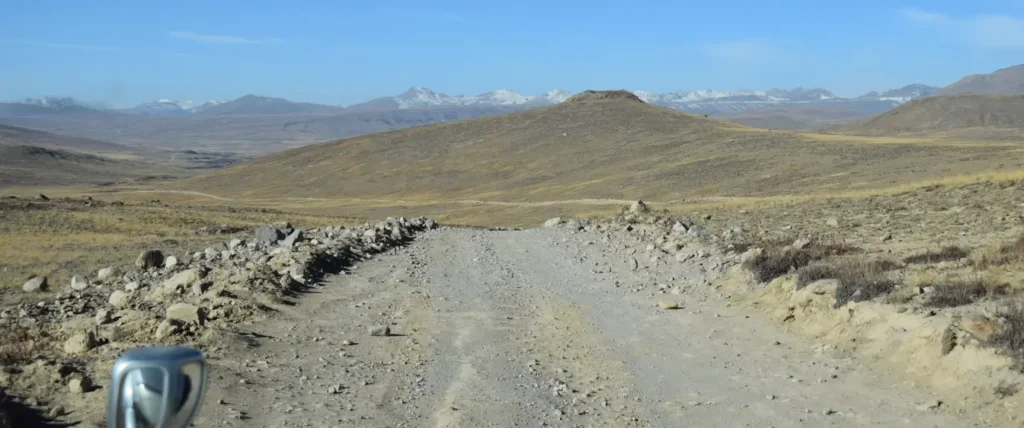
offtheatlas.comTwo practical approach routes exist, each with distinct character. The Skardu approach is more commonly used; the Astore approach is longer but offers different scenery and is useful for travelers coming from Gilgit.
How to Reach Deosai from Skardu
The Skardu approach is the standard route and what most travelers use. The road from Skardu city climbs steeply up from the Indus Valley to the plateau, gaining a great deal of altitude in a short distance.
The route: Skardu city → Sadpara Lake junction → Deosai Gate/Checkpoint → Sheosar Lake → Bara Pani (central Deosai)
Distance: Approximately 30–35 kilometers from Skardu to the plateau entrance
Time: 1.5–2.5 hours depending on road conditions
Vehicle: 4×4 jeep mandatory, the road is unpaved, rocky, and crosses streams
The ascent from Skardu (at 2,228 meters) to the Deosai plateau (at 4,000+ meters) gains nearly 2,000 meters of elevation. This dramatic climb is part of what makes the arrival so striking, you emerge from the mountain road onto an open plateau that seems to belong to a different landscape entirely.
Key stops on the Skardu to Deosai route:
- Sadpara Lake: A beautiful lake below Deosai, worth a stop
- Deosai Checkpoint: Entry fee and permit collection
- Sheosar Lake: Usually the first major destination on the plateau
- Bara Pani: The central area with camping facilities
How to Reach Deosai from Astore
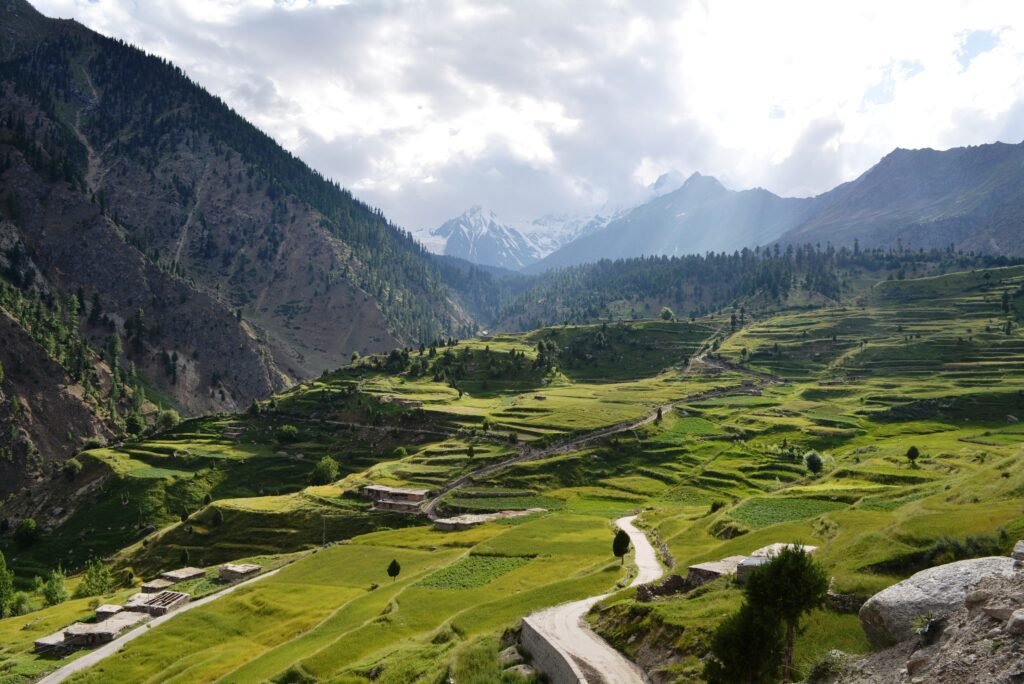
The Astore approach serves travelers coming from Gilgit or making a circuit that combines Deosai with Astore Valley and Nanga Parbat region.
The route: Gilgit → Astor town → Rama village → Deosai via Chilam Choki pass
Distance from Gilgit to Deosai: Approximately 180–200 kilometers
Time: 5–7 hours depending on road conditions and stops
Vehicle: 4×4 jeep essential; road conditions can be significantly rougher than Skardu route
The Astore approach passes through Astore Valley, itself a beautiful destination with the famous Rama Lake and meadows near Nanga Parbat, before climbing to the plateau from the southwestern side.
Skardu to Deosai Route
The detailed Skardu approach:
Stage 1 – Skardu to Sadpara: 8 km, 20–25 minutes, paved road initially then gravel track, passes Sadpara Lake (elevation 3,052 m)
Stage 2 – Sadpara to Deosai Gate: 10 km, 40–60 minutes, increasingly rough unpaved track climbing steadily, multiple stream crossings possible in high water season (June–July)
Stage 3 – Deosai Gate to Sheosar Lake: 12 km, 30–40 minutes, on the plateau, relatively flat though rough surface, arrive at Sheosar Lake (elevation 4,142 m)
Stage 4 – Sheosar to Bara Pani: 20 km, 45–60 minutes, continuing across the plateau to the central camping area
Total journey: Approximately 2.5–3.5 hours from Skardu city to Bara Pani
Astore to Deosai Route
Stage 1 – Gilgit to Astor: 105 km, 2.5–3 hours via Jaglot, paved road with mountain scenery
Stage 2 – Astor to Rama: 25 km, 45 minutes, good road passing through Astor Valley
Stage 3 – Rama to Chilam Choki: 30 km, 1.5–2 hours, increasingly rough mountain track
Stage 4 – Chilam Choki to Deosai plateau: 20 km, 1–1.5 hours, high mountain pass crossing to reach the plateau from the southwest side
Deosai National Park Route Map
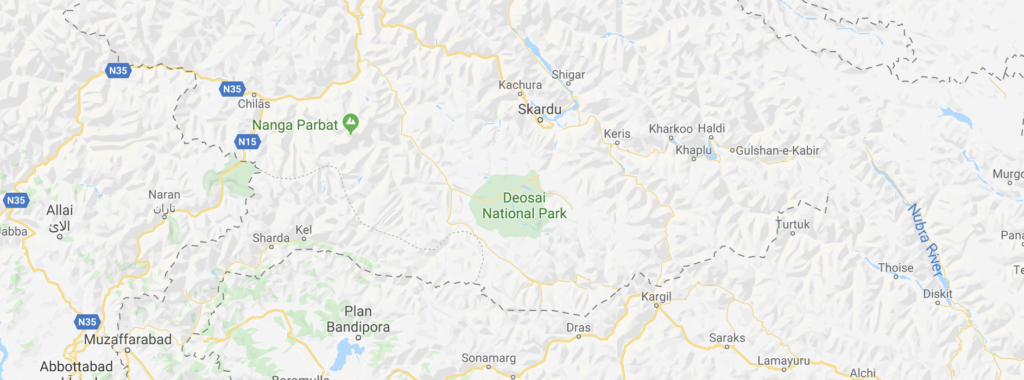
The internal plateau road network connects the main landmarks:
Sheosar Lake → Bara Pani: ~20 km, the main east-west plateau crossing
Bara Pani → Ali Malik Mar: ~15 km, southern section with good bear viewing possibilities
Ali Malik Mar → Chilam Choki: ~25 km, connects to Astore approach
The plateau road is not a loop in the traditional sense but a crossing route, most visitors enter from Skardu via Sheosar, cross to Bara Pani and beyond, then return the same way. The through route from Skardu to Astore is possible for adventurous travelers with time.
Best Time to Visit Deosai National Park
The Deosai window is tight: June through September. Outside these months the park is buried under meters of snow and completely inaccessible. Even within this window, conditions vary substantially by month.
Deosai in June
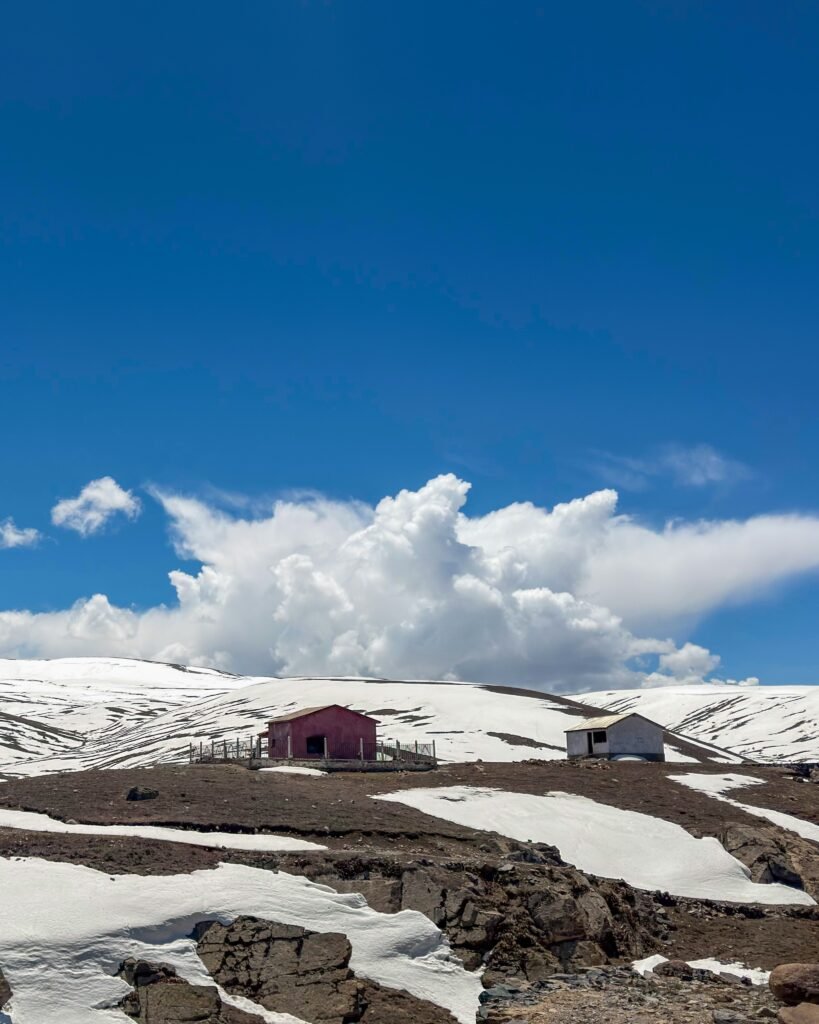
June marks the opening of Deosai and offers some of the most dramatic scenery, but also some of the most challenging conditions.
What to expect: Significant snowfield remnants, particularly in the first half of June. The plateau is often partially snow-covered, creating a striking contrast between white snow patches and emerging green. Wildflowers haven’t fully bloomed yet but early species are beginning. Streams and river crossings are at their most challenging as snowmelt is at peak volume, some routes may be temporarily impassable.
Weather: Cold, variable, with strong possibility of snow even in June. Temperatures at night regularly drop below zero. Daytime highs of 8–15°C on good days.
Best for: Photographers seeking snow-and-wildflower combinations; travelers who want solitude; those who have limited windows and can’t wait for July. Be prepared for access difficulties and pack for genuinely cold conditions.
Crowds: Minimal, June is the quietest accessible month.
Deosai in July
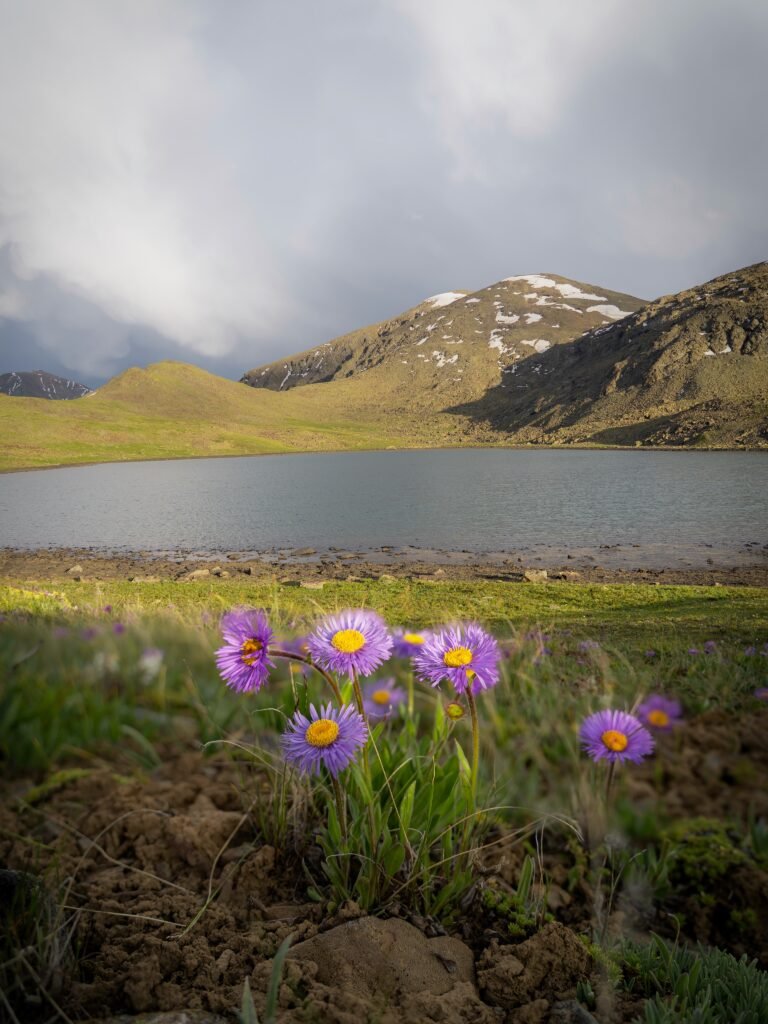
July is when Deosai reaches its peak natural beauty and is the most popular visiting month overall.
What to expect: The wildflower bloom reaches maximum intensity in mid-to-late July. The plateau transforms into a carpet of color, yellows, purples, whites, and reds across rolling green meadows as far as you can see. Sheosar Lake at its fullest and most vivid. Bear activity is high and sightings are most likely in the first half of July when bears are particularly active in lower parts of the plateau.
Weather: The best weather of the Deosai season. Daytime temperatures 12–20°C on good days. Still cold at night (near freezing to 5°C). Afternoon thunderstorms are common, clear mornings often cloud over by 2–3 PM.
Best for: Most visitors. The combination of wildflower peak, high bear activity, and best weather makes July the optimal month if you can only visit once.
Crowds: This is peak season. Domestic tourism increases significantly; weekends can see considerable traffic near Sheosar Lake. Arriving early (before 8 AM at Sheosar) provides a significantly better experience.
Deosai in August
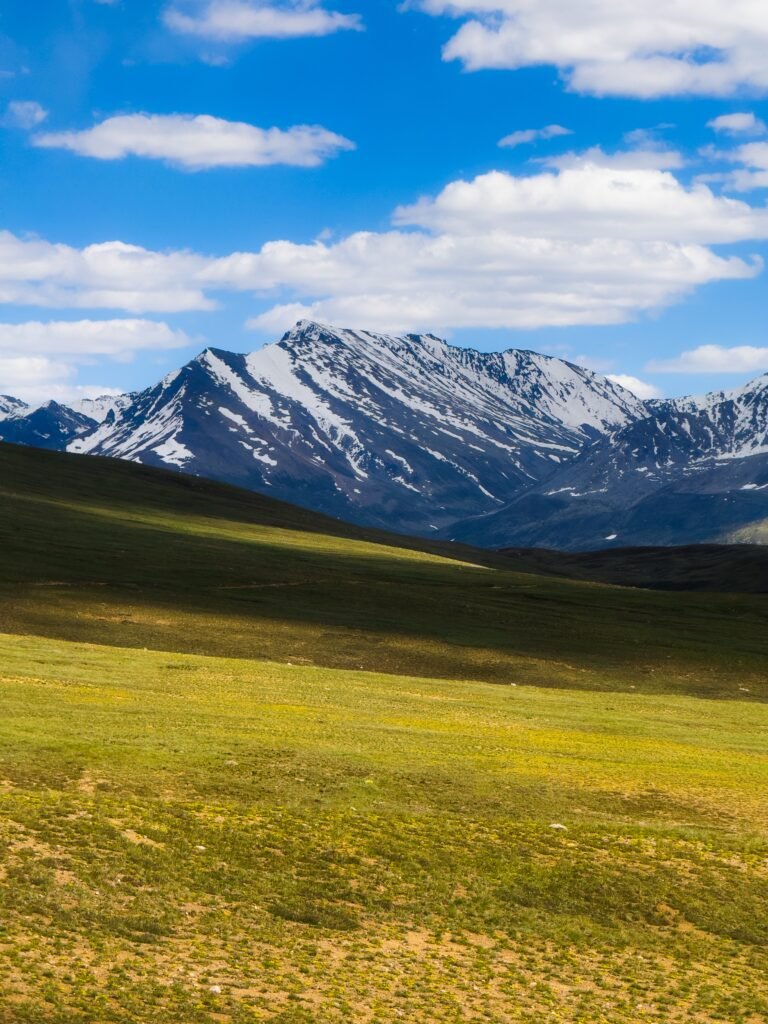
August offers the transition between peak wildflower season and the beginning of autumn character.
What to expect: Wildflowers still present but beginning to seed and fade in the second half of the month. The plateau takes on a transitional quality, green fading toward gold and brown in places, while other areas still bloom. Water levels in streams drop, making vehicle crossings easier. Bear activity continues though bears may move to higher areas.
Weather: Generally stable, often with clearest skies of the season. Daytime temperatures 10–18°C. Nights cold (2–8°C). Afternoon rain less frequent than July but still possible.
Best for: Those who find peak season crowds frustrating; travelers combining Deosai with broader Skardu exploration; anyone seeking reliable good weather over maximum wildflower display.
Crowds: Noticeably fewer than July. Weekday visits are particularly peaceful.
Deosai in September
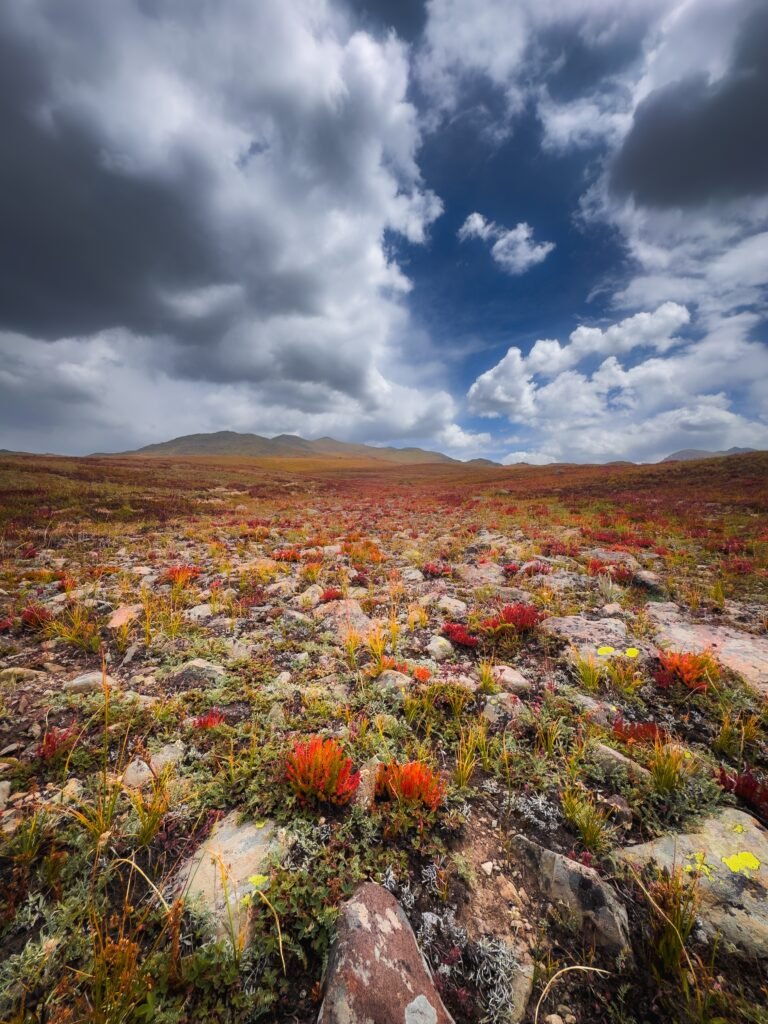
September brings Deosai into its quiet autumn phase and closes out the visiting season.
What to expect: The plateau takes on golden and amber tones as grasses dry and seed. Snow can appear at higher elevations in late September. The landscape is stark and beautiful in a completely different way from the July wildflower peak. Wildlife sightings, including bears preparing for hibernation, can be excellent in early September. Facilities begin closing by mid-month; PTDC and most camping operations wrap up by late September.
Weather: Cool to cold throughout. Daytime temperatures 5–15°C, nights approaching freezing. Early October can see snowfall at plateau level.
Best for: Photographers seeking autumn character and solitude; experienced high-altitude travelers comfortable with colder conditions; those who appreciate the austere end-of-season beauty.
Crowds: Very low. You may have significant sections of the plateau entirely to yourself in late September.
Can You Visit Deosai in Winter?
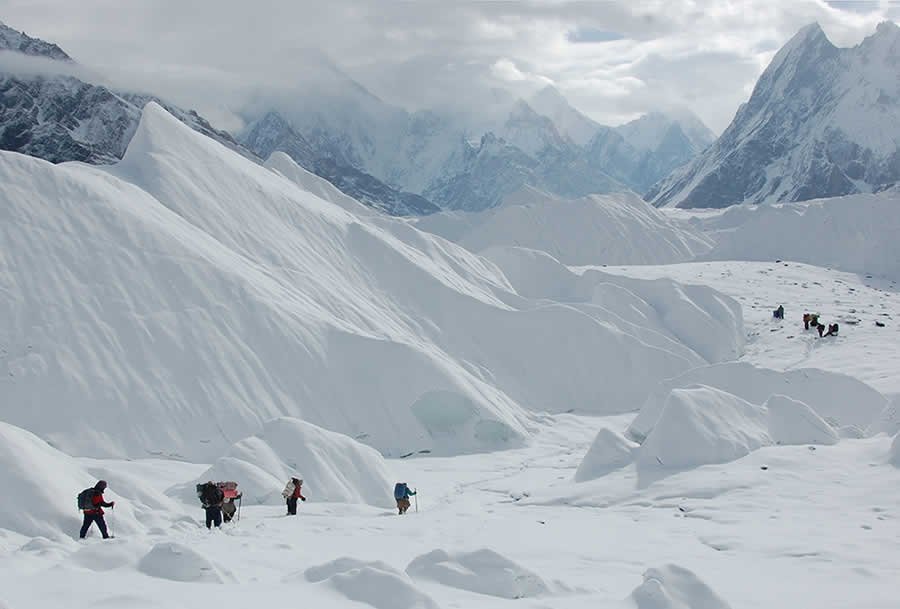
No, not realistically, and not safely. The Deosai plateau receives meters of snowfall through the winter months and the access road from Skardu becomes completely impassable, typically from October through late May. The plateau itself sits under 2–4 meters of snow. There are no facilities, no rescue services accessible, and conditions at this altitude in winter are genuinely life-threatening for anyone without specialized polar expedition equipment and experience.
The extreme cold isn’t the only winter hazard, the complete absence of any other human presence, the impassable roads even in good weather, and the distances involved make a winter emergency at Deosai potentially fatal. This is one destination where “off-season access” simply isn’t on the table for practical travel.
Also Read: Top 20 Coldest Places in Pakistan – Ultimate Winter Destinations Guide
Deosai National Park Weather
Understanding the weather patterns is essential for Deosai because they’re both more extreme and more variable than most visitors expect.
Altitude effect: At 4,100+ meters, weather changes rapidly and the altitude amplifies everything, cold feels colder, sun feels stronger (UV radiation is intense), wind carries more chill, and what appears as light drizzle at lower altitude arrives as sleet or snow on the plateau.
Typical daily pattern: Mornings are generally the most stable and clear. From around 11 AM through early afternoon, cloud buildup begins. By 2–4 PM, rain or thunderstorms are common, particularly in July. Evening often clears again, with the possibility of extraordinary sunset and night sky conditions.
Temperature reality: Even in the warmest July days, temperatures at night drop to near freezing. The transition from a warm afternoon to a cold night happens quickly after sunset. Many visitors are underprepared for this, the daytime temperature in a sheltered spot in sunshine can feel warm, while the plateau in wind or cloud at the same hour can feel genuinely dangerous without appropriate gear.
Wind: The open plateau means no shelter from wind. Deosai can be extremely windy, particularly in June and September. This dramatically reduces effective temperature.
Snow in summer: Snowfall is possible throughout the June–September window, particularly at night and in September. This isn’t an edge case, many visitors experience at least light snowfall.
Things to Do in Deosai National Park
Visit Sheosar Lake
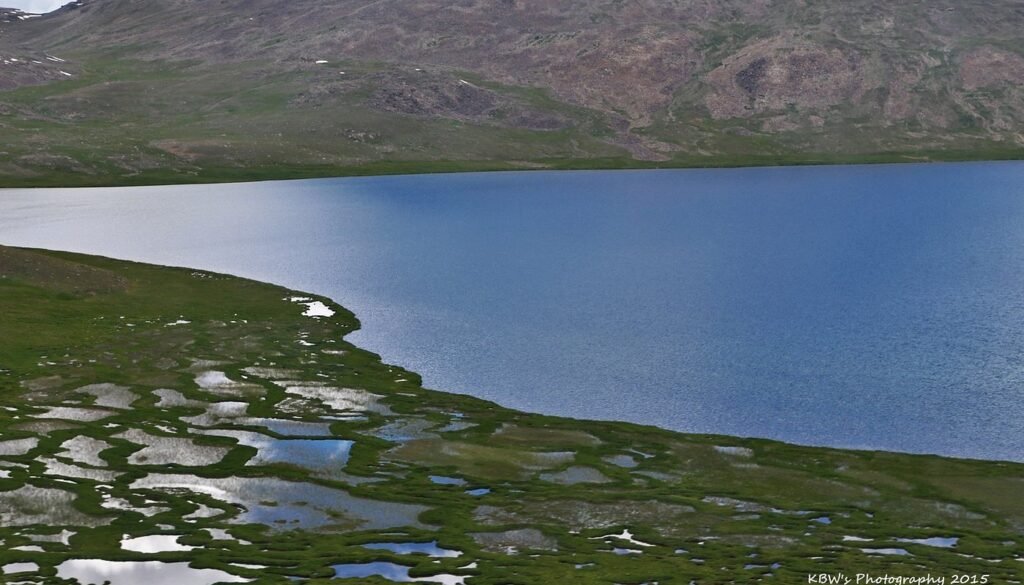
Sheosar Lake is the park’s defining attraction and the first significant landmark visitors reach on the Skardu approach. Sitting at 4,142 meters elevation, the lake is remarkable for the clarity and color of its water, a vivid blue-green that reflects the sky and surrounding hills with unusual fidelity.
The lake has no commercial development on its shores, which contributes significantly to the experience. The combination of alpine water, rolling hills, and open sky creates a landscape that’s simultaneously intimate and vast.
Photography at Sheosar: The lake is most photogenic in the morning when light is soft and, crucially, before afternoon winds disturb the surface reflection. Sunrise is spectacular but requires being on the plateau before dawn, which means either camping the previous night or an extremely early departure from Skardu (before 4 AM).
Practical details: Fishing is prohibited within the national park. Swimming is inadvisable (temperature and altitude). Short walks along the shoreline are possible on reasonable ground. No facilities exist at the lake itself; bring water and food.
Also Read: 10 Must-Visit Lakes in Pakistan
Explore the Deosai Plains
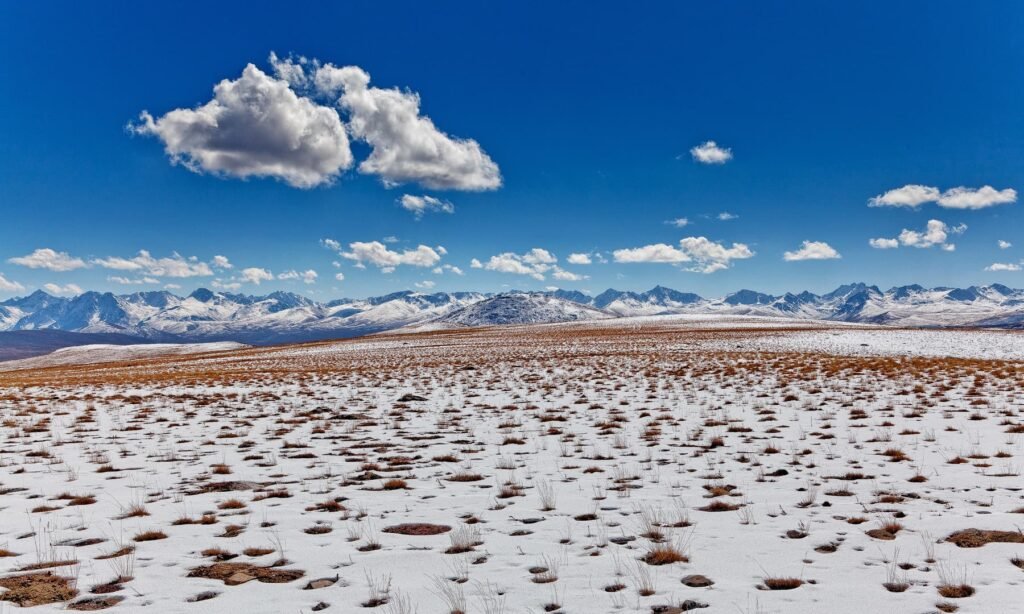
The plateau itself, not just Sheosar Lake but the full expanse of rolling grassland connecting the various landmarks, is arguably the main attraction rather than any specific point within it.
Walking on the plains: While jeep transport is necessary between major points (distances are too great for day hiking in their entirety), getting out of the vehicle and walking on the plateau is essential to understanding the place. Even a 30-minute walk from the vehicle into open grassland, standing in silence with nothing visible but plateau and sky in every direction, conveys something that driving doesn’t.
The wildflower experience: In July, the plains are carpeted with wildflowers, over 400 plant species have been documented in Deosai. Walking through active bloom areas, examining individual flowers against the mountain backdrop, and simply sitting in a flowering meadow are experiences that justify the journey independently of everything else.
See Himalayan Brown Bears
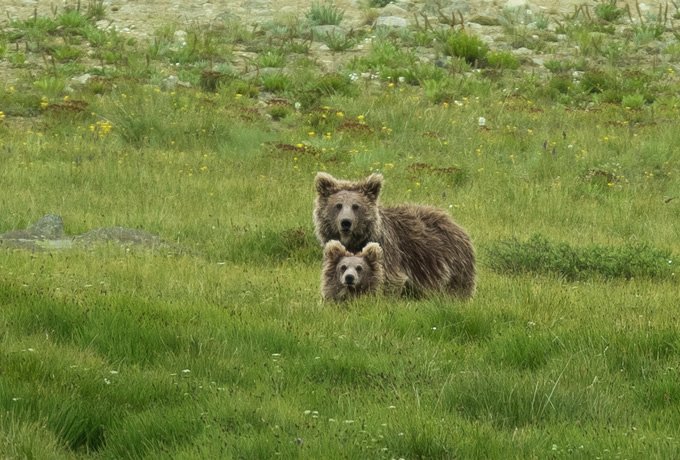
The Himalayan Brown Bear is the flagship wildlife of Deosai and the park’s original conservation purpose. The population has recovered from fewer than 20 individuals in the early 1990s to around 50–70 animals today, a genuine conservation success story.
Realistic sighting expectations: Bear sightings in Deosai are realistic but not guaranteed. The bears cover large areas of the plateau and your timing, location, and luck all factor significantly.
Best conditions for bear sightings:
- Early morning (before 9 AM) and late afternoon (after 4 PM)
- July is optimal, bears are highly active and at lower elevations
- The Bara Pani and Ali Malik Mar areas historically have higher bear activity
- Calm, clear days without wind tend to see more animal movement
- Patient, slow vehicle travel rather than rushing between points
When you see a bear: Maintain significant distance. Do not exit your vehicle. Do not approach on foot. Do not try to attract the bear’s attention. Photography with a telephoto lens is the appropriate mode of engagement. Bears with cubs deserve particularly wide berth.
What you’ll see: Himalayan Brown Bears in Deosai are typically visible at distance on the open plain, a brown form moving through the grassland. Up-close encounters are rare and not the goal. The experience of watching a critically endangered subspecies moving freely across its natural habitat at this scale is meaningful regardless of the distance.
Enjoy Wildlife Watching
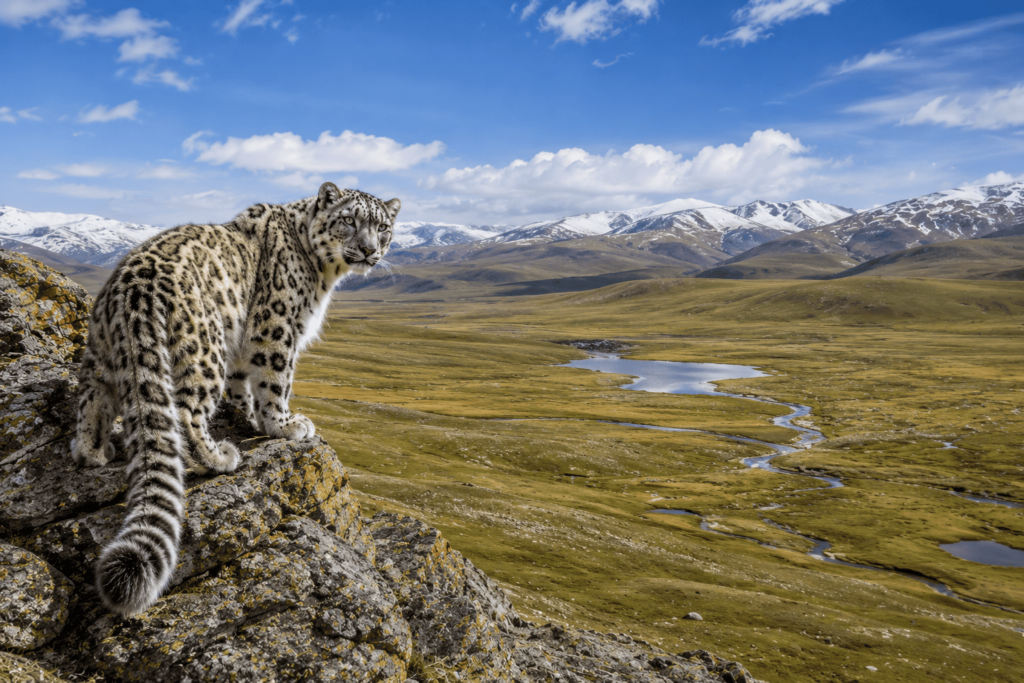
Beyond brown bears, Deosai supports diverse wildlife that rewards patient observation:
Snow Leopard (Panthera uncia): Present but almost never seen. Camera trap evidence confirms their existence in the park; visual sightings by visitors are extremely rare.
Himalayan Ibex: Commonly visible on rocky terrain at the plateau edges. Impressive animals with spectacular horns.
Marmots: The plateau’s most consistently visible and entertaining wildlife. These large burrowing rodents are numerous, curious, and surprisingly approachable. Their warning calls echo across the plateau when predators (or visitors) appear, a distinctive sound that becomes the audio backdrop of any Deosai stay.
Wolves and foxes: Occasionally visible, particularly at dawn and dusk.
Raptors: Golden Eagles, Lammergeiers (Bearded Vultures), and various smaller raptors use the thermal currents above the plateau. Looking up is consistently rewarded.
Waterfowl: Various duck and wader species use the plateau’s numerous streams and wetlands.
Camping in Deosai National Park
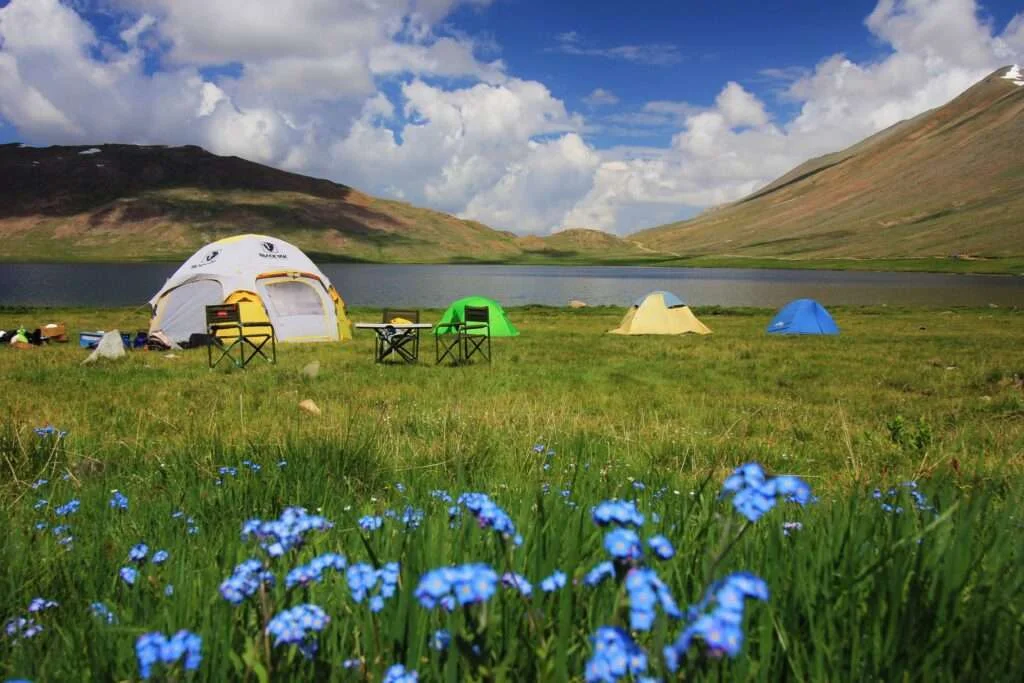
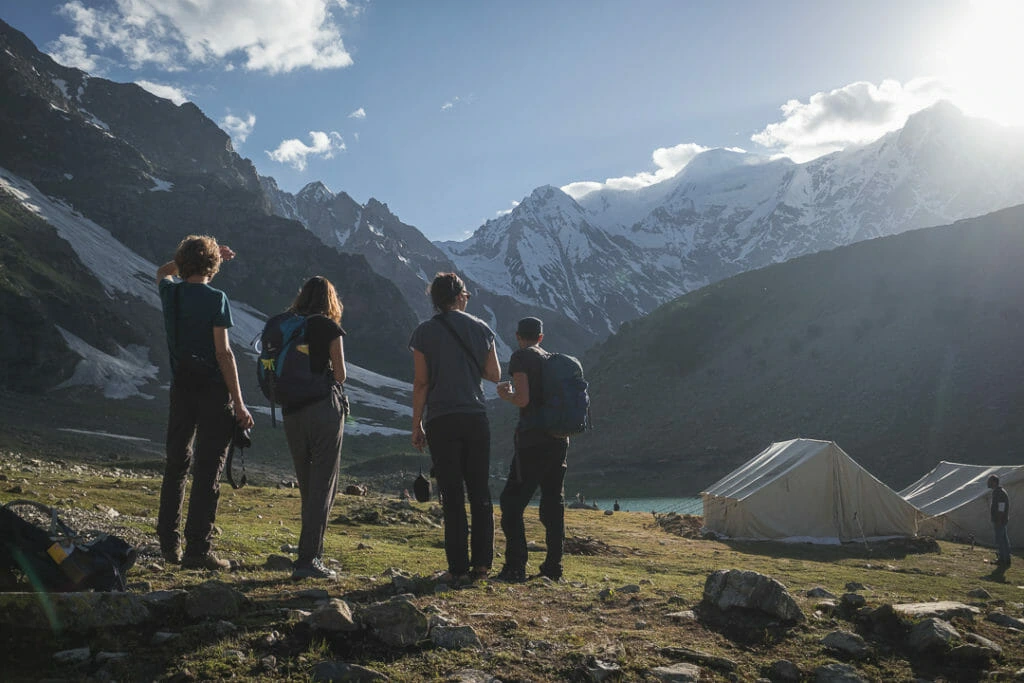
Camping at Deosai is the single best way to experience the park, full stop. Day visitors get several hours on the plateau; overnight campers get the plateau at dawn when light is extraordinary and crowds are absent, at night under one of Pakistan’s most spectacular star fields, and in the early morning when wildlife activity peaks.
Camping options:
PTDC camping area at Bara Pani: Basic facilities (toilets, limited water) in a designated area. Most organized camping happens here. The location at the plateau’s central area is good for wildlife sightings.
Wild camping: Technically possible with park permission and within park regulations. Removes the small social element of the Bara Pani area and provides complete solitude, for experienced campers, this is the premium Deosai experience.
Organized camping with tour operators: Eventica Travels and other reputable operators bring full camping setups, proper tents, sleeping bags rated for sub-zero temperatures, cooking equipment, and food. This is strongly recommended over bringing your own gear for most visitors, as the altitude and cold require equipment that casual campers often don’t own.
Critical camping requirement: Sleeping bags rated to at least -10°C. The plateau regularly hits freezing or below at night even in July and August. This isn’t a “bring an extra blanket” situation, genuine cold-weather sleeping equipment is necessary.
Photography in Deosai
Deosai is a serious photography destination that attracts dedicated landscape and wildlife photographers from around the world. The specific opportunities:
Wildflower macros: The sheer density and diversity of the July bloom creates extraordinary close-up photography possibilities. Macro lenses reward serious flower photography; even standard lenses capture the scale of bloom.
Landscape scale: Wide-angle lenses for capturing the plateau’s immensity, particularly effective with foreground wildflowers and distant horizon compositions.
Wildlife: A 400mm or longer telephoto is the minimum for bear photography from safe distances. The open terrain means you can spot animals from great distance, but they’re far away, and camera shake at altitude and cold affects image quality.
Night photography: The Milky Way above Deosai is consistently described as among the most spectacular night sky experiences in Pakistan. Zero artificial light pollution + high altitude = exceptional astro photography conditions. A wide-angle fast lens (f/2.8 or wider), sturdy tripod (bring one, wind is a factor), and patience for clear skies after afternoon clouds clear.
Golden hour: The light quality at altitude during the hour after sunrise and before sunset is extraordinary, warm, low-angle, long-shadowed. Sheosar Lake at these times produces reflections worth every early wake-up.
Deosai National Park Trip Cost
Understanding costs realistically prevents both under-budgeting and unnecessary spending. Deosai is not a cheap destination, the transport requirements and remote location mean costs are higher than more accessible parks, but it’s not prohibitively expensive when shared across groups.
Transport Costs
Jeep hire (Skardu to Deosai, full day):
Standard hired jeep (Toyota Land Cruiser or similar): PKR 15,000–25,000 per vehicle per day
Overnight hire: PKR 25,000–40,000 per vehicle (includes driver staying overnight)
Per-person cost (4 passengers): PKR 4,000–10,000 depending on arrangement
Important note: Standard cars cannot access Deosai. The access road requires genuine 4×4 capability, and the rocky terrain and stream crossings will damage or strand non-4×4 vehicles. This is not a safety recommendation that can be ignored for cost reasons, it’s a physical necessity.
Fuel: Jeep operators typically include fuel in their quoted price. Verify this when negotiating.
Inflation note: Transport costs in Gilgit-Baltistan have increased significantly in recent years; confirm current rates with your hotel or Eventica Travels before budgeting.
Entry Fees and Park Charges
National Park Entry Fee: PKR 200–500 per person (subject to revision)
Vehicle entry fee: PKR 500–1,000
Camping fee (at designated areas): PKR 500–1,000 per night
Photography/video permit: PKR 500–1,000 additional (if required)
These fees go directly to park conservation efforts and are genuinely important, Deosai’s brown bear recovery has been funded in part through park revenues and international conservation partnerships.
Food and Travel Expenses
Food in Skardu (before/after Deosai): PKR 1,500–3,500 per person per day for meals
Food on the plateau: Bring everything. No restaurants, shops, or food facilities exist in Deosai. Budget for packed meals for your full time in the park.
Water: The plateau streams look pristine but should be treated before drinking. Bring filtration tablets or a filter, or carry sufficient bottled water from Skardu (factor the weight into packing, water is heavy).
Getting to Skardu: Domestic flight Islamabad–Skardu (PIA): PKR 15,000–30,000 per person (prices fluctuate significantly by booking timing; book as early as possible). Road from Islamabad to Skardu: PKR 3,000–5,000 by shared coach, significantly longer.
Accommodation Costs
Skardu hotels (night before/after Deosai):
- Budget guesthouses: PKR 3,000–6,000 per room
- Mid-range hotels: PKR 6,000–12,000
- Quality properties: PKR 12,000–25,000
Camping at Deosai (organized through operator):
- Basic camping with own gear: PKR 2,000–4,000 (fees only)
- Organized camping through tour operator (includes equipment, food, guide): PKR 8,000–18,000 per person per night
Overall cost summary per person (2 nights Skardu + 1 night Deosai, group of 4):
- Budget: PKR 15,000–25,000
- Mid-range: PKR 25,000–45,000
- Comfortable organized tour: PKR 45,000–80,000
- (Excluding Islamabad-Skardu flights)
Also Read: Best Time to Visit Fairy Meadows
How Many Days Do You Need for Deosai?
Absolute minimum: 1 day from Skardu (possible but rushed and unsatisfying)
Recommended: 2 days on the plateau (1 overnight), plus 1 day each side for Skardu arrival/departure
Ideal: 3–4 days combining Deosai with Skardu’s other attractions
The distance and access difficulty mean that a rush in-and-out treats Deosai as a checklist item rather than an experience. The plateau rewards time, wildlife sightings improve dramatically with patience, the light quality at dawn and dusk justifies being there early and late, and the simple experience of having the plateau quiet down as day visitors leave and sitting in the evening with only the sounds of the high altitude is something a day visit can’t provide.
Deosai National Park Itinerary
1-Day Deosai Itinerary from Skardu
This works as a long day trip for those who can’t stay overnight, but it’s genuinely exhausting and you’ll wish you’d stayed.
5:00 AM: Depart Skardu in hired jeep (early departure is essential)
6:30–7:00 AM: Reach Deosai Checkpoint, pay entry fees
7:30 AM: Arrive Sheosar Lake, morning light at its best, lake surface calm for reflections
8:00–10:00 AM: Explore Sheosar area, walk lake perimeter, photography
10:30 AM: Continue across plateau toward Bara Pani, scanning for bears
12:00 PM: Reach Bara Pani, packed lunch on the plateau
1:00–3:00 PM: Continue exploration, Ali Malik Mar area if time allows
3:00 PM: Begin return journey (afternoon weather often deteriorates; start before storms build)
4:30–5:00 PM: Back at Skardu
2-Day Deosai Itinerary
This is the recommended minimum for experiencing Deosai properly.
Day 1:
- 8:00 AM: Depart Skardu
- 9:30 AM: Sadpara Lake brief stop
- 10:30 AM: Deosai Checkpoint and entry
- 11:30 AM: Sheosar Lake, spend 2 hours exploring
- 2:00 PM: Cross plateau to Bara Pani with stops for wildflowers and wildlife watching
- 4:00 PM: Establish camp at Bara Pani
- 5:00–7:00 PM: Evening wildlife watch (prime bear activity time)
- 8:00 PM: Dinner, stargazing begins
Day 2:
- 5:00 AM: Wake up for dawn light and early wildlife activity
- 5:30–8:00 AM: Dawn photography, bear watching from vehicle
- 8:00 AM: Breakfast at camp
- 9:00 AM–12:00 PM: Explore Ali Malik Mar area and further plateau
- 12:30 PM: Break camp, packed lunch
- 1:30 PM: Begin return across plateau
- 3:00 PM: Sheosar Lake again, afternoon light on return
- 5:00 PM: Return to Skardu
Deosai and Skardu Itinerary
For a comprehensive Skardu visit that includes Deosai as one of several destinations:
Day 1: Arrive Skardu (flight from Islamabad), check in, acclimatize
Day 2: Skardu city tour, Kharpocho Fort, Skardu Bazaar, Satpara Lake
Day 3–4: Deosai (1 night camping on plateau)
Day 5: Shigar Valley, Shigar Fort, Sarfaranga Cold Desert, Katpana Desert
Day 6: Upper Kachura Lake (Fro Tso) and Shangrila Resort (Lower Kachura)
Day 7: Depart Skardu (morning flight)
This 7-day structure gives Deosai proper time within a broader Skardu experience.
Where to Stay When Visiting Deosai
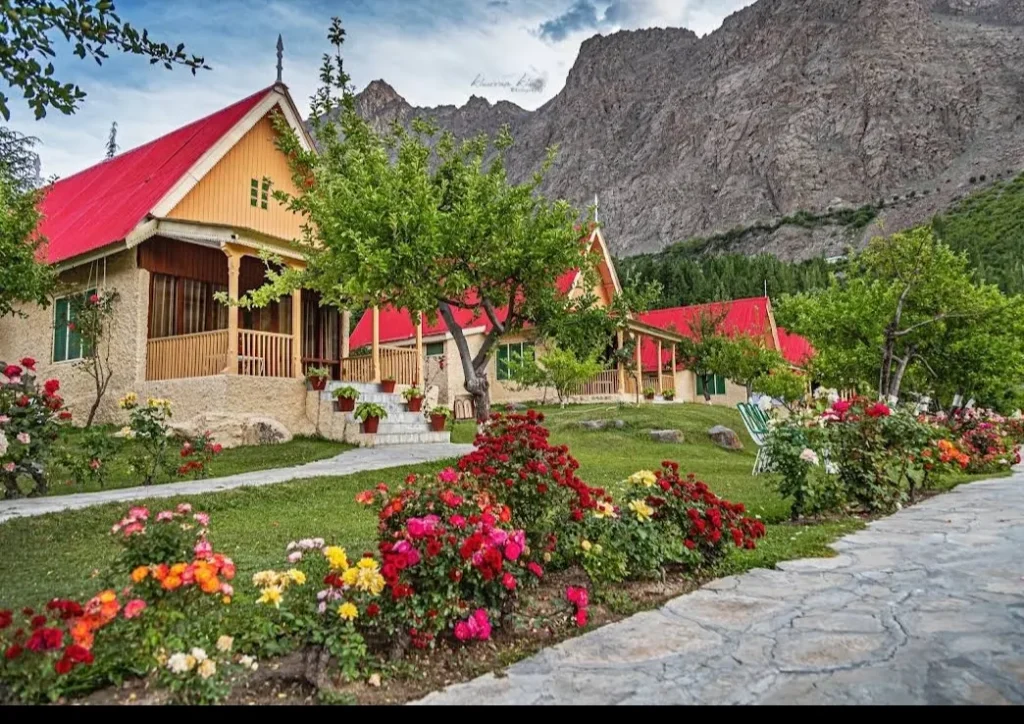
In Skardu (the primary base):
Quality options: Shangrila Resort (Lower Kachura Lake), Skardu Serena Hotel. These represent Skardu’s best-maintained properties with reliable facilities.
Mid-range: Several hotels in Skardu city offer comfortable rooms at reasonable prices. Hotel Mashabrum, K2 Motel, and similar properties provide clean accommodation with basic amenities.
Budget: Numerous guesthouses in Skardu offer simple but adequate rooms for budget travelers.
On the Deosai plateau itself:
PTDC Camping Area (Bara Pani): Designated camping ground with basic toilet facilities. Bring all equipment.
Organized camping with tour operators: The recommended option for most travelers. Reputable operators bring proper cold-weather tents, sleeping bags rated for the temperatures, camp kitchen equipment, and food. Eventica Travels’ Deosai camping packages include full equipment, meals, and guidance, eliminating the need to source and transport specialized cold-weather camping gear.
No guesthouses, hotels, or permanent structures for visitors exist on the Deosai plateau itself. It’s camping or day trip, no middle ground.
What to Pack for Deosai National Park
Packing for Deosai requires taking the altitude and temperature seriously in a way that many first-time visitors underestimate.
Absolutely non-negotiable:
- ✅ Sleeping bag rated to -10°C minimum (for overnight visits)
- ✅ Waterproof, windproof outer layer (jacket and trousers)
- ✅ Thermal base layers (top and bottom), multiple sets
- ✅ Warm fleece or down mid-layer
- ✅ Warm hat covering ears
- ✅ Gloves (lightweight and insulated)
- ✅ Sunscreen SPF 50+ (UV radiation is intense at altitude)
- ✅ UV-protective sunglasses
- ✅ Water with treatment capability (tablets or filter)
- ✅ All food for time on the plateau (nothing available there)
Strongly recommended:
- ✅ Trekking boots or sturdy hiking shoes (terrain is uneven and often wet)
- ✅ Gaiters for stream crossings and wet grassland
- ✅ Trekking poles (helpful on soft plateau terrain)
- ✅ Headlamp with spare batteries (cold drains batteries fast)
- ✅ Power bank (fully charged, no electricity on plateau)
- ✅ Camera with extra batteries (keep batteries warm inside clothing)
- ✅ Binoculars for wildlife watching
- ✅ Altitude sickness medication (Diamox, consult your doctor beforehand)
- ✅ Basic first aid kit including blister treatment
- ✅ Warm and light-rain sleeping clothes
Do not rely on:
- Mobile phone GPS (download offline maps, signal is unreliable to absent)
- Buying food or water on the plateau (impossible)
- Weather staying good (prepare for rain, cold, and wind regardless of forecast)
Is Deosai National Park Safe for Tourists?
Yes, with altitude awareness and proper preparation.
The genuine safety considerations at Deosai are environmental rather than security-related:
Altitude sickness (AMS): The most significant real risk. Ascending from Skardu (2,228m) to Deosai (4,100m+) in a few hours is a significant gain that affects some visitors, particularly those who arrived in Skardu recently from sea level. Symptoms include headache, nausea, fatigue, and in severe cases confusion and loss of coordination. Take this seriously: spend at least one night in Skardu before attempting Deosai, stay well hydrated, avoid overexertion on your first plateau day, and carry appropriate medication (discuss Diamox with your doctor before travel). Any symptoms of severe AMS require immediate descent.
Weather changes: The plateau offers no shelter, and afternoon thunderstorms with lightning are common. Plan to be in your vehicle or a sheltered area before storms develop (typically 2–4 PM). Lightning on open plateau is a genuine hazard.
Vehicle breakdown: A mechanical failure on the plateau means you’re in a very remote location with no help nearby. Use reputable jeep operators who maintain their vehicles properly, this is not an area where the cheapest option is worth the risk.
Wildlife: The brown bears of Deosai are wild animals. Maintain respectful distances, never approach on foot, and don’t leave food accessible near camping areas. The bears have co-existed with increasing visitor numbers without significant incident, but responsible behavior on visitors’ part is required to maintain this.
Security: Deosai has no meaningful security concerns. The Skardu region is safe for tourism and the plateau itself has no history of tourist security incidents.
Essential Travel Tips for Deosai National Park
Acclimatize first: Spend at least one full night in Skardu before attempting Deosai. Ideally two nights. The altitude gain is significant and affects people differently; acclimatization dramatically reduces the risk of altitude sickness ruining your visit.
Book a reputable jeep: Your vehicle is everything on Deosai, it’s your transport, shelter option, and safety backup. Use operators recommended by your Skardu hotel or your tour operator. Verify the vehicle’s 4×4 capability, condition, and that the driver knows the plateau well.
Depart early: The morning light is the best photography light, the wildlife activity is highest, the weather is most stable, and arriving before most day visitors means experiencing Sheosar Lake in relative quiet. Departing Skardu at 5–6 AM is optimal.
Don’t rush Sheosar Lake: Many visitors spend 20–30 minutes at the lake and move on. This is a mistake. The lake rewards an hour or two of patient observation, the light changes, the reflections shift, the birds come and go. Sit down, be still, and let it be more than a photo stop.
Scan constantly for bears: Bear sightings happen to people who are watching, not to people looking at their phones. Have binoculars ready and keep scanning the grassland, particularly in early morning and late afternoon. Most bear sightings from the road happen because a passenger happened to be looking in the right direction at the right moment.
Respect the conservation mission: Deosai exists because the bears nearly disappeared. The park’s ongoing success depends on visitors who take the conservation context seriously. Don’t disturb wildlife, don’t leave rubbish, don’t pick plants, and follow all park guidelines. The experience you’re having is only possible because of conservation that depends on visitor cooperation.
Night sky preparation: If you’re overnight camping and conditions are clear, set an alarm for 1–3 AM and get outside to look up. The Milky Way above Deosai on a clear night is genuinely one of Pakistan’s most spectacular natural experiences. Bring a tripod if you’re a photographer. Even without a camera, looking at the night sky above 4,000 meters with zero light pollution is worth losing an hour of sleep.
Deosai National Park FAQs
Deosai National Park is in Gilgit-Baltistan, Pakistan. It sits between the Skardu and Astore districts. The park is very high up, about 4,114 meters (13,497 feet) above sea level. It’s around 30 to 35 kilometers from Skardu city.
Deosai covers about 3,000 square kilometers of land. That makes it the biggest national park in Pakistan.
July is the optimal month overall, the wildflower bloom is at its peak, bear activity is highest, and weather conditions are most favorable. August is excellent for clearer skies and fewer crowds with wildflowers still present. June offers dramatic snowfield-and-bloom combinations but with more challenging access. September is peaceful with autumn character but facilities begin closing. The park is completely inaccessible November through May under several meters of snow.
Hire a 4×4 jeep in Skardu (non-negotiable, standard cars cannot manage the road). The route from Skardu passes Sadpara Lake, climbs to the Deosai Checkpoint, and reaches Sheosar Lake in approximately 1.5–2.5 hours covering 30–35 kilometers. From Sheosar, continuing across the plateau to Bara Pani takes another 45–60 minutes. Pay entry fees at the checkpoint. The road is unpaved, rocky, and crosses streams.
Per-person costs vary significantly by group size and comfort level. For a typical group of four doing a 2-day trip from Skardu: jeep hire PKR 6,000–10,000 per person; accommodation in Skardu PKR 2,000–6,000 per person per night; camping at Deosai PKR 2,000–5,000 per night (with own gear) or PKR 8,000–15,000 (organized with operator including equipment and food); park entry PKR 700–1,500; food PKR 1,500–3,000 per day. Total for 3 days in/around Deosai (excluding flights to Skardu): approximately PKR 25,000–60,000 per person depending on choices.
Two days on the plateau (one overnight) is the minimum that does Deosai justice. Add one day each side for Skardu arrival and departure logistics, making the practical minimum a 4-day commitment from Islamabad. If combining with other Skardu attractions (Shigar Valley, Kachura Lakes, Kharpocho Fort), a 6–7 day total Skardu trip is well-structured.
Yes, sightings are realistic but not guaranteed. The Himalayan Brown Bear almost disappeared. There used to be fewer than 20 bears left. Now, thanks to the national park’s protection, there are about 50 to 70 bears.
July is the best month to see them. Try to visit early in the morning or late in the afternoon. Two good spots to check are Bara Pani and Ali Malik Mar.
Get to the park before 8 AM. Then sit quietly and watch the grassland. If you wait patiently, you have a much better chance of seeing a bear. Don’t forget to bring binoculars.
No. The park is accessible only from approximately June through September, with exact opening and closing dates varying by annual snowfall patterns. The access road from Skardu becomes completely impassable under heavy snowfall and remains closed through the winter months. There are no visitor facilities operating outside the June–September window.
Yes, overnight camping is not only possible but strongly recommended as the best way to experience the park. The PTDC camping area at Bara Pani provides basic facilities (designated area, basic toilets) for self-sufficient campers. Organized camping through tour operators brings complete equipment including cold-weather tents and sleeping bags rated for sub-zero temperatures, meals, and guidance. Wild camping with park permission is also possible for experienced high-altitude campers. Sleeping bags rated to at least -10°C are essential regardless of the July–August timing.
Plan Your Deosai Trip with Eventica Travels
Deosai National Park is the kind of destination where logistics genuinely matter. The altitude, remote location, cold-weather camping requirements, jeep transport needs, and optimal timing considerations all combine to make the difference between an extraordinary experience and an exhausting frustration.
Eventica Travels has organized Deosai expeditions across multiple seasons with deep knowledge of current road conditions, optimal timing windows, wildlife activity patterns, and the practical details that turn a good trip into a memorable one. Our Deosai packages take the logistics off your plate so your attention is entirely on the landscape, the wildlife, and the experience.
What Our Deosai Packages Include
✅ Reliable 4×4 transport with experienced Deosai drivers who know the plateau well
✅ Complete camping equipment , cold-weather tents, sleeping bags rated to -10°C, sleeping mats
✅ All meals on the plateau , hot breakfast, packed lunches, proper evening meals
✅ Expert naturalist guides who know bear behavior and optimal wildlife watching strategy
✅ Park entry fees and all permits handled
✅ Vetted accommodation in Skardu before and after
✅ Altitude sickness guidance and protocols
✅ Photography support , our guides know the best light conditions and positions
✅ 24/7 emergency support throughout
Featured Deosai Packages
🏕️ 10 Days Group Tour SKARDU, SHIGAR & Deosai
Starting from: Without Islamabad Stay: Rs. 44,500/. (Per Person on Quad Sharing)
🏕️ 12 Days Group Tour Skardu Valley and Fairy Meadows
Starting from: Without Islamabad Stay: Rs. 58,500/. (Per Person on Quad Sharing)
📞 Book Your Deosai Adventure
Available June through September, contact us to confirm current access conditions and availability before booking. Deosai access windows vary year to year with snowmelt timing; we monitor conditions throughout the season and advise guests on optimal departure timing.
Deosai is not a destination you visit and move on from. It’s the kind of place that changes your sense of scale , of landscape, of altitude, of wildness. Standing on that plateau in July, with wildflowers in every direction and a brown bear moving through the distance and the Karakoram somewhere beyond the horizon, you understand exactly why people make the effort to get here.
That understanding is worth every kilometer of rough road.