Travelling in Pakistan with Elderly Parents: What to Plan For
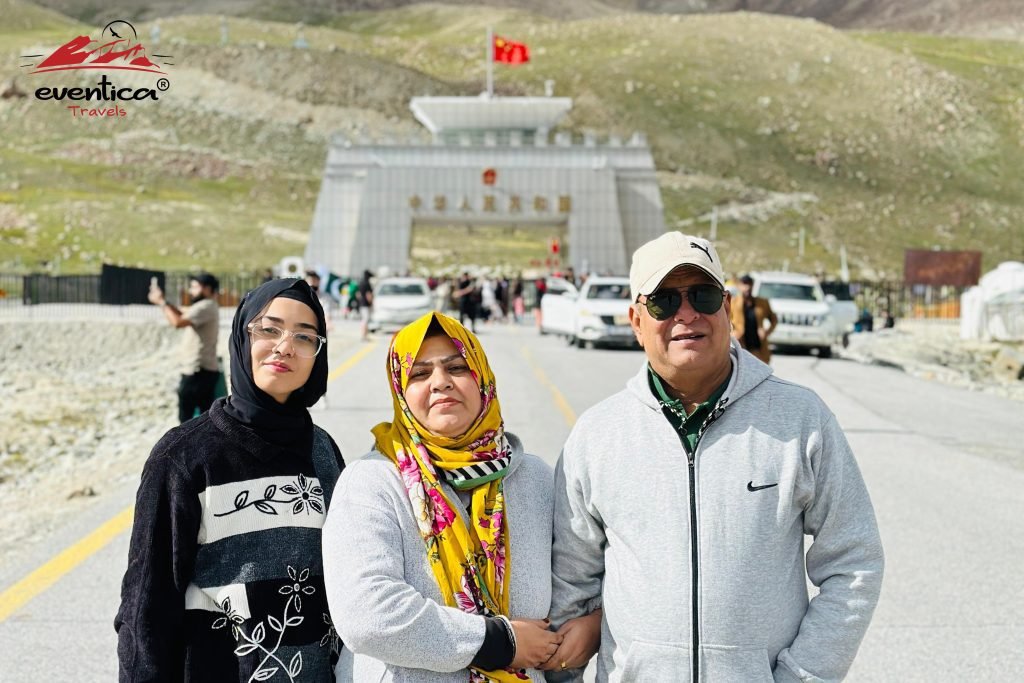
Travelling around Pakistan with your parents can be one of the most meaningful ways to reconnect with family, revisit familiar places and introduce the next generation to the country’s landscapes and culture. For overseas Pakistanis returning home with elderly parents, a family holiday may also be a chance to explore destinations that everyone has talked about for years.
However, a successful trip is not simply about choosing beautiful destinations. Older travellers may need shorter road journeys, more frequent breaks, comfortable accommodation, easy access to medical support and a realistic daily schedule. Northern Pakistan offers spectacular scenery, but mountain roads, changing weather and high-altitude locations require particular care.
With thoughtful preparation, the right transport and a flexible itinerary, travelling in Pakistan with elderly parents can be comfortable and enjoyable. Here is what to consider before you book.
Why Travelling with Elderly Parents Requires Extra Planning
Every traveller has different needs. Some older adults enjoy long drives and walking through historic sites, while others may find stairs, uneven paths, prolonged sitting or sudden changes in elevation tiring. Age alone does not determine what someone can comfortably do; mobility, general health, personal preference and previous travel experience matter.
Before choosing destinations, talk with your parents about what they enjoy and what they would rather avoid. Ask how far they are comfortable walking, whether they use a cane or wheelchair, how often they need rest breaks and whether they prefer familiar routines.
- Allow more time for airport transfers, check-in, sightseeing and meals.
- Avoid packing several long travel days back-to-back.
- Choose accommodation for access and comfort, not just its views or online photographs.
- Keep at least one flexible or low-activity day in the itinerary.
The goal is not to limit the holiday. It is to make sure the pace suits the people taking it.
Choose the Right Destinations in Pakistan
Pakistan has a wide range of destinations, from heritage cities and cultural attractions to hill stations, valleys and mountain regions. The best choice depends on your parents’ mobility, comfort with road travel, health considerations and the kind of holiday they want.
Consider easier-paced options
Cities such as Lahore and Islamabad can offer a mix of food, culture, gardens and sightseeing without requiring a multi-day mountain road journey. Some hill destinations may also work well when the itinerary is designed around accessible accommodation and limited driving.
Plan carefully for northern areas
Hunza, Skardu, Swat, Kalam, Kashmir and other northern destinations can be rewarding, but routes may involve long drives, winding roads, uneven surfaces, changing weather and limited services in remote areas. A destination that looks close on a map may take much longer to reach in practice.
Do not select a destination only because it is popular. Check the actual route, road conditions, altitude, accommodation access and distance to medical facilities before confirming.
Road Comfort: Plan Shorter and Easier Journeys
Road comfort can make or break a family trip. Long hours in a vehicle may cause stiffness, fatigue or discomfort, particularly for people with back, knee or circulation concerns. Mountain roads can also involve sharp turns, uneven surfaces and motion sickness.
Choose the right vehicle
Select a clean, well-maintained vehicle with comfortable seating, working air conditioning or heating, enough legroom and space for luggage. If a parent has difficulty stepping up into a high vehicle, check the step height and entry arrangement before booking.
Break up long journeys
- Plan regular stops for stretching, washroom access, water and meals.
- Avoid unnecessary night driving, especially on unfamiliar mountain routes.
- Use an experienced driver who knows the route and local conditions.
- Keep frequently needed medicines, water and light snacks within reach.
- Allow extra travel time for traffic, weather, roadworks and unexpected delays.
For longer routes, consider an overnight stop rather than trying to complete the journey in one day. Always check current road and weather advisories before departure.
Flights vs Driving: Which Is Better for Elderly Travellers?
There is no single answer. Flying can reduce hours spent on the road, but it may involve airport transfers, security procedures, boarding steps, waiting and possible flight disruption. Driving offers more control over stops and pace, but a long road journey can be physically tiring.
| Factor | Domestic Flight | Private Road Travel |
|---|---|---|
| Journey Duration | Often shorter in the air; include airport time and transfers. | Can be many hours; journey time varies with route and conditions. |
| Comfort | Less time seated in a vehicle, but airport walking and waiting may be tiring. | Flexible breaks and departure time; road vibration and turns may be uncomfortable. |
| Accessibility | Request assistance and confirm boarding arrangements with the airline. | Choose suitable vehicle entry, seating and luggage space. |
| Reliability | Weather can affect flights to northern airports. | Road closures, traffic, landslides and weather can cause delays. |
| Best Suited To | Travellers who can manage airport procedures and prefer to reduce road time. | Travellers who need flexible stops and can tolerate the route. |
For some itineraries, a combination works best: fly to a regional airport when flights are operating, then use a suitable local vehicle for shorter transfers. Flights to northern destinations can be weather-dependent, so keep a backup plan and avoid tight onward connections.
Before booking, discuss mobility assistance with the airline, confirm airport transfer arrangements and consider whether your parents can comfortably manage the full door-to-door journey not just the flight itself.
Understand Altitude and Give Parents Time to Adjust
Altitude deserves attention when planning travel to parts of northern Pakistan. At higher elevations, the amount of available oxygen is lower, and altitude illness can affect travellers who ascend too quickly. It is not possible to judge risk by age or fitness alone.
Travel medicine guidance commonly identifies elevations around 2,500 metres (about 8,200 feet) and above as a point where altitude illness becomes a consideration. The rate of ascent and the altitude at which a person sleeps are important factors.
- Practical altitude precautions
- Discuss high-altitude travel with a healthcare professional before departure, especially if a parent has a heart or lung condition or other ongoing medical concerns.
- Build gradual ascent and acclimatisation time into the itinerary where possible.
- Avoid strenuous activity immediately after arriving at a high elevation.
- Do not continue ascending if symptoms develop.
- Know the symptoms: headache, unusual tiredness, loss of appetite, nausea and sleep disturbance can occur.
Severe breathlessness, confusion, loss of coordination or worsening symptoms require urgent medical attention and descent to a lower elevation. Do not attempt to self-diagnose or treat serious symptoms during a remote trip. Ask a clinician for advice specific to your parents; medication decisions must be made by a qualified professional.
For high-altitude destinations, a slower itinerary is often more sensible than trying to cover several valleys in a few days.
Choose Hotels with Lifts and Senior-Friendly Facilities
A hotel may look beautiful online but still be difficult for an older guest to use. Before confirming a booking, contact the property directly and ask specific questions about access. Do not assume that a hotel has a lift simply because it is described as modern or well-equipped.
- What to confirm with the hotel
- A working lift that reaches the room floor, if stairs are difficult.
- A room close to the lift, reception or dining area.
- A walk-in shower or low-step bathroom, grab rails where available and non-slip flooring.
- A room with easy access, suitable bed height and enough space to move around.
- Reliable heating or cooling, hot water and a quiet environment.
- Accessible restaurant facilities and assistance with luggage.
- The availability of a ground-floor room if there is no lift.
Ask for recent photographs or a written confirmation of the facilities. In smaller mountain towns, some guesthouses and lodges may have stairs, uneven paths or limited accessibility. Confirm the exact room and route from the entrance to the room not just whether a lift is advertised.
Check Medical Facilities and Prepare a Health Plan
Before travelling, review your parents’ health needs with their doctor. Ask whether the planned destinations, journey lengths and elevations are appropriate, and whether any precautions are needed for existing conditions. Carry enough prescribed medication for the trip, plus a reasonable buffer in case of delays.
- Keep a current medication list, prescriptions and relevant medical information.
- Pack medicines in their original labelled packaging and keep essential items in hand luggage.
- Identify hospitals, clinics and pharmacies along the route and near overnight stops.
- Check travel insurance coverage, including emergency treatment and evacuation where relevant.
- Keep emergency contact details and a family communication plan accessible.
Remote areas may have fewer medical services and longer response times. Confirm what support is realistically available at each overnight stop. In Pakistan, emergency services can be contacted through 1122 in areas where Rescue 1122 operates; availability and response times vary by location.
Pack Smart: Medicines, Documents and Comfort Essentials
A thoughtful packing list reduces last-minute stress. Keep important items together and make sure the person accompanying your parents knows where they are.
- Suggested essentials
- Passport or CNIC, tickets, hotel confirmations and travel insurance details.
- Prescribed medicines, prescriptions and a written medication schedule.
- Comfortable walking shoes with good grip and easy-to-wear clothing.
- A light jacket, warm layers, sun protection and weather-appropriate clothing.
- Reusable water bottle, light snacks and any personally required dietary items.
- Walking stick, mobility aid, glasses, hearing aids and spare batteries if needed.
- Phone, charger, power bank and emergency contact information.
For overseas Pakistanis, check passport validity, entry documentation and any relevant travel requirements well before departure. Keep digital copies of essential documents in a secure location, while carrying the originals required for travel.
Plan Meals, Rest Stops and Daily Activities
A comfortable holiday should include time to eat, rest and enjoy each destination without rushing. Long gaps between meals, late dinners and packed sightseeing schedules may make a trip unnecessarily tiring.
- Choose meal stops with clean washrooms and comfortable seating.
- Confirm dietary needs with restaurants or hotels in advance.
- Keep water and suitable snacks available during transfers.
- Schedule sightseeing during comfortable parts of the day and avoid excessive walking.
- Offer alternatives such as scenic drives, gardens, cultural visits or relaxed time at the hotel.
Ask your parents what they would most like to experience. A slower visit to one meaningful place may be more memorable than several rushed stops.
Consider Weather and the Best Time to Travel
Weather can affect comfort, road access and flight operations, especially in mountainous areas. Summer may bring pleasant conditions to some northern destinations, while winter can bring snow, icy roads, fog and closures. Spring and autumn can be attractive, but conditions vary by region and year.
Check forecasts and official advisories close to departure, not only when the trip is first planned. If severe weather is expected, be prepared to delay, change the route or stay an extra night. Confirm that the hotel has appropriate heating or cooling and that the access road is open.
For older travellers, the best season is not necessarily the most popular one. Choose dates that balance weather, road reliability, crowd levels and your parents’ comfort.
Build a Flexible Itinerary Instead of Rushing
A realistic itinerary should allow for rest, delays and changes in energy levels. Avoid changing hotels every night or planning long transfers immediately after arrival. Whenever possible, stay two or more nights in a comfortable base and explore nearby attractions at an easy pace.
- Example of a relaxed planning approach
- 1. Arrival day: transfer to the hotel, settle in and keep activities light.
- 2. First full day: choose one or two nearby attractions with rest time between them.
- 3. Travel day: start at a comfortable hour, plan stops and avoid adding sightseeing en route.
- 4. Recovery day: leave the schedule open for rest or an optional short outing.
This is a planning example, not a medical itinerary. The right schedule depends on the destination, route, weather and each traveller’s needs.
A Practical Pre-Travel Checklist for Overseas Pakistanis
If you are arranging a family trip from overseas, some preparation can be completed before you arrive in Pakistan. Use this checklist to keep the important details organized.
- Discuss the route, activity level and destination preferences with your parents.
- Ask their doctor about fitness to travel, medication and high-altitude plans.
- Choose flights or road transport based on the complete door-to-door journey.
- Request mobility assistance from the airline where needed.
- Confirm the vehicle type, seating, luggage capacity and driver experience.
- Call hotels to verify lifts, room location, bathroom access and heating or cooling.
- Check medical facilities and emergency options along the route.
- Review weather, road conditions and official travel advisories before departure.
- Keep medicines, documents, insurance details and emergency contacts accessible.
- Build rest days and backup arrangements into the itinerary.
Common Mistakes to Avoid
- Planning too many destinations in a short trip.
- Assuming every hotel has a lift or accessible bathroom.
- Choosing a vehicle without checking entry height and seating comfort.
- Ignoring altitude because the trip is not a trekking holiday.
- Assuming a domestic flight will always operate in mountain weather.
- Driving long mountain routes at night or during poor conditions.
- Leaving medical planning and medication refills until the last minute.
A little extra planning can prevent avoidable discomfort and make the experience more enjoyable for the entire family.
Frequently Asked Question
Is Pakistan suitable for travelling with elderly parents?
It can be, provided the destination, transport, accommodation and activity level are selected around the travellers’ needs. Check road conditions, medical access and hotel accessibility before booking.
Which places in Pakistan are suitable for senior citizens?
The most suitable destination depends on mobility, health, weather and travel tolerance. City-based stays and destinations with reliable accommodation and medical access may be easier than remote mountain routes.
Is flying better than driving in northern Pakistan?
Flying can reduce road time, but airport procedures and weather-related delays still need to be considered. Driving offers flexible stops but may involve long, winding journeys. Compare the complete door-to-door journey.
Can elderly people travel to Hunza or Skardu?
Some older adults may be able to visit, but suitability depends on individual health, altitude tolerance, route conditions and available medical support. Discuss high-altitude travel with a healthcare professional first.
How can elderly travellers reduce the risk of altitude sickness?
Plan gradual ascent, allow time to acclimatise, avoid strenuous activity immediately after reaching altitude and seek medical advice before travel. Do not ascend further if symptoms appear.
Should I book a hotel with a lift for my parents?
If stairs are difficult, confirm a working lift that reaches the room floor. Also ask about room location, bathroom access, entrance steps and the route from reception to the room.
What should elderly parents pack for a trip to Pakistan?
Pack prescribed medicines, prescriptions, travel documents, comfortable footwear, weather-appropriate clothing, mobility aids, personal care items and emergency contacts.
How many hours should elderly parents travel by road in one day?
There is no universal safe limit. It depends on health, comfort, route conditions and the need for breaks. Plan conservatively and ask a healthcare professional if there are medical concerns.
What is the best time to visit northern Pakistan with elderly parents?
Choose a period with suitable weather and reliable access for the specific destination. Check current forecasts and road advisories before departure, as conditions can change.
Can Eventica Travels arrange a customized family tour?
Families can share their preferred destinations, dates, group size, budget and accommodation needs with Eventica Travels to discuss suitable travel arrangements. Confirm specific accessibility and service availability before booking.
Make the Journey Easier with Eventica Travels
Planning a family holiday across Pakistan involves more than selecting destinations. Transport, hotel access, realistic travel times, rest stops and route conditions all matter especially when elderly parents are part of the journey.
Eventica Travels can help families explore suitable travel options and plan a trip around their preferred destinations, dates, group size and budget. Share your requirements in advance, including mobility considerations and accommodation needs, so the itinerary can be discussed before arrangements are confirmed.
Whether you are considering a relaxed city break or a carefully paced journey to northern Pakistan, start with a plan that puts your family’s comfort first.
Start planning with Eventica Travels’ Trip Designer: https://portal.eventicatravels.com/trip-designer
Contact the Eventica Travels team to discuss your family’s travel requirements, accommodation preferences and transport options.
Browse By Categories
Recent Posts

Travelling in Pakistan with Elderly Parents: Complete Guide

International Visa Services In Pakistan
PAKISTAN IN WINTER: Where to Go from December to February
Hunza vs Skardu: Which Destination Is Better?
Pakistan Winter Tour Packages: Explore the Best Winter Destinations