
Introduction to Basho Valley
Basho Valley in Skardu sits far away in the mountains of Gilgit-Baltistan. It is one of Pakistan’s hidden places. Green fields touch tall snowy peaks. Clear streams run through old pine trees. Time feels slow here.
Most tourists go to famous spots like Shangrila Resort or Deosai Plains. But travelers who reach Basho Valley find a quiet land that looks like a painting made by nature.
What is Basho Valley?
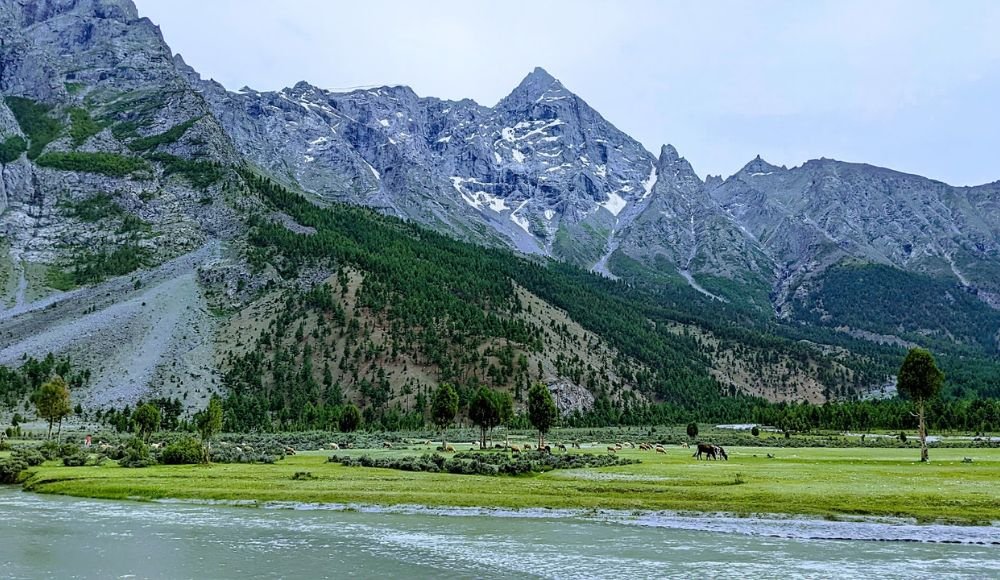
The drive to Basho Valley takes about an hour from Skardu city. The road’s bumpy and narrow in spots, but it’s worth it.
Some people call this place Sultanabad Meadows. Most just say Basho Valley. “Basho” means raisin in the local Balti language. You’ll understand why when you get there. Grape vines grow everywhere on the hillsides. Families here have been making raisins from these grapes for hundreds of years. Their great-grandparents did it. Their grandparents did it. Now they’re teaching their kids.
The valley sits pretty high up—between 8,800 and 10,000 feet. That’s higher than where most people around Skardu live. The air feels thinner. You might get a little winded walking around at first. Summer only lasts from June to September here. During the day, temperatures reach about 59 to 68 degrees. But nights get cold—sometimes below freezing even in summer. Bring warm clothes.
Why Basho Valley is Called a Himalayan Paradise
Basho Valley really is a paradise. Not many places stay this untouched anymore. You won’t find hotels lined up or souvenir stands. Just mountains, meadows, and streams. The Karakoram peaks look the same way they did back when your great-grandparents were kids.
A lot happens in this small valley. Wildflowers cover the meadows when summer hits. Pine trees-some probably older than your school, grow thick in spots. Glacier water runs through in streams so cold it makes your hands ache. Mountains rise up on every side. Sit down for five minutes and you’ll notice how quiet it gets. Birds. Wind pushing through branches. Water splashing over rocks. That’s all.
Hunza Valley? Packed with tour groups now. Skardu city? Construction cranes everywhere. Basho? Still empty. Still wild. You can hike here without running into a dozen other hikers. The meadows grew on their own. Nobody dumped chemicals in the streams to make them crystal clear—they just are. That’s the difference.
Overview of Natural Beauty and Serenity
Basho Valley has three levels. Start at the bottom with the meadows. Big green fields everywhere. In summer, wildflowers grow all over—red ones, yellow ones, purple ones. Farmers bring their animals here to eat grass. They call these fields Sultanabad Meadows. At night, you can camp right on the grass. Look up and you’ll see tons of stars. No city lights block them out.
Walk uphill and you get to the forests. Old pine trees and juniper trees grow here. Really old trees—maybe a hundred years or more. Animals live in these woods. Markhor have big twisted horns. Ibex jump up steep rocks. Deer run away fast if they hear you. Snow leopards hide here too, but seeing one is super rare. Birds are easier to spot. Eagles fly around hunting. You’ll hear other mountain birds making noise.
Go even higher and the trees end. Too cold and windy for them. Just bare rocks and snowy mountain tops. Mountains circle around the whole valley. It looks amazing from every angle. Trails go up to places where almost nobody hikes.
Basho feels peaceful for two reasons. First, it looks beautiful. Second, the local Balti families live simple lives. They grow their own food. They move their animals up and down the mountains when seasons change. No big buildings or busy roads here. The valley sits far away from cities. That distance plus the quiet lifestyle makes it feel really calm. Most places aren’t like this anymore.
Where Is Basho Valley Located?
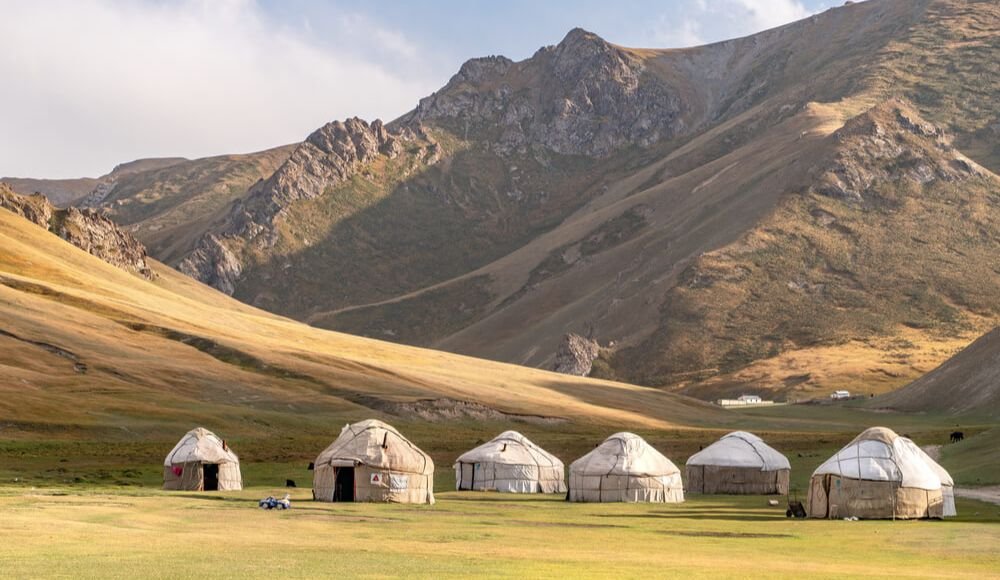
Location of Basho Valley in Gilgit-Baltistan
Basho Valley is strategically positioned in the Roundu Division of Skardu District within the broader Gilgit-Baltistan region of northern Pakistan. This places it firmly within the Karakoram and Western Himalayan mountain ranges, one of the most geologically dramatic and scenically spectacular regions on Earth. The valley’s location approximately 45 kilometers from Skardu city makes it accessible enough for day trips while remaining remote enough to maintain its pristine character.
Geographically, Basho sits alongside the Basho River, which flows through the valley creating a life-giving artery that sustains the lush meadows and forests. The river eventually joins the mighty Indus, which flows near the valley entrance, connecting Basho to the broader river systems that have shaped Baltistan’s landscape and culture for millennia.
Basho Valley’s Position Near Skardu
Basho Valley in Skardu sits in a great spot and is worth adding to any trip plan. It lies along the Jaglot-Skardu Road, also called the Skardu-Gilgit Road. To enter the valley, travelers cross the Basho Bridge, a hanging bridge over the Indus River that acts as the doorway to this quiet place.
From Skardu city, the drive to Basho Bridge is about 40 to 45 kilometers and takes around one to one and a half hours. The ride gives wide views of the Indus River gorge and the tall mountains around it. After crossing the bridge, a rough jeep track climbs about 10 kilometers in one and a half to two hours, rising nearly 3,500 feet before reaching the main valley.
Because it is close to Skardu, Basho Valley is easy to reach, but the tough road keeps it an adventure spot instead of a simple tourist stop. Many visitors add Basho to longer trips that also include Deosai Plains, Shangrila Resort, Satpara Lake, and Shigar Valley.
Basho Valley on the Map
On regional maps, Basho Valley appears as a tributary valley branching off from the main Indus River corridor. Its position places it roughly midway between Gilgit (to the northwest) and Skardu city (to the southeast), though access is typically via Skardu rather than Gilgit due to road conditions and logistics.
The valley’s geographic coordinates place it in one of the most remote and least accessible parts of Pakistan, which has historically protected it from overdevelopment and mass tourism. This isolation has preserved not just the natural environment but also traditional cultural practices that have disappeared in more accessible regions.
Geography and Natural Landscape of Basho Valley
Mountains, Forests, and Meadows of Basho Valley
The geographic diversity of Basho Valley Skardu creates a vertical ecosystem journey within a relatively compact area. At the valley floor (approximately 8,800 feet), expansive alpine meadows dominate the landscape. These meadows, known locally as Sultanabad Meadows, transform dramatically with seasons, from snow-covered white carpets in winter to explosion of green and wildflowers in spring and summer.
Rising from the meadows, dense coniferous forests create a mid-elevation belt. These forests primarily consist of Himalayan pine, juniper, and various fir species that have adapted to the harsh climate and thin air. The forests provide crucial ecosystem services, including watershed protection, wildlife habitat, and microclimate regulation that supports the valley’s agricultural activities.
Above the tree line, bare rocky slopes lead toward the snow-covered peaks that surround the valley. These mountains, while not among the world’s highest, still reach impressive elevations above 17,000 feet and maintain permanent snow and glaciers that feed the valley’s water systems throughout the year.
Rivers, Streams, and Freshwater Springs
Water defines Basho Valley’s character. The Basho River, fed by glacier melt and snowmelt from surrounding peaks, flows through the valley creating a constant soundtrack of rushing water. This river not only provides the valley’s name but also sustains all life here, from the forests and meadows to the agricultural fields of local communities.
Countless smaller streams and freshwater springs emerge from hillsides, creating a network of waterways that maintain the valley’s lush vegetation even during drier months. These waters are remarkably pure, coming directly from glacial sources with minimal human impact, making them safe for drinking (though visitors should still take precautions).
The presence of abundant water distinguishes Basho from many other high-altitude valleys in Gilgit-Baltistan, which often feature more arid, desert-like conditions. This water abundance creates a microclimate that supports much richer vegetation and wildlife populations than elevation alone would suggest.
Unique Himalayan Ecosystem and Biodiversity
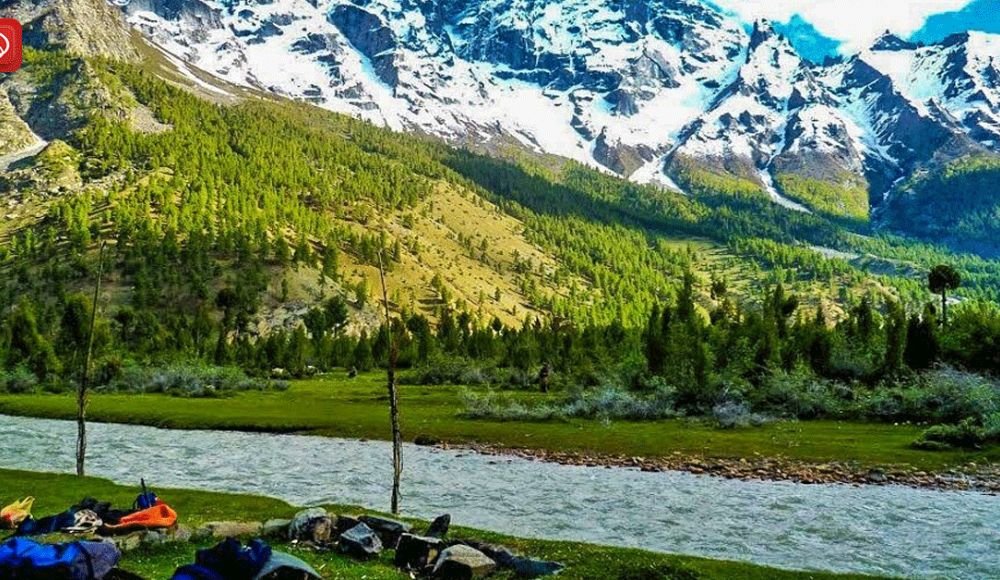
Basho Valley hosts a remarkably diverse Himalayan ecosystem despite its relatively small area. The valley’s biodiversity includes:
Flora: Over 100 plant species have been documented, including various wildflowers (primulas, edelweiss, forget-me-nots), medicinal herbs traditionally used by local communities, and unique alpine plants found nowhere else.
Fauna: The wildlife population includes Himalayan markhor (Pakistan’s national animal), Asiatic ibex, musk deer, Himalayan brown bears, red foxes, and the elusive snow leopard. Bird species include golden eagles, lammergeiers, snowcocks, and various species of pheasants and partridges.
Conservation Status: Local communities have implemented traditional conservation practices, including prohibitions on deforestation and hunting, that have maintained the valley’s ecological integrity. These community-based conservation efforts have proven remarkably effective, allowing wildlife populations to thrive despite increasing tourism pressure in the broader region.
History and Cultural Significance of Basho Valley
Basho Valley in Skardu has a history that goes back hundreds of years, though we don’t have many written records about it. We know about the past through old objects found in the ground and stories passed down by local people. These clues tell us that people have lived in the valley for at least several hundred years. Even longer ago, thousands of years back, herders probably moved through here with their animals, following the same mountain paths each season.
The valley’s name tells us something about its history. “Basho” means “raisin” in the Balti language. This shows that people have been growing grapes here for a very long time. They learned to make raisins as a smart way to deal with the valley’s weather and short growing season. By drying grapes into raisins, families could save fruit for the cold winter months and also trade with others.
Local Communities and Traditions
The residents of Basho Valley belong to the Balti ethnic group, speaking Balti (a Tibetan-related language) and practicing Islam, which arrived in the region several centuries ago. The community maintains strong ties to traditional ways of life despite increasing modern influences.
Village organization follows traditional patterns, with decisions made collectively and resources managed communally. The community’s relationship with the land reflects deep ecological knowledge accumulated over generations, knowing when to plant, where animals will be during different seasons, how to read weather patterns, and which areas require protection to ensure long-term sustainability.
Lifestyle and Culture of Basho Valley Residents
Life in Basho Valley Skardu follows seasonal rhythms dictated by weather and agricultural cycles. Summer brings intense activity, planting, tending crops, harvesting hay, and welcoming limited tourism. Winter forces families into lower elevations or into well-insulated homes, where they rely on preserved foods and await spring’s return.
The community’s hospitality toward visitors reflects deeply ingrained cultural values. Despite limited resources, residents welcome travelers warmly, often inviting them for tea or meals and sharing stories about the valley’s history and traditions. This genuine hospitality creates meaningful cultural exchanges that enrich any visit to Basho.
Traditional crafts continue, including wool spinning and weaving, woodwork, and metalwork. These skills, passed down through generations, produce both utilitarian items and beautiful handicrafts that visitors can purchase, directly supporting local livelihoods.
How to Reach Basho Valley
Route from Skardu to Basho Valley
Distance and Travel Time: The journey from Skardu to Basho Valley covers approximately 45 kilometers and takes 2.5-3.5 hours total. However, this journey divides into two distinct segments with very different road conditions.
First Segment (Skardu to Basho Bridge): The initial 40-45 kilometers from Skardu city to Basho Bridge follow the paved Jaglot-Skardu Road. This section takes approximately 1-1.5 hours and can be covered in any vehicle. The road runs alongside the Indus River, offering spectacular gorge views and glimpses of traditional villages clinging to mountainsides.
Second Segment (Basho Bridge to Valley): After crossing the iconic Basho Bridge, a 450-foot suspended bridge that sways as vehicles cross, the character changes completely. The remaining 10 kilometers to the main valley area follow a rough, unpaved jeep track that climbs steeply upward, gaining approximately 3,500 feet in elevation. This section takes 1.5-2 hours and requires a 4×4 vehicle with experienced drivers.
Road Condition and Terrain: The Basho Valley jeep track is notoriously challenging. The dirt road features steep gradients, sharp hairpin turns, loose stones, and sections that become slippery after rain. There are no guardrails protecting against steep drop-offs, and the track is barely wide enough for a single vehicle in many places, requiring careful navigation when meeting oncoming traffic.
Despite these challenges, local jeep drivers possess intimate knowledge of every curve and hazard, making the journey safer than it might initially appear. Many visitors report that while the road is intimidating, the spectacular scenery provides ample distraction from any nervousness.
Transportation Options
Traveling by Jeep or Local Transport: The only practical way to reach Basho Valley Skardu is via local 4×4 jeeps. These sturdy vehicles, typically Toyota Land Cruisers or similar models, are specifically designed for mountain conditions and driven by experienced local drivers who know the terrain intimately.
Hiring Options:
- Private Jeep from Skardu: Most common option; cost approximately PKR 10,000-14,000 for round trip depending on duration (day trip vs. overnight)
- Shared Jeep: Sometimes available from Basho Bridge, sharing costs among multiple travelers; more economical but less flexible
- Tour Packages: Organized tours through companies like Eventica Travels, Pakistan’s award-winning tour operator, handle all logistics including transportation, experienced drivers, and often include camping equipment and guides
Booking Advice: Book transportation at least 24 hours in advance, especially during peak season (June-September). Confirm the driver’s experience with the Basho route and ensure the vehicle is well-maintained with good tires and functional brakes, crucial for safe mountain driving.
Is Basho Valley Accessible by Car?: Standard cars cannot access Basho Valley in Skardu. The steep, rough terrain beyond Basho Bridge requires ground clearance, 4-wheel drive capability, and robust suspension that only true 4×4 vehicles possess. Attempting the route in a sedan or 2WD SUV is dangerous and likely to result in vehicle damage or accidents.
Best Time to Visit Basho Valley
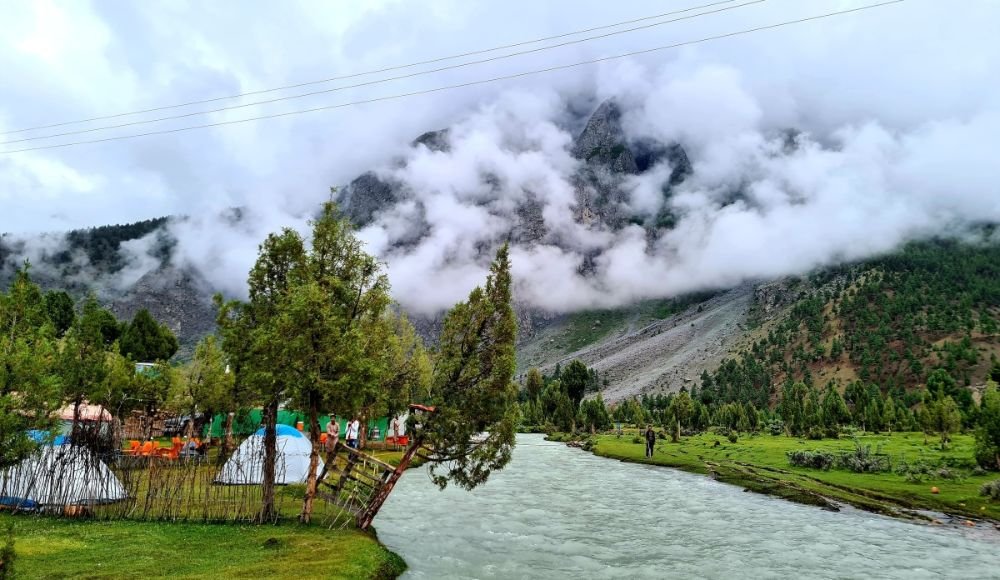
Best Months for Tourism
The optimal window for visiting Basho Valley Skardu is May through October, with peak season running June through September. During these months, the weather in Basho Valley is most favorable for outdoor activities, roads are accessible, and the valley displays its full natural beauty.
May: Early season; snow melting, roads opening, meadows beginning to green up. Wildflowers start blooming. Still quite cold, especially at night. Fewer tourists.
June-August: Peak season; warmest temperatures, lush green meadows, wildflowers in full bloom, all facilities operational. Basho Valley weather at its most stable. However, expect more visitors, especially weekends and holidays.
September-October: Autumn brings stunning colors as vegetation changes before winter. Clear skies, crisp air, and excellent visibility for photography. Temperatures cooling, nights cold. Tourism decreasing, offering more solitude.
Seasonal Weather Overview
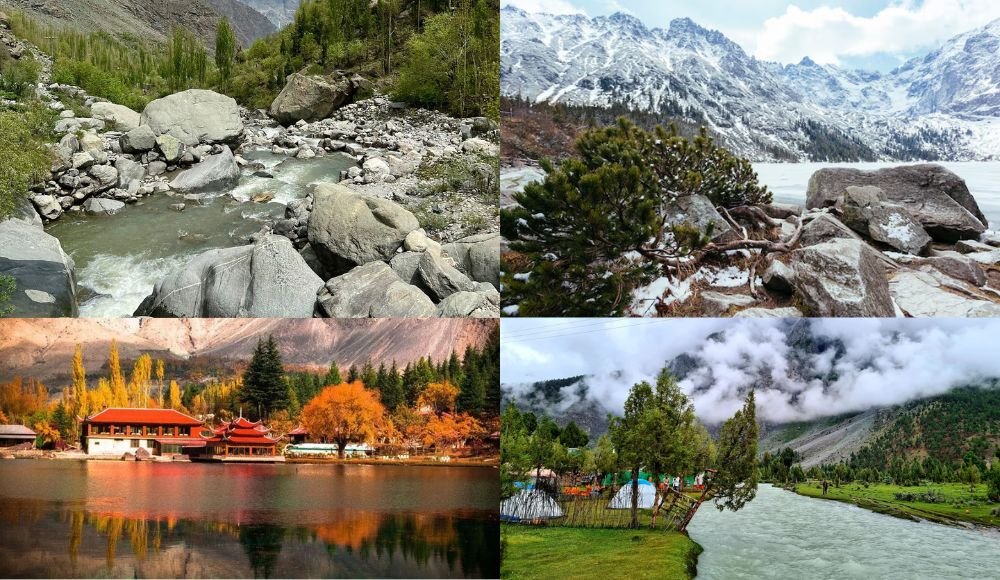
Summer (June-August): The weather of Basho Valley during summer features daytime temperatures ranging from 15°C to 25°C (59-77°F), though it remains noticeably cooler than Skardu city due to elevation. Nights drop to 5-10°C (41-50°F), requiring warm layers even in the warmest months. Occasional afternoon thunderstorms are possible, usually clearing by evening.
Autumn (September-October): Daytime temperatures drop to 10-20°C (50-68°F), with nights approaching freezing. The Basho Valley weather becomes drier with less precipitation, creating excellent conditions for trekking and photography. By late October, early snows may occur, signaling the approaching winter closure.
Winter (November-April): Basho Valley becomes extremely cold, with temperatures dropping to -15°C to -25°C (-5°F to -13°F). Heavy snowfall makes the jeep track impassable, effectively closing the valley to tourism. Only experienced mountaineers with proper equipment and local guides should attempt winter visits.
Spring (April-May): As snow melts and temperatures rise, the valley begins awakening. However, road conditions remain uncertain until snow fully clears from the jeep track. This transitional period can be beautiful but requires flexibility as weather and access change daily.
Spring Blossoms vs Summer Greenery vs Autumn Colors
Each season paints Basho Valley Skardu in different palettes:
Spring (April-May): The valley explodes with wildflowers, primulas, edelweiss, forget-me-nots, and dozens of other species carpet the meadows in yellows, purples, whites, and reds. Fruit trees (apricot, apple, cherry) blossom in villages, adding pink and white blooms against emerald grass.
Summer (June-August): Peak greenery dominates, meadows reach their lushest, forests their deepest green, and agricultural fields display growing crops. The valley feels alive and vibrant, with wildlife most active and visible.
Autumn (September-October): Nature’s fire palette transforms the landscape. Meadow grasses turn golden, trees display yellows and browns, and the contrast between autumn colors and snow-capped peaks creates dramatic photography opportunities. The valley takes on a more contemplative, quieter character as it prepares for winter.
Weather Conditions in Basho Valley
Summer Weather in Basho Valley
Summer Basho Valley weather is characterized by generally mild, pleasant conditions ideal for outdoor activities. Typical summer days feature:
Morning: Cool and crisp, temperatures 10-15°C (50-59°F), often with dew on grass and mist in valleys. Perfect conditions for hiking as the day begins.
Midday-Afternoon: Warming to 20-25°C (68-77°F), comfortable for all activities. Sunshine strong due to thin air and high altitude, sun protection essential despite moderate temperatures.
Evening: Rapid cooling as sun sets, dropping to 5-10°C (41-50°F). Warm layers become necessary.
Night: Cold, often near or below freezing, especially in exposed meadow camps. Quality sleeping bags rated for 0°C or below are essential for camping.
Winter Snowfall and Cold Temperatures
Winter transforms Basho Valley in Skardu into an extreme environment. Heavy snowfall accumulates to several feet, completely burying the jeep track and making access impossible without specialized equipment. Temperatures regularly plunge below -15°C (5°F), with wind chill making conditions feel even colder.
The valley essentially closes for tourism during winter months (November-April). Local residents either migrate to lower elevations or remain in well-insulated homes with ample fuel and food supplies. Wildlife either hibernates or migrates to lower, warmer areas where food remains accessible.
Sudden Weather Changes in the Mountains
Like all high-altitude regions, Basho Valley weather can change with startling speed. Clear morning skies can transform into afternoon thunderstorms within hours. Temperatures can drop 10-15°C (18-27°F) when clouds obscure the sun. Wind can pick up suddenly, especially at exposed ridges and meadows.
These rapid weather shifts require visitors to:
- Pack layers suitable for all conditions
- Monitor weather forecasts before departure
- Carry rain gear even on apparently clear days
- Be prepared to modify plans if conditions deteriorate
- Respect local advice about weather patterns and timing
Also Read: Top Places to Visit in Skardu: Exploring Pakistan’s Hidden Paradise
Things to Do in Basho Valley
Hiking and Nature Walks
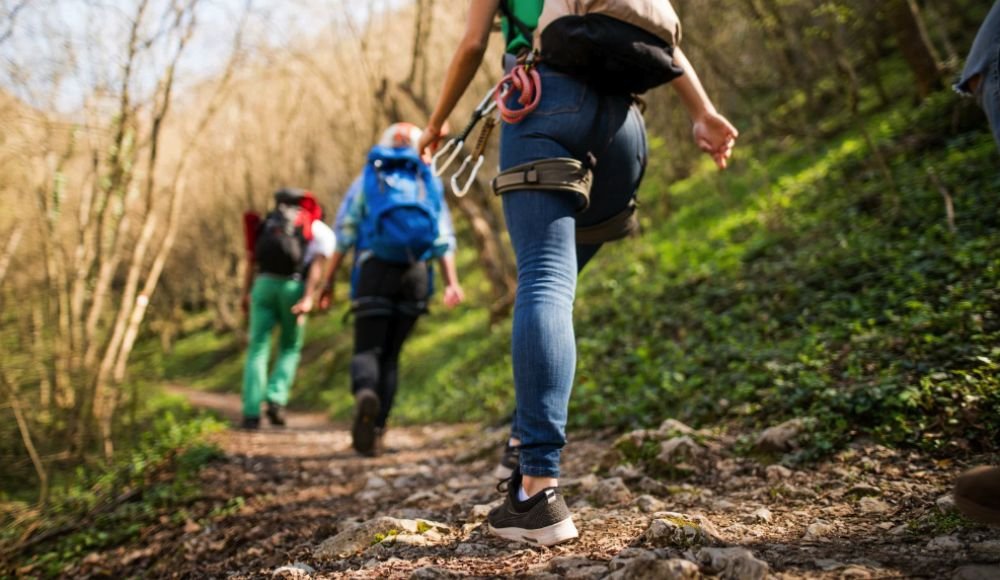
Basho Valley Skardu offers countless hiking opportunities ranging from gentle meadow strolls to challenging mountain ascents:
Easy Walks: Meadow exploration along the Basho River, forest trails through pine groves, and visits to nearby villages require minimal fitness and offer maximum scenic rewards.
Moderate Hikes: Half-day treks to viewpoints overlooking the valley, forest trails to higher meadows, and exploration of side valleys provide more challenge with spectacular perspectives.
Advanced Treks: Full-day expeditions to glaciers, high-altitude passes, and remote areas demand good fitness, proper equipment, and ideally local guides for navigation and safety.
Camping and Picnics
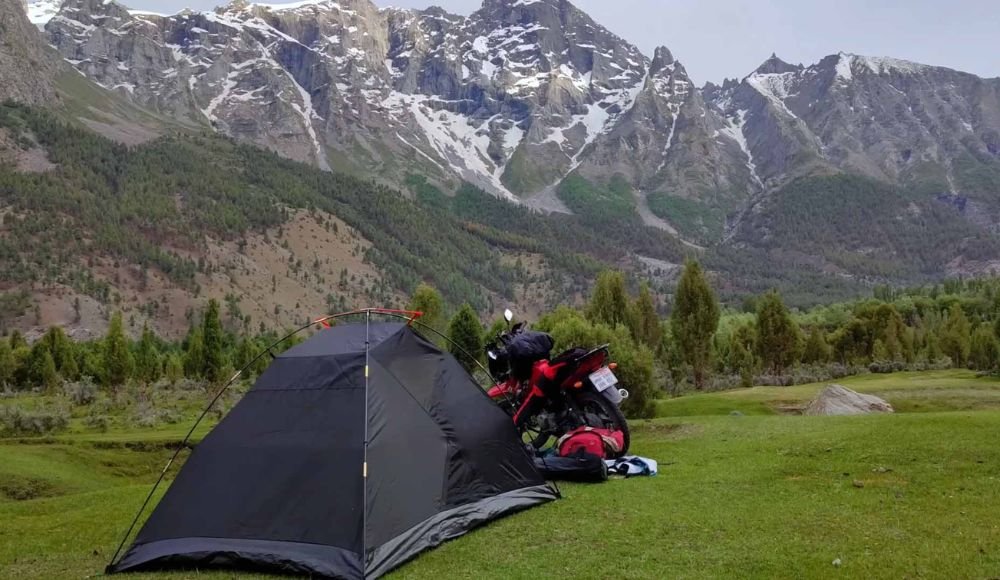
Camping represents the quintessential Basho Valley experience. Numerous designated camping areas dot the main meadows, offering:
Organized Campsites: Basic facilities including tent platforms, simple toilets, and sometimes small structures. Costs range from PKR 1,000-5,000 per night depending on amenities.
Wild Camping: Permitted in most areas with landowner permission. Choose flat ground away from water sources, pack out all trash, and follow Leave No Trace principles.
Day Picnics: Perfect for families or those not camping overnight. Find a scenic spot by the river or in meadows, enjoy packed lunches surrounded by mountain beauty.
Photography and Sightseeing
Basho Valley is a photographer’s paradise offering subjects for every style:
Landscapes: Sweeping meadows, mountain panoramas, forest scenes, and river compositions provide endless opportunities.
Wildlife: Patient photographers may capture markhor, ibex, deer, or various bird species in their natural habitats.
Cultural: Traditional village life, agricultural activities, and local people (always ask permission first) offer authentic cultural photography.
Night Sky: With zero light pollution, Basho Valley Skardu delivers spectacular night sky photography, Milky Way arcs, star trails, and meteor showers (during appropriate seasons) shine brilliantly.
Exploring Forests and Alpine Meadows
Simply wandering through Basho Valley’s varied ecosystems provides immense satisfaction. Walk through ancient pine forests where sunlight filters through branches creating dappled patterns. Explore meadows discovering wildflowers, butterflies, and signs of wildlife. Follow streams upward toward their glacial sources. Each exploration reveals new details and perspectives on this remarkable environment.
Basho Valley for Adventure Lovers
Trekking Opportunities
Beyond casual hiking, Basho Valley in Skardu serves as a base for serious trekking expeditions:
Multi-day Treks: Routes connecting to neighboring valleys, crossing high passes, or reaching glaciers offer immersive mountain experiences for experienced trekkers.
Peak Attempts: Several peaks surrounding the valley offer technical climbing challenges for qualified mountaineers with proper equipment and experience.
Valley-to-Valley Connections: Expert trekkers can plan routes connecting Basho with other valleys, creating through-hikes that showcase Baltistan’s diversity.
Jeep Tracks and Off-road Experiences
The journey to Basho Valley Skardu itself constitutes an off-road adventure. The rough, challenging jeep track provides adrenaline for those seeking exciting drives. Advanced 4×4 enthusiasts sometimes explore even rougher tracks deeper into the valley, though this requires expert drivers, well-prepared vehicles, and local knowledge.
Wildlife Spotting
Basho Valley’s healthy wildlife populations offer excellent spotting opportunities:
Best Times: Dawn and dusk when animals are most active and visible.
Best Locations: Forest edges, meadow perimeters, and near water sources.
Species to Watch For: Markhor (often seen on hillsides), ibex (higher elevations), deer (meadows and forest edges), and various bird species throughout the day.
Ethics: Maintain respectful distances, never feed wildlife, and minimize disturbance to natural behaviors.
Accommodation Options in Basho Valley
Guest Houses and Home Stays
Basho Valley has limited traditional accommodation:
Guest Houses: A few basic guest houses operate in Sultanabad village at the valley entrance. These offer simple rooms with basic amenities, don’t expect luxury, but appreciate authentic hospitality and home-cooked meals.
Home Stays: Some local families host visitors in their homes, providing the most authentic cultural experience. Accommodations are basic but clean, meals are home-cooked traditional Balti food, and interaction with families offers genuine cultural exchange.
Booking: Advance booking is difficult as many places don’t have reliable phone/internet. Tour operators like Eventica Travels can arrange accommodation as part of complete packages, eliminating booking hassles.
Camping Options
Camping remains the most popular and atmospheric accommodation choice in Basho Valley Skardu:
Established Campsites: Several areas in the main meadows offer basic camping facilities with designated tent platforms, simple toilet facilities, and sometimes small huts. Costs: PKR 1,000-5,000 per night.
Equipment Rental: Some sites rent tents and basic camping gear, though bringing your own ensures quality and fit.
Tour Company Camping: Professional tours (like those offered by Eventica Travels) provide complete camping setups including tents, sleeping bags, meals, and staff, ideal for those wanting the camping experience without equipment hassles.
Where to Stay Near Basho Valley
For those preferring comfort, base yourself in Skardu city (40-45 km away) where numerous hotels of all budgets exist. Make day trips to Basho Valley, though this means missing the magical experience of camping under stars in the meadows.
Skardu Accommodation Options:
- Budget hotels: PKR 2,000-5,000 per night
- Mid-range hotels: PKR 5,000-10,000 per night
- Upscale hotels (like near Shangrila): PKR 10,000+ per night
Food and Local Cuisine in Basho Valley
Traditional Balti Food
Balti cuisine in Basho Valley in Skardu reflects the harsh climate and traditional lifestyle:
Staples: Wheat and barley breads (various types of roti), meat (goat, chicken, sometimes beef), dairy products (butter, yogurt, cheese), and simple vegetable dishes.
Signature Dishes:
- Gooli: Traditional Balti bread stuffed with butter
- Mamtu: Steamed dumplings with meat or vegetable fillings
- Khura: Thick bread served with butter tea
- Balti Tea: Salted butter tea, an acquired taste but culturally significant
Flavors: Generally mild rather than spicy, emphasizing the natural flavors of ingredients. Limited use of spices compared to lowland Pakistani cuisine.
Availability of Restaurants and Local Meals
In the Valley: Food options are limited. A few small local establishments (essentially home kitchens) serve simple meals to visitors. Menu choices are minimal, typically rice, roti, dal (lentils), chicken or goat curry, and tea.
At Campsites: Many organized campsites prepare meals for guests, usually simple but filling mountain food. Quality varies, but portions are generally generous.
Self-Catering: Many visitors bring food supplies from Skardu, especially for camping trips. This ensures dietary preferences are met and reduces costs, though supporting local food economy helps the community.
What Travelers Should Expect
Expect basic, simple food rather than gourmet cuisine. Portions are typically large, mountain living requires calories. Vegetarians should specify clearly as meat dominates local diet. Food safety is generally good, but bringing hand sanitizer and following basic hygiene practices is wise.
The experience of sharing tea and bread with local families often becomes a trip highlight, the hospitality and genuine warmth transcend any language barriers or culinary sophistication.
Join our 10-day group tour to Skardu, Manthokha, Basho Valley & Deosai—book your adventure today!
What to Pack for Basho Valley
Clothing Essentials for Mountain Weather
Layering System (Essential for variable Basho Valley weather):
- Base Layers: Thermal underwear (wool or synthetic)
- Mid Layers: Fleece jacket, wool sweater
- Outer Shell: Waterproof, windproof jacket
- Bottoms: Hiking pants, thermal pants for cold, waterproof pants
- Extremities: Warm hat, gloves, neck gaiter/scarf, wool socks (multiple pairs)
- Footwear: Sturdy hiking boots with good ankle support and grip
Sun Protection:
- Wide-brimmed hat or cap
- Sunglasses (UV protection essential at altitude)
- Sunscreen (SPF 50+)
- Lip balm with SPF
Food, Water, and Camping Gear
For Day Trips:
- Water bottles (2 liters minimum; water in Basho Valley is generally safe but bring purification tablets if concerned)
- High-energy snacks (nuts, dried fruit, energy bars)
- Packed lunch if not eating at local establishments
For Camping:
- Quality tent (if not provided by tour company)
- Sleeping bag rated for 0°C or below
- Sleeping pad for insulation and comfort
- Cooking gear if self-catering
- Headlamp with extra batteries
- Portable stove and fuel
Safety and Emergency Items
- First Aid Kit: Basic supplies plus any personal medications
- Navigation: GPS device, downloaded offline maps, compass
- Communication: Charged mobile phone (signal limited but sometimes available)
- Emergency: Whistle, fire starter, multi-tool knife
- Documents: ID/passport, emergency contact information
- Cash: No ATMs in Basho Valley Skardu; bring sufficient Pakistani Rupees
Travel Tips and Safety Advice
Road Safety and Vehicle Tips
- Choose Experienced Drivers: Always hire vehicles with drivers who know the Basho Valley route intimately
- Vehicle Checks: Ensure brakes, tires, and 4WD system are in good condition before departure
- Travel Timing: Depart early (by 7 AM from Skardu) to ensure daylight for the challenging jeep track sections
- Weather Awareness: Don’t attempt the route during heavy rain or snow; postpone if conditions are questionable
- Seatbelts: Use them whenever available, especially on rough sections
- Motion Sickness: Bring medication if prone to car sickness; the winding roads affect many travelers
Respecting Local Culture
- Dress Modestly: Cover shoulders and knees; women should bring a scarf
- Photography Etiquette: Always ask permission before photographing people, especially women
- Ramadan Respect: If visiting during Ramadan, don’t eat/drink publicly during fasting hours
- Mosque Behavior: Remove shoes if entering mosques; women may not be permitted in some areas
- Hospitality: Accept offers of tea when appropriate, refusal can be seen as rude
- Conservative Behavior: Avoid public displays of affection, loud music, or behavior that might offend conservative sensibilities
Responsible Tourism and Environmental Care
- Leave No Trace: Pack out all trash; don’t leave anything behind
- Water Sources: Don’t pollute streams or rivers; use biodegradable soap away from water
- Wildlife: Observe from distance; never feed or chase animals
- Vegetation: Stay on established trails; don’t pick flowers or damage plants
- Local Economy: Buy local products, hire local guides, support community businesses
- Conservation Support: If possible, contribute to local conservation efforts
The pristine beauty of Basho Valley in Skardu depends on every visitor’s commitment to responsible practices. Your careful behavior helps preserve this paradise for future generations.
Nearby Attractions Around Basho Valley
Skardu Valley
The gateway to Basho Valley, Skardu itself offers numerous attractions:
- Kharpocho Fort: Historic fort with stunning valley views
- Skardu Bazaar: Local markets for supplies and souvenirs
- Numerous Hotels: Base for exploring the region
Deosai National Park
One of the world’s highest plateaus (4,114m), Deosai lies about 3 hours from Skardu. Famous for:
- Himalayan brown bears
- Sheosar Lake
- Vast wildflower meadows in summer
- Accessible June-October only
Satpara Lake
Beautiful reservoir lake 20 minutes from Skardu:
- Boating opportunities
- Scenic picnic spots
- Gateway to Deosai via alternate route
- Year-round accessibility
Shigar Valley
Historic valley 30 km from Skardu featuring:
- Shigar Fort (restored heritage hotel)
- Traditional Balti villages
- Gateway to K2 base camp treks
- Stunning mountain scenery
These attractions combine beautifully with Basho Valley Skardu to create comprehensive Baltistan itineraries. Eventica Travels, Pakistan’s premier tour operator, offers expertly designed packages incorporating these highlights for unforgettable Gilgit-Baltistan experiences.
Basho Valley FAQs
Basho Valley is located in the Roundu Division of Skardu District, Gilgit-Baltistan, Pakistan, approximately 45 kilometers from Skardu city. It sits at an elevation between 8,800 and 10,000 feet (2,700-3,600 meters) in the Himalayan mountain range.
Yes, Basho Valley Skardu is very safe for tourists. The local Balti community is renowned for hospitality and welcomes visitors warmly. Crime is virtually non-existent. The primary safety considerations are road conditions (hire experienced drivers) and weather (visit during appropriate seasons). Many local jeep drivers and residents serve as informal guides, ensuring visitor safety and assistance.
Basho Valley is approximately 45 kilometers (28 miles) from Skardu city. The journey takes 2.5-3.5 hours total, including the rough jeep track beyond Basho Bridge.
Yes, Basho Valley in Skardu can accommodate families, though considerations include:
1. Children must handle cool temperatures and basic facilities
2. The rough jeep ride may be challenging for very young children or those prone to motion sickness
3. Limited medical facilities mean families should bring comprehensive first aid supplies
4. The natural environment offers wonderful educational opportunities for children
5. Camping creates memorable family bonding experiences
Many families visit successfully, particularly those with children 6 years and older who can appreciate the natural beauty and adventure aspects.
Yes, absolutely. Standard cars cannot access Basho Valley. The steep, rough jeep track beyond Basho Bridge requires true 4-wheel drive vehicles with high ground clearance, robust suspension, and experienced drivers familiar with mountain driving. Local jeeps or 4×4 vehicles are the only practical and safe transportation options for the valley portion of the journey.
Final Thoughts on Visiting Basho Valley
Why Basho Valley is a Hidden Gem of Gilgit-Baltistan
Basho Valley Skardu exemplifies what draws adventure travelers to Pakistan’s northern regions, pristine natural beauty, authentic cultural experiences, and the satisfaction of discovering places that remain largely unknown to mass tourism. While Hunza Valley attracts thousands and even Skardu’s main attractions face growing crowds, Basho retains the character of a true hidden gem.
This hidden status stems from its challenging access. The rough jeep track beyond Basho Bridge serves as a natural filter, screening out casual tourists while welcoming those genuinely interested in mountain adventures. This selective accessibility has preserved the valley’s environment and culture in ways that more accessible destinations struggle to maintain.
The reward for those who make the journey is immense, landscapes that rival any in the Himalayas, opportunities to experience traditional Balti culture, wildlife viewing possibilities that have largely disappeared elsewhere, and the satisfaction of exploring one of Pakistan’s last remaining frontier valleys.
Preserving the Beauty of This Himalayan Paradise
The future of Basho Valley in Skardu depends on balancing tourism development with conservation. Local communities have demonstrated remarkable environmental stewardship, maintaining the valley’s ecological integrity through traditional practices and modern awareness. Visitors play a crucial role in this preservation by:
- Practicing Leave No Trace principles rigorously
- Supporting local economies directly through ethical spending
- Respecting cultural norms and environmental regulations
- Spreading awareness about responsible tourism
- Choosing tour operators committed to sustainable practices
As Basho Valley gains recognition, the challenge will be managing increased visitor numbers without sacrificing the qualities that make it special. Conservation-minded tourism, where visitor spending directly benefits local communities while maintaining environmental standards, offers the best path forward.
Experience Basho Valley with Eventica Travels
For travelers seeking hassle-free, professionally organized Basho Valley experiences, Eventica Travels offers comprehensive packages that handle all logistics while ensuring responsible, sustainable tourism practices. As Pakistan’s award-winning tour operator and recognized leader in northern area adventures, Eventica combines:
- Expert Planning: Itineraries designed by mountain travel specialists
- Experienced Drivers: Skilled drivers who know every curve of the Basho route
- Quality Equipment: Well-maintained vehicles and camping gear
- Local Guides: Knowledgeable guides who share cultural insights and ensure safety
- Responsible Tourism: Commitment to environmental conservation and community benefit
- Complete Packages: All-inclusive options covering transport, accommodation, meals, and activities
Whether you’re planning a Basho Valley day trip, overnight camping adventure, or comprehensive Gilgit-Baltistan tour incorporating multiple destinations, Eventica Travels transforms logistical challenges into seamless experiences, allowing you to focus entirely on enjoying this Himalayan paradise.
Ready to discover Basho Valley’s hidden wonders? Contact Eventica Travels today to plan your perfect Skardu adventure, from Basho Valley’s pristine meadows to Deosai’s plains, from Shigar’s historic villages to the region’s countless other treasures. Let Pakistan’s premier tour operator guide you to experiences you’ll treasure forever.