
1. Introduction: Why Ranikot Fort Matters
Brief Overview of Ranikot Fort
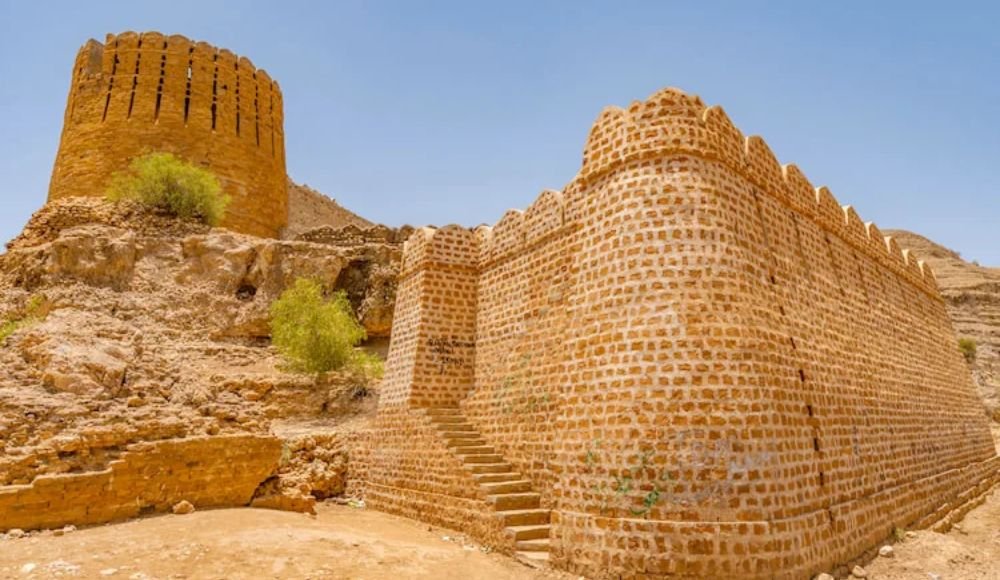
Ranikot Fort is known as “The Great Wall of Sindh” and is one of the most amazing and mysterious old buildings in Pakistan. The wall goes around for about 32 kilometers (20 miles), which makes it really, really long! This huge fort sits in the rocky Khirthar hills in Sindh province. When you look at it from far away, it’s so big and impressive that it can be compared to other famous walls around the world.
Despite its grandeur, Ranikot Fort in Pakistan remains surprisingly under-visited and shrouded in mystery. Unlike famous Mughal forts with well-documented histories, Ranikot’s origins, purpose, and builders continue to puzzle historians and archaeologists, adding an intriguing layer to any visit.
2. What Is Ranikot Fort?
Overview of Ranikot Fort
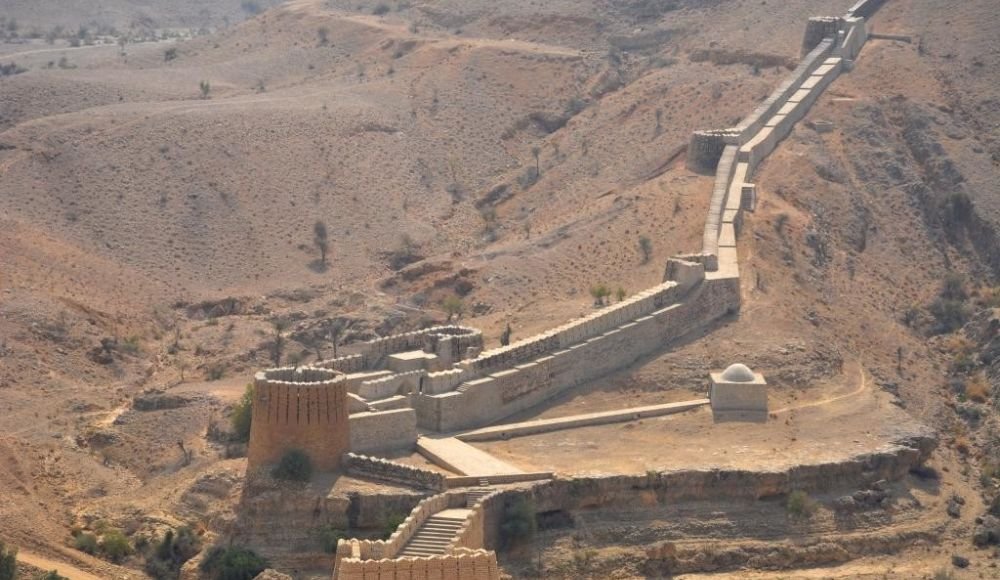
Ranikot Fort is the biggest fort in the world when you measure around its walls. It covers about 32 square kilometers of land. People built the walls using limestone and sandstone, which are both types of rock. Most of the walls are about 6 meters tall (20 feet)—that’s as tall as a two-story house! In some places, the walls are even taller, reaching up to 9 meters (30 feet). All along the walls, there are special towers called bastions placed in smart spots to help guard the fort.
Unlike typical forts concentrated in small defensive areas, Ranikot sprawls across hills, valleys, and plateaus, creating a massive enclosed territory. Inside the fort, there are several smaller buildings including two mini-forts called Meeri and Shergarh. You can also find gates, watchtowers, and old houses where people used to live. Unfortunately, a lot of these are broken down and damaged now.
Look at Ranikot and then look at other big forts in South Asia like Lahore Fort or Amber Fort—you’ll notice Ranikot is really different.Ranikot doesn’t have fancy palaces or beautiful decorations like those forts do. But what makes Ranikot special is how incredibly big it is and how it sits in such a dramatic, wild landscape. Its remote location and mysterious origins make it unique among Pakistan’s historical monuments.
Why Is Ranikot Fort Called the Great Wall of Sindh?
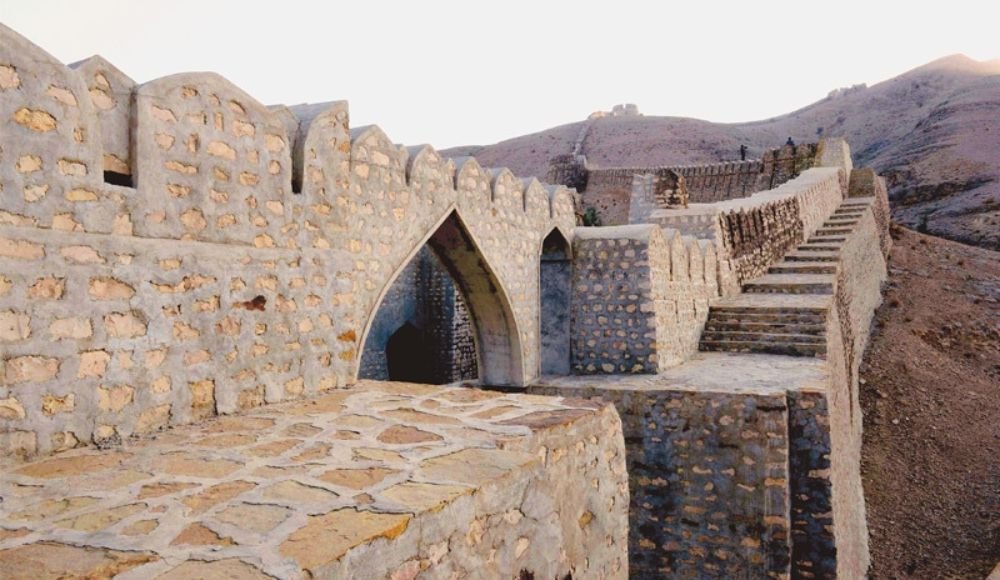
The title “Ranikot Fort the Great Wall of Sindh” emerged from comparisons with China’s Great Wall due to similar characteristics: extensive length, mountain terrain navigation, and defensive purpose spanning vast distances rather than concentrating in compact areas.
Wall Length, Design, and Strategic Purpose
The fort’s approximately 32-kilometer perimeter makes it one of the world’s longest defensive walls. The design follows natural topography, utilizing hills and ridges strategically. Walls climb steep slopes, descend into valleys, and traverse plateaus, demonstrating sophisticated military engineering adapted to challenging terrain.
People still don’t know exactly why this fort was built. Some experts think it kept trade roads safe (roads where traders bought and sold things). Others think it stopped enemies from attacking. Some people believe farmers used it to keep their cows, goats, and sheep safe while the animals ate grass. This makes sense because the fort is really big—big enough to hold lots of animals.
Symbolic Importance in Sindhi Heritage
For Sindh’s cultural identity, Ranikot represents resilience, engineering prowess, and historical significance predating even the famous Mughal monuments. Its preservation and promotion have become matters of regional pride, though it deserves far more recognition nationally and internationally.
3. Ranikot Fort History and Origins
Ranikot Fort Built By Whom?
The question “Ranikot Fort built by whom?” lacks a definitive answer, making it one of Pakistan’s greatest historical mysteries. Several competing theories exist:
Talpur Dynasty Theory: The most commonly cited attribution credits the Talpur Mirs of Sindh (who ruled 1783-1843) with major construction or renovation work. Historical records mention Mir Karam Ali Khan Talpur undertaking significant fortification work in the early 19th century.
Earlier Sassanian or Arab Connections: Some archaeologists suggest much earlier origins, possibly during the Sassanian Persian period (3rd-7th century CE) or early Arab conquests of Sindh (8th century CE). Architectural elements and construction techniques hint at pre-Talpur foundations.
Winter months (December to March) bring freezing cold, possible snow, and dangerous bridge conditions. Crossing isn’t a good idea for regular tourists during this time. That said, winter does give you some unique photo opportunities if you’re experienced and come prepared.
4. Where Is Ranikot Fort Located?
Rani Fort Location?
Ranikot Fort located in which city? Technically, the fort doesn’t sit within any city but lies in the remote Khirthar Range of Jamshoro District, Sindh province. The nearest significant town is Sann, approximately 30 kilometers away, while the closest major city is Hyderabad.
Administrative boundaries place Ranikot Fort under Jamshoro District jurisdiction, though historically it connected to various administrative divisions depending on the ruling power.
5. How to Reach Ranikot Fort
Routes from Major Cities
From Hyderabad: Take the National Highway N-55 toward Sehwan Sharif, then branch off onto the road to Sann. From Sann, follow the road toward the fort entrance—signs are limited, so GPS navigation or local guidance helps. The final approach involves some unpaved roads.
From Karachi: The distance is approximately 180-200 kilometers (3.5-4 hours). Follow the National Highway N-5 toward Hyderabad, then continue as described above. Many Karachi-based tourists make this a day trip or weekend excursion.
From Sehwan Sharif: About 50-60 kilometers south via Sann. Sehwan, famous for the shrine of Lal Shahbaz Qalandar, makes an excellent combination destination with Ranikot Fort for a comprehensive Sindh heritage tour.
Transportation Options
Private car remains the most practical option, offering flexibility for exploration and departure timing. Most visitors from Karachi or Hyderabad drive their own vehicles or hire cars with drivers familiar with the route.
Public transport limitations: Direct public transport to Ranikot Fort is virtually non-existent. Buses and vans operate between major cities and Sann, but from there, you’ll need private transport to reach the fort itself—approximately 30 kilometers on roads not served by regular public vehicles.
4×4 requirement: While not absolutely necessary for reaching the main gates, a 4×4 vehicle is highly recommended for exploring areas around the fort, accessing different viewpoints, and Ranikot Fort camping sites. Some internal routes and rougher tracks definitely require higher clearance vehicles.
6. Best Time to Visit Ranikot Fort
The best time to visit Ranikot Fort is during winter months from November through February when temperatures are pleasant (15-25°C during the day) and exploration remains comfortable. March and October also work well as shoulder season months.
Summer risks and heat considerations: Avoid visiting May through September when temperatures soar above 40°C (104°F), often reaching 45-48°C. The exposed landscape offers minimal shade, making summer exploration dangerous and extremely uncomfortable. Heat stroke and dehydration pose serious risks.
Ideal months for exploration and photography: December and January provide the clearest skies and most comfortable temperatures for extensive walking and climbing. The winter light creates excellent photography conditions, especially during golden hour when the limestone walls glow warmly. Early morning and late afternoon light produces the most dramatic images.
Also Read: Hussaini Suspension Bridge Hunza
7. Exploring Ranikot Fort: What to See Inside
Main Gates of Ranikot Fort
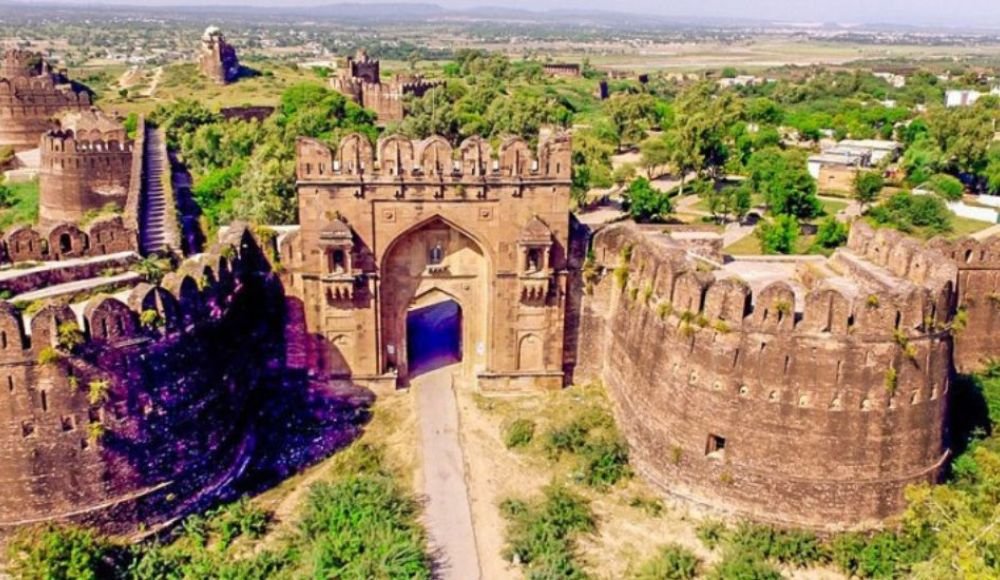
Sann Gate: The main entrance from the Sann side, this impressive gate features traditional defensive architecture with bastions and thick walls. Most visitors enter through Sann Gate as it connects to the better-maintained access road.
Mohan Gate: Located on the eastern side, Mohan Gate provides alternative access and offers different perspectives of the fort’s construction and surrounding landscape.
Shah Pir Gate: Named after a nearby shrine, this gate connects to local pilgrimage routes and demonstrates the fort’s integration with the surrounding cultural landscape.
Inner Forts and Structures
Meeri Fort: This smaller fort within Ranikot’s massive perimeter served as a citadel and administrative center. Better preserved than surrounding structures, Meeri Fort features residential ruins, water storage systems, and defensive positions worth exploring.
Shergarh Fort: Another internal fortification positioned strategically to provide layered defense. Shergarh Fort’s elevated location offers panoramic views of the surrounding area and demonstrates the sophisticated military planning behind Ranikot’s design.
Watchtowers and walls: Numerous watchtowers punctuate the walls at strategic intervals, providing surveillance positions and communication points. Climbing accessible towers rewards visitors with breathtaking views of the fort’s extent and the dramatic Khirthar landscape.
Architectural and Defensive Features
Stonework and wall design: The fort’s construction utilizes local limestone and sandstone, laid with lime mortar and featuring remarkable durability given centuries of weathering. Wall thickness varies but averages 3-4 meters, providing substantial defensive strength.
Military strategy behind layout: Ranikot’s design demonstrates sophisticated understanding of terrain advantages—walls follow ridgelines for elevation benefits, gates position where natural access routes funnel approaching forces into defensible bottlenecks, and internal forts provide layered defense if outer walls were breached.
8. Ranikot Fort Camping Experience
Is Camping Allowed at Ranikot Fort?
More people are camping at Ranikot Fort these days, but the official rules aren’t totally clear. Most of the time, local tourism folks are okay with it and even like the idea because it brings more visitors to the area. Just be respectful of the historical site and don’t leave any trash behind.
Legal and safety considerations: There are no official campground facilities or formal permissions required currently. However, this could change as tourism develops. Safety-wise, the remote location means no emergency services nearby—self-sufficiency is essential.
Local permissions: While not legally required, informing local authorities or the caretaker at the fort entrance demonstrates respect and helps ensure safety. Locals generally welcome respectful visitors who appreciate and protect the heritage site.
Best Camping Spots Near the Fort
Inside vs outside fort area: Camping inside the fort walls offers unparalleled atmosphere—imagine sleeping within this ancient fortress under star-filled skies. Popular spots include areas near Meeri Fort and flat ground near the main gates. Outside camping along nearby hills provides equally stunning views with easier vehicle access.
Scenic locations: The plateau near Shergarh Fort offers spectacular sunset views. Areas along the western walls provide dramatic mountain backdrops. Near the gates, you’ll find relatively flat terrain suitable for tents with proximity to vehicle access.
Also Read: Pakistan Travel Safety for Tourists: The Complete & Honest Guide
Camping Tips and Safety Advice
Inside vs outside the fort: Camping inside the fort walls gives you an amazing experience. Picture yourself sleeping inside this ancient fortress with stars all around you. People like camping near Meeri Fort and on flat ground by the main gates. If you camp outside on the nearby hills, you get just as beautiful views and it’s easier to park your vehicle.
Best spots: The flat area near Shergarh Fort gives you great sunset views. Spots along the western walls have dramatic mountains behind them. Near the gates, you’ll find flatter ground that works well for tents and you can reach your vehicle easily.
What to bring: You need to bring everything yourself. Pack all your water (there’s no good water source at the fort), food, camping gear for cold winter nights, a first aid kit, GPS or maps, flashlights or headlamps, and power banks since there’s no electricity.
Weather and animals: Winter nights get close to freezing, so bring warm sleeping bags and extra layers. Don’t camp here in summer because it gets way too hot. You might see snakes and scorpions, so check your shoes and sleeping area, stay away from rocky holes, and know basic first aid for snake bites. There aren’t any big dangerous animals, but always camp with other people to stay safe.
Ranikot Fort stands as one of Pakistan’s most impressive yet underappreciated historical monuments. This “Great Wall of Sindh” offers adventure, history, mystery, and natural beauty in equal measure. Whether you’re a history enthusiast intrigued by its mysterious origins, a photographer seeking dramatic landscapes, or an adventurer drawn to Ranikot Fort camping experiences, this massive fortification delivers unforgettable experiences.
Plan your visit during comfortable winter months, come prepared for remote conditions, respect the heritage site, and prepare to be amazed by the scale and beauty of this extraordinary fort. Ranikot Fort in Sindh Pakistan awaits your discovery, a testament to human ambition and engineering set against the timeless beauty of the Khirthar hills.
Ready to explore the Great Wall of Sindh? Contact Eventica Travels for guided Ranikot Fort tours, camping packages, and comprehensive Sindh heritage experiences that bring history to life!