Hidden in three remote valleys of Pakistan’s Chitral district, one of the world’s most extraordinary living cultures continues celebrating life, harvest, and community through festivals that have remained essentially unchanged for thousands of years. The Kalash people of Chitral represent one of humanity’s most remarkable cultural survivals, a pre-Islamic, polytheistic community maintaining ancient traditions, distinctive clothing, unique language, and seasonal celebrations in the shadows of the Hindu Kush mountains.
The Chilam Joshi Festival has become increasingly famous among travelers seeking authentic cultural experiences beyond conventional tourism. When spring arrives in the Kalash valleys, something extraordinary happens: music fills narrow valleys, women in embroidered black robes dance with abandon, drums echo off mountain walls, and an entire community celebrates renewal with joy that feels genuinely ancient. Witnessing this isn’t just tourism; it’s encountering human history still breathing.
This comprehensive 2026 guide covers everything you need to experience the Kalash festivals properly, from understanding who these remarkable people are to planning logistics, respecting cultural protocols, and creating experiences that honor rather than exploit this extraordinary community.
Who Are the Kalash People?
The Kalash people inhabit three remote valleys, Bumburet, Rumbur, and Birir, in the Chitral district of Khyber Pakhtunkhwa, approximately 20-30 kilometers from Chitral city. Their population numbers approximately 3,000-4,000 people, making them one of Pakistan’s smallest recognized ethnic minorities and one of the world’s most culturally distinct communities.
What makes the Kalash remarkable isn’t just their small numbers but what they’ve preserved. In a region where multiple empires, religions, and cultural waves have swept through over millennia, the Kalash maintained polytheistic beliefs, distinctive social structures, unique architectural traditions, and a ceremonial calendar of seasonal festivals that researchers believe connect to ancient Indo-Iranian religious practices predating both Hinduism and Zoroastrianism.
The Kalash speak Kalasha-mun, an unwritten Indo-Aryan language until recently, with significant differences from neighboring languages that confirm their cultural distinctiveness. Their mythology includes deities governing different aspects of life and nature, elaborate systems of ritual purity and impurity, and a cosmology explaining the universe in ways that share fascinating parallels with ancient Greek, Roman, and Indian religious traditions.
The famous “Greek descent” theory: Many Kalash people and some tourists perpetuate the belief that Kalash people descended from Alexander the Great’s soldiers left in the region during his campaigns (327 BCE). Genetic research has produced nuanced findings; some studies suggest ancient Greek ancestry, while others indicate complex pre-Greek Eurasian origins. The honest scientific answer remains that Kalash origins are complex, ancient, and fascinating, more interesting, really, than a simple “Alexander’s soldiers” explanation.
Cultural preservation challenges: The Kalash community faces significant pressures, including religious conversion, population decline, economic marginalization, and increasing outside influence, including tourism’s mixed effects. Understanding these challenges makes respectful visitation more important, not less.
Why Kalash Festivals Are Famous Worldwide
Kalash festivals have gained worldwide attention for several reasons that are closely linked.
Authenticity: While many cultural festivals have become tourist attractions, Kalash festivals are still true community celebrations with deep religious meaning. Here, you see traditions practiced for the community itself, not just for visitors.
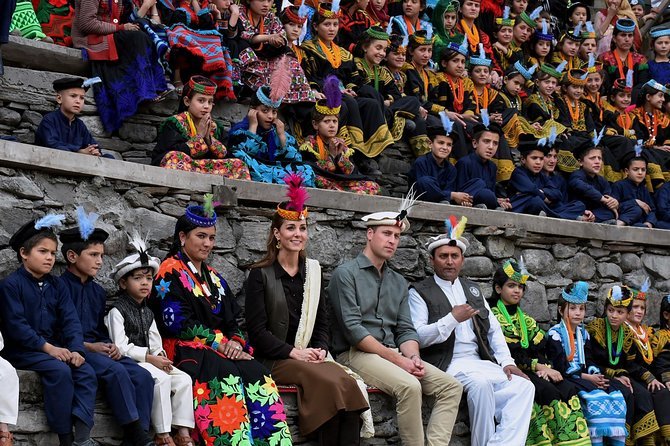
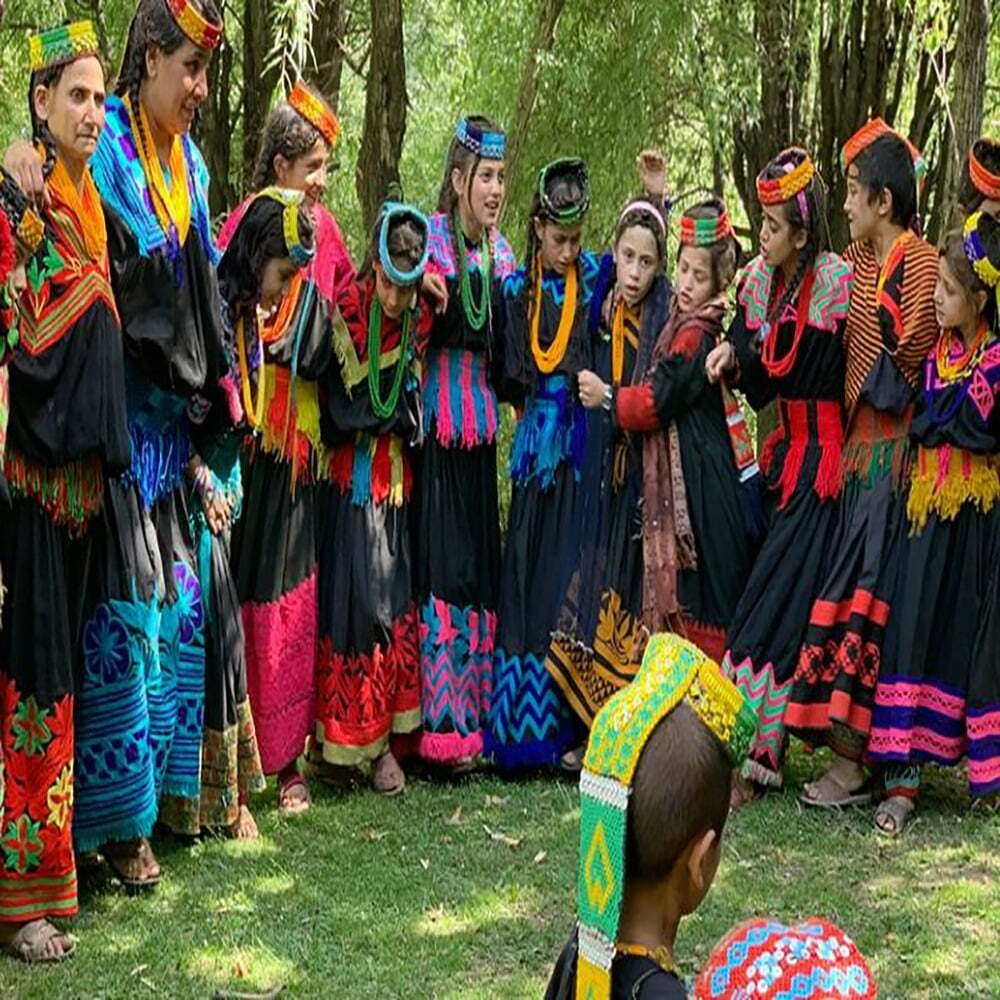
Visual distinctiveness: Kalash women wear black robes decorated with cowrie shells, unique headdresses called kupas, and bright necklaces. These outfits, along with the mountain scenery, music, and dance, create scenes of remarkable beauty not found elsewhere in South Asia.
Historical depth: Scholars believe these festivals keep ancient Indo-Iranian religious practices alive, offering a rare connection to human history. These are not reenactments, but living traditions with real roots in the past.
The complete festival experience: Kalash festivals bring together music, dance, food, rituals, and community gatherings. The excitement of seasonal celebrations makes these events lively and engaging for everyone.
Accessibility: The festivals happen at set times each season, making it easier to plan a visit. The Kalash valleys can be reached from Pakistan’s main tourist routes, though it takes some effort.
Kalash Festival Dates 2026
Understanding the Kalash festival dates enables proper trip planning. The Kalash celebrate three major annual festivals corresponding to seasonal transitions:
Chilam Joshi Festival 2026 (Spring Festival)
Dates: Approximately May 13-16, 2026
The Chilam Joshi festival celebrates spring’s arrival and the beginning of the pastoral season when flocks are sent to high mountain pastures. Exact dates shift slightly year to year based on traditional calendar calculations and observed seasonal conditions. Confirmed dates typically emerge 2-3 weeks before the festival.
Uchal Festival 2026 (Summer Harvest Festival)
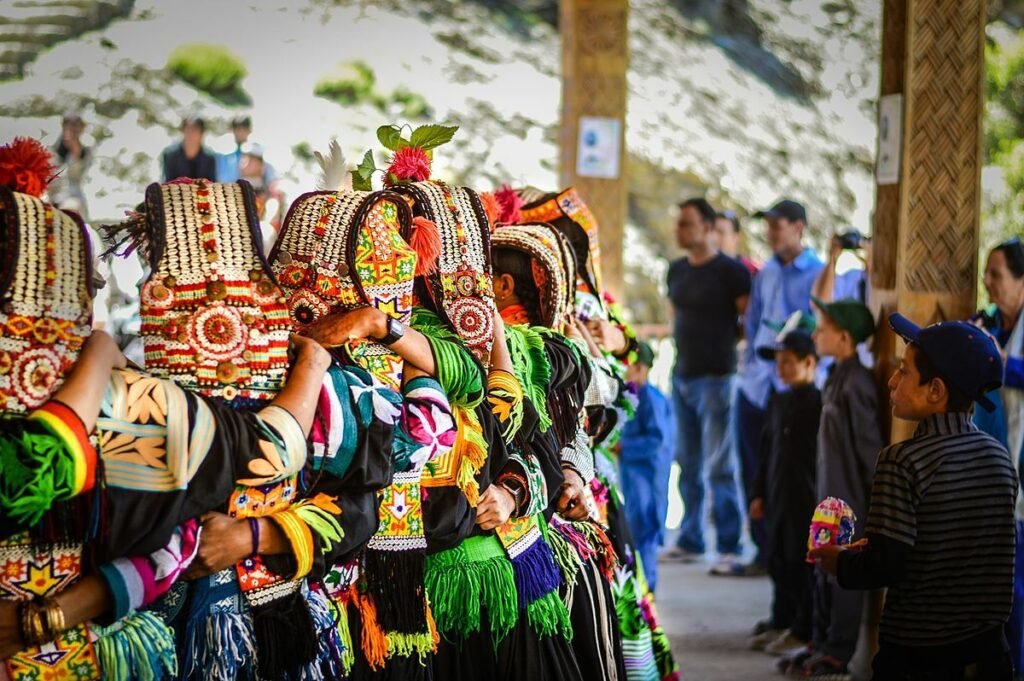
Dates: Approximately August 18-22, 2026
The Uchal festival celebrates the summer harvest and offers thanks for agricultural abundance. This festival is less internationally known than Chilam Joshi but deeply significant culturally and equally rich in celebration.
Choimus Festival 2026 (Winter Festival)
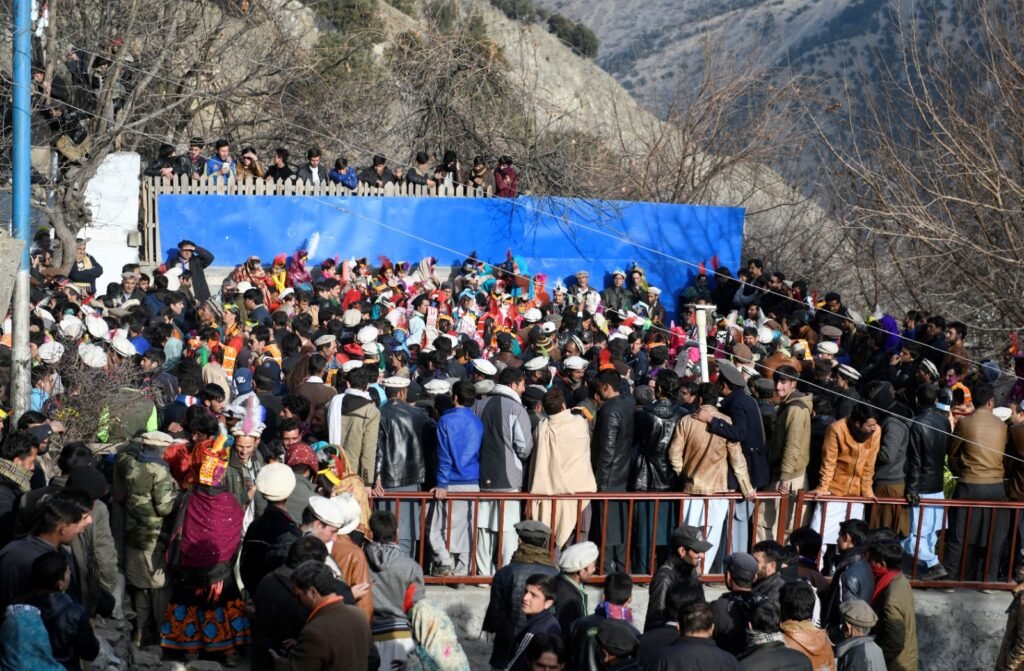
Dates: Approximately December 20-23, 2026
The Choimus festival marks the winter solstice and serves as the Kalash New Year, the most spiritually significant festival, involving purification ceremonies, honoring ancestors, and ritual practices that outsiders have historically had limited access to witnessing.
Overview of the Three Major Kalash Festivals
Significance of Chilam Joshi Festival
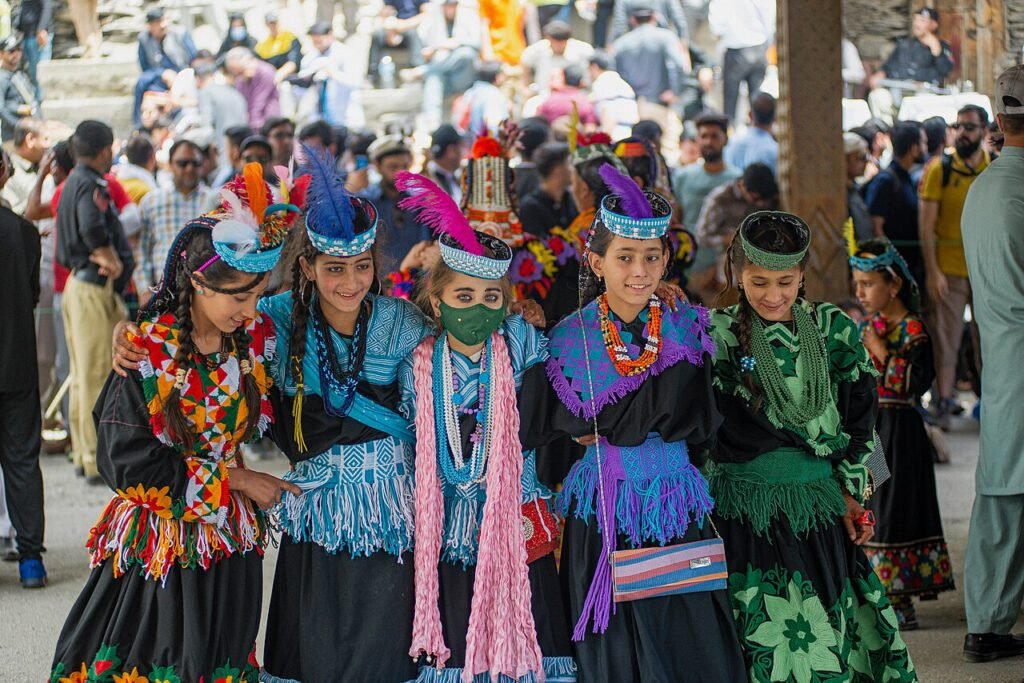
Chilam Joshi (literally “meeting in May”) celebrates the most joyful transition in the Kalash calendar, winter’s end and spring’s full arrival. For pastoral communities, this moment when flocks can return to mountain grazing grounds represents genuine relief and renewal after winter’s confinement.
The festival incorporates thanksgiving to the deity Sorizan for protecting flocks through winter, welcoming the returning spring through dance and music, communal feasting where special foods (particularly fresh milk products) are shared, and a social occasion with matchmaking significance, particularly important to unmarried young community members.
Importance of Uchal Festival
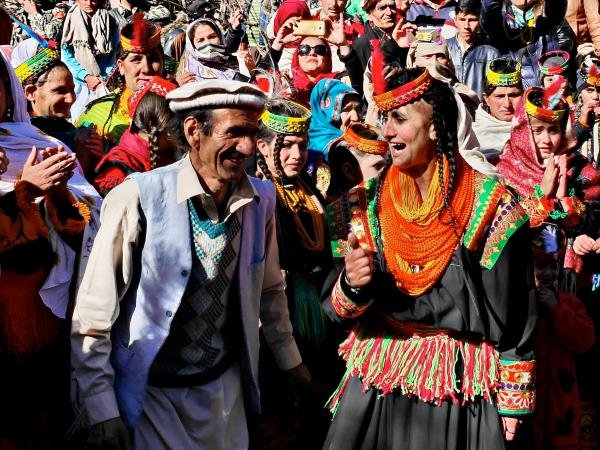
Uchal celebrates the first fruits of summer harvest, expressing gratitude for agricultural abundance. Rituals involving the first offerings of cheese, bread, and wine to deities precede the community celebration. The festival reinforces agricultural traditions and community bonds through shared celebration of labor’s rewards.
Cultural Meaning of Choimus Festival
Choimus (also called Chaumos) is the most spiritually complex Kalash festival, a multi-day event incorporating:
- Purification rituals make the community pure for the new year.
- Honoring Balomain (the mythological figure who carries messages between the living and dead)
- Fire ceremonies with deep symbolism
- Ancestral veneration practices
- Restrictions on outsider participation in the most sacred ceremonies
Choimus reflects the Kalash religious system’s complexity and depth most fully among the three festivals, being more explicitly religious and more restricted in terms of outsider access to certain ceremonies.
Kalash Chilam Joshi Festival 2026
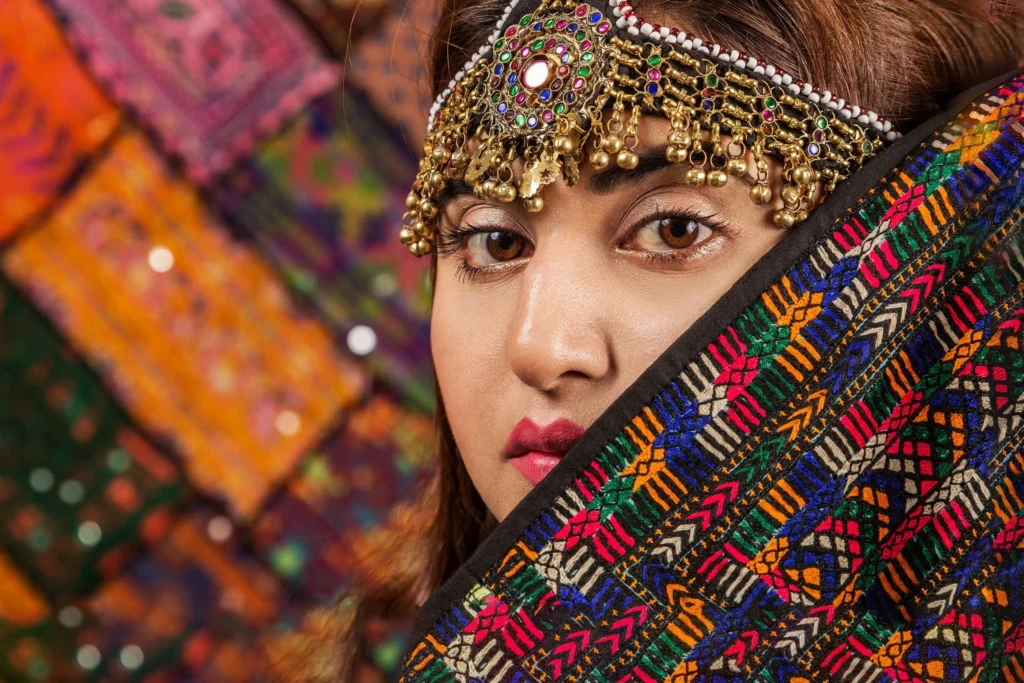
The Chilam Joshi 2026 experience represents what most international visitors come to witness: the spring festival that has become the Kalash’s most internationally recognized celebration.
Festival Dates and Schedule
Primary dates: May 13-16, 2026 (verify closer to date for exact schedule)
Festival progression:
Day 1 (May 13): Preparation and beginning ceremonies, flocks are purified, community gathers, and preliminary offerings made to deities
Day 2 (May 14): Main celebration day, the most intensive dancing, music, and communal feasting. This is the day visitors most want to attend as cultural expression reaches its fullest.
Day 3 (May 15): Continued celebration with additional musical performances and social gathering
Day 4 (May 16): Final ceremonies and conclusion of formal festival period
Traditional Celebrations
The Chilam Joshi celebrations incorporate several distinctive traditional elements:
Milk rituals: Fresh spring milk holds special significance, offerings are made, special foods are prepared, and the abundance of spring dairy products is celebrated explicitly.
Flower garlands: Spring wildflowers are gathered and woven into garlands that decorate homes, people, and ritual spaces. The flower element gives the festival visual beauty that photography captures beautifully.
Communal baking: Special breads and food preparations are made communally, with sharing across households reinforcing community bonds.
Ritual offerings: Priests (Dehar) perform ceremonial offerings to Sorizan and other deities at sacred spaces within the valleys.
Music, Dance, and Matchmaking Traditions
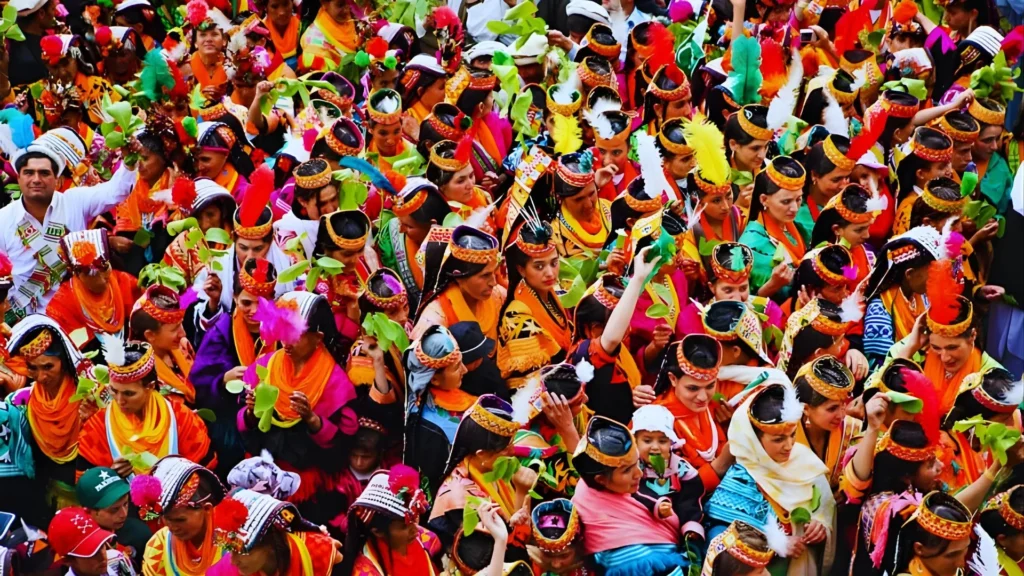
The Chilam Joshi music and dance are what most captivate outside visitors:
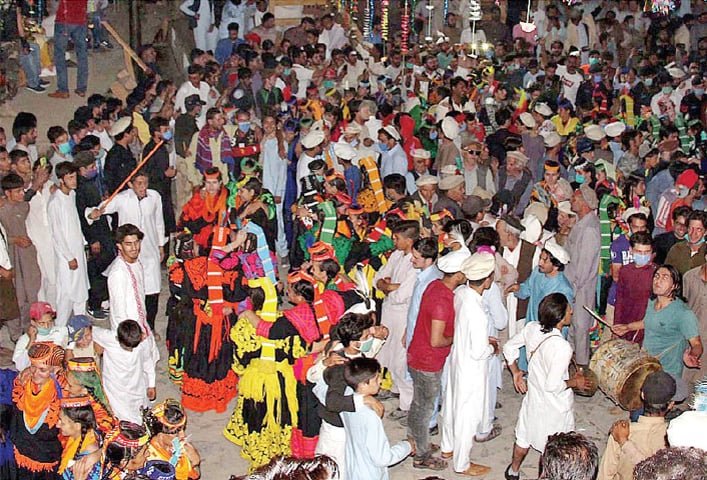
Drumming: Deep, rhythmic drumming using traditional dhol drums creates the festival’s sonic foundation. The drums are heard throughout the valleys, sometimes from multiple groups simultaneously, the sounds layering across the mountain terrain.
Singing: Polyphonic community singing in Kalasha-mun includes traditional songs specific to Chilam Joshi and songs about spring, returning flocks, and thankfulness that have been sung across many generations.
Women’s circle dances: Groups of women, often holding hands or arms on shoulders, perform circle dances that build in intensity and duration. These dances are simultaneously expressions of community celebration, physical joy, and spiritual practice.
Matchmaking significance: The Chilam Joshi has historically been a significant occasion for young community members to meet potential partners. The social gathering of geographically scattered community members, combined with the festival’s celebratory atmosphere, creates conditions traditionally favorable to courtship. This aspect shouldn’t be sensationalized by visitors, it’s a natural social function of community gatherings found in virtually every culture.
Best Places to Experience Chilam Joshi
Bumburet Valley provides the most accessible and largest Chilam Joshi celebrations. As the largest Kalash valley and home to the most concentrated population, Bumburet’s festival gatherings are the most impressive in scale.
Rumbur Valley offers a more intimate festival atmosphere with fewer visitors; the smaller community creates celebrations that feel more personal and less observed.
Birir Valley is the most traditional and least visited; celebrations here retain character most undiluted by tourism, though access requires more effort.
Kalash Uchal Festival 2026
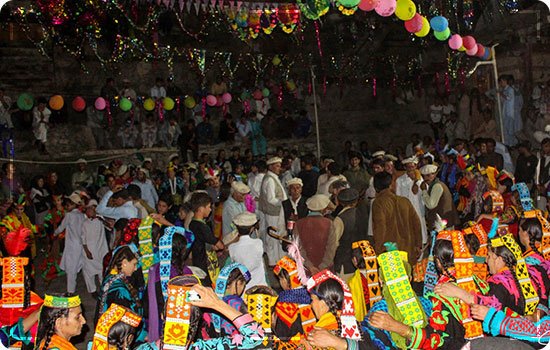
The Uchal festival (August 2026) offers a different but equally valuable window into Kalash culture, a harvest celebration that occurs when summer tourism has largely ended, meaning fewer visitors and a greater focus on the community.
Harvest Celebrations and Rituals
The first fruits of the summer harvest are formally offered to deities before they are consumed by the community. This agricultural ritual acknowledges the divine role in providing abundance and maintains the reciprocal relationship between the Kalash community and their pantheon. Traditional foods specific to the harvest season are prepared and shared communally.
Cultural Performances and Community Events
Music and dance occur during Uchal, with elements similar to Chilam Joshi, though the atmosphere differs; harvest gratitude rather than spring renewal creates a slightly different emotional character. Community gatherings reinforce harvest-season bonds, and traditional games and competitions take place.
Visitor Experience During Uchal Festival
Visitors attending Uchal experience a more intimate festival atmosphere than Chilam Joshi’s internationally attended spring celebration. You’re more likely to have genuine community interactions, find comfortable accommodation without advance planning challenges, and experience the festival as a genuine community event rather than a partly observed cultural performance.
Kalash Choimus Festival 2026
The Choimus festival (December 2026) is the most complex, spiritually significant, and restricted of the three major Kalash festivals.
Winter Celebrations and New Year Rituals
As the winter solstice festival, Choimus marks the turning point when darkness begins retreating, and the new annual cycle commences. The Kalash calendar’s new year, beginning at the winter solstice, places this festival in the most spiritually significant position, marking the end of the old cycle and the beginning of the new.
Purification Ceremonies
Purification is central to Choimus in ways that set it apart from the other festivals. The Kalash concept of “onjesta” (pure) and “pragata” (impure) governs daily life throughout the year, but Choimus brings community-wide purification that renews ritual cleanliness for the coming year.
These purification ceremonies involve prescribed bathing, specific food restrictions and permissions, and ritual behaviors that Kalash priests and community elders oversee according to traditional protocols.
Religious and Cultural Importance
The ancestral connection during Choimus is particularly significant; Balomain, the mythological figure who communicates between the living and the dead, is particularly honored during this festival. Fire ceremonies involving juniper wood and specific ritual objects connect living community members to ancestral traditions and the spiritual dimensions of Kalash cosmology.
Visitor note: Some Choimus ceremonies are restricted to community members. Respectful visitors should understand and accept these boundaries; they reflect genuine spiritual significance rather than arbitrary exclusion.
Where Are the Kalash Festivals Celebrated?
Bumburet Valley (Bamboret)
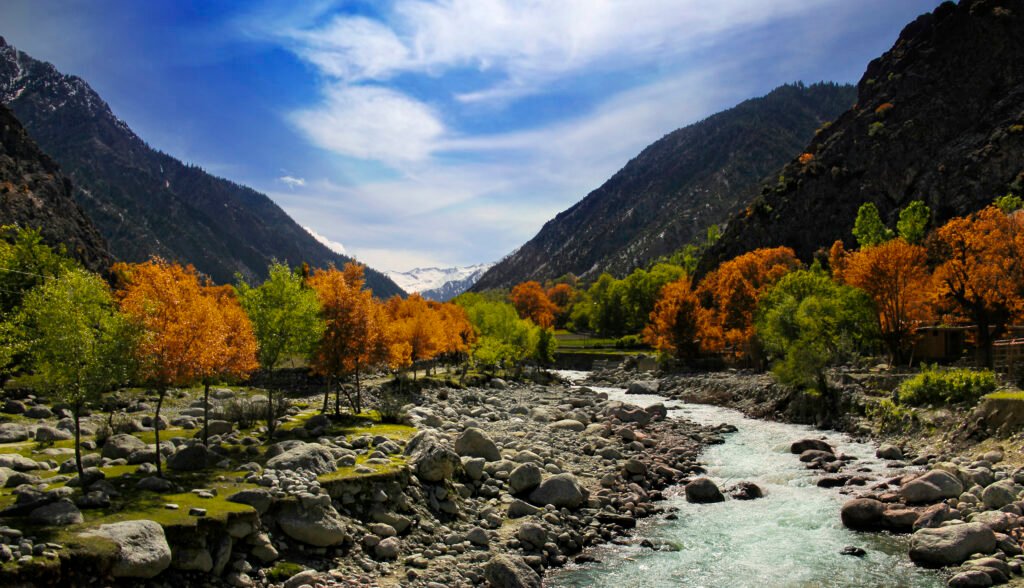
Bumburet is the largest and most accessible Kalash valley, running approximately 17 kilometers from its junction with the Kunar River toward the Afghan border. The valley contains the largest Kalash population and the most developed tourism infrastructure; guest houses, restaurants, and village accommodations have developed to serve growing visitor numbers.
Why choose Bumburet: maximum festival atmosphere, most extensive dancing and music, easiest access, best accommodation options, and largest community gatherings.
Considerations: Most visitors concentrate here, meaning a less intimate experience, and the genuine impact of tourism on community authenticity is most visible.
Rumbur Valley
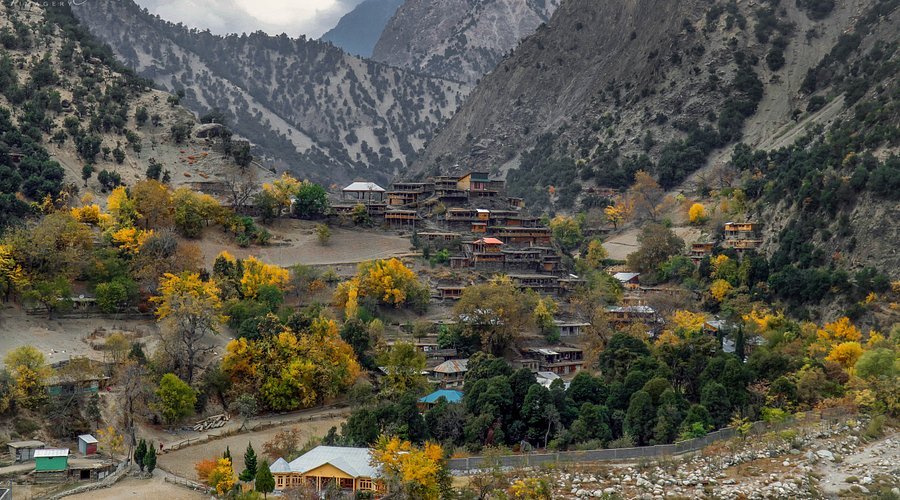
Rumbur branches northward from the Ayun Valley junction, running approximately 12 kilometers into the mountains. Smaller than Bumburet, Rumbur offers a more intimate festival experience with fewer visitors and a community that has maintained a somewhat more traditional character.
Why choose Rumbur: More intimate atmosphere, fewer tourists, opportunity for genuine community interaction, and slightly less commercialized.
Considerations: Fewer accommodation options, smaller-scale celebrations (though equally authentic).
Birir Valley
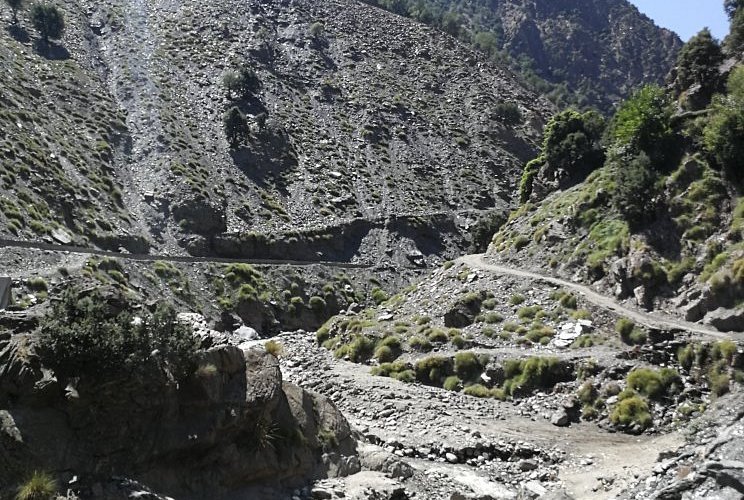
Birir is the southernmost and most isolated Kalash valley, separated from Bumburet and Rumbur by mountain ridges. The community here has had the least exposure to outside influence and maintains the most traditional cultural practices.
Why choose Birir: most traditional character, fewest outside visitors, strongest preservation of ancient practices, most authentic cultural encounter.
Considerations: Most difficult access, limited accommodation, and a smaller community mean smaller-scale celebrations.
Also Read: Top 10 Best Places to Visit in Hunza Valley
How to Reach Kalash Valley
Islamabad to Chitral Route
The journey from Islamabad to Chitral serves as the gateway to the Kalash valleys, with multiple options depending on budget, time availability, and preference:
By Air (Fastest):
- PIA operates flights between Islamabad and Chitral (approximately 1 hour)
- Subject to weather cancellations, mountain weather frequently grounds flights
- Book early: festival season sees high demand
- Cost: PKR 8,000-15,000 one way
By Road via Lowari Tunnel (Most Reliable):
- Distance: Approximately 400 kilometers
- Duration: 7-9 hours
- Route: Islamabad → Peshawar → Malakand → Dir → Lowari Tunnel → Chitral
- The Lowari Tunnel (8.5 km) has transformed Chitral’s accessibility, eliminating the previously seasonal Lowari Pass limitation.
- Road quality: Paved throughout with some mountain road characteristics
Recommended approach: Fly when available and budget allows; have road travel as backup. During festival season, book flights immediately when plans are confirmed.
Lahore to Chitral Route
Distance: Approximately 550 kilometers
Duration: 10-12 hours by road
Route: Lahore → Islamabad → continue as above
Flying from Lahore to Islamabad, then connecting to Chitral, is often faster and more comfortable than driving the entire route.
Accessing the Kalash Valleys
From Chitral city, the Kalash valleys require additional travel:
Bumburet: 36 kilometers from Chitral via Ayun Valley → jeep road
Rumbur: 40 kilometers from Chitral, branches from the Bumburet approach
Birir: 25 kilometers from Chitral, separate jeep road via Gahirat
Vehicle requirements: Regular cars can access valley entrances; to proceed into valleys, 4×4 jeeps are required due to river crossings and unpaved roads.
Transportation Options
Hire jeeps in Chitral: The most practical option is jeeps with experienced drivers who know the routes PKR 8, 000-15, 000 per day.
Tour operator vehicles: The best option for festival visitors, Eventica Travels provides reliable 4×4 transport with experienced drivers as part of its festival tour packages.
Shared jeeps: Public jeeps run between Chitral and valley entrances, sharing costs with other passengers, though schedules are unreliable during the festival season when demand peaks.
Best Time to Visit Kalash Valley
Spring Season Travel Guide
March-May brings the Kalash valleys’ most beautiful conditions: green meadows, flowing streams, blooming wildflowers, and comfortable temperatures (15-25°C). The Chilam Joshi festival in mid-May represents the season’s cultural peak. Spring travel combines ideal weather with the year’s most internationally celebrated festival.
Accommodation note: Book festival-period accommodation 6-8 weeks in advance; this is the highest-demand period, and quality properties fill up.
Summer Season Travel Guide
June-August offers warm temperatures (20-30°C), accessible mountain paths, and the Uchal festival in August. Summer visitors find the valleys lush and beautiful, though the July-August monsoon can affect some travel days. The summer festival experience is more intimate than spring’s internationally attended Chilam Joshi.
Winter Season Travel Guide
November-February brings cold conditions (0-10°C in valleys, colder at elevation), potential road difficulties before the Lowari Tunnel fully normalizes winter access, and the significant Choimus festival in December. Winter visitors experience the Kalash valleys at their most austere beauty, with snow on surrounding peaks, reduced visitor numbers, and the most spiritually significant festival of the year.
Kalash Festival Tour Packages 2026
Eventica Travels specializes in Kalash festival tours that combine cultural authenticity, comfortable logistics, and respectful engagement with one of Pakistan’s most extraordinary communities.
Package Highlights
Our Kalash Chilam Joshi festival packages are designed around a genuine cultural experience rather than surface-level tourism:
✅ Festival timing guaranteed: Tours scheduled to coincide with confirmed festival dates
✅ Community-respectful approach: Guides who understand and enforce appropriate cultural behavior
✅ All valley access: Experience multiple Kalash valleys for a comprehensive perspective
✅ Local guide inclusion: Kalash community members involved in tour guiding
✅ Small group maximum: 12 travelers ensuring intimate, low-impact visits
✅ Photography guidance: Expert advice on culturally appropriate photography
Services Included
All Eventica Travels Kalash festival packages include:
✅ Return transport from Islamabad or Lahore (air-conditioned vehicles)
✅ Chitral to Kalash Valley transfers in 4×4 jeeps
✅ Accommodation in Chitral and Kalash Valley
✅ All meals (Pakistani and local Chitrali cuisine)
✅ Professional English-speaking guide
✅ Local Kalash community guide in valleys
✅ All entry fees and permits
✅ Cultural briefing before festival visits
✅ 24/7 emergency support
Accommodation Details
In Chitral: Comfortable hotels with modern amenities (Mountain Inn, Chitral Inn, or similar properties offering quality accommodation with hot water and reliable electricity)
In the Kalash Valleys: Traditional guest houses operated by Kalash or local families are basic but clean, providing cultural immersion beyond what hotels offer. Facilities are simple (shared bathrooms are common), but the experience of staying within the valleys during festival season compensates fully for limited amenities.
Transportation and Jeep Services
Transport logistics represent one of the most challenging aspects of independent Kalash festival travel. Eventica Travels manages all transport:
- Comfortable coaches or private vehicles for Islamabad/Lahore-Chitral road journey
- Domestic flight coordination when opted
- Reliable 4×4 jeeps with experienced drivers for valley access
- Local transfers within Chitral city
- Flexible scheduling around festival timing
Professional Guide Services
Our guides aren’t generic tour leaders; they’re specialists in Kalash culture with deep knowledge of the community’s history, beliefs, and festival significance. This knowledge transforms festival observation from superficial viewing to genuine understanding.
Local Kalash community guides are incorporated whenever possible, ensuring community economic benefit and providing insider perspective that outside guides cannot offer.
Sample 4-Day Kalash Festival Itinerary
Day 1: Departure and Arrival in Chitral
Depart Islamabad 6:00 AM in a comfortable vehicle via the Lowari Tunnel route
10:00 AM: Breakfast stop in Dir
2:00-3:00 PM: Arrive Chitral city
3:00-5:00 PM: Check into hotel, freshen up
5:00-7:00 PM: Cultural briefing from expert guide covering Kalash history, cultural protocols, photography guidelines, and festival significance
7:00 PM: Dinner at Chitral restaurant, traditional Chitrali cuisine
Evening: Rest and preparation for the valley experience
Day 2: Chitral Sightseeing
8:00 AM: Breakfast
9:00-10:30 AM: Chitral Fort and Museum, understanding the broader Chitral region’s history and its relationship with Kalash communities
11:00 AM-1:00 PM: Shahi Mosque visit and Chitral bazaar exploration, local crafts, traditional items, and photography
1:00-2:00 PM: Lunch
2:30-5:00 PM: Chitral Gol National Park entrance area and Ayun Valley, beautiful scenery introducing the mountain landscape surrounding Kalash valleys
5:00-6:00 PM: Return to Chitral
6:00-7:00 PM: Festival preparation discussion, what to expect tomorrow, and final cultural guidance
7:00 PM: Dinner and early rest (tomorrow begins early)
Day 3: Festival Experience in Kalash Valley
6:30 AM: Early departure from Chitral in jeeps
7:30 AM: Arrive Bumburet Valley, morning atmosphere before crowds
8:00-11:00 AM: Morning festival ceremonies and early Chilam Joshi celebrations are often the most authentic as community members participate without crowd pressure
11:00 AM-12:00 PM: Walk through valley villages with a local guide, visiting traditional homes (with permission), understanding daily life context
12:00-1:00 PM: Lunch in the valley (packed from Chitral or local guest house)
1:00-4:00 PM: Main afternoon festival celebration, peak dancing, music, and community gathering
4:00-5:00 PM: Brief visit to the Rumbur Valley entrance for a different perspective
5:30-6:30 PM: Return journey to Chitral
7:00 PM: Debrief dinner, sharing experiences, discussing what was witnessed, questions answered
Day 4: Return Journey
8:00 AM: Breakfast
9:00 AM-1:00 PM: Optional morning activities, Kalash Crafts Center shopping, additional Chitral exploration, or relaxed photography time
1:00 PM: Departure from Chitral toward Islamabad
8:00-9:00 PM: Arrive Islamabad
Cost of Visiting Kalash Festivals
Budget Travel Costs
Independent budget travelers can visit Kalash festivals, managing costs carefully:
| Expense | Cost (PKR) |
| Bus Islamabad-Chitral (one way) | 1, 200-1, 800 |
| Jeep Chitral-Bumburet (one way) | 800-1, 200 |
| Guest house in Kalash Valley (per night) | 1, 500-3, 000 |
| Meals (per day) | 1, 000-2, 000 |
| Local guide (per day) | 1, 000-2, 000 |
| Miscellaneous | 1, 000-2, 000 |
| Total 4-day budget trip per person | 18, 000-28, 000 |
Group Tour Packages
Organized group tours through reputable operators provide better value when considering included services:
Standard group festival tour (4-5 days): PKR 35,000-55,000 per person
Includes: transport, accommodation, meals, guides, and all entries
Premium group tour: PKR 55,000-75,000 per person
Includes: All above plus better accommodation, a domestic flight option, and a more comprehensive itinerary
Private Customized Tours
Private Kalash festival tours allow complete customization of departure dates, duration, accommodation standards, pace, and additional destinations:
Private 4-day tour: PKR 80, 000-150, 000 per couple (depending on options)
Private 7-day combined tour (Chitral + Kalash + Kumrat): PKR 150, 000-250, 000 per couple
Also Read: Best Time to Visit Naran Kaghan & Shogran
Top Attractions Near Kalash Valley
Chitral Museum
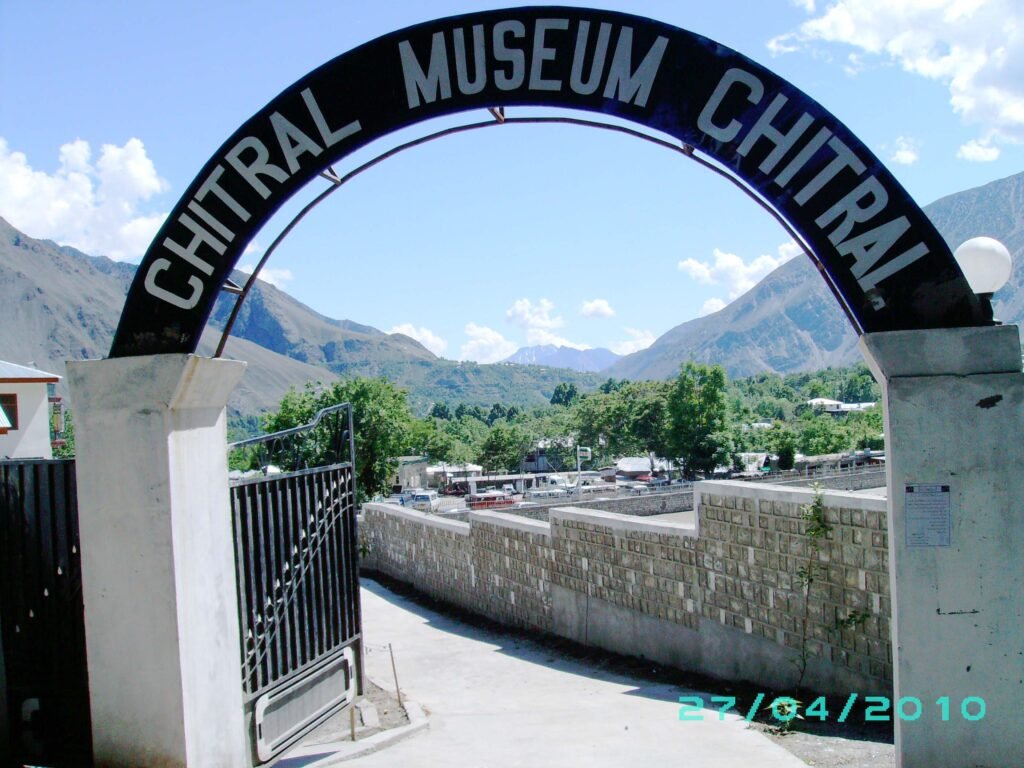
The Chitral Museum provides essential context before visiting the Kalash valleys, historical artifacts, cultural exhibits, and photographs documenting the region’s rich heritage. Understanding Chitral’s broader history makes the Kalash cultural experience more meaningful.
Chitral Gol National Park
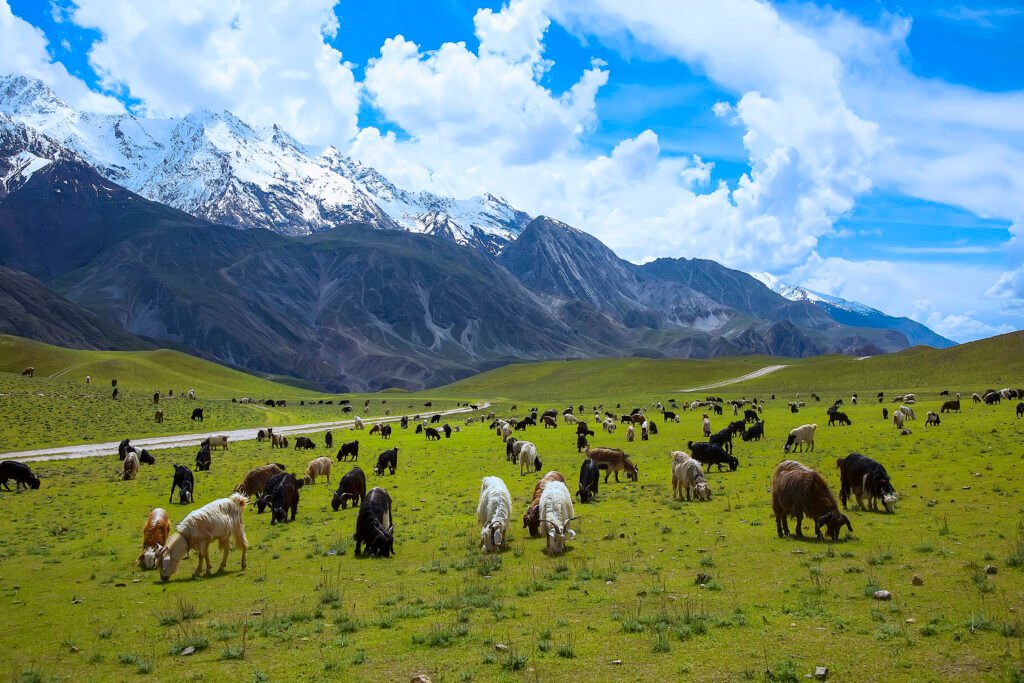
This protected area surrounding Chitral City hosts the endangered Markhor (Pakistan’s national animal) and diverse mountain wildlife. A morning visit combines conservation education with opportunities for wildlife photography.
Shahi Mosque Chitral
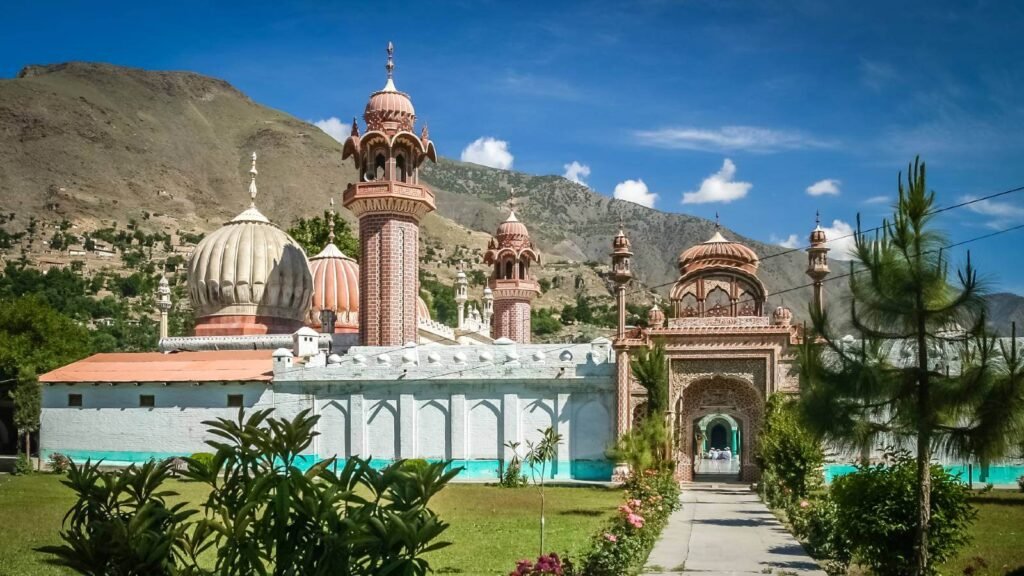
The historic Shahi Mosque represents Islamic architectural heritage that coexists alongside Kalash culture in the Chitral district, serving as an architectural reminder of the region’s religious diversity.
Lowari Tunnel
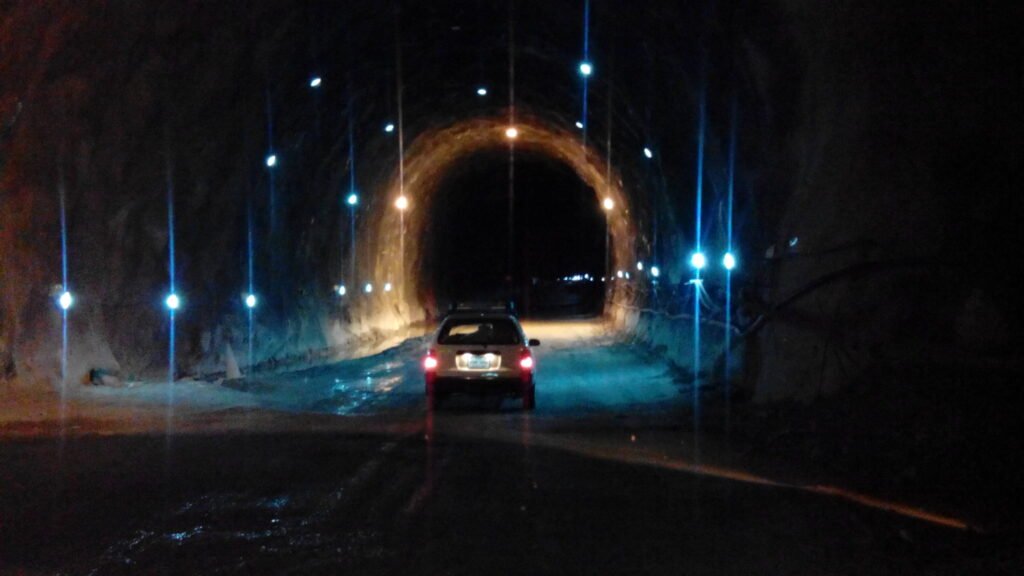
The 8.5-kilometer Lowari Tunnel, which transformed Chitral’s accessibility, is itself a significant infrastructure achievement. The tunnel’s entrance and surrounding landscape are photographically interesting.
Ayun Valley
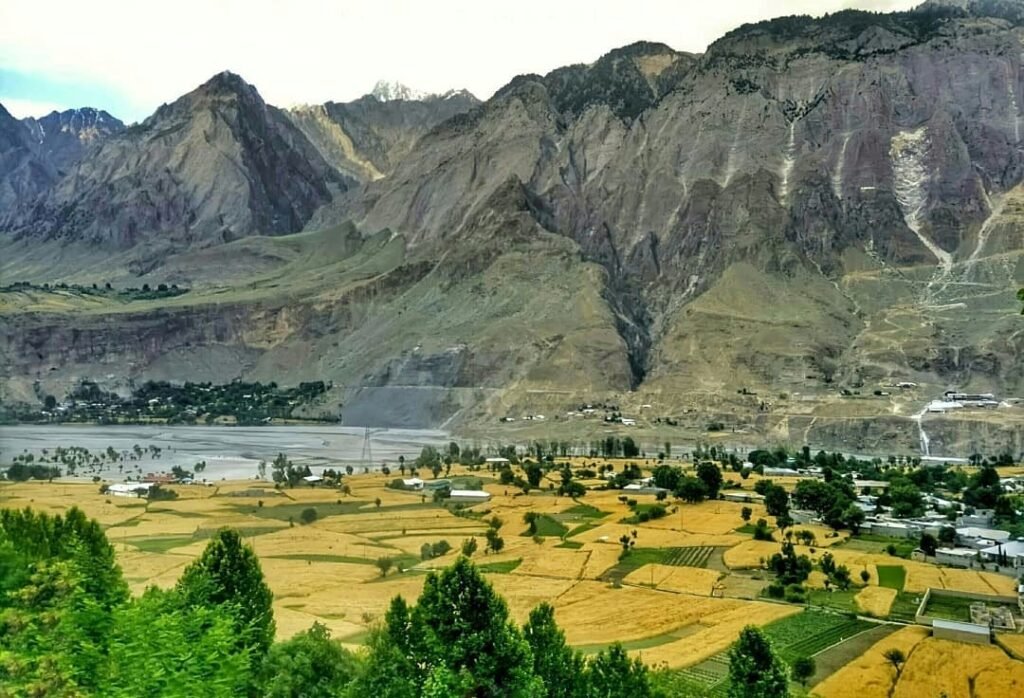
The Ayun Valley, through which travelers approach the Kalash valleys, is beautiful in its own right, with terraced fields, traditional architecture, and the beginning of the mountain landscape that defines the Kalash homeland.
Also Read: Best Time to Visit Chitral Valley
Accommodation Options
Hotels in Chitral
Mountain Inn: Most popular with international travelers, reliable hot water and electricity, good restaurant (PKR 3,000-5,000 per night)
Chitral Inn: Well-located, comfortable rooms, good base for valley excursions (PKR 4,000-8,000 per night)
Government Rest House: Advance booking through district administration required; basic but comfortable (PKR 3, 000-5, 000)
Guest Houses in Kalash Valley
Multiple family-operated guest houses function within the Bumburet and Rumbur valleys during the festival season. These provide basic but culturally immersive accommodation, shared bathrooms, and common areas; hot water may be limited, and electricity is unreliable.
Recommended approach: Use Chitral hotels as a base, making day visits to valleys during the festival (easier logistics) rather than staying in valley guest houses unless specifically wanting that experience.
Camping Opportunities
Camping within the Kalash valleys during festival periods is possible in designated areas, a beautiful experience of sleeping within the festival atmosphere, though coordinating space during peak attendance requires advance planning through tour operators.
Travel Tips for Festival Visitors
What to Pack
Clothing: ✅ Modest, conservative clothing (shalwar kameez or equivalent)
✅ Warm layers (nights in valleys are cool even in May)
✅ Comfortable walking shoes (uneven valley terrain)
✅ Rain jacket (mountain weather unpredictable)
✅ Sun protection (hat, sunscreen, sunglasses)
Practical items: ✅ Cash (no ATMs in Kalash valleys; limited in Chitral)
✅ Downloaded offline maps
✅ Power bank (electricity unreliable in valleys)
✅ Prescription medications
✅ First-aid basics
Cultural Etiquette
The Kalash community’s hospitality toward visitors is remarkable given the cultural pressures they face. Honoring that hospitality through respectful behavior is both ethically necessary and practically important; disrespectful visitors damage the community’s willingness to allow future tourism.
Essential guidelines:
Dress modestly: Regardless of your own cultural background, dressing conservatively shows respect. Women should cover their arms and legs; men should avoid shorts.
Ask before photographing individuals: This is non-negotiable. Some community members actively welcome photography; others find it invasive. Always ask, accept refusal graciously, and don’t photograph sacred ceremonies or spaces without explicit permission.
Don’t enter sacred spaces uninvited: Certain areas, particularly the bashali (women’s house during certain periods), are restricted. Respect these boundaries unconditionally.
Purchase local products: Kalash women create extraordinary embroidered items and crafts. Buying directly from producers provides economic benefits and acknowledges the community’s skill.
Don’t offer money for photographs: This transaction reduces community members to performers rather than people, and creates dynamics that damage dignity and authenticity.
Don’t convert or discuss religion: The Kalash community faces real pressure from conversion activities. Visitors should never discuss religion with community members in ways that might be perceived as evangelical.
Photography Guidelines
Festival photography requires a thoughtful approach:
- Ask permission before photographing individuals, always.
- Accept that some ceremonies are off-limits for outside photography.
- Move back from dancing groups rather than pushing forward.
- Don’t use flash photography indoors or in ceremonial spaces.
- Consider the experience before the photograph; some moments are better lived than captured.
- Share photographs ethically; avoid content that misrepresents or sensationalizes the community.
Safety and Health Tips
Altitude: Chitral sits at approximately 1, 500 meters; the Kalash valleys are somewhat higher. Mild acclimatization may be needed for some visitors.
Water: Drink only bottled or properly filtered water. Valley water sources, while appearing clean, may carry parasites.
Food: Valley guest house food is generally safe; exercise standard caution with food prepared outside established establishments.
Medical: Chitral has basic medical facilities; serious medical situations require evacuation to Peshawar. Travel insurance, including medical evacuation, is important for international visitors.
Road safety: Mountain roads between Chitral and Kalash valleys have challenging sections. Experienced local drivers make this safer than self-driving.
Why You Should Visit the Kalash Festivals
There are cultural experiences, and then there’s witnessing something that connects you directly to humanity’s ancient past. The Kalash festivals belong to the second category.
When you stand in Bumburet Valley watching Kalash women dance, embroidered robes swirling, cowrie shells catching light, voices rising in songs unchanged for centuries, you experience something that photographs can hint at but presence fully reveals. The festivals are alive in a way that recreations and museum exhibits cannot capture; these are real people celebrating in ways that have meaning for them in a place that has been theirs for thousands of years.
The ethical responsibility this opportunity creates is real. Visitors to Kalash festivals benefit from extraordinary cultural privilege. The appropriate response is respectful engagement, economic support for local businesses and guides, and advocacy for the community’s right to exist on their own terms.
Beyond ethics, the practical experience is simply extraordinary. Pakistan’s cultural tourism offerings are extensive and underappreciated globally. The Kalash festivals represent Pakistani cultural tourism at its absolute finest, experiences that place Pakistani heritage in genuinely global significance alongside better-known festival destinations.
07 Days & 06 Nights Private Tour to Chitral & Kumrat
Eventica Travels offers the ultimate northern Pakistan cultural and adventure combination, a comprehensive private tour covering Chitral’s Kalash festivals alongside the extraordinary Kumrat Valley wilderness, creating a journey that encompasses both Pakistan’s most distinctive living culture and its most pristine mountain wilderness.
Tour Highlights
🎭 Kalash Festival Experience: Full Chilam Joshi festival attendance in Bumburet and Rumbur valleys
🏔️ Kumrat Valley: Pakistan’s emerald wilderness valley with forests, rivers, and alpine meadows
🏛️ Chitral Heritage: Fort, museum, national park, and cultural immersion
📸 Photography Paradise: Extraordinary diverse photography subjects across 7 days
🌿 Cultural Depth: Expert guides in both Kalash culture and Kumrat wilderness
🍽️ Authentic Cuisine: Chitrali and Kohistan traditional foods throughout
Day-by-Day Overview
Day 1: Islamabad → Chitral (via Lowari Tunnel), hotel check-in, cultural briefing
Day 2: Chitral sightseeing, Fort, Museum, Chitral Gol, Shahi Mosque
Day 3: Bumburet Valley, Chilam Joshi Festival main celebration
Day 4: Rumbur and Birir Valley exploration, more festival experience
Day 5: Chitral → Kumrat Valley via Dir (approximately 5-6 hours)
Day 6: Full day Kumrat, forest trails, Jahaz Banda meadows, and Panjkora River
Day 7: Return journey to Islamabad
Package Inclusions
✅ Private transport throughout in comfortable 4×4 vehicles
✅ 6 nights accommodation (3 Chitral, 1 Kalash Valley, 2 Kumrat/Dir)
✅ All meals included (18 meals across 7 days)
✅ Kalash cultural expert guide
✅ Kumrat Valley trekking guide
✅ All entry fees and permits
✅ Photography guidance at optimal locations
✅ 24/7 emergency support
✅ Flexible scheduling around festival dates
Pricing
Private tour for 2 people: PKR 180, 000-220, 000 (per couple)
Private tour for 4 people: PKR 120, 000-150, 000 (per person)
Small group (6-8 people): PKR 85,000-110,000 (per person)
Prices vary based on the accommodation standard chosen and the exact departure dates.
📞 Book Your Kalash Festival Tour Today
Don’t miss Kalash Festival 2026, one of Pakistan’s most extraordinary cultural experiences. Festival tours fill completely 6-8 weeks before the festival. Secure your place now.
Frequently Asked Questions
What are the Kalash festival dates for 2026?
The three major Kalash festival dates for 2026 are:
- Chilam Joshi (Spring): Approximately May 13-16, 2026
- Uchal (Summer): Approximately August 18-22, 2026
- Choimus (Winter): Approximately December 20-23, 2026
Exact dates are confirmed by the Kalash community’s traditional calendar approximately 2-3 weeks before each festival. Eventica Travels provides confirmed dates to booked clients as soon as they’re announced.
Which Kalash Festival Is Best for Tourists?
Chilam Joshi (May) is generally considered the best festival for first-time visitors: it’s the largest in scale, most internationally attended, most visually dramatic with its spring setting, and occurs during optimal travel weather.
Uchal is excellent for those wanting a more intimate experience with fewer tourists.
Choimus is most culturally significant but most restricted in terms of outsider access to certain ceremonies.
Can Foreign Tourists Attend Kalash Festivals?
Yes, foreign tourists are generally welcome at Kalash festivals. Pakistan requires visitors to register with local authorities, and tour operators handle these formalities. Some specific ceremonial spaces and rituals are restricted regardless of nationality; these restrictions should be respected unconditionally.
Foreign visitors should be aware that entrance fees may apply (supporting local community funds) and that certain valley areas near the Afghan border may require additional permits; your tour operator manages these requirements.
How Many Days Are Required for a Kalash Festival Trip?
Minimum: 4 days (barely sufficient; Islamabad-Chitral travel alone takes one full day each way)
Recommended: 6-7 days, allowing meaningful festival experience, valley exploration, Chitral sightseeing, and travel without constant rushing
Ideal: 7-10 days, adding Kumrat Valley, Ayun Valley, or other regional attractions to create a comprehensive northern Khyber Pakhtunkhwa experience
Final Thoughts
The Chilam Joshi festival and the broader calendar of Kalash festivals represent something increasingly rare in global tourism: living cultural traditions that haven’t been created for visitors but are instead shared with them. The distinction matters enormously both ethically and experientially.
The Kalash people’s continued existence as a distinct cultural community represents a form of human diversity that enriches everyone who encounters it, even those who never travel to Chitral. That existence faces real pressures, and tourism, when conducted with genuine respect and meaningful economic benefit flowing to the community, can be one tool supporting cultural sustainability.
The Kalash in the Chitral valleys will celebrate spring, harvest, and the winter solstice in 2026, as they have for countless generations. The question is whether you’ll be there to witness it, not as a passive observer extracting photographic content, but as a respectful visitor genuinely engaging with one of humanity’s most extraordinary surviving ancient cultures.
The answer, if it’s yes, begins with booking early, planning carefully, approaching with humility, and letting the experience unfold on the community’s terms rather than your own expectations.
The drums are already waiting for May. Will you be there to hear them?
Eventica Travels – Connecting Travelers to Pakistan’s Most Extraordinary Cultural Experiences
“Travel that honors the communities it visits is the only travel worth doing.”