
Most people visiting the Potohar Plateau region know about Kallar Kahar Lake, the famous scenic lake along the motorway. Far fewer know that just a short distance away, a secret lake awaits that requires actual effort to reach, rewards that effort handsomely, and hasn’t yet been overwhelmed by the commercialization that affects more famous destinations. That hidden gem is Swaik Lake, and this comprehensive guide tells you everything you need to know about experiencing it properly.
Where is Swaik Lake located?
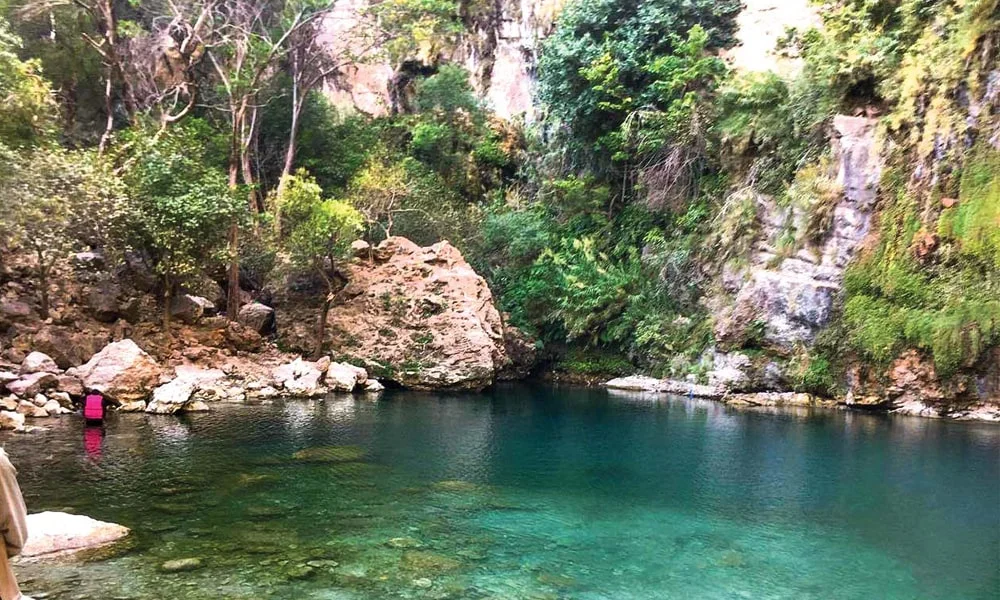
Swaik Lake sits in the Salt Range Mountains of Chakwal District, Punjab Province, approximately 10 kilometers from Kallar Kahar. The lake occupies a natural basin formed by the Salt Range’s unique geology, limestone formations, ancient rock layers, and the kind of dramatic terrain that makes geologists genuinely excited.
Kallar Kahar location places it along the M-2 Motorway between Islamabad and Lahore, making it one of Punjab’s most accessible Salt Range destinations. Swaik Lake sits slightly off this main corridor, requiring a short detour that most travelers never make, which explains why it remains beautifully uncrowded.
Geographic context: The Salt Range region of Punjab contains several remarkable water features, including Khandowa Lake and the Kallar Kahar lakes complex. Swaik Lake is part of this broader system of natural water bodies that make this region surprisingly lush compared to the surrounding semi-arid landscape.
From Major Cities:
- Islamabad: Approximately ~135–150 kilometers (2-2.5 hours)
- Lahore: Approximately ~230–235 kilometers (2.5-3 hours)
- Rawalpindi: Approximately ~120–135 kilometers (estimate) (2 hours)
- Chakwal City: Approximately 30 kilometers (45 minutes)
How to Reach Swaik Lake
Reaching Swaik Lake requires some navigation awareness — large signboards are scarce, and GPS loses confidence well before you reach the water. But that’s part of what makes arriving feel like genuine discovery.
Primary Route from Islamabad:
- Take M-2 Motorway toward Lahore
- Exit at Kallar Kahar interchange
- Drive through Kallar Kahar town
- Follow local roads toward Dhok Pathan area
- Ask locals for “Swaik Lake” or follow any recent trail markers
- Park at the road head and begin hiking trail (see trail guide below)
From Lahore:
- Take M-2 Motorway toward Islamabad
- Exit at Kallar Kahar interchange
- Follow directions as above
Vehicle Requirements: Regular cars can reach the parking area without difficulty. The road from Kallar Kahar town is paved for most of the journey, though the final kilometer or two involves unpaved surface manageable by standard vehicles in dry conditions. After rain, a higher-clearance vehicle is advisable.
Public Transport:
- Buses and coaches run regularly from Islamabad and Lahore to Kallar Kahar (PKR 300-600 one way)
- From Kallar Kahar town, hire a local rickshaw or taxi to the trail head (PKR 200-400)
- Return transport should be arranged in advance as finding transport at the trail head can be challenging
Pro Tip: Download offline maps before departure. Signal quality near the lake is unreliable, and having cached maps prevents navigational frustration.
Swaik Lake Hiking Trail Guide
Here’s the honest truth about reaching Swaik Lake, you’re going to hike. And that hike is part of what makes arriving at the lake feel special. You earn this view, and it shows.
The trail covers approximately 3-4 kilometers from the parking area to the lake, involving:
Terrain breakdown:
- First kilometer: Relatively flat, compacted earth path through scrub vegetation
- Second kilometer: Gradual uphill through rocky terrain requiring attention to footing
- Third kilometer: Steeper ascent with some scrambling over limestone rocks
- Final section: Descent to lake level through increasingly lush vegetation
Duration: Allow 1-1.5 hours for ascent, slightly less for descent. Fit hikers with previous trail experience might complete it faster; families with young children should allow more time.
Difficulty Level: Moderate. Not technically demanding, but requires reasonable fitness and appropriate footwear. Sandals are genuinely inadequate, you’ll regret them. Proper hiking shoes make the difference between an enjoyable hike and an uncomfortable struggle.
Trail Markers: Currently limited formal marking exists. The trail is generally well-worn and visible, but having someone familiar with the route (or joining a guided group) is recommended for first-time visitors.
Want expert guidance on the Swaik Lake trail? Eventica Travels offers guided day trips from Islamabad and Lahore with experienced guides who know every turn of the trail, optimal timing for different sections, and how to make the hike enjoyable for different fitness levels. Contact us to arrange your guided Swaik Lake experience!
The Stunning Waterfall of Swaik Lake
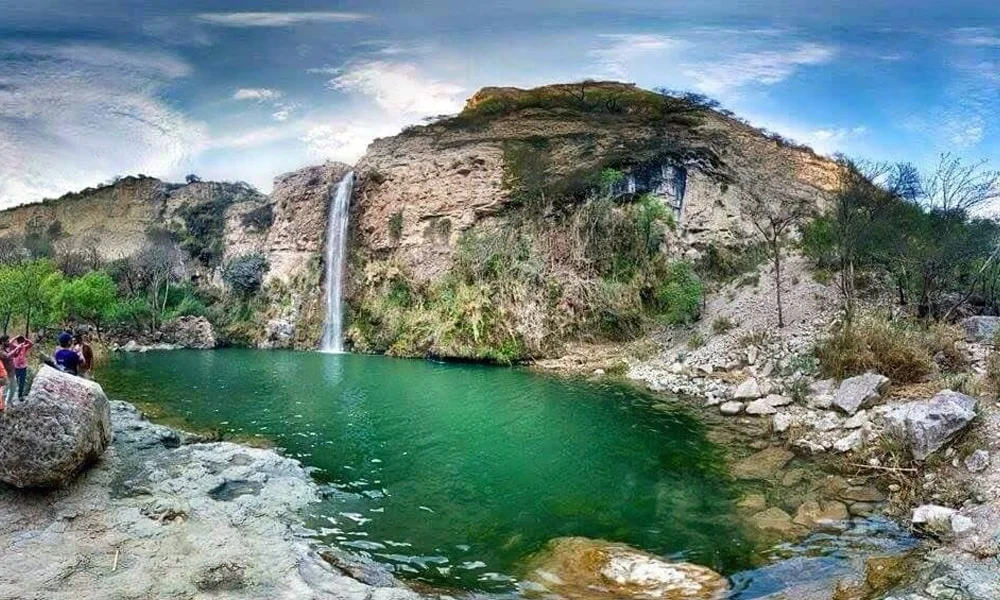
One of Swaik Lake’s most dramatic features, and one that most travel content underplays, is the seasonal waterfall that cascades into the lake from the surrounding cliff faces during and after monsoon season. Visiting at the right time means witnessing this waterfall at full power, transforming an already beautiful location into something genuinely spectacular.
The waterfall typically peaks during July through September when monsoon rains flood the Salt Range, channeling water through limestone formations before releasing it dramatically into the lake. The falling water creates mist that supports lush vegetation on surrounding rocks, ferns, mosses, and wildflowers that thrive in the constant moisture.
Even outside peak waterfall season, evidence of water flow remains, green-stained rock faces, eroded channels, and the characteristic vegetation patterns created by consistent moisture. Photographers visiting in October or November still find compositional elements that suggest the waterfall even when flow has diminished.
Photography of the waterfall: The best position varies by season and water volume. During peak flow, shooting from the lake’s edge captures both the waterfall and its reflection. During lower flow, moving closer to the cliff face captures detail in the falling water and surrounding rock formations.
Swimming at Swaik Lake
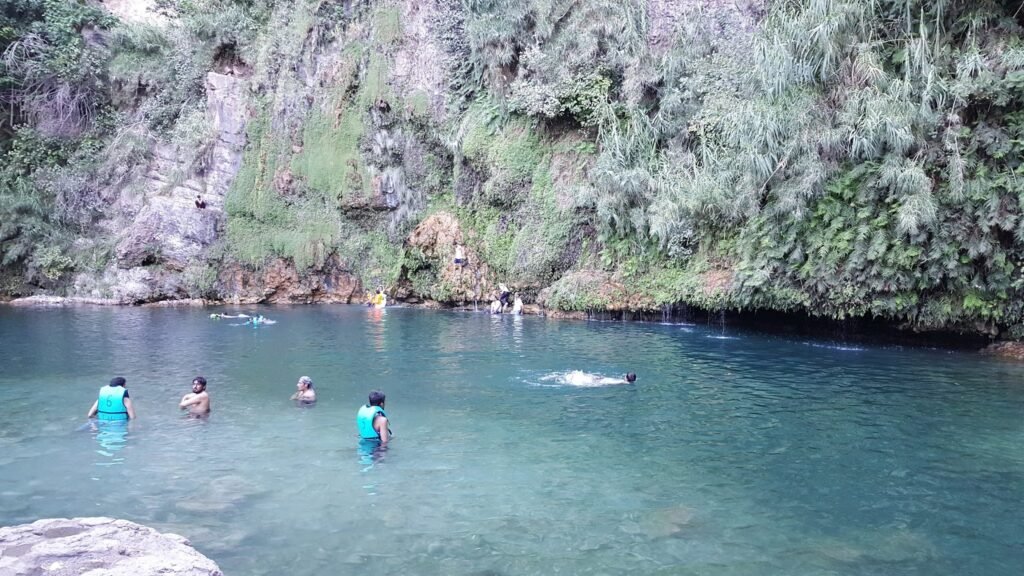
The lake’s clear, cool water inevitably invites swimming, and yes, it’s as refreshing as it looks after a sweaty hike through the Salt Range. The water temperature stays relatively cool year-round due to the lake’s shaded position and depth, ranging from approximately 15-20°C depending on season.
Swimming conditions: The lake’s natural basin creates relatively calm water with no significant currents, making it safer for swimming than open water environments. The bottom is visible in shallower areas near the edges, though the center reaches considerable depth.
Practical swimming advice:
- Bring appropriate swimwear and a towel
- Water shoes protect feet from rocky lake bottom
- Never swim alone, particularly in deeper central sections
- Children should be supervised constantly and restricted to shallower edges
- Water temperatures feel cold initially but become comfortable after adjustment
Water quality: Generally clean due to the lake’s remote location and limited visitor numbers. However, as tourism increases, water quality may be affected. Don’t drink lake water without treatment.
Cliff Diving Experience
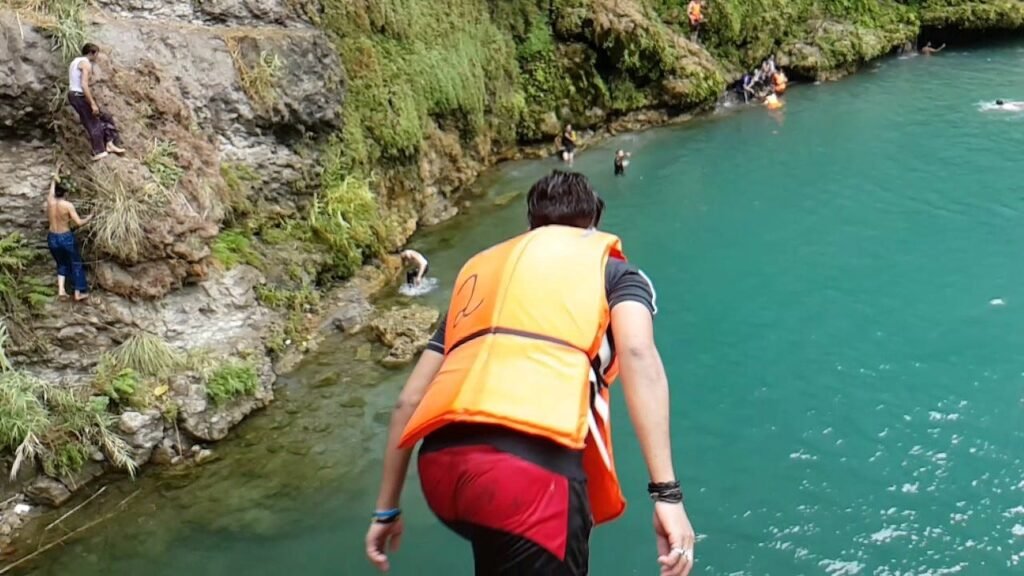
Cliff diving at Swaik Lake has become something of a rite of passage for adventure-seeking young visitors. The limestone cliffs surrounding portions of the lake create natural diving platforms at various heights, attracting those who want to combine swimming with genuine adrenaline.
Reality check on cliff diving: This is not an officially supervised activity. No professional staff assess safety, no minimum water depth verification exists, and no rescue services are present. People have dived from these cliffs and had excellent experiences, and people have injured themselves.
If you choose to cliff dive:
- Only dive from spots where others have dived repeatedly and confirmed water depth
- Test water depth thoroughly before diving
- Never dive alone
- Start from lower heights and assess conditions before attempting higher points
- Don’t dive after dark or when water visibility is poor
This activity carries real risks and isn’t recommended for inexperienced swimmers or those unfamiliar with cliff diving. A bruised ego from not diving is considerably better than a head injury from diving badly.
Best Time to Visit Swaik Lake
The best time to visit Swaik Lake depends on what experience you’re seeking, each season offers something genuinely different.
Spring (March-May) – Overall Best Window
Spring transforms the Salt Range from brown to green almost overnight. After winter rains, vegetation explodes, wildflowers bloom along the hiking trail, and the lake fills from winter rainfall, sitting at its highest level of the year.
Temperatures are perfect, warm enough (20-30°C) for comfortable hiking and swimming without the brutal heat of summer. Crowds are minimal compared to later months. The light quality for photography is excellent. If you’re choosing a single season for Swaik Lake, spring is genuinely the answer for most visitors.
Monsoon (July-September) – For Waterfall Seekers
Those who want to see the waterfall at full power need to visit during monsoon season. The downside: hiking trails become muddy and slippery, requiring extra caution. Flash flooding is a real risk in the Salt Range during this period, never attempt the hike when heavy rain is falling or predicted.
The lake is full, the waterfall is dramatic, the surrounding vegetation is at its absolute greenest, and the mist from falling water creates atmospheric photography conditions. It’s the most beautiful version of Swaik Lake but also the most demanding to experience safely.
Autumn (October-November) – Peaceful and Pleasant
By October, monsoon rains have stopped, the landscape is still green from summer moisture, and temperatures have dropped to comfortable levels (15-25°C). Autumn offers the most peaceful Swaik Lake experience, fewer visitors, stable weather, comfortable hiking temperatures, and clear visibility.
The waterfall has diminished but hasn’t necessarily stopped completely. Swimming remains possible for cold-tolerant visitors. Photography is excellent with the particular quality of autumn light.
Winter (December-February) – For Solitude Seekers
Winter visitors find complete solitude at Swaik Lake. You’re unlikely to encounter more than a handful of other visitors. The landscape is stark and dramatic in ways that differ from lush summer beauty. Temperatures drop significantly (5-15°C during day, near freezing at night), making swimming uncomfortable but hiking actually quite pleasant.
Flash flooding risk drops to near zero. The trail is stable and firm. If you want Swaik Lake essentially to yourself, winter visits deliver.
Weather Conditions throughout the Year
January-February: Cold (5-15°C), clear skies, trail is firm and stable, minimal crowds
March-April: Warming (15-25°C), vegetation green and flowering, excellent conditions
May-June: Hot (30-40°C), less pleasant hiking, consider early morning visits only
July-August: Hot but humid (25-35°C), monsoon rains, waterfall at peak, muddy trails, flash flood risk
September: Cooling (20-30°C), post-monsoon lushness, beautiful conditions
October-November: Comfortable (15-25°C), clear skies, excellent photography conditions
December: Cold (8-18°C), crisp clear air, minimal visitors
Entry Fee, Parking & Travel Costs
Currently, Swaik Lake doesn’t charge formal entry fees, you’re entering a natural environment without managed ticketing infrastructure. This may change as the location becomes more popular.
Parking: A basic parking area exists near the trail head. Parking typically costs PKR 50-100, collected informally by local community members who have taken on the role.
Estimated day trip costs per person (from Islamabad):
- Transport (self-drive fuel): PKR 800-1,200 round trip
- Transport (public bus): PKR 600-800 round trip
- Parking: PKR 50-100
- Local guide (optional but recommended): PKR 500-1,000
- Food and water: PKR 500-1,000
- Miscellaneous: PKR 300-500
Total per person: PKR 2,250-4,400 for a complete day trip
Group savings: Sharing private vehicle between 4-5 people significantly reduces per-person costs, making Swaik Lake one of Punjab’s most affordable adventure day trips.
Essential Things to Pack
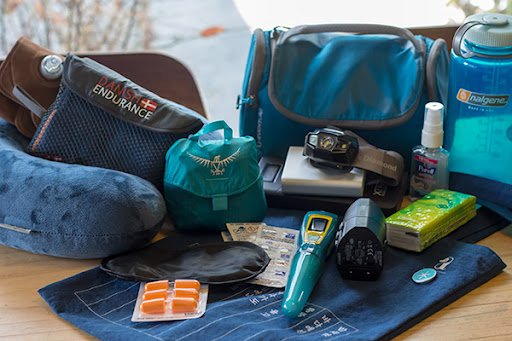
The Swaik Lake experience rewards preparation. People who pack properly have excellent experiences. People who don’t struggle with avoidable problems.
Clothing and footwear:
✅ Sturdy hiking shoes (non-negotiable)
✅ Swimwear (if planning to swim)
✅ Quick-dry towel
✅ Light waterproof jacket (weather changes)
✅ Sun hat and sunglasses
✅ Extra clothing layer for return journey
Water and nutrition:
✅ Minimum 3 liters of water per person (no water available on trail)
✅ High-energy snacks (nuts, dried fruit, granola bars)
✅ Full meals if planning extended time at lake
✅ Electrolyte sachets for hot weather visits
Safety and navigation:
✅ Downloaded offline maps before departure
✅ Basic first-aid kit
✅ Fully charged power bank
✅ Headlamp or flashlight
✅ Emergency contact numbers saved
Photography and leisure:
✅ Camera with waterproof protection
✅ Extra batteries or charging solutions
✅ Polarizing filter for water photography
✅ Trash bags for packing out all waste
Photography Guide
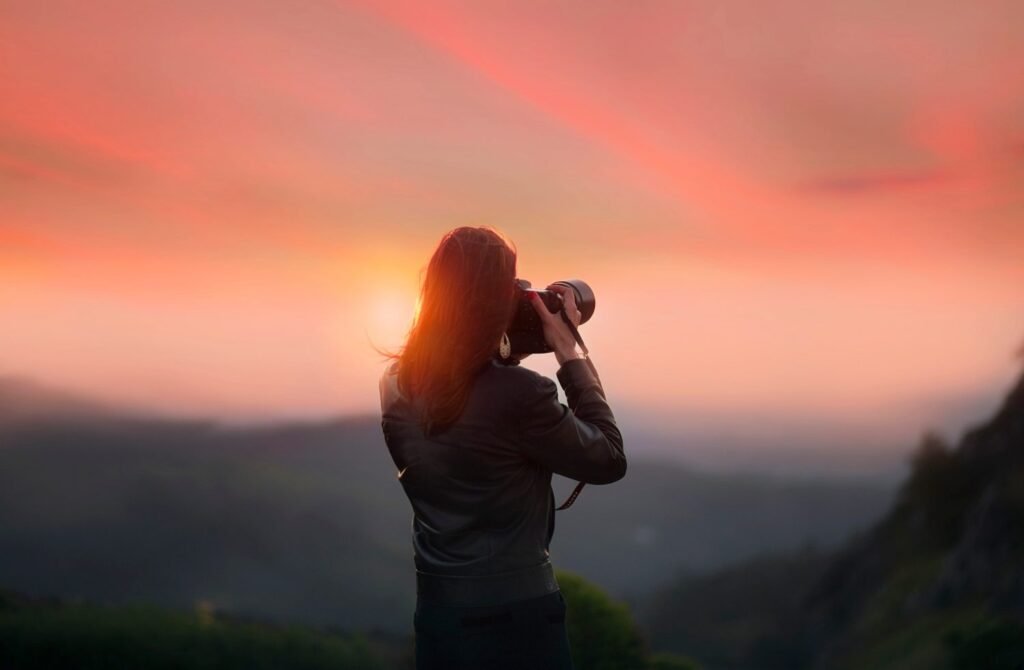
Swaik Lake photographs beautifully in almost any conditions, but understanding timing and positioning dramatically improves your results.
Golden hour magic: Sunrise provides soft, directional light that illuminates cliff faces dramatically while the lake surface reflects pink and orange sky. Sunset from the lake’s edge creates similarly beautiful conditions from the opposite direction.
Best Positions:
- Lake overview: Gain elevation on the surrounding slopes for shots incorporating the full lake, cliffs, and sky
- Waterfall detail: Move close to cliff faces during monsoon season for intimate waterfall shots
- Swimming/cliff diving: Position yourself on the opposite shore from diving spots to capture action against cliff backdrop
- Trail photography: Morning light on the ascent creates compelling hiking journey documentation
Equipment recommendations: Polarizing filter reduces glare from water surface and reveals the lake’s true color. Wide-angle lens captures the dramatic scale of cliff-surrounded basin. Neutral density filter enables long-exposure waterfall shots.
Drone photography: The aerial perspective of Swaik Lake is extraordinary, the hidden basin, surrounding ridges, and the relationship between lake and landscape only become fully apparent from above. Check current drone regulations before flying.
Camping Near Swaik Lake
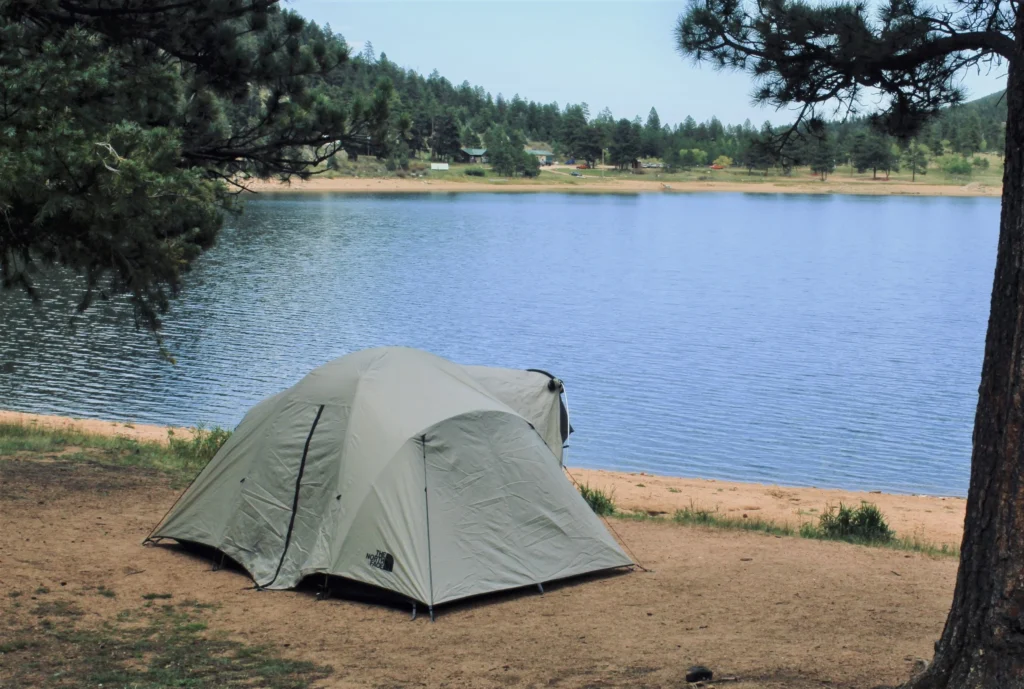
Overnight camping near Swaik Lake transforms the experience from a day trip into a genuine adventure, staying to watch stars appear over the limestone cliffs, falling asleep to the sound of water, waking to mist rising from the lake surface at dawn.
Camping Options:
Near the lake (primitive camping): No formal campsite exists, you’re setting up tents on reasonably flat ground near the lake. Carry all equipment in (this means carrying everything up the hiking trail, so pack thoughtfully). Carry all waste out absolutely without exception.
Before the trail head (car camping): For families or those unwilling to carry camping gear up the trail, camping near the parking area provides easy access to facilities (minimal as they are) while still delivering the Salt Range landscape experience.
Camping essentials for Swaik Lake:
- Three-season tent (spring/autumn) or four-season tent (winter)
- Sleeping bag rated appropriately for the season
- Sleeping mat
- Cooking equipment and fuel
- All food supplies (no shops accessible)
- Adequate water for overnight stay
- Strong torch and backup
- All waste management supplies
Best camping season: April-May and September-October provide optimal camping temperatures and conditions.
Also Read: 10 Must-Visit Lakes in Pakistan
Family Travel Guide

Taking children to Swaik Lake is absolutely doable, I’ve seen families with kids as young as 7 complete the hike and have experiences they talk about for months afterward. However, honest planning makes the difference between a treasured memory and a stressful struggle.
Age recommendations:
- Under 5: The hike is probably too demanding. Consider visiting Kallar Kahar Lake instead, which is entirely accessible.
- 5-10 years: Possible with a slow pace, frequent breaks, and realistic expectations about hiking time.
- 10+ years: Should handle the hike comfortably assuming reasonable fitness.
Family-specific planning tips:
Allow significantly more time than you think you need. That 1.5-hour hike becomes 2.5-3 hours with young children, and that’s perfectly fine, just plan for it.
Carry more water than you think children need. Kids underestimate thirst during physical activity, and dehydration in the Salt Range heat quickly ruins everyone’s experience.
The promise of swimming at the end of the hike is powerful motivation for flagging young hikers. “The lake is just ahead and you can swim when we get there” has powered many exhausted children through that final uphill section.
Carry dedicated children’s snacks, trail mix, dried fruit, energy bars, that make rest stops feel like rewards rather than admissions of tiredness.
The swimming itself is the highlight for most children. Budget extra time at the lake because getting kids out of the water after that hike is genuinely challenging.
Safety Guide for Visitors
Swaik Lake is a natural environment without managed safety infrastructure. Being sensible costs nothing and potentially prevents serious problems.
Most important safety considerations:
Flash flooding: The Salt Range channels rainwater extremely efficiently. A rainstorm somewhere upstream can produce flash flooding at Swaik Lake before any rain falls where you’re standing. Check weather forecasts thoroughly before visiting, particularly during monsoon season. If dark clouds appear while you’re at the lake, move to higher ground immediately without waiting to see what happens.
Cliff edges: Limestone cliff edges around the lake can be unstable and are not marked with warnings. Keep children well back from edges and exercise personal caution.
Wildlife: The Salt Range hosts snakes (including some venomous species), scorpions, and other wildlife. Watch where you step, particularly in rocky areas and when placing hands on rock surfaces while scrambling.
Swimming supervision: Never allow children to swim unsupervised. The lake’s depth varies significantly, and even strong swimmers can experience difficulties.
Group travel: Never hike to Swaik Lake alone. Twisted ankles happen on uneven terrain, and the consequences of being alone and injured in a remote location are serious.
Communication plan: Before losing mobile signal, ensure someone not on the trip knows your plans and expected return time.
Flora and Fauna around Swaik Lake
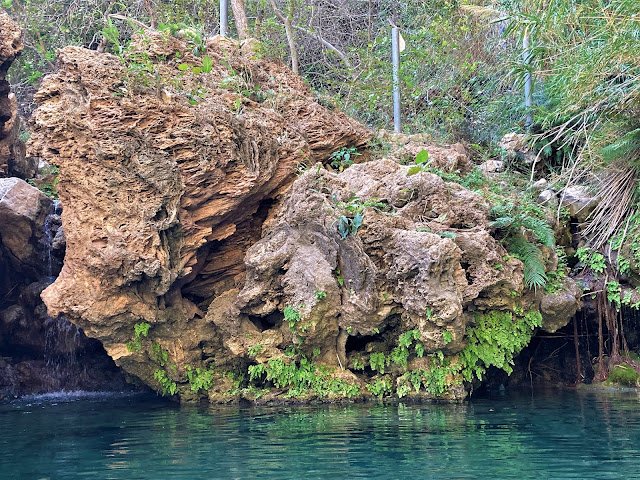
The Salt Range ecosystem is considerably more biodiverse than its name suggests, and Swaik Lake sits within one of the region’s most ecologically interesting areas.
Flora: The combination of limestone geology, varied precipitation, and altitude creates distinct vegetation zones along the hiking trail. Lower elevations feature scrub and semi-arid species. As you gain elevation and approach the lake, vegetation becomes noticeably lusher, shrubs, wildflowers (spectacular in spring), grasses, and at the lake itself, moisture-dependent plants including ferns and mosses in perpetually damp cliff sections.
Wildlife: Patient observers may encounter several interesting species:
- Birds: Various raptors use Salt Range thermals, warblers inhabit lakeside vegetation, kingfishers occasionally appear at the water’s edge
- Mammals: Jackals, foxes, and wild boar inhabit the range; sightings are most likely at dawn and dusk
- Reptiles: Multiple lizard species, occasional snake sightings (respect and maintain distance)
- Invertebrates: Diverse butterfly populations in spring, various beetle species in the limestone habitat
Conservation note: The relative undisturbed character of the Swaik Lake environment means it supports species increasingly rare in Punjab’s developed landscapes. Responsible visiting, staying on trails, not disturbing wildlife, removing all waste, helps preserve this biodiversity.
Also Read: Karambar Lake Travel Guide
Mobile Network & Internet Availability

Honest assessment: Mobile coverage near Swaik Lake is unreliable. You might have signal in some spots, nothing in others, and generally you should plan to be largely unreachable for the duration of your visit.
Network performance by provider:
- Jazz: Best coverage in the general Kallar Kahar area; deteriorates toward Swaik Lake
- Zong: Similar to Jazz
- Telenor: Variable; some users report better mountain area coverage
- Ufone: Generally weakest option in this region
Practical implications:
- Download offline maps before leaving Islamabad or Lahore (critical)
- Download any entertainment for children before departing
- Save emergency contacts in phone memory (not dependent on internet)
- Inform someone reliable of your complete itinerary including expected return time
- Consider this a feature rather than a bug, real disconnection is increasingly rare
Nearby Attractions
Swaik Lake exists within an extraordinary region of Punjab that rewards exploration beyond the lake itself. Combining Swaik Lake with nearby attractions creates trips that feel comprehensive rather than single-purpose.
Kallar Kahar Lake
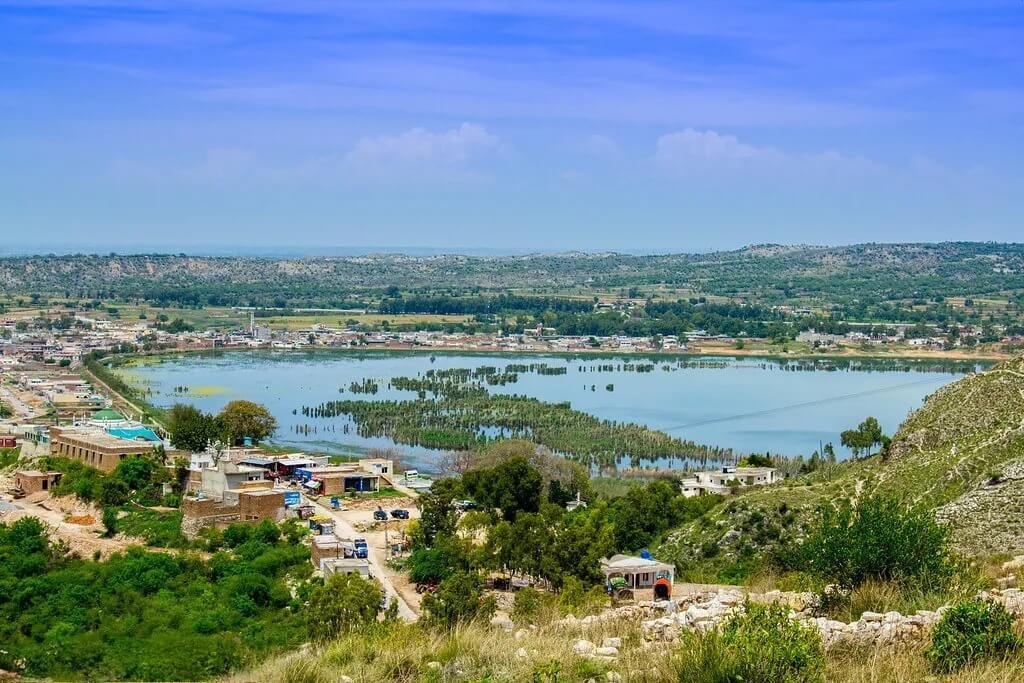
The famous Kallar Kahar lake visible from the M-2 Motorway is a natural saltwater lake surrounded by lush landscape that surprises visitors expecting typical Punjab terrain. The famous Mughal garden built by Emperor Babur adds historical significance to natural beauty. The lake is perfectly accessible without hiking, making it ideal for family members who couldn’t or chose not to attempt the Swaik Lake trail.
Katas Raj Temples
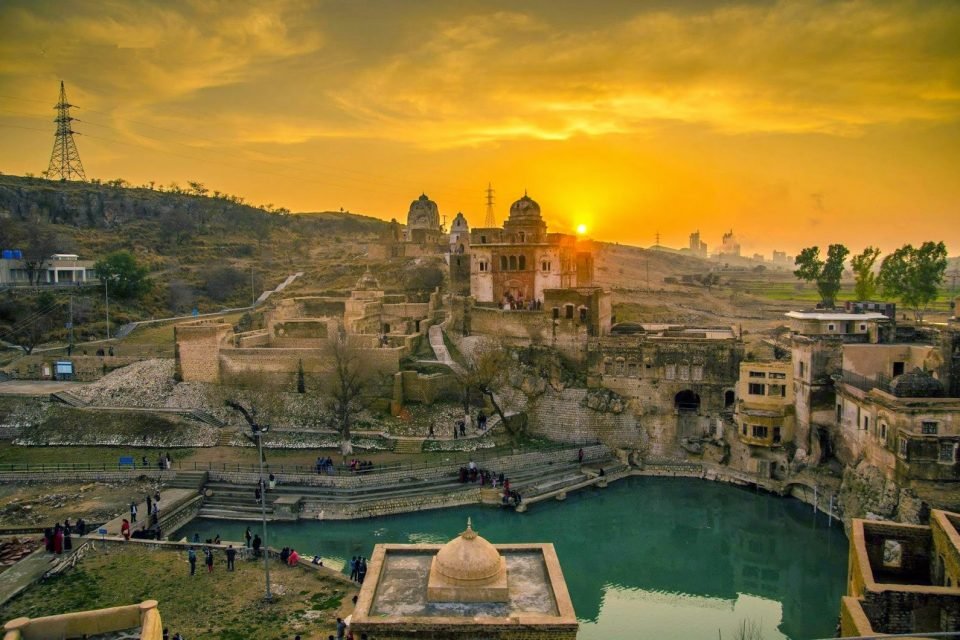
Perhaps the Salt Range’s most historically significant site, the Katas Raj Temples complex centers on an ancient sacred lake mentioned in the Mahabharata epic. The temples surrounding the lake date from various periods of Hindu and Sikh history, creating an extraordinary concentration of heritage in a single location. The sacred lake itself is believed to have formed from the tears of Lord Shiva. Whatever your religious background, the site’s age and significance are genuinely impressive.
Takht-e-Babri
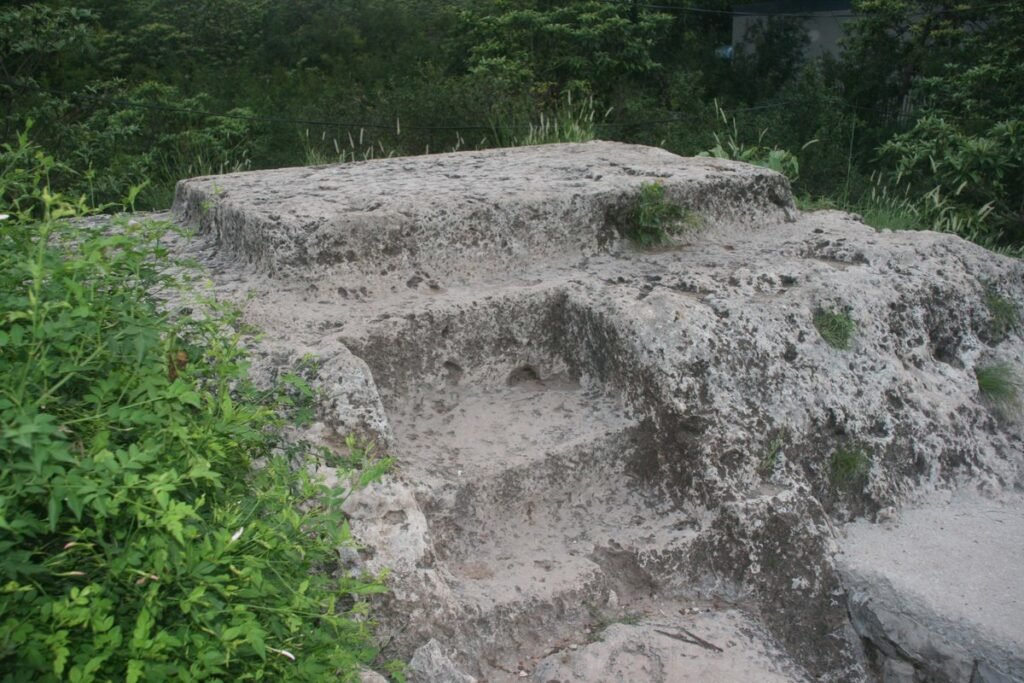
This historical site marks where Emperor Babur rested during his campaigns and is associated with the establishment of Mughal presence in the region. The location offers historical context about the Mughals’ use of the Salt Range as both military route and recreational area.
Choa Saidan Shah
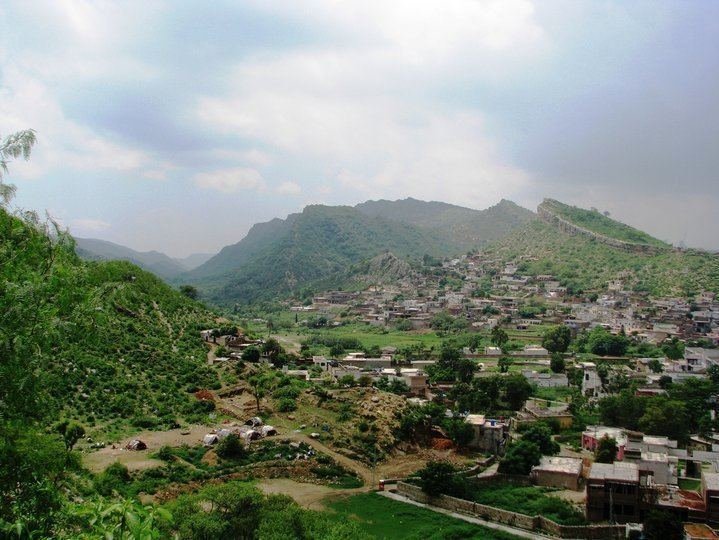
A historic town with significant religious importance and natural springs, Choa Saidan Shah offers cultural exploration different from the natural attractions dominating the region. The town’s traditional bazaars and architectural heritage provide authentic glimpses of Salt Range community life.
Neela Wahn
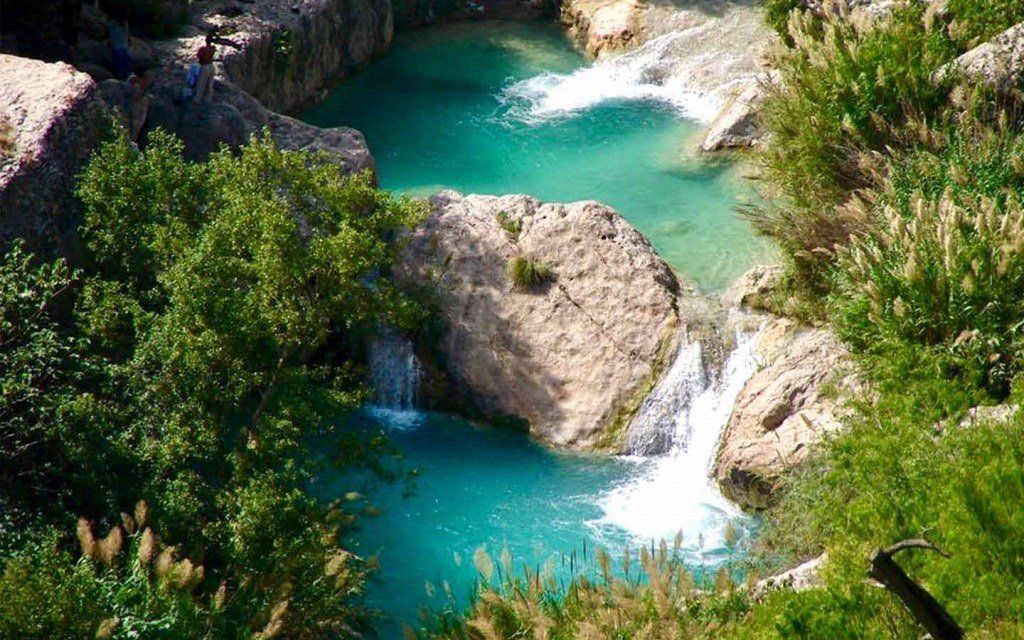
This natural feature, a striking blue-green pond created by mineral-rich springs, surprises visitors with its vivid color contrasting against the surrounding landscape. The distinctive water color results from mineral content similar to that creating the turquoise appearance of glacial lakes elsewhere in Pakistan.
Salt Range
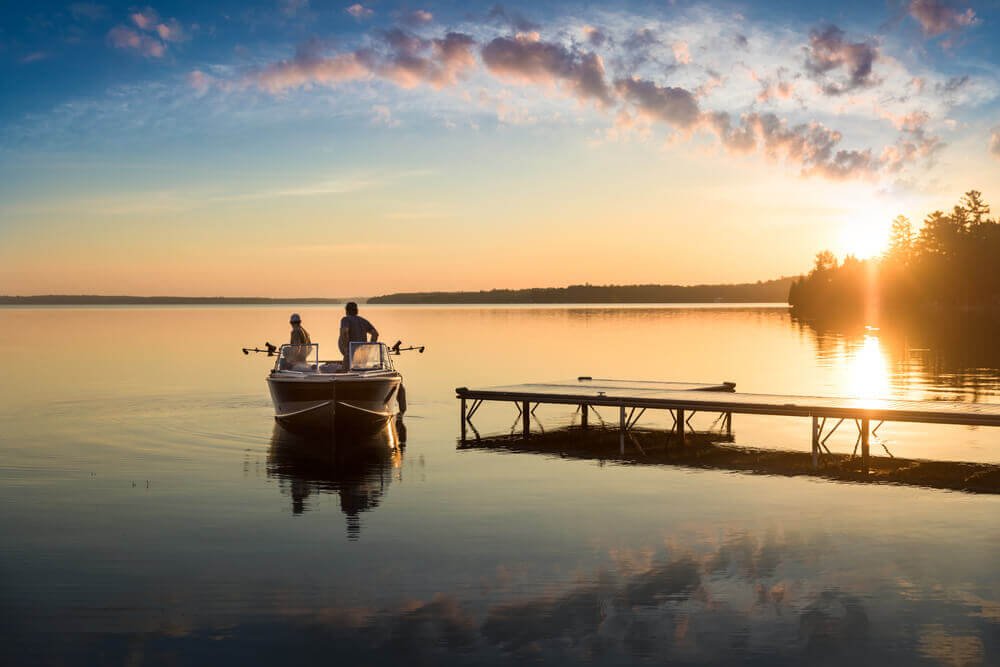
The broader Salt Range extends for hundreds of kilometers and contains geological features, salt mines (including the famous Khewra Salt Mine, one of the world’s largest), fossil sites, and landscapes unlike anywhere else in Punjab. The region’s geological history spans hundreds of millions of years, visible in the dramatically layered rock faces throughout the range.
Also Read: Attabad Lake Hunza Valley
Responsible Tourism Tips
Swaik Lake is pristine partly because fewer people visit. As it becomes more popular, the responsibility of each visitor grows proportionally.
Zero waste policy: Everything you carry in, carry out. Every plastic wrapper, every bottle, every food container. The lake’s current cleanliness reflects this discipline from previous visitors. Don’t be the person who breaks the chain.
Respect vegetation: Stay on established trails rather than creating shortcuts across vegetation. Those shortcuts multiply into erosion channels over years of repeated use.
Noise awareness: The natural soundscape, water, birds, wind, is part of what makes Swaik Lake special. Loud music broadcast from speakers changes the experience for every other visitor.
Wildlife interaction: Don’t feed wildlife. Don’t chase birds or animals for photography. Maintain distances that allow animals to behave naturally.
Fire safety: No open fires except in designated areas. The Salt Range is fire-prone, particularly in dry seasons. Cooking should use portable stoves rather than wood fires.
Community respect: The local communities near Swaik Lake have lived alongside this natural environment for generations. Respectful interaction, appropriate dress, courteous behavior, builds relationships that benefit tourism for years ahead.
Travel Tips for First-Time Visitors

Visiting Swaik Lake for the first time? These are the things I wish someone had told me before my first visit:
Start early without exception: The combination of heat, trail exposure, and parking availability means arriving at the trail head by 8:00-9:00 AM is strongly preferable to arriving at noon.
Hire a local guide for your first visit: The trail feels obvious once you know it. Before you know it, junctions are confusing. A local guide costs a small amount and potentially saves significant time and frustration. They also share knowledge about the area that no article can provide.
Bring more water than seems necessary: Calculate how much water you think you need for the hike. Then add 50%. Hot weather, physical exertion, and altitude surprise most first-timers with how much they drink.
Leave phones for last: Spend genuine time experiencing the lake before photographing it. The Instagram moment is fine. Experiencing the place first is better.
Tell someone your plans: Before you lose signal driving toward Swaik, message someone who isn’t coming with your complete plan, departure time, destination, expected return, emergency contact numbers in Chakwal district.
Respect the local community: The route to Swaik Lake passes through small villages where conservative values are maintained. Modest clothing beyond the lake itself shows appropriate respect.
Experience Swaik Lake with Eventica Travels

Planning Swaik Lake logistics, transport, timing, trail knowledge, and combining it with nearby attractions requires local expertise that turns a good trip into a great one. Eventica Travels arranges Swaik Lake day trips and extended Salt Range tours that handle every detail, letting you focus on the experience rather than the planning.
Our guides have hiked the Swaik Lake trail in every season, know the optimal photography positions, understand the safety considerations, and can create custom itineraries combining Swaik Lake with Katas Raj, Kallar Kahar Lake, and other Salt Range attractions.
Swaik Lake Is Worth Every Uphill Step
Swaik Lake, Pakistan, represents exactly what adventure travel promises but rarely delivers, a genuinely hidden gem that requires effort to reach and rewards that effort with extraordinary experiences. The turquoise water, dramatic limestone cliffs, seasonal waterfall, and surrounding ecosystem create something that photographs can hint at but physical presence fully reveals.
The kallar kahar lakes region generally attracts day-trippers who stay close to the motorway. Swaik Lake rewards those willing to take the extra turn, make the additional drive, and complete the hiking trail. It’s the difference between seeing a destination and experiencing one.
Go in spring when wildflowers line the trail. Go in the monsoon when the waterfall roars. Go in autumn when golden light transforms the Salt Range. Go in winter when you might have it entirely to yourself. There’s no wrong time to discover this extraordinary corner of Punjab; there’s only the right time, and that’s whenever you finally commit to making the trip.
Eventica Travels – Revealing Punjab’s Hidden Natural Treasures
“The best adventures are the ones that require effort. Swaik Lake is that adventure.”