
Where is Shigar Valley located?
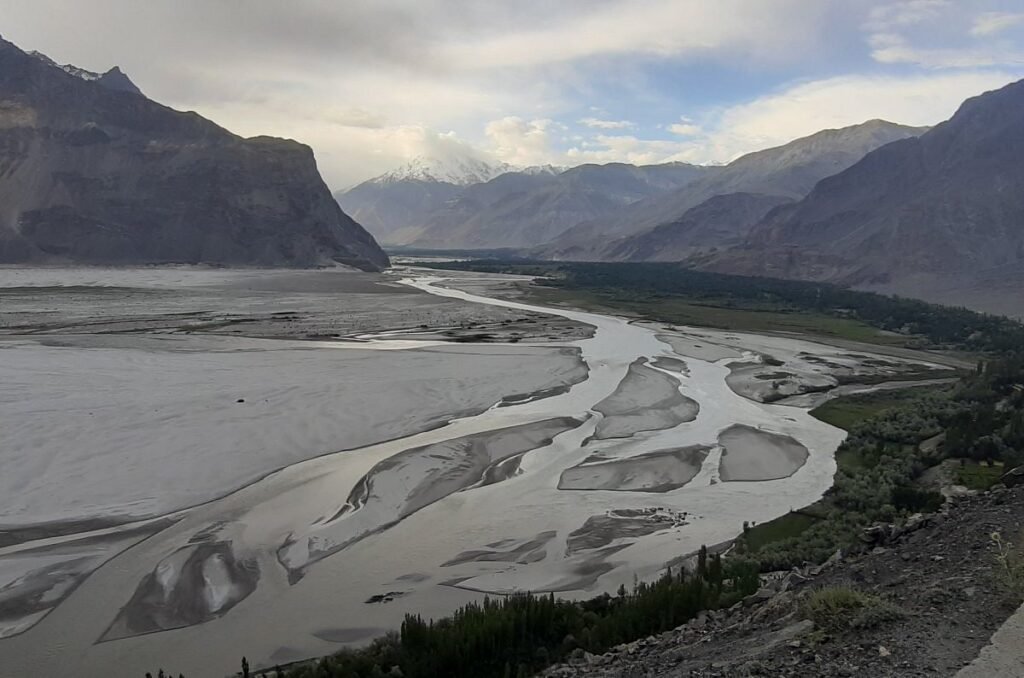
Shigar Valley is located approximately 28 kilometers west of Skardu city in Shigar Valley, Baltistan, nestled at an elevation of around 2,230 meters (7,320 feet) in the heart of the Karakoram mountain range. This stunning valley serves as the gateway to some of Pakistan’s most magnificent peaks, including K2, and stretches along the Shigar River, creating a spectacular landscape where the high-altitude cold desert meets lush green oases fed by glacial waters.
The valley’s strategic position makes it an essential stop on the route to legendary trekking destinations like K2 Base Camp, Askole, and various Karakoram expeditions, establishing Shigar Valley, Pakistan, as both a destination in itself and a launching point for world-class adventure tourism.
History of Shigar Valley
Shigar Valley boasts a rich historical legacy dating back centuries as an ancient seat of power in Baltistan. The valley was once ruled by the Raja (king) of Shigar, whose magnificent fort-palace still dominates the landscape today. This region served as a vital link in the Silk Road trade routes, facilitating commerce and cultural exchange between Central Asia, China, and the Indian subcontinent.
The Balti people of Shigar have preserved their unique culture, language, and architectural traditions for generations, creating a living museum of Tibetan-influenced Buddhist and later Islamic heritage that defines the region’s distinctive character.
Why Shigar Valley is Famous
Shigar Valley is renowned for several extraordinary features that distinguish it from other Pakistani destinations:
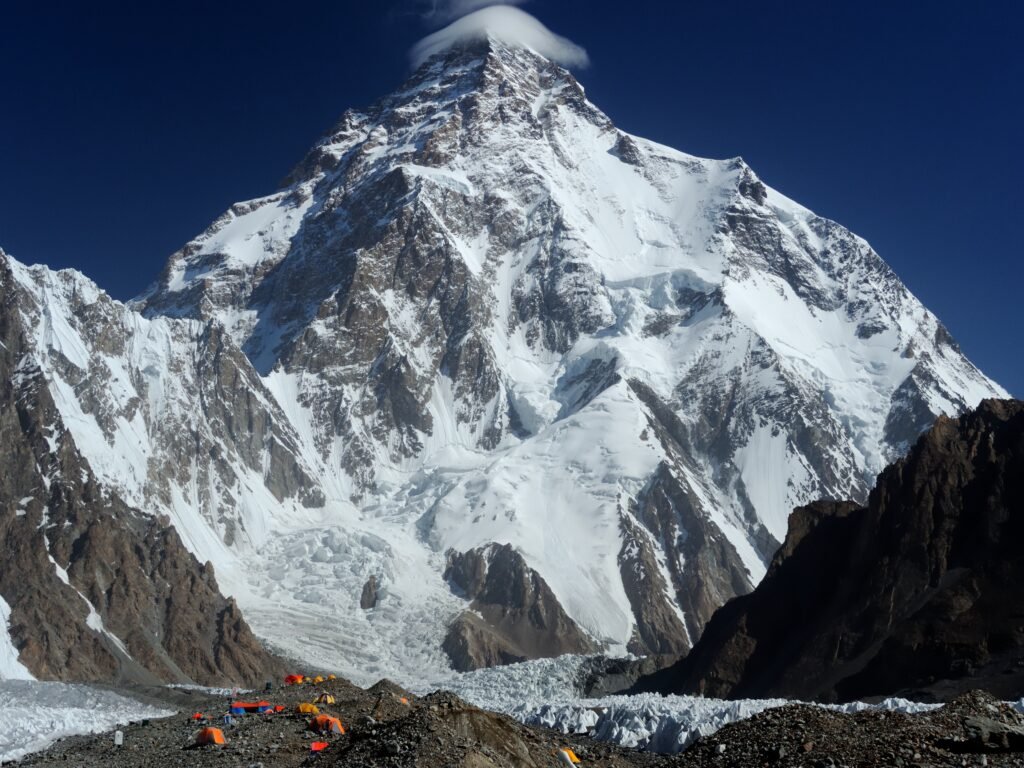
Gateway to K2: As the primary access point for K2 expeditions, Shigar attracts mountaineers and trekkers from around the globe.
Shigar Fort: The meticulously restored 17th-century fort-turned-heritage hotel represents one of Pakistan’s finest examples of traditional Balti architecture.
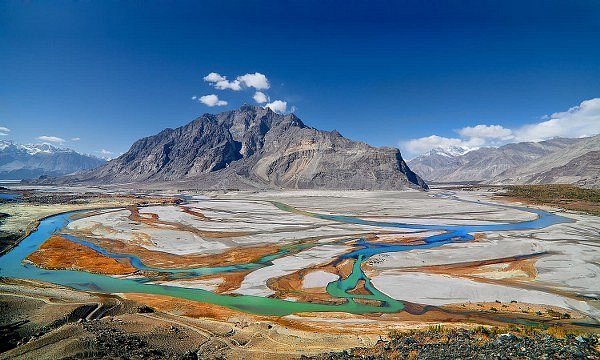
Cold Desert Contrast: The unique juxtaposition of the Sarfaranga Cold Desert’s sand dunes against snow-capped Karakoram peaks creates surreal, photogenic landscapes.
Cultural Heritage: Shigar preserves authentic Balti culture, traditional irrigation systems (kuls), organic farming practices, and centuries-old mosques with intricate woodwork.
Trekking Paradise: Access to numerous world-class trekking routes, including K2 Base Camp, Gondogoro La, and Masherbrum Base Camp.
Best Time to Visit Shigar Valley
The best time to visit Shigar Valley depends on your specific interests:
- April to June (Spring/Early Summer): Ideal for pleasant weather (15-25°C), blooming apricot orchards, moderate tourist numbers, and accessible trekking routes. This is the overall best window for most travelers.
- July to September (Summer): Peak trekking season with the warmest temperatures (20-30°C), though July-August brings occasional monsoon rain. All mountain routes are open and fully accessible.
- September to October (Autumn): Exceptional for photography with golden autumn colors, crystal-clear visibility, harvest season festivities, and comfortable temperatures (12-22°C). Tourist numbers decline while conditions remain excellent.
- November to March (Winter): Extremely cold, with temperatures dropping below freezing (-5 to 10°C). Many hotels and facilities close, upper valley areas become inaccessible, but winter offers unique snow-covered beauty and the lowest prices for hardy travelers.
Weather in Shigar Valley
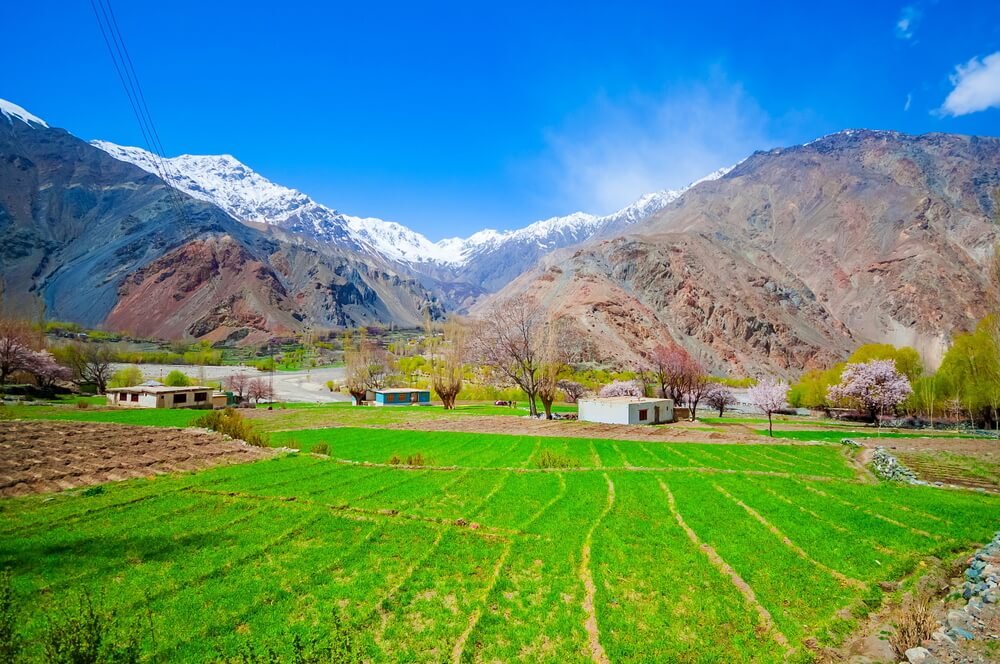
Understanding Shigar Valley weather helps with packing and planning. The valley experiences four distinct seasons:
- Spring: Moderate temperatures, occasional rain, blooming vegetation
- Summer: Warm days, cool nights, stable conditions
- Autumn: Comfortable temperatures, clear skies, brilliant colors
- Winter: Severe cold, snow, limited accessibility
The high-altitude desert climate means low humidity, intense sun exposure, significant temperature variations between day and night (20°C+ differences), and generally low rainfall except during brief monsoon influence in July-August.
How to Reach Shigar Valley
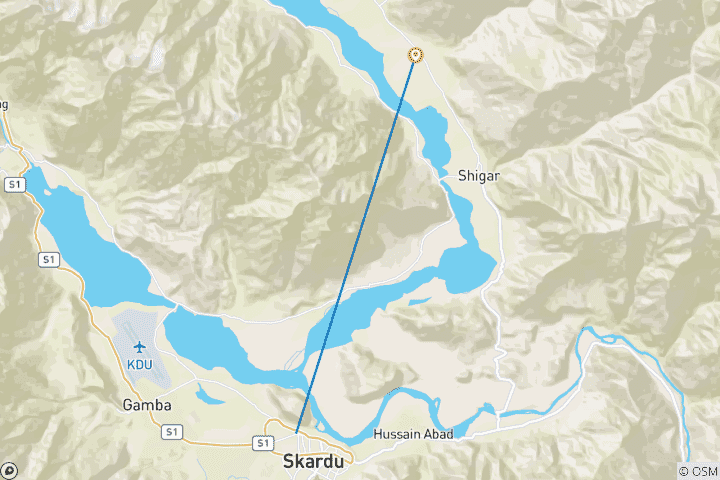
Distance from Skardu to Shigar Valley
The Skardu to Shigar Valley journey covers approximately 28 kilometers and takes 45 minutes to 1 hour by road under normal conditions.
Route: From Skardu city, follow the main road west toward the Shigar Valley entrance. The well-paved road passes through scenic desert-mountain landscapes before entering the green oasis of Shigar Valley itself.
Transportation options:
- Private vehicle: Most convenient, allowing flexibility for stops and exploration
- Hired taxi from Skardu: Approximately PKR 2,000-3,000 for day trip or one-way transfer
- Tour operator: Included in comprehensive packages
From major cities:
- Islamabad to Shigar: Fly Islamabad-Skardu (1 hour, weather-dependent), then drive to Shigar
- By road: Karakoram Highway to Skardu (20-24 hours from Islamabad), then to Shigar
Planning your Shigar Valley journey? Eventica Travels offers comprehensive Skardu-Shigar tour packages with comfortable transportation, expert guides, and seamless logistics ensuring you experience this magnificent valley worry-free.
Also Read: Skardu Cherry Blossom
Top Places to Visit in Shigar Valley
1. Shigar Fort (Fong Khar)
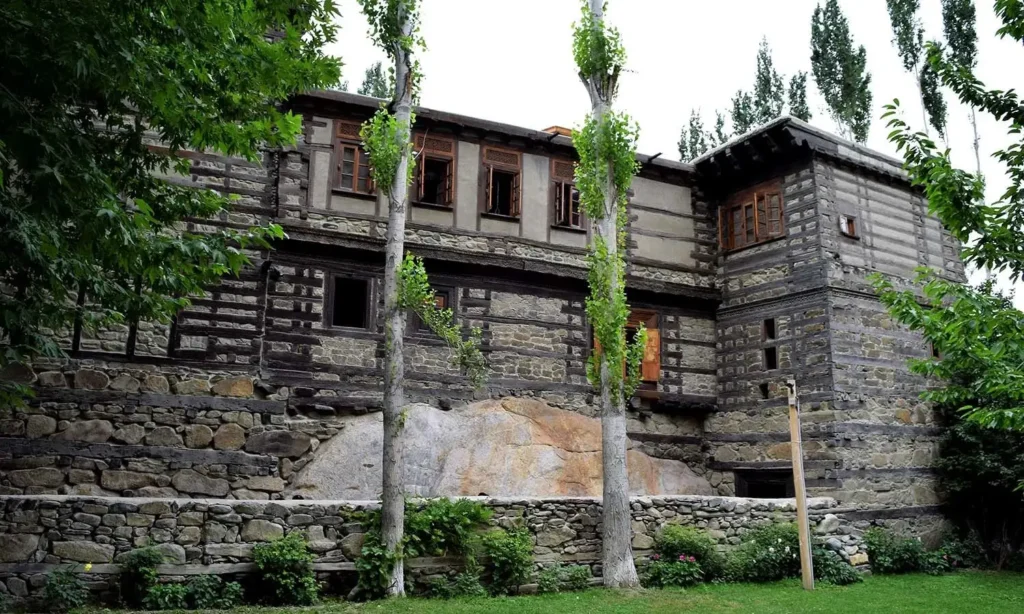
Shigar Fort stands as the valley’s crown jewel—a magnificently restored 17th-century fort-palace that now operates as a heritage hotel under the Serena chain. The fort’s traditional Balti architecture features intricate wooden carvings, stunning kashmiri roofs, and historical artifacts that transport visitors centuries back in time.
Even if not staying overnight, visitors can tour the fort museum, gardens, and historical sections to appreciate this architectural masterpiece that represents the pinnacle of Balti craftsmanship.
2. Sarfaranga Cold Desert
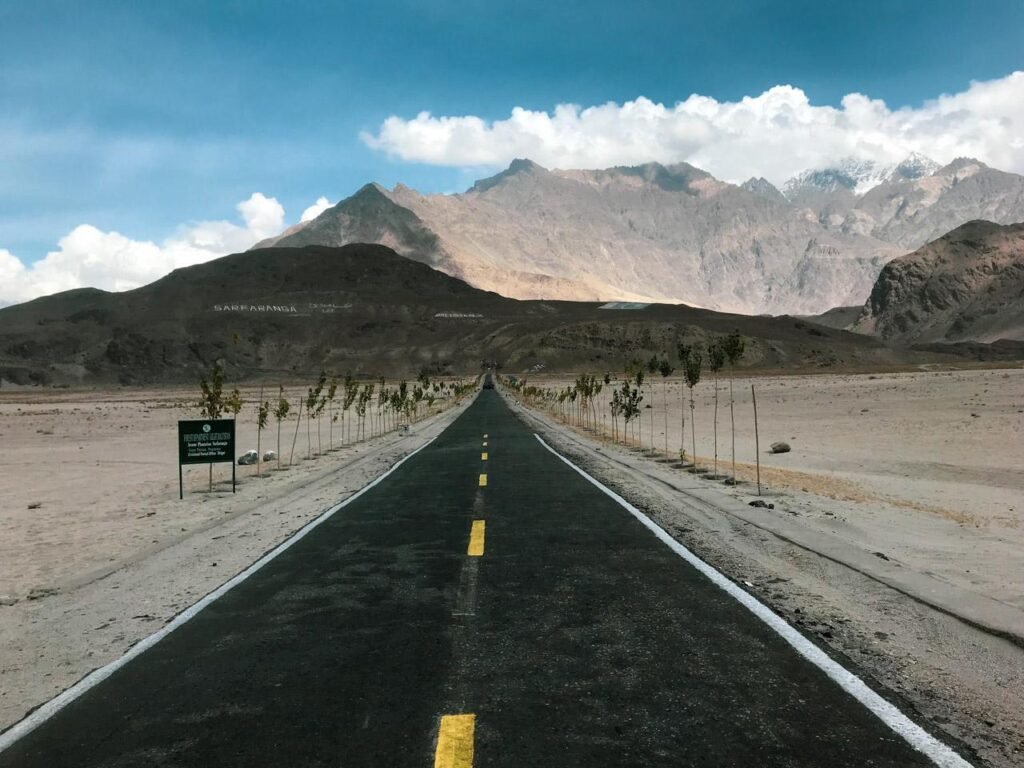
The Sarfaranga Cold Desert creates one of Pakistan’s most surreal landscapes—golden sand dunes at high altitude surrounded by snow-capped peaks and glaciers. This unique desert-mountain combination offers extraordinary photography opportunities and the chance to experience ecosystems rarely found together elsewhere on earth.
3. Blind Lake Shigar
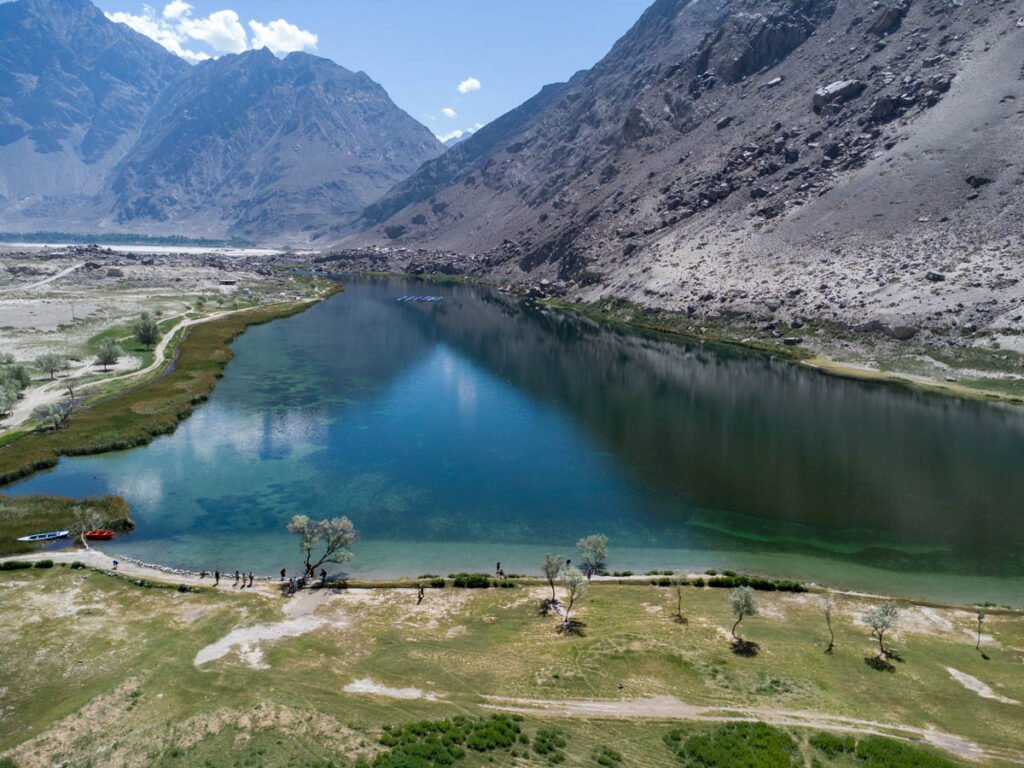
Also known as “Manthokha Waterfall” or the hidden lake, this seasonal attraction appears when glacial melt creates a temporary lake that eventually drains underground through limestone formations. The dramatic waterfall and turquoise lake (when present) create spectacular scenes, though accessibility depends on seasonal conditions.
4. Amburiq Mosque
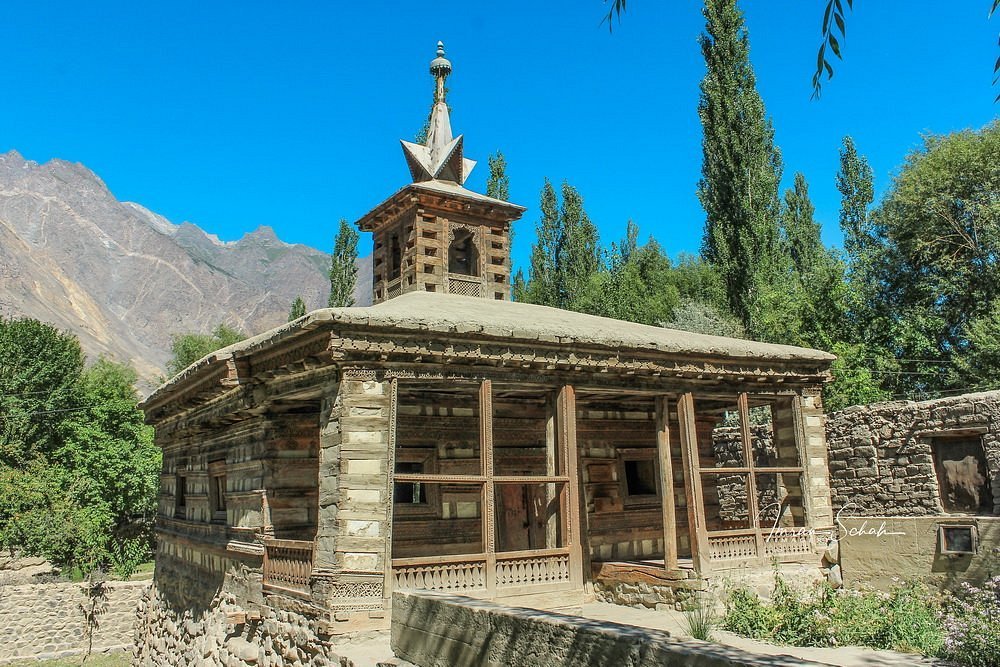
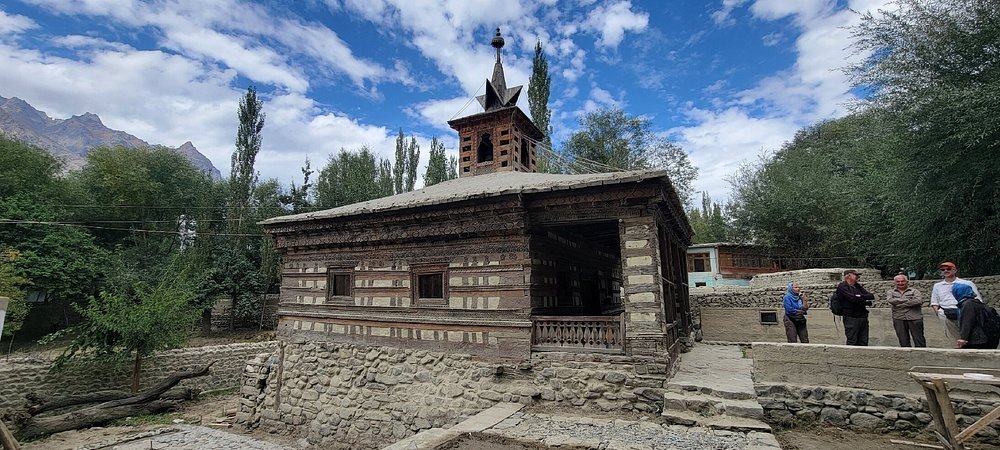
This ancient wooden mosque showcases traditional Balti Islamic architecture with intricate wood carvings and historical significance as one of the region’s oldest surviving religious structures. The mosque represents the cultural fusion of Tibetan Buddhist artistic traditions adapted to Islamic purposes.
5. Askole Village
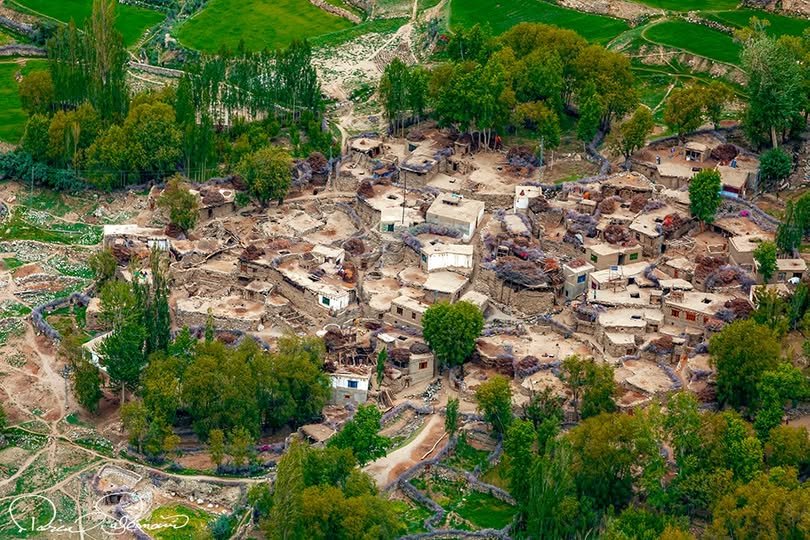
Askole, accessible from Shigar Valley, serves as the last village before wilderness on the K2 Base Camp trek. This remote settlement offers authentic cultural experiences, traditional Balti hospitality, and serves as the starting point for legendary mountaineering expeditions.
6. Shigar River and Hanging Bridges
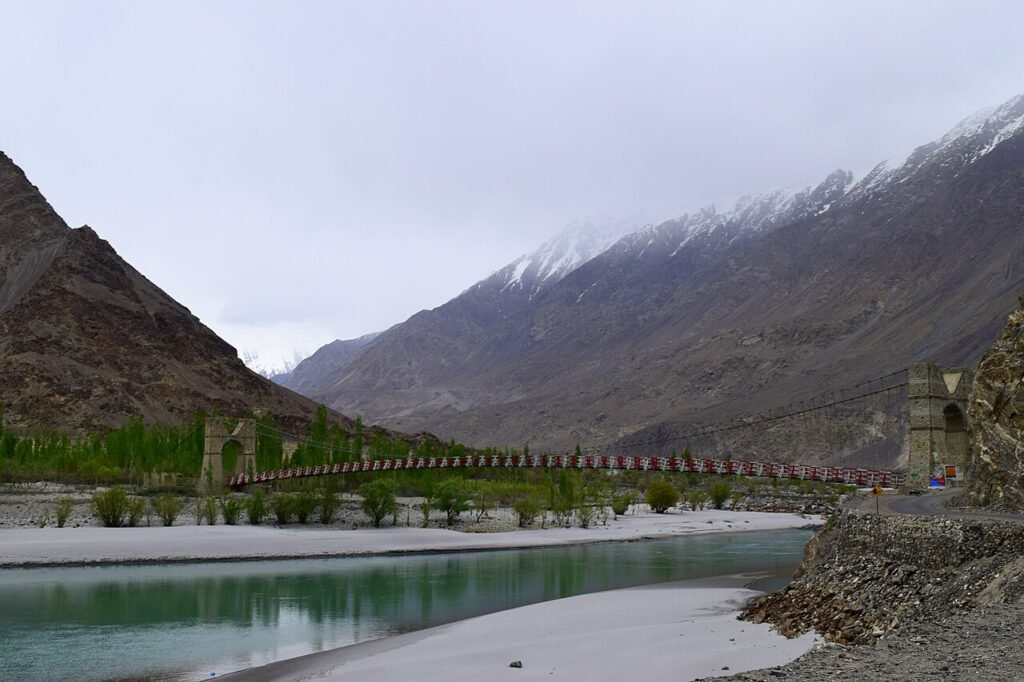
The glacier-fed Shigar River creates a lifeline through the valley, and several dramatic hanging bridges cross it, providing both practical function and photographic interest. The turquoise water against desert and mountain backdrops creates stunning visual compositions.
7. K2 Gateway and Trekking Routes
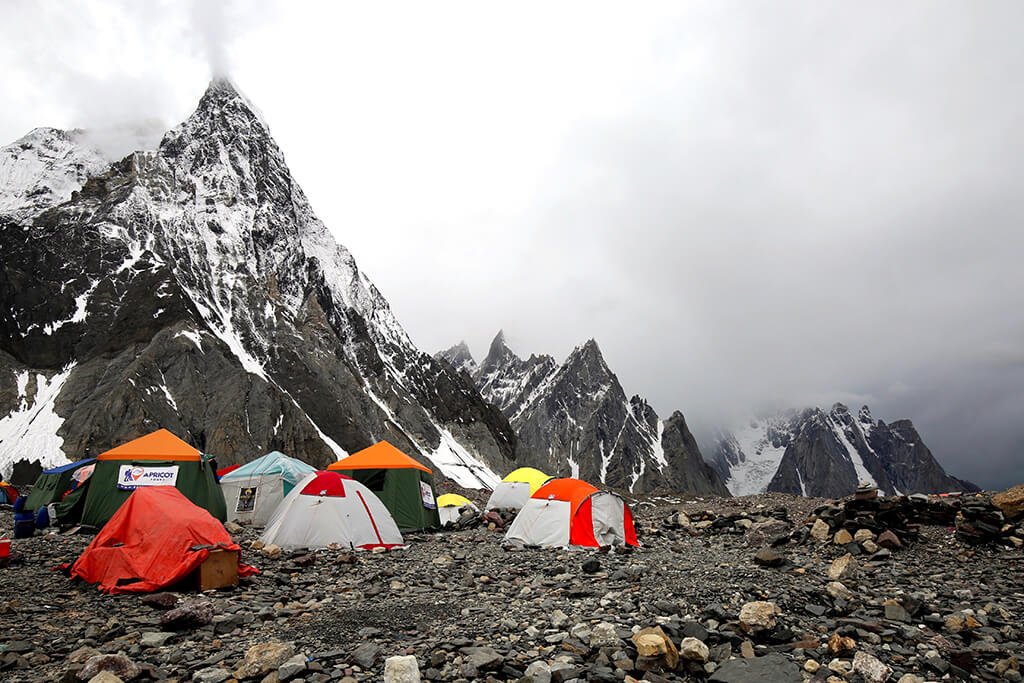
Shigar Valley serves as the primary access point for trekking routes to K2 Base Camp, Gondogoro La Pass, Concordia, and various other legendary Karakoram destinations, attracting serious trekkers and mountaineers worldwide.
Book Now: 10 Days Group Tour: Skardu, Manthokha & Deosai
Things to Do in Shigar Valley
- Explore Shigar Fort: Tour the heritage hotel, museum, and gardens
- Desert Experience: Visit Sarfaranga for unique sand dune photography
- Cultural Immersion: Interact with local Balti communities, visit villages
- Photography: Capture the desert-mountain contrast, traditional architecture
- Trekking: Day hikes or extended expeditions to K2 region
- Stargazing: Minimal light pollution creates exceptional night sky viewing
- Heritage Walks: Guided tours through historical sites and irrigation systems
- Rock Climbing: Various routes for climbing enthusiasts
Camping and Adventure Activities
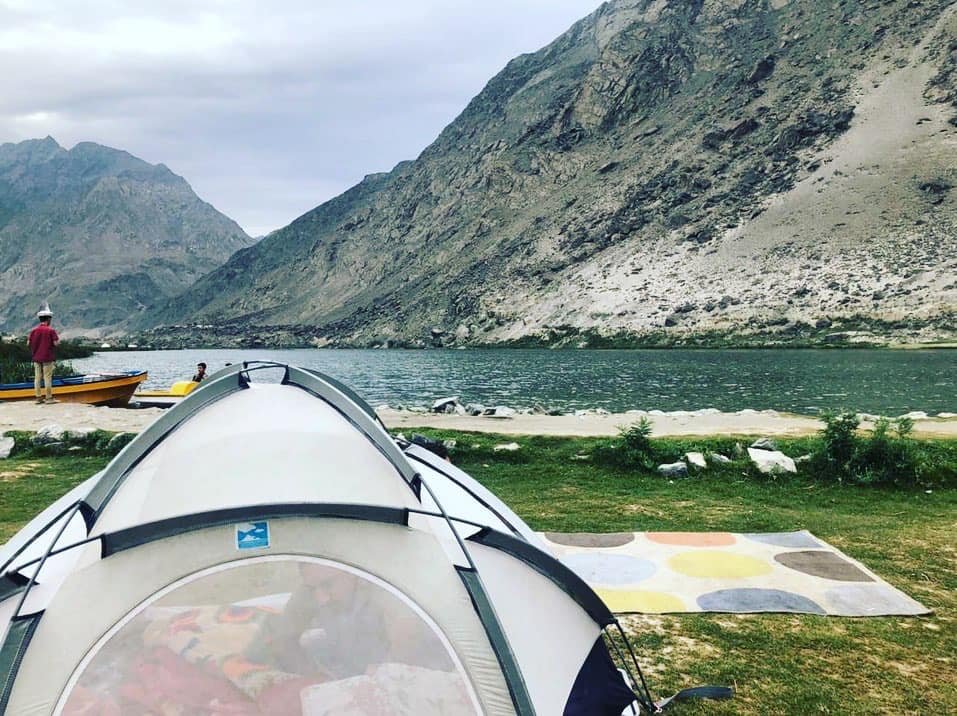
Shigar Valley offers excellent camping opportunities at designated areas near the Shigar River and within the cold desert. Eventica Travels provides fully-equipped camping experiences with professional gear, experienced guides, and all logistics handled—letting you focus on the adventure while we manage the details.
Hotels and Accommodation in Shigar
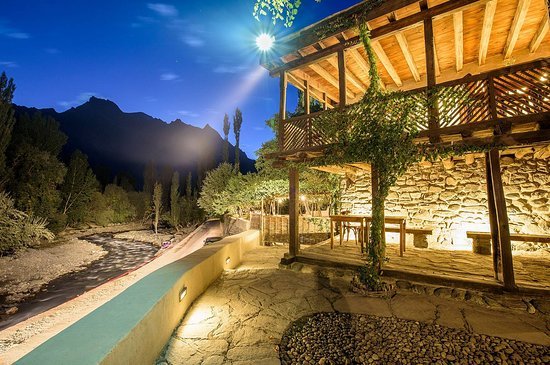
Luxury Option
Shigar Fort Residence (Serena): Heritage fort hotel offering premium accommodation in a historical setting (PKR 15,000-25,000+ per night)
Mid-Range Options
Shigar Valley hotels include several comfortable guesthouses and small hotels offering clean rooms with modern amenities (PKR 4,000-8,000 per night)
Budget Options
Local guesthouses and homestays provide basic accommodation (PKR 1,500-3,000 per night)
Eventica Travels partners with vetted accommodation across all price ranges, ensuring you receive clean, safe, comfortable lodging matching your budget and preferences.
Local Food and Balti Culture
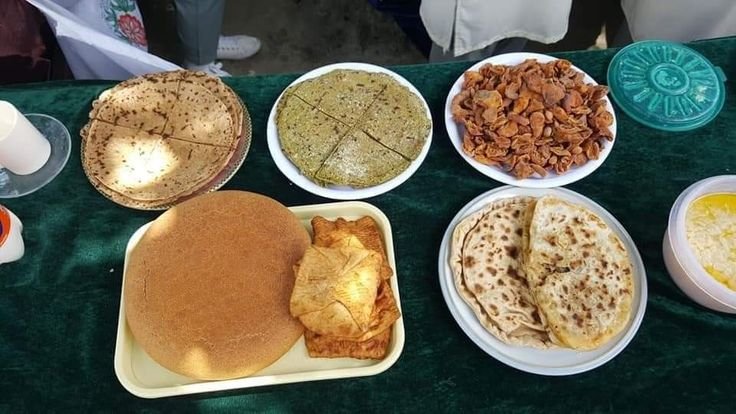
Shigar offers authentic Balti cuisine featuring the following:
- Mamtu: Traditional dumplings with meat filling
- Goli Barith: Local bread specialties
- Apricot-based dishes: Fresh and dried apricots feature prominently
- Organic produce: Locally grown vegetables and grains
The Balti people maintain strong cultural traditions, including traditional music, dance, and artisan crafts. Respectful visitors gain insight into this unique mountain culture rarely experienced elsewhere.
Also Read: Karambar Lake Travel Guide
Travel Tips for Shigar Valley
- Altitude acclimatization: Take it slow on arrival—altitude can affect some visitors
- Cash requirements: Limited ATM access; bring sufficient Pakistani Rupees
- Dress modestly: Respect local conservative Islamic culture
- Sun protection: High altitude intensifies UV exposure—sunscreen essential
- Layered clothing: Temperature fluctuations require versatile wardrobe
- Early starts: Begin daily activities early for best light and weather conditions
Packing List for Shigar Trip
✅ Warm layers (fleece, down jacket)
✅ Sun hat and sunglasses
✅ Sturdy walking shoes
✅ Sunscreen (SPF 50+)
✅ Reusable water bottle
✅ Camera with extra batteries
✅ Personal medications
✅ Headlamp/flashlight
✅ Basic toiletries
✅ Snacks for travel
Is Shigar Valley Safe for Tourists?
Yes, Shigar Valley is considered safe for tourists, with thousands visiting annually without incident. The local Balti community is known for hospitality and welcoming attitude toward visitors. Standard travel precautions apply—respect local culture, travel with reputable operators, and stay informed about current conditions.
FAQs About Shigar Valley
Minimum 2-3 days to experience main attractions; 4-5 days ideal for thorough exploration and trekking day trips.
Yes, with moderate activity levels and cultural experiences suitable for all ages.
Most visitors access via Skardu, though combining both in one trip is recommended.