
Umrah, often called the “lesser pilgrimage,” holds a profound place in the hearts of Muslims worldwide. While not obligatory like Hajj, this sacred journey to the holy cities of Makkah and Madinah offers believers an opportunity for spiritual renewal, forgiveness, and closeness to Allah that transcends ordinary worship. But what exactly is Umrah, and why do millions of Muslims undertake this blessed journey each year?
Understanding Umrah: Islam’s Voluntary Pilgrimage
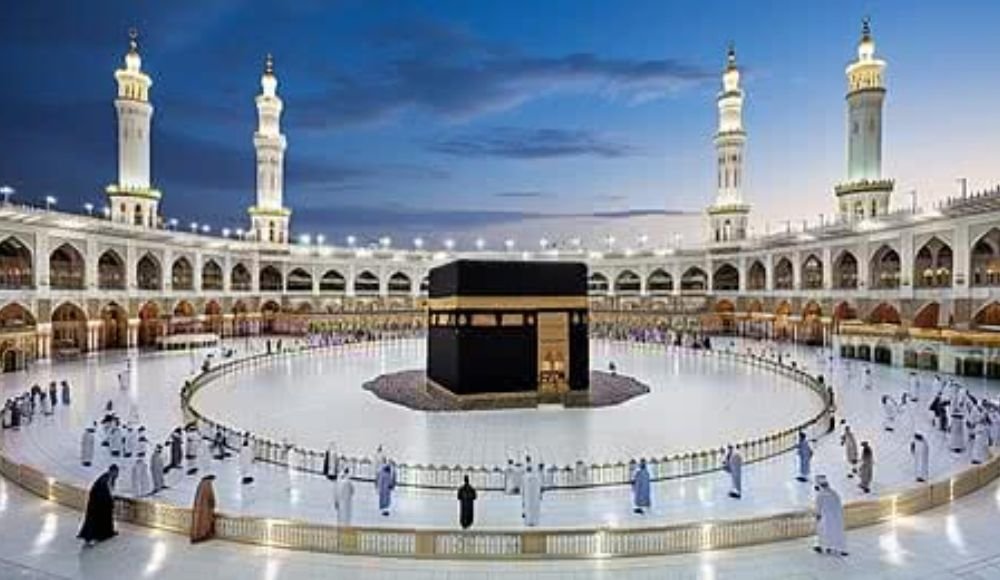
What is Umrah? In Islamic terminology, Umrah refers to the pilgrimage to Makkah that can be performed at any time of the year, unlike Hajj which has specific dates. The word “Umrah” in Arabic literally means “to visit a populated place”, in this context, visiting the sacred house of Allah, the Holy Kaaba.
Umrah consists of several prescribed rituals performed in a specific sequence, primarily centered around Masjid al-Haram in Makkah. These include entering the state of Ihram (sacred consecration), performing Tawaf (circumambulating the Kaaba seven times), performing Sa’i (walking between the hills of Safa and Marwah), and finally, shaving or cutting the hair to complete the pilgrimage.
While Hajj is one of the Five Pillars of Islam and mandatory for those physically and financially able, Umrah is highly recommended (Sunnah Mu’akkadah) and brings immense spiritual rewards. Prophet Muhammad (peace be upon him) said: “The performers of Hajj and Umrah are deputations of Allah. If they call upon Him, He answers them, and if they seek His forgiveness, He forgives them” (Ibn Majah).
The beauty of Umrah lies in its accessibility, you don’t need to wait for specific dates or endure the massive crowds that characterize Hajj season. Muslims can perform Umrah whenever they have the means and opportunity, making it a more flexible option for spiritual seekers throughout the year.
Historical Significance of Umrah
The tradition of Umrah predates Islam itself, rooted in the time of Prophet Ibrahim (Abraham) and his son Ismail (Ishmael), who built the Kaaba under divine guidance. Throughout Islamic history, Prophet Muhammad (PBUH) performed Umrah multiple times, establishing the rituals and emphasizing its spiritual importance.
The Prophet’s (PBUH) own practice demonstrates Umrah’s significance, he performed Umrah four times during his lifetime, with his companions eagerly following his example. These historical precedents established Umrah as a cherished tradition that continues to draw millions of believers seeking to walk in the footsteps of the Prophet and connect with the rich spiritual heritage of Islam.
Difference Between Hajj and Umrah
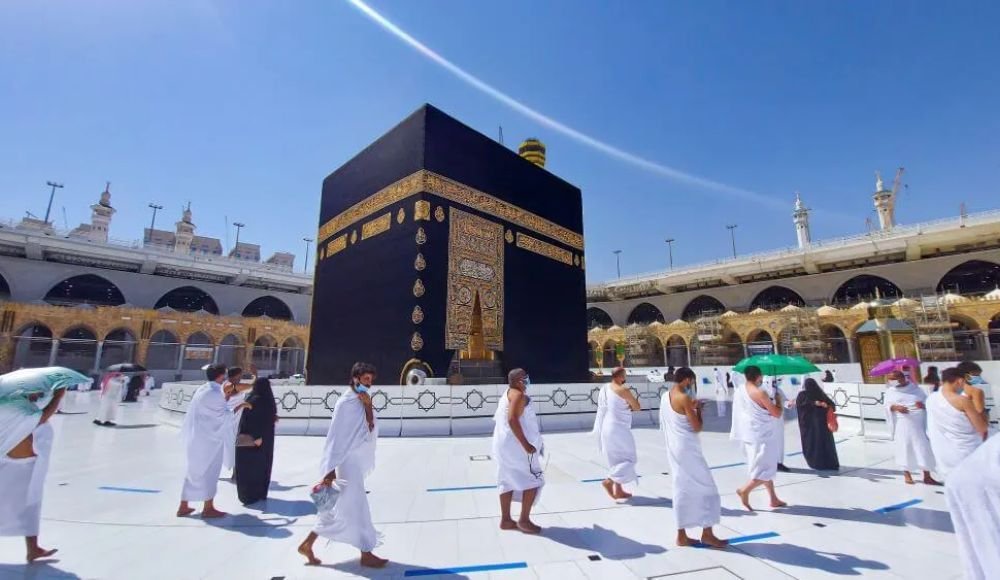
Hajj and Umrah are both sacred pilgrimages to Makkah, yet they carry distinct differences in obligation, timing, rituals, and spiritual weight. Knowing what sets them apart allows pilgrims to approach each journey with a deeper sense of purpose and reverence.
Religious Obligation
Hajj is one of the Five Pillars of Islam, making it obligatory (Fard) for every adult Muslim who is physically and financially capable of undertaking the journey at least once in their lifetime. Neglecting Hajj without valid reason is considered a serious omission in fulfilling one’s Islamic duties.
Umrah, while highly recommended and spiritually rewarding, is voluntary (Sunnah). Muslims are encouraged to perform Umrah as often as they’re able, but it doesn’t carry the same obligatory weight as Hajj. This distinction makes Umrah accessible as an act of personal devotion rather than religious requirement.
Timing and Duration
Hajj can only be performed during specific dates in the Islamic month of Dhul Hijjah (the 8th to 12th), lasting approximately five to six days. These fixed dates mean millions of pilgrims converge on Makkah simultaneously, creating the world’s largest annual religious gathering.
Umrah can be performed at any time throughout the year, giving pilgrims flexibility to choose dates that suit their schedule and circumstances. The actual Umrah rituals take only a few hours to complete, though most pilgrims spend several days or weeks in the holy cities for additional worship and visitation.
Note: While Umrah is permissible year-round, performing it during Ramadan carries special merit. The Prophet (PBUH) said: “Umrah in Ramadan is equivalent to Hajj” (Bukhari and Muslim), making Ramadan the most sought-after time for Umrah despite larger crowds and higher costs.
Ritual Differences
Hajj rituals are more extensive and complex, including:
- Standing at Arafat (the most essential Hajj ritual)
- Spending night at Muzdalifah
- Stoning the pillars (Jamarat) in Mina
- Animal sacrifice (Qurbani)
- Multiple days of specific rituals following a precise schedule
- Tawaf al-Ifadah and Tawaf al-Wada
Umrah rituals are simpler and shorter:
- Entering Ihram at the Miqat
- Tawaf around the Kaaba (seven circuits)
- Praying two rakats behind Maqam Ibrahim
- Sa’i between Safa and Marwah (seven laps)
- Halq (shaving head) or Taqsir (trimming hair)
The streamlined nature of Umrah makes it more manageable for elderly pilgrims, families with children, or those with limited time or physical capacity.
Spiritual Scope and Reward
Both pilgrimages offer immense spiritual benefits, but they serve different purposes in a Muslim’s spiritual journey. Hajj represents the ultimate fulfillment of a religious obligation, a once-in-a-lifetime journey of transformation that wipes away all previous sins. The Hajj experience, its scale, diversity of pilgrims from every nation, and profound rituals, creates a unique spiritual intensity.
Umrah offers repeated opportunities for spiritual renewal and divine connection throughout life. While its rewards are immense, Umrah serves as spiritual maintenance rather than the transformative obligation that Hajj represents. Many Muslims perform Umrah multiple times, each journey adding layers of spiritual growth and connection to Allah.
Can Umrah Substitute for Hajj?
A common question: Can performing Umrah fulfill the Hajj obligation? The answer is no, Umrah, regardless of how many times performed, cannot substitute for the obligatory Hajj. Each pilgrimage has its distinct place in Islamic worship. However, for those unable to perform Hajj due to valid reasons (health, financial constraints, safety concerns), there is no sin, and the regular performance of Umrah brings its own tremendous blessings.
Planning your first sacred journey? Eventica Travels offers comprehensive guidance for both Hajj and Umrah, helping you understand which pilgrimage suits your current circumstances and ensuring your journey is spiritually fulfilling and logistically seamless.
Types of Umrah
Understanding the types of Umrah helps pilgrims plan their journey according to their circumstances and intentions. Islamic scholars classify Umrah into different categories based on timing, combination with Hajj, and the pilgrim’s situation.
1. Umrah al-Mufradah (Independent Umrah)
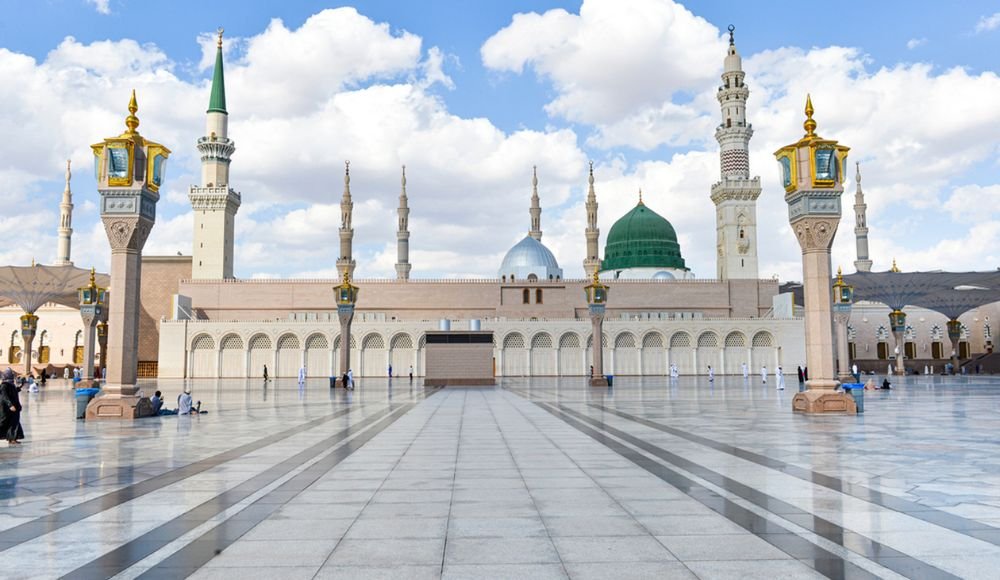
Umrah al-Mufradah refers to Umrah performed independently, not connected to Hajj. This is the most common type, undertaken by millions throughout the year outside the Hajj season. The pilgrim travels to Makkah specifically for Umrah, completes the rituals, and may stay for additional worship before returning home.
Key characteristics:
- Can be performed any time except during Hajj days (8-13 Dhul Hijjah)
- Takes only a few hours to complete the actual rituals
- Pilgrims often extend their stay in Makkah and Madinah for additional worship
- No animal sacrifice required
- Can be repeated multiple times during a single visit
Umrah al-Mufradah allows maximum flexibility for modern Muslims, you can plan your trip around work schedules, family commitments, and personal preferences. Many pilgrims perform Umrah multiple times during their stay, with some performing it daily by traveling to the Miqat boundary (such as Masjid Aisha/Taneem) to enter Ihram again.
2. Umrah al-Tammatu (Umrah Combined with Hajj)
Umrah al-Tammatu is one of the three types of Hajj, where pilgrims perform Umrah first during the Hajj months (Shawwal, Dhul Qa’dah, or early Dhul Hijjah), exit Ihram, then re-enter Ihram for Hajj on the 8th of Dhul Hijjah. The word “Tammatu” means “to enjoy” or “to take advantage of,” referring to the break between Umrah and Hajj where the pilgrim exits the sacred state.
Key characteristics:
- Performed during Hajj season months
- Pilgrim completes Umrah, exits Ihram completely
- Re-enters Ihram for Hajj on 8th Dhul Hijjah
- Requires Hadi (animal sacrifice) as this is a complete form of Hajj
- Recommended by many scholars as it was encouraged by the Prophet (PBUH)
This type is particularly popular among international pilgrims who travel specifically for Hajj season and want to perform both pilgrimages during one journey. The break between Umrah and Hajj allows pilgrims to rest, prepare mentally and physically for Hajj, and engage in additional worship in a relaxed state.
3. Umrah During Ramadan
While technically a subset of Umrah al-Mufradah, Umrah during Ramadan deserves special mention due to its exceptional spiritual merit. The Prophet Muhammad (PBUH) said: “Umrah performed in Ramadan is equivalent to Hajj” (Bukhari and Muslim), making it the most sought-after time for this pilgrimage.
Key characteristics:
- Carries reward equivalent to Hajj (though doesn’t fulfill the Hajj obligation)
- Extremely crowded, particularly during last ten nights
- Higher costs due to peak season demand
- Intense spiritual atmosphere with millions fasting and praying
- Taraweeh prayers at Masjid al-Haram are extraordinarily moving
Performing Umrah during Ramadan combines the blessings of the sacred month with the sacred place, creating a spiritually powerful experience. However, the massive crowds require patience, advance planning, and physical stamina, consider this carefully if traveling with elderly family members or young children.
4. Umrah al-Qiran (Within Combined Hajj)
Umrah al-Qiran is another form of Hajj where the pilgrim enters Ihram with intention for both Umrah and Hajj together, performing them in a combined manner without exiting Ihram between them. While technically part of Hajj methodology rather than standalone Umrah, it’s worth understanding for comprehensive knowledge.
Key characteristics:
- Single Ihram for both Umrah and Hajj
- No break between the two pilgrimages
- Requires Hadi (animal sacrifice)
- More challenging as pilgrim stays in Ihram state throughout
- Less common than Tammatu form among contemporary pilgrims
5. Badal Umrah (Performed on Behalf of Others)
Badal Umrah refers to Umrah performed on behalf of someone else, typically a deceased parent, relative, or someone unable to perform it themselves due to permanent illness or disability. This act of devotion allows the spiritual rewards to be transferred to the person on whose behalf it’s performed.
Key characteristics:
- Requires specific intention (niyyah) on behalf of the other person
- Can be performed for the deceased or the living who are unable
- The person performing must have completed their own obligatory Hajj first (according to some scholars)
- Permissible based on Hadith where the Prophet (PBUH) allowed it
- Common practice among devoted children for deceased parents
Which type of Umrah is right for you? Eventica Travels helps pilgrims understand these distinctions and plan their journey according to their intentions, timeline, and spiritual goals. Our experienced team ensures you perform the correct rituals with proper understanding.
Spiritual Benefits of Umrah
The spiritual benefits of Umrah extend far beyond the few hours spent performing rituals. This sacred journey offers transformative experiences that impact every aspect of a believer’s life, relationship with Allah, and character development.
1. Forgiveness of Sins and Spiritual Purification
Perhaps the most profound benefit, Umrah offers divine forgiveness and spiritual cleansing that renews the believer’s relationship with Allah. The Prophet Muhammad (PBUH) said: “From one Umrah to another Umrah is an expiation for sins committed between them” (Bukhari and Muslim).
This isn’t merely metaphorical, pilgrims consistently report returning home feeling spiritually lighter, freed from the burden of past mistakes, and motivated to maintain higher standards of faith and conduct. The combination of sacred space, focused worship, and sincere repentance creates conditions for genuine spiritual transformation.
The physical acts of Umrah, the humility of Ihram, the devotion of Tawaf, the perseverance of Sa’i, become vehicles for internal purification. Each step taken around the Kaaba, each supplication whispered in the Prophet’s mosque, becomes an opportunity to shed spiritual impurities and emerge renewed.
2. Answered Prayers and Divine Acceptance
The holy cities of Makkah and Madinah are places where prayers are uniquely answered. The Prophet (PBUH) said: “The performers of Hajj and Umrah are deputations of Allah. If they call upon Him, He answers them” (Ibn Majah).
Pilgrims travel from around the world carrying lists of supplications, for health, children, financial stability, guidance, forgiveness for loved ones. Standing before the Kaaba during Tawaf, praying in Rawdah ash-Sharifah in Madinah, drinking Zamzam water with intention, these moments of heightened spiritual receptivity become opportunities for divine grace.
Countless testimonies exist of prayers answered during or shortly after Umrah, barren couples blessed with children, financial difficulties resolved, family conflicts healed, chronic illnesses improved. While we cannot demand specific outcomes from Allah, the spiritual state achieved during Umrah creates optimal conditions for divine acceptance.
3. Strengthened Faith and Increased Taqwa
Umrah profoundly strengthens faith (Iman) and God-consciousness (Taqwa) in ways ordinary worship cannot replicate. Being physically present at Islam’s most sacred sites, walking where the Prophet (PBUH) walked, praying where he prayed, makes faith tangible and immediate.
The experience of joining millions of believers from every nation, language, and background, all performing identical rituals in submission to Allah, powerfully reinforces the reality of Islamic brotherhood and the truth of Tawheed (divine unity). Witnessing this universal devotion strengthens personal conviction and commitment.
Many pilgrims report that Umrah marks a turning point in their spiritual journey, the moment they began praying five times daily consistently, started wearing hijab permanently, quit harmful habits, or committed to memorizing Quran. The spiritual momentum gained during Umrah, if properly maintained, can elevate worship for years afterward.
4. Connection to Islamic Heritage and Prophet Muhammad (PBUH)
Umrah provides direct, emotional connection to Islamic history and the Prophet’s life that reading alone cannot achieve. Walking the same paths the Prophet (PBUH) walked, praying in the same mosques he prayed in, drinking from the same well of Zamzam creates visceral connection across fourteen centuries.
Visiting historical sites, Mount Hira where revelation began, Masjid Quba which he helped build, the locations of famous battles, brings Islamic history alive. The Seerah (Prophet’s biography) transforms from abstract stories into living reality, deepening love and attachment to the Prophet (PBUH).
This connection extends to the entire lineage of prophets, Ibrahim and Ismail who built the Kaaba, Hajar who ran between Safa and Marwah, the companions who struggled and sacrificed for Islam. Umrah places pilgrims within this continuous chain of faith stretching back to the beginning of monotheism.
5. Personal Transformation and Character Development
The rigors of Umrah, physical exhaustion, patience in crowds, humility in Ihram, discipline in worship, develop character in unique ways. The journey tests patience when flights are delayed, humility when sleeping in simple accommodations, generosity when encountering those in need, and perseverance when physically exhausted.
Ihram itself teaches profound lessons, the simple white cloths eliminating all markers of worldly status remind pilgrims that before Allah, wealth, nationality, and social position mean nothing. Rich and poor, young and old, all appear identical in Ihram, all equally beloved servants of Allah.
Many pilgrims deliberately use Umrah as a catalyst for permanent life changes, quitting smoking, improving family relationships, becoming more charitable, controlling anger. The spiritual high of Umrah provides motivation and initial momentum for these transformations.
6. Physical and Mental Health Benefits
While primarily a spiritual journey, Umrah offers surprising physical and mental health benefits. The moderate physical exertion of Tawaf and Sa’i provides cardiovascular exercise, while the walking between sites builds stamina.
Psychologically, Umrah offers respite from life’s stresses, anxiety reduction through focused worship, and emotional healing through spiritual connection. The break from routine, the peace of sacred spaces, and the practice of mindfulness during rituals create mental clarity often absent in daily life.
Drinking Zamzam water, believed by Muslims to have healing properties based on the Prophet’s (PBUH) saying “It is for whatever it is drunk for,” becomes an act combining physical hydration with spiritual intention for wellbeing.
7. Investment in the Hereafter
Beyond immediate benefits, Umrah represents investment in eternal success. The Prophet (PBUH) said: “The reward for an accepted Hajj or Umrah is nothing less than Paradise” (Bukhari and Muslim). While acceptance depends on sincerity and correct performance, the promise is clear, Umrah builds treasure in the eternal home.
This investment mindset helps pilgrims prioritize correctly, spending money on spiritual growth rather than purely material pleasures. The cost of Umrah becomes an investment with infinite returns rather than an expense.
Ready to experience these profound spiritual benefits? Eventica Travels specializes in creating Umrah journeys that maximize spiritual growth while ensuring comfort, safety, and comprehensive guidance. Let us help you embark on the journey of a lifetime.
The Rituals of Umrah: A Step-by-Step Overview
Understanding the practical performance of Umrah helps prospective pilgrims prepare mentally and spiritually for this sacred journey. While detailed guides exist for each step, here’s a foundational overview of the main rituals:
1. Ihram: Entering the Sacred State
Ihram represents both the clothing worn and the sacred state of consecration entered before performing Umrah. Men wear two white unstitched cloths (one around the waist, one over the shoulder), while women wear their regular modest Islamic clothing. Before reaching the designated Miqat (boundary points around Makkah), pilgrims make the intention (niyyah) for Umrah and recite the Talbiyah: “Labbayka Allahumma Labbayk” (Here I am, O Allah, here I am).
While in Ihram, certain acts become prohibited, using perfume, cutting hair or nails, wearing sewn clothing (for men), engaging in marital relations, and hunting. These restrictions remind pilgrims of their sacred purpose and help maintain focus on worship.
2. Tawaf: Circumambulating the Kaaba
Upon entering Masjid al-Haram in Makkah, pilgrims perform Tawaf, walking counterclockwise around the Kaaba seven times. If possible, they begin by kissing or touching the Black Stone (Hajar al-Aswad), though during crowded times, pointing toward it while saying “Bismillah, Allahu Akbar” suffices.
Throughout Tawaf, pilgrims engage in prayer, Quranic recitation, and personal supplication. Men perform the first three circuits with Raml (brisk walking with shoulder movements) and Idtibaa (right shoulder exposed). After completing seven circuits, pilgrims pray two rakats behind Maqam Ibrahim.
3. Sa’i: Walking Between Safa and Marwah
Sa’i commemorates Hajar’s desperate search for water for her infant son Ismail, running between the hills of Safa and Marwah. Pilgrims walk this same path seven times (starting at Safa, ending at Marwah), now enclosed within Masjid al-Haram’s extended structure.
Men briefly jog between the green markers, while women maintain normal pace throughout. This ritual demonstrates trust in Allah’s provision, as Hajar’s perseverance was rewarded with the miraculous spring of Zamzam.
4. Halq or Taqsir: Completing the Pilgrimage
After Sa’i, men either shave their heads completely (Halq, which carries greater reward) or trim hair from all parts (Taqsir). Women trim approximately one inch from the length of their hair. This act symbolizes humility, rebirth, and completion of Umrah, after which Ihram restrictions are lifted.
Need detailed guidance for each ritual? Eventica Travels provides comprehensive pre-departure training, ritual guidebooks, and on-ground support ensuring you perform Umrah correctly with full spiritual awareness.
Also read: Best Time to Visit Swat Kalam Malam Jabba
Who Should Perform Umrah?
While highly recommended for all Muslims, certain conditions determine when someone should undertake Umrah:
Physical ability: You should be healthy enough to perform the walking-intensive rituals. Those with mobility challenges can use wheelchairs (widely available at Masjid al-Haram) or plan for assisted Umrah.
Financial capability: You should afford Umrah without incurring debt or neglecting dependents’ needs. Islam never requires believers to impoverish themselves for voluntary worship.
Mahram requirement: According to the majority of Islamic scholars, women should travel for Umrah with a mahram (male guardian, husband, father, brother, son). Some scholars allow group travel with trusted Muslim women, but verify current Saudi visa requirements.
Mental and spiritual readiness: While there’s no “perfect” time, approaching Umrah with sincerity, basic Islamic knowledge, and commitment to benefiting spiritually rather than merely checking a box ensures better outcomes.
Legal and safety considerations: Ensure you meet Saudi Arabia’s visa requirements and that travel to the region is safe and advised by authorities.
Common Misconceptions About Umrah
Misconception 1: “Umrah Forgives All Future Sins”
Reality: Umrah forgives past sins when performed with sincerity, but doesn’t provide license for future wrongdoing. The spiritual benefits depend on genuine repentance and commitment to improving behavior.
Misconception 2: “Performing Umrah Many Times Is Better Than Once”
Reality: While Umrah can be repeated and carries reward each time, quality matters more than quantity. One deeply spiritual, focused Umrah with lasting behavioral change outweighs multiple Umrahs performed routinely without spiritual impact.
Misconception 3: “Umrah Is Only for Elderly People”
Reality: Umrah benefits Muslims of all ages. Young people often gain greater benefit as the spiritual momentum achieved can guide them through decades of life ahead. Prophet Muhammad (PBUH) himself performed Umrah in his youth and middle age, not just later years.
Misconception 4: “You Need Arabic to Perform Umrah”
Reality: While learning basic Arabic phrases enhances the experience, Umrah can be performed in any language for supplications and personal prayers. The essential phrases (Talbiyah, Takbir) can be learned phonetically, and guides assist non-Arabic speakers.
Preparing for Your Umrah Journey
Proper preparation, spiritual, physical, and practical, ensures maximum benefit from this sacred journey:
Spiritual preparation: Study the rituals beforehand, reflect on your intentions, compile a list of meaningful prayers, seek forgiveness from those you’ve wronged, settle debts, and write a will (Islamically recommended before travel).
Physical preparation: If sedentary, begin walking regularly weeks before departure to build stamina for Tawaf and Sa’i. Ensure vaccinations are current according to Saudi requirements.
Practical preparation: Arrange necessary documents (passport, visa), purchase Ihram garments, pack modest comfortable clothing, bring medications, learn basic Arabic phrases, and understand local customs.
Financial preparation: Budget carefully including accommodation, food, gifts, charity, and emergency funds. Avoid debt for Umrah, save gradually until you can afford it comfortably.
Educational preparation: Read books on Umrah performance, watch educational videos, attend pre-departure sessions (many tour operators provide these), and learn about common mistakes to avoid.
Ready to begin your preparation? Eventica Travels offers comprehensive pre-Umrah orientation sessions, educational materials, and personalized guidance ensuring you’re fully prepared for every aspect of your sacred journey.
Conclusion: The Journey That Changes Everything
Umrah is far more than a trip to Saudi Arabia or a checklist of rituals performed. It’s a transformative spiritual journey that offers believers the opportunity to stand before the House of Allah, to walk in the footsteps of prophets, to experience forgiveness and renewal, and to return home as better Muslims and better human beings.
Whether you’re contemplating your first Umrah or your tenth, each journey offers unique blessings, insights, and opportunities for growth. The key is approaching it with sincerity, proper understanding, and commitment to maintaining the spiritual elevation achieved in those blessed days.
As you consider embarking on this sacred journey, remember that Umrah’s true success isn’t measured by perfect ritual performance alone, but by the lasting impact it creates in your heart, character, and relationship with Allah. It’s the prayer habits that stick, the character improvements that last, the spiritual momentum that carries forward, these are the real fruits of an accepted Umrah.
Begin Your Sacred Journey with Eventica Travels
At Eventica Travels, we don’t just book trips, we facilitate life-changing spiritual journeys. Our comprehensive Umrah packages combine logistical excellence with spiritual guidance, ensuring your pilgrimage is deeply meaningful, completely comfortable, and thoroughly supported from departure to return.
Why Choose Eventica Travels for Your Umrah?
✅ Spiritual Focus: We emphasize the spiritual dimension of Umrah with pre-departure education, ritual guidance, and thoughtful itineraries that maximize worship time
✅ Expert Guidance: Experienced, knowledgeable guides who explain the significance of each ritual and historical site
✅ Comprehensive Packages: Everything included, visa processing, flights, accommodation, transportation, meals, and guidance
✅ Flexible Options: Customizable packages for individuals, families, groups, and special needs pilgrims
✅ Quality Accommodation: Hotels at various distances from Haram to suit all budgets, all carefully vetted for quality
✅ 24/7 Support: Round-the-clock assistance throughout your journey for any questions or needs
✅ Group & Private Tours: Join scheduled group departures or arrange private customized journeys
✅ Trusted Experience: Years of experience helping thousands of pilgrims complete successful Umrah journeys
Our Umrah Package Options
🕋 Essential Umrah Package (7 Days)
Perfect first-time Umrah covering all rituals with comfortable accommodation and comprehensive guidance.
🕋 Deluxe Umrah Package (10 Days)
Extended stay with premium hotels close to Haram, additional time for worship and reflection.
🕋 Ramadan Special Umrah
Experience the blessed month in the holy cities with guaranteed accommodation and full support during peak season.
🕋 Family Umrah Package
Designed for families with children, featuring family-friendly hotels, flexible scheduling, and child-appropriate guidance.
🕋 VIP Umrah Experience
Luxury hotels with Haram views, private transportation, personalized service, and exclusive arrangements.
🕋 Custom Umrah Journeys
Completely tailored to your specific needs, timeline, budget, and spiritual goals.
Limited Umrah Packages Available – Reserve Yours Today
Don’t just dream about Umrah, make it a reality with expert support every step of the way.
📧Email: info@eventicatravels.com
📱WhatsApp: +92-336-3903371
🌐Website: www.eventicatravels.com
⏰ Support: 24/7 Customer Service
Limited spots available for upcoming departures, contact us today to secure your place!
Eventica Travels – Guiding Your Steps to the House of Allah
May your Umrah be accepted, your prayers answered, and your journey transformative. Labbayka Allahumma Labbayk.